Knowing exactly when to harvest tomatoes is the difference between a bland, mealy disappointment and a sun-warmed, sugary burst of summer. Get it right, and you're a garden hero. Get it wrong, and all that watering and weeding feels wasted. The secret isn't a single date on the calendar. It's a combination of color, feel, timing, and a bit of garden intuition. Let's cut through the confusion.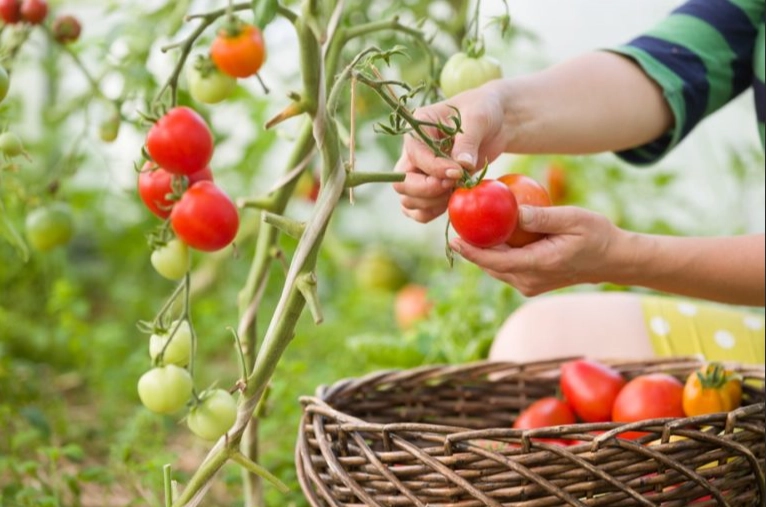
Your Harvest Quick Navigation
How to Tell When a Tomato Is Perfectly Ripe
Forget the clock. Your senses are the best tools. Relying on just one sign can lead you astray. You need a combination.
Color is Your First Clue, But Not Your Last
Look for a deep, uniform color. A ripe red tomato loses all traces of green, especially around the stem. For other colors, know your variety: a ripe 'Sun Gold' is a deep orange, not yellow; a ripe 'Black Krim' develops dark, smoky shoulders.
Here's a pro tip most guides miss: check the underside (the blossom end). This part ripens last. If it's still pale or green, give it another day or two. A completely uniform color is a solid signal.
The Feel Test: The Ultimate Decider
This is where experience pays off. Gently cup the tomato in your palm. Don't squeeze with your fingertips—you'll bruise it.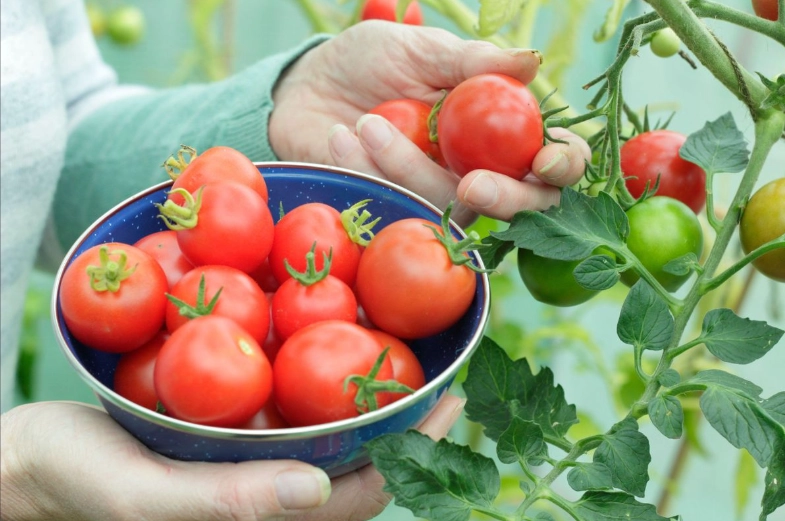
- Underripe: Feels as hard as a baseball. No give.
- Perfectly Ripe: Yields to a gentle, firm pressure. It should feel heavy and full, like a water balloon, not a rock. The skin might have a slight waxy give.
- Overripe: Feels soft, almost mushy. You've waited too long.
Look Beyond the Fruit
Examine the stem and the little star-shaped green cap (the calyx). On a ripe tomato, the stem may start to look a bit dry or woody where it meets the fruit. The calyx might begin to curl back slightly. This is subtle, but it's a sign the plant is cutting off resources, signaling final maturity.
Harvest Times for Different Tomato Types
Treating all tomatoes the same is a classic beginner error. A cherry tomato and a beefsteak have different agendas.
| Tomato Type | Key Ripeness Signs | Special Harvest Notes |
|---|---|---|
| Cherry & Grape Tomatoes | Vibrant, deep color (red, orange, yellow). Feel plump and firm but not hard. They detach very easily. | Harvest in clusters for efficiency. They ripen quickly and can go from perfect to split in a day in hot weather. Check daily. |
| Roma/Paste Tomatoes | Deep red, very firm to the touch. They feel dense and heavy for their size. | You can let these get very ripe on the vine for maximum flavor concentration for sauces. Their thicker skin resists splitting better. |
| Beefsteak & Slicing Tomatoes | Full color, slight give. The underside should be fully colored. Watch for cracks near the stem. | These are prime targets for pests. Consider picking at the "breaker" stage (first blush of color) and ripening indoors to avoid losses. |
| Heirloom Varieties | Follow color guides for the specific type. Feel is critical—they often soften more noticeably. | Heirlooms are notoriously soft and crack-prone. Harvest them as soon as they are ripe, even a bit early. Handle with extreme care. |
I learned this the hard way with a 'Brandywine' years ago. I waited for that perfect pink heirloom blush, only to find a squirrel had taken a single, perfect bite out of every one the night before. Now, I don't wait for perfection with my prized heirlooms.
The Best Time of Day to Harvest
Early morning, after the dew has dried but before the heat of the day kicks in. This is non-negotiable for quality.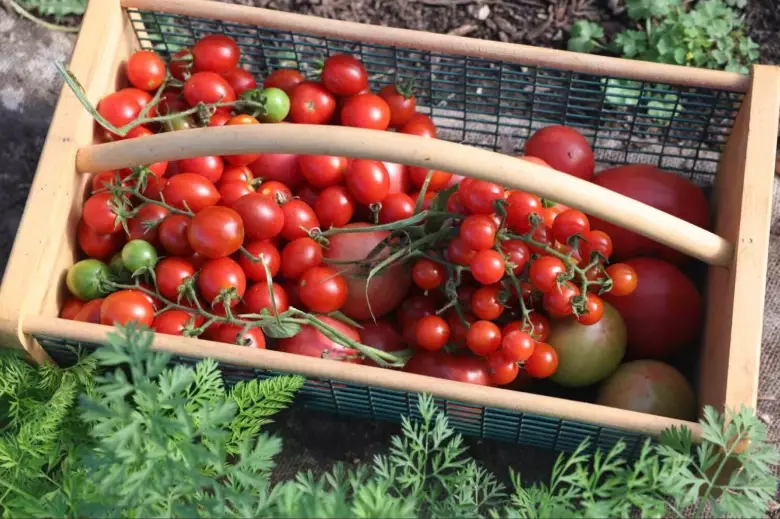
Why? Overnight, the plant pumps sugars and nutrients into the fruit. The tomatoes are full of moisture, crisp, and at their peak flavor. The heat of midday can make them slightly limp and stressed. Harvesting in the cool morning also means less heat stress for you and less wilting for the plant after you've disturbed it.
If morning isn't possible, late afternoon is your second-best bet, once the intense sun has passed.
Top Harvesting Mistakes (And How to Dodge Them)
Mistake 2: Waiting for 100% perfect color on the vine. This is especially risky for large, thin-skinned varieties. A sudden summer downpour can cause ripe tomatoes to split overnight. Birds and caterpillars are also watching for that perfect moment. The solution? Harvest at the "breaker" stage. According to resources from university agricultural extensions like those from Cornell University, a tomato at the breaker stage (where 1-10% of the surface shows color) will ripen fully off the vine with negligible flavor loss and be safe from garden hazards.
Mistake 3: Yanking the tomato off the vine. This can tear a chunk out of the plant or leave the stem attached, which can puncture other tomatoes in your basket. Use garden shears or a sharp knife, or employ the gentle "lift and twist" method on ripe fruit.
Mistake 4: Throwing tomatoes into a bucket. They bruise incredibly easily. Use a shallow basket or tray. Never stack them deep.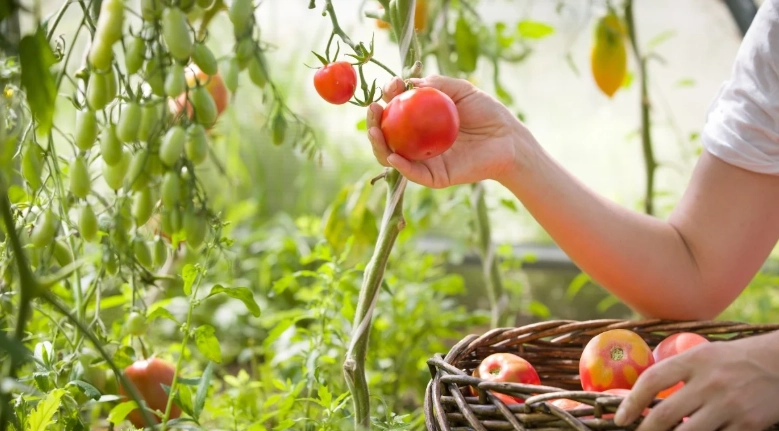
What to Do After You Pick Them
How you handle them post-harvest matters as much as the picking.
- Never refrigerate ripe, uncut tomatoes. Temperatures below 55°F (13°C) destroy the flavor compounds and leave them mealy. This is the single best piece of advice for taste.
- Store them stem-side down on a counter or table, out of direct sun. This prevents moisture loss through the scar and helps them last longer.
- If you must pick a lot at the breaker stage, place them in a single layer in a cardboard box or paper bag with a banana or apple. The ethylene gas these fruits emit speeds ripening. Check daily.
Dealing with End-of-Season Green Tomatoes
When the first frost forecast hits, don't panic. Harvest all mature green tomatoes—those that are full-sized and have a glossy sheen, not the tiny ones.
You have options:
- Ripen Them: Follow the box-and-banana method above. Store in a cool (55-65°F), dark place. Many will ripen slowly over several weeks.
- Fry Them: The classic Southern treat. Slice, dredge in cornmeal, and fry.
- Make Green Tomato Chutney or Salsa Verde: A fantastic way to use a glut.
I always dedicate one shelf in my basement to a box of green tomatoes in October. It's like extending summer, getting a fresh tomato in November for a sandwich.
Your Tomato Harvest Questions, Answered
Should I pick tomatoes when they start to change color but are still firm?
Do tomatoes ripen faster on the vine or off the vine?
 What should I do with green tomatoes if frost is coming?
How can I tell if a tomato is overripe and no longer good for eating fresh?
Reader Comments