I planted my first blueberry bush about a decade ago with nothing but enthusiasm and a vague instruction tag. It died within a year. The second one lingered, a sad, yellow-leaved testament to my ignorance. The problem wasn't my effort—it was missing the non-negotiable, specific details that make blueberries thrive, not just survive. Planting blueberries isn't hard, but it's unforgiving if you skip the crucial first steps most generic guides rush through. Let's fix that.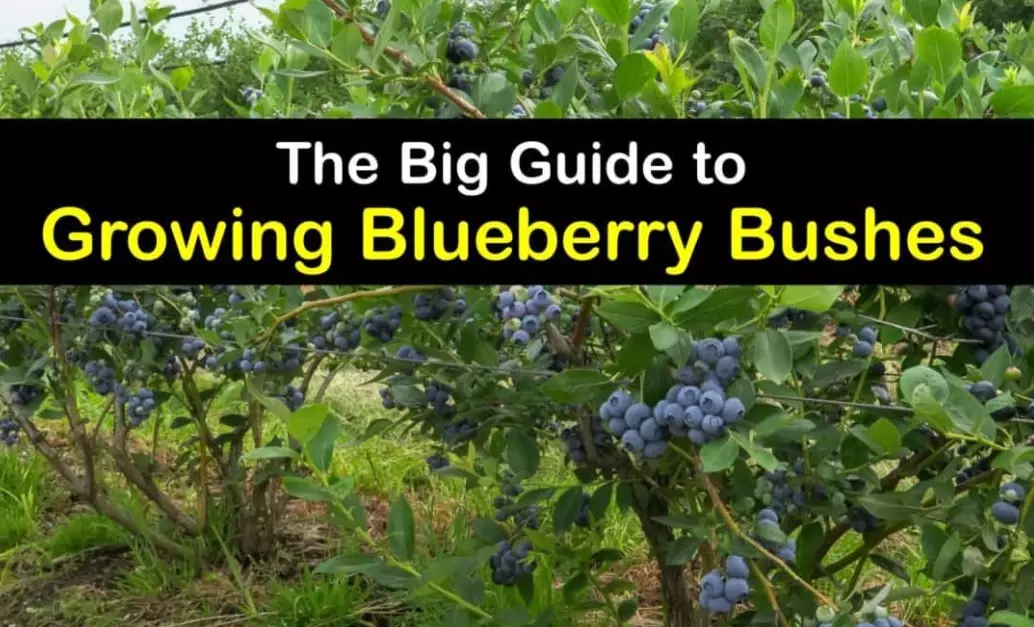
What You’ll Learn in This Guide
Why Soil pH is Everything for Blueberries
Forget sunlight or water for a second. The single most important factor for planting blueberry bushes is soil acidity. Blueberries are ericaceous plants, which means they require strongly acidic soil to absorb nutrients. In neutral or alkaline soil, their roots are locked out, leading to nutrient deficiencies (yellow leaves with green veins is the classic sign) and eventual death.
The target is a pH between 4.5 and 5.5. Most garden soil sits between 6.0 and 7.0. That small number difference is a massive biological barrier.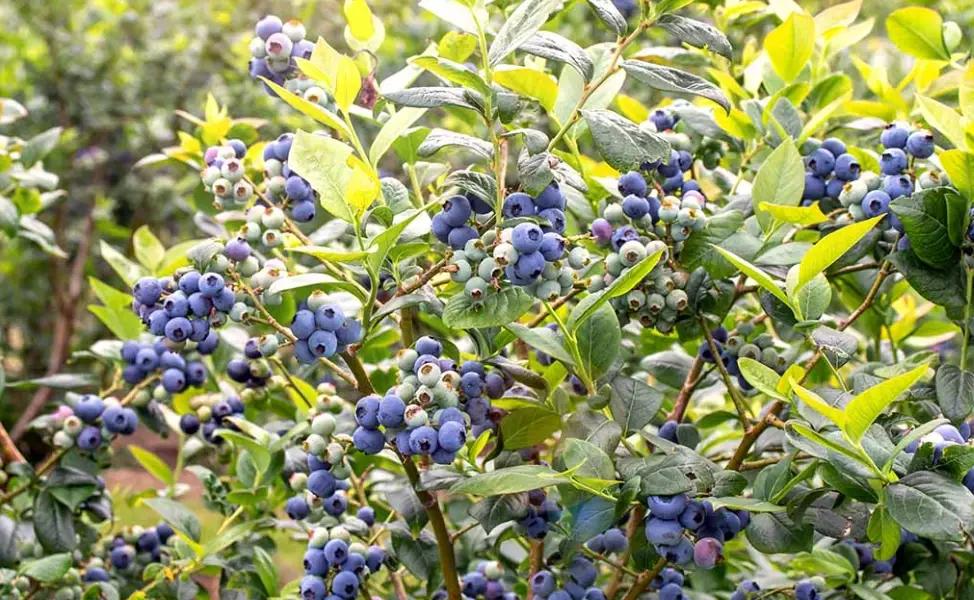
If your soil isn't acidic enough, you need to amend it before planting. Granular elemental sulfur is the go-to for long-term adjustment. It works slowly, reacting with soil bacteria to create acidity. For a quicker fix in the planting hole, you can use a pre-mixed soil acidifier. I made the mistake of using vinegar once—it's a temporary, harsh fix that can harm soil life. Don't do it.
Raising acidity takes months. Test and amend your soil in the fall for a spring planting. It's that important.
Choosing the Right Blueberry Bush for Your Yard
Not all blueberries are the same. Picking the wrong type for your climate is a slow-motion failure. Here’s the breakdown you need at the nursery.
| Type | Best For Climate (USDA Zones) | Height | Key Trait |
|---|---|---|---|
| Northern Highbush | Zones 4-7 | 5-7 feet | Classic variety, needs winter chill. |
| Southern Highbush | Zones 7-10 | 3-6 feet | Low winter chill requirement, tolerates heat. |
| Rabbiteye | Zones 7-9 | 10-15 feet | Very heat/drought tolerant, vigorous. |
| Lowbush (Wild) | Zones 3-7 | Under 2 feet | Groundcover, extremely cold-hardy. |
| Half-High (Hybrid) | Zones 3-7 | 3-4 feet | Compact, great for containers/patios. |
My personal rule? Always plant at least two different varieties. Even self-fertile types produce exponentially more fruit with a cross-pollinator friend. Make sure their bloom times overlap. Ask nursery staff for a pairing or look for varieties in the same pollination group.
For beginners, I often point people towards ‘Bluecrop’ (Northern Highbush) for reliability or ‘Sunshine Blue’ (Southern Highbush) for its compact size and slightly more forgiving nature.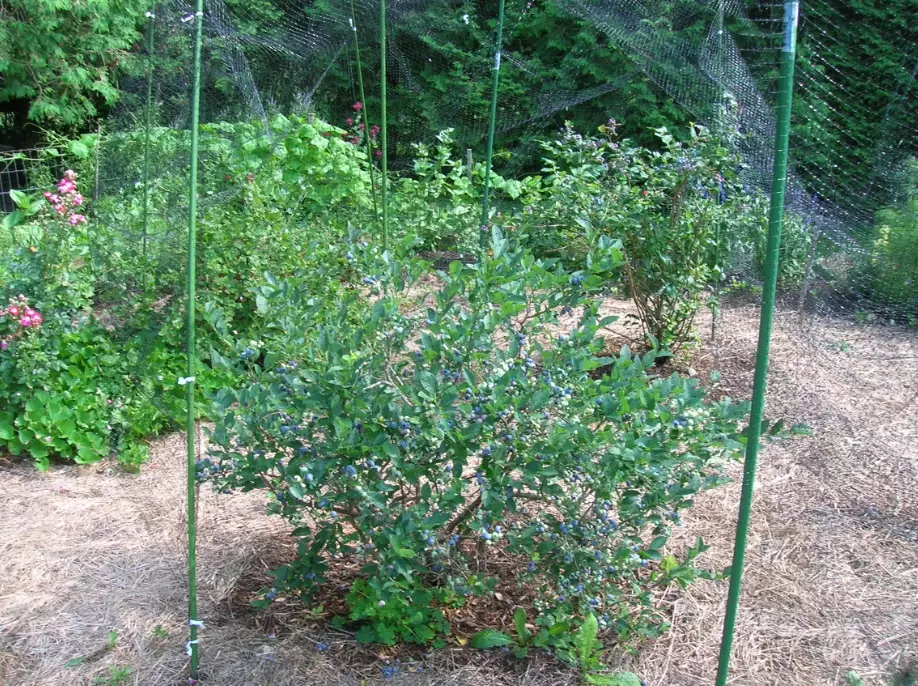
The Step-by-Step Planting Process
Timing: Early spring is king. Fall is okay in mild winters if you plant early enough. Summer planting is a battle against heat stress I don't recommend.
1. Prep the Hole and the Soil
Dig a hole 18 inches deep and 24 inches wide. That width is crucial—blueberry roots spread shallowly and wide. Now, discard half of that native soil unless you're sure it's perfect. Mix the remaining half with generous amounts of acidic planting mix (look for bags labeled for azaleas/rhododendrons) and peat moss. Add a handful of soil sulfur to the mix if your test said you need it.
2. Handle the Plant Correctly
If pot-bound, gently tease the outer roots loose. Don't slash the root ball aggressively. Soak the root ball in water for an hour before planting. This is a simple step everyone forgets that rehydrates the roots instantly.
3. Set the Depth and Backfill
Place the bush so the top of its root ball is level with or slightly above the surrounding soil. Planting too deep invites crown rot. Backfill with your prepared soil mix, firming gently as you go to eliminate large air pockets. Water deeply as you backfill to settle the soil.
4. Mulch Heavily and Don't Fertilize (Yet)
Apply a 3-4 inch layer of acidic mulch like pine bark, wood chips, or pine needles. Keep it a few inches away from the main stem. This conserves moisture, keeps roots cool, and gradually acidifies the soil as it breaks down.
Critical Care in the First Two Years
The first two seasons are about building roots, not harvesting berries.
Watering: Blueberries have fine, hair-like roots without root hairs. They're terrible at foraging for water. Provide 1-2 inches of water per week, more during heatwaves. Drip irrigation or a soaker hose under the mulch is ideal. Inconsistent watering leads to small, shriveled fruit or berry drop.
Feeding: Use an organic, acid-tone fertilizer in early spring and again in late spring. Fish emulsion is a great gentle option. Avoid high-nitrogen, quick-release fertilizers; they promote leaf growth at the expense of fruit and can hurt soil acidity.
Pruning: For the first two years, just remove any dead, damaged, or spindly weak wood. Your goal is to let the plant establish. Serious pruning for shape and productivity starts in year three.
Bird Netting: It's not an if, but when. Birds will strip a bush clean overnight when berries ripen. Cover the bush with netting just as berries start to turn blue. Use a frame to keep the netting from tangling in the branches.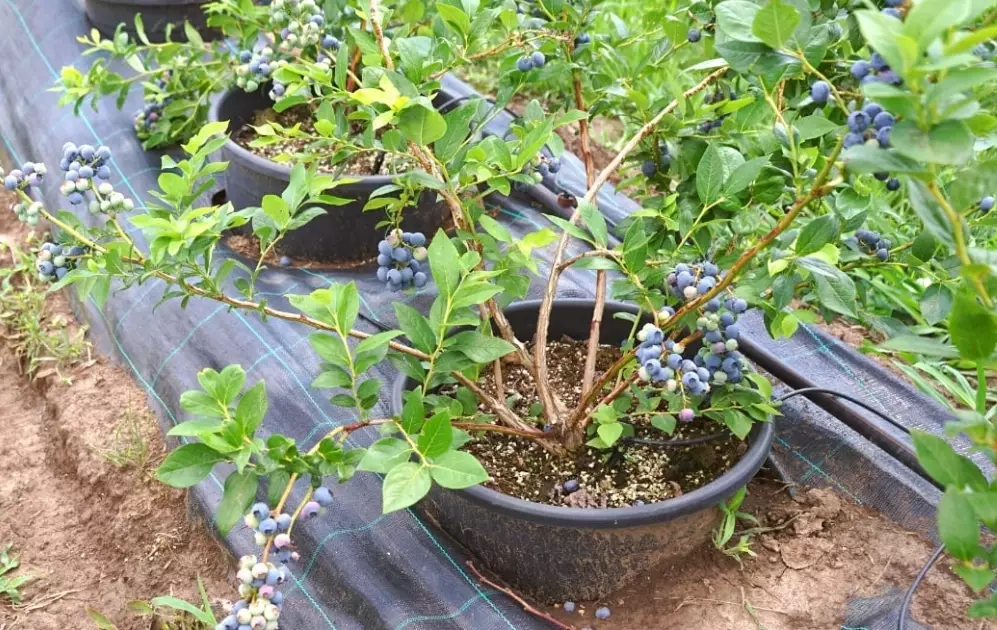
Troubleshooting Common Beginner Mistakes
- Yellow Leaves (Chlorosis): Almost certainly iron deficiency caused by high soil pH. Test your soil again. Apply a chelated iron supplement as a foliar spray for a quick fix while you work on lowering soil pH long-term.
- No Fruit: Could be lack of a pollinator partner, pruning off all fruit buds (they form on year-old wood), or too much shade. Blueberries need full sun (6+ hours) for best yield.
- Stunted Growth: Check for soil pH, then ensure consistent moisture. Compacted soil or competition from grass roots can also choke them. Maintain that wide, weed-free mulched zone.
It takes patience. A blueberry bush might give you a handful of berries in year two, a decent bowl in year three, and start hitting its full stride in years four and five. But that investment pays off for decades. My now-thriving bushes are the highlight of my June garden, and the process of getting them there taught me more about gardening than any quick-win vegetable ever did.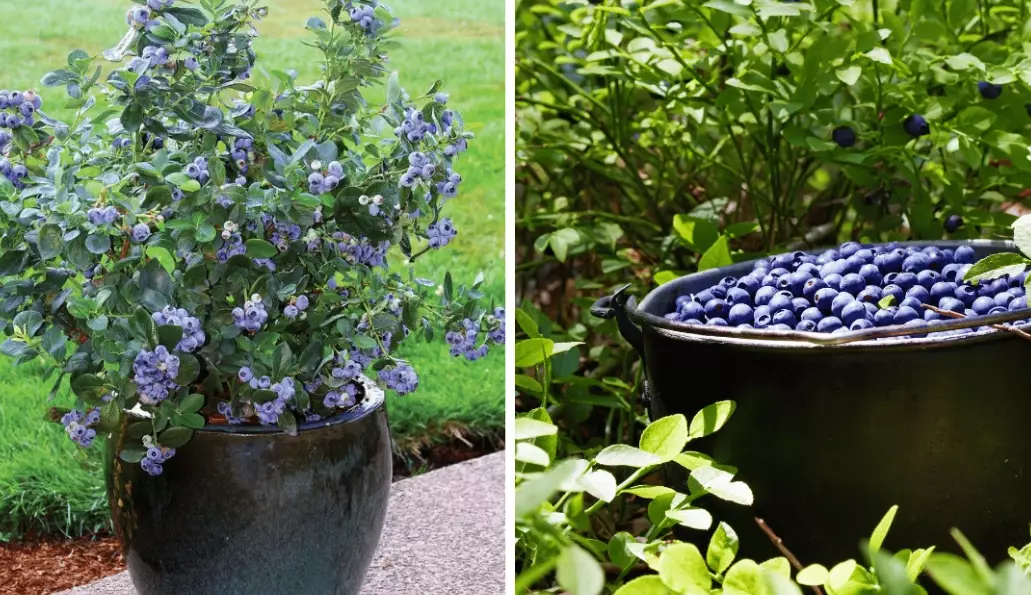
Reader Comments