Let's get straight to it. Most gardeners hear "nematode" and think of a single, evil creature sucking the life out of their tomatoes. That's only half the story, and focusing solely on the bad guys means you're missing out on a powerful gardening tool. The reality is more like a microscopic world war happening under your feet, with both destructive villains and beneficial allies. I learned this the hard way after watching an entire bed of heirloom beans wither for no obvious reason—until I pulled one up and saw the telltale, grotesque knots on the roots.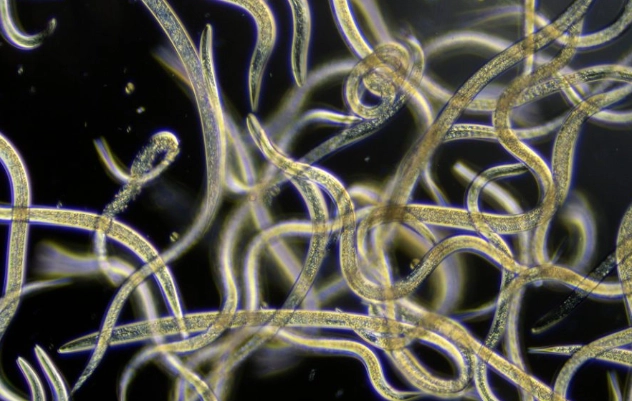
Quick Navigation: What's in This Guide
What Are Nematodes, Really?
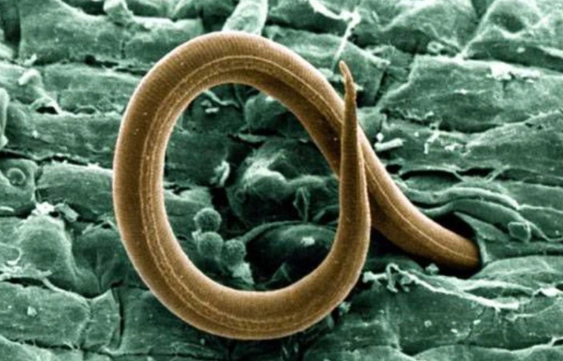
Nematodes are tiny, unsegmented roundworms. They're everywhere—in soil, oceans, freshwater. Most are harmless decomposers. But in the garden, two groups matter: the plant-parasitic kinds and the entomopathogenic (insect-killing) kinds.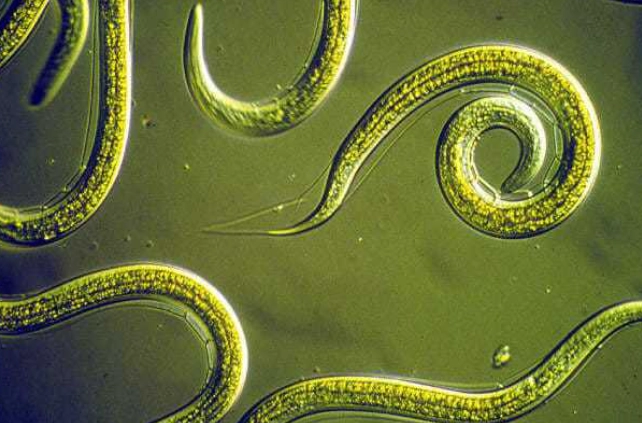
The plant parasites, like the infamous root knot nematode (*Meloidogyne* spp.), have a needle-like mouthpart called a stylet. They stab into plant roots to feed, causing physical damage and opening doors for fungal and bacterial diseases. They're sneaky. Above-ground symptoms like stunting, yellowing, and wilting often look like nutrient deficiency or drought stress. That's why misdiagnosis is so common.
A Crucial Distinction: Not all nematodes in your soil sample are bad. A report from a soil lab (like those from many state university extension services) will differentiate between harmful and beneficial/free-living species. Don't panic at the word "nematode" alone.
Then you have the beneficial nematodes—*Steinernema* and *Heterorhabditis* species. These are hunters. They actively seek out soil-dwelling insect pests like grubs, weevil larvae, and fungus gnat maggots, infect them with bacteria, and use the insect as a breeding ground. They're nature's underground assassins, and you can buy them to release in your garden.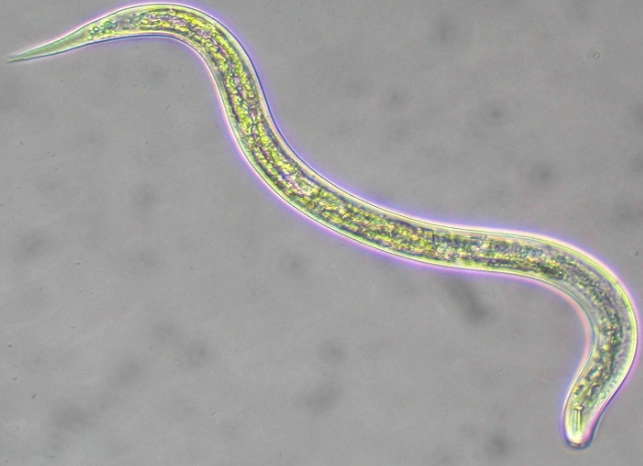
Spotting the Bad Guys: Symptoms and Diagnosis
You can't manage what you can't identify. Here’s how to tell if plant-parasitic nematodes are your problem.
The Classic Signs of Root Knot Nematodes
This is Public Enemy Number One for vegetable gardeners. Look for these signs:
- Swollen, distorted roots with obvious galls or knots. On carrots or beets, you'll see weird, hairy, forked roots.
- Plants that wilt easily on hot days, even with adequate water. The damaged root system can't keep up.
- Stunted, yellowed growth, often in patches that spread slowly through a bed.
Other harmful types cause different symptoms. Lesion nematodes cause dark, rotting lesions on roots. Cyst nematodes leave tiny, lemon-shaped cysts (the bodies of dead females) clinging to roots.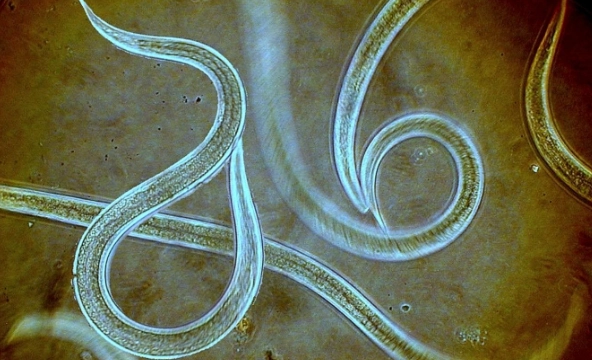
How to Confirm Your Suspicions
Don't just guess. Here's a simple diagnostic flow:
- Dig and inspect. Gently lift a struggling plant, wash the roots, and look for galls. It's the fastest, cheapest first step.
- Get a soil test. If root symptoms are unclear, send a soil sample to a diagnostic lab. Your local cooperative extension office is the best place to start for information on how and where to submit a sample. This is the only way to know the species and population density.
- Watch the pattern. Nematode damage often starts in a "hot spot" and expands outward year after year, following the root zones of susceptible plants.
| Common Harmful Nematode | Primary Target Plants | Key Visual Symptom |
|---|---|---|
| Root Knot Nematode | Tomatoes, peppers, cucumbers, beans, carrots | Large, round galls/knots on roots |
| Lesion Nematode | Potatoes, corn, strawberries, many ornamentals | Dark, sunken lesions/rot on roots |
| Cyst Nematode | Soybeans, potatoes, beets | Tiny (pinhead size) white/yellow/brown cysts on roots |
A Realistic Plan for Nematode Control
Eradication is a fantasy. Your goal is management and suppression to bring populations below damaging levels. This is a multi-year strategy, not a one-time fix.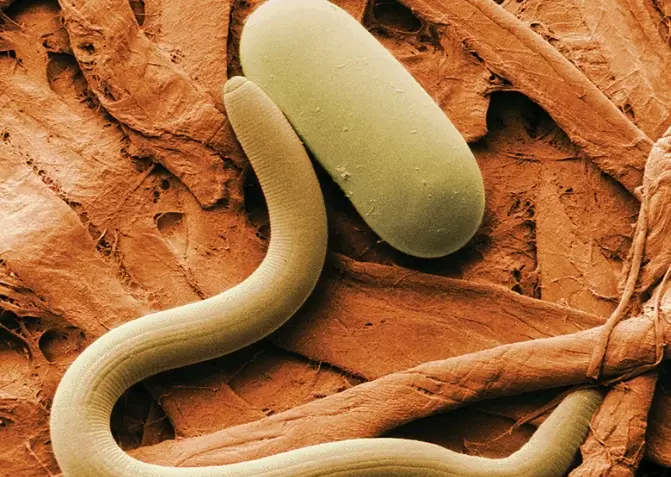
Step 1: Cultural Controls (Your First Line of Defense)
These methods work by making the environment less hospitable.
- Crop Rotation: This is non-negotiable. But here's the nuance most miss: you need to rotate with non-host plants. Rotating tomatoes with peppers (both hosts) does nothing. Switch to a grass crop like corn, or better yet, a suppressive cover crop.
- Soil Solarization: In hot, sunny climates, cover moist, tilled soil with clear plastic for 4-6 weeks during peak summer. The heat cooks nematodes in the top layers. It's effective but temporary. The mistake? Using thin plastic that degrades. Get the UV-stable kind.
- Sanitation: Clean tools and boots after working in an infected area. Don't move soil from infected beds to clean ones. This seems obvious, but it's how most small-scale infestations spread.
Step 2: Organic Amendments and Suppressive Plants
This is where you can get creative and build soil health at the same time.
Cover Crops are Game Changers. French marigolds (*Tagetes patula*) release compounds toxic to root knot nematodes. You must plant them densely, let them grow for 3-4 months, then till them in. Sorghum-Sudangrass hybrids and certain rye varieties also have suppressive effects. It's not instant magic, but it's a long-term soil builder.
Add Organic Matter. Compost, compost, and more compost. High levels of organic matter encourage fungi and predatory microbes that compete with or attack nematodes. It also improves soil structure, helping plants tolerate some damage.
Step 3: Resistant Varieties
Look for "N" or "VFN" on tomato and vegetable seed packets (N stands for Nematode resistance). These varieties have been bred to resist specific root knot nematode species. They're not immune, but they'll produce a crop where a standard variety would fail. This is the single easiest switch you can make in an infected bed.
Harnessing the Good Guys: Beneficial Nematodes as Pest Control
While you're managing the bad nematodes, you can deploy the good ones as biological insecticides. I use them every season for grub control in my lawn and fungus gnats in the greenhouse.
How They Work: You mix them in water and apply to moist soil. The nematodes, which are in a dormant state, become active and swim through soil water films, hunting for specific insect hosts. They enter the insect's body, release symbiotic bacteria that kill it, and reproduce inside. In 1-2 weeks, a new generation emerges to hunt again.
Buying and Applying Them Correctly
- Match the species to the pest. *Steinernema feltiae* for fungus gnats, thrips pupae. *Heterorhabditis bacteriophora* for grubs, weevil larvae. *Steinernema carpocapsae* for caterpillars near the soil surface. Suppliers like Arbico Organics have clear guides.
- Timing is everything. Apply when the target pest is in its vulnerable larval stage in the soil. For grubs, that's late summer/early fall. Apply in the early morning or evening to avoid UV light and heat.
- Keep the soil moist. They need moisture to move. Water well before and after application.
- They have a short shelf life. Order them when you're ready to use them, don't let them sit in a hot mailbox.
They won't fix a massive root knot infestation, but for controlling specific insect pests, they're remarkably effective and completely safe for everything else.
Your Nematode Questions, Answered
Can I save a plant that's already heavily infested with root knot nematodes?
Do beneficial nematodes harm earthworms or my plants?
How long does it take for solarization to kill nematodes in the soil?
Can I get nematodes in my potted plants?
The key takeaway? Don't fear all nematodes. Understand them. Diagnose accurately. Manage the soil ecosystem to suppress the harmful ones and, when it makes sense, recruit the beneficial ones to fight your other battles. It turns a problem into a lesson in sophisticated, holistic gardening.
Reader Comments