I remember my first attempt at growing carrots. The seeds sprouted, but the roots were tiny, twisted things that looked more like abstract art than food. It was frustrating, but it taught me that planting carrots isn't just about tossing seeds in the ground. There's a finesse to it, and getting it right means sweet, crunchy carrots that make store-bought ones taste bland. Let's dive into how to plant carrot plants successfully, covering everything from soil secrets to harvest hacks.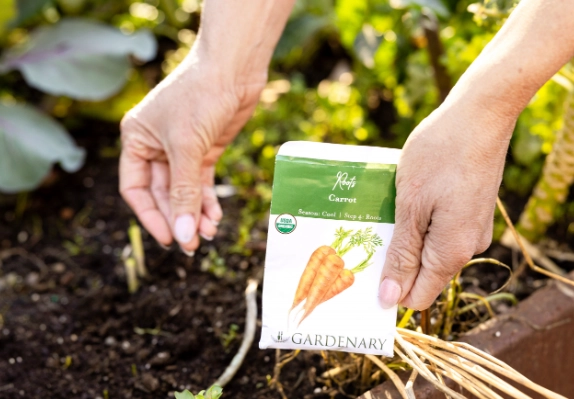
What You’ll Learn in This Guide
- Picking the Right Carrot Variety for Your Garden
- Soil Preparation: The Foundation of Great Carrots
- Step-by-Step Planting Process from Seed to Sprout
- Ongoing Care: Watering, Fertilizing, and Pest Control
- When and How to Harvest and Store Your Carrots
- Common Mistakes Even Experienced Gardeners Make
- Your Carrot Planting Questions Answered
Choosing the Right Carrot Variety
Not all carrots are created equal. The variety you pick affects everything from planting depth to harvest time. I've grown dozens over the years, and here's what matters.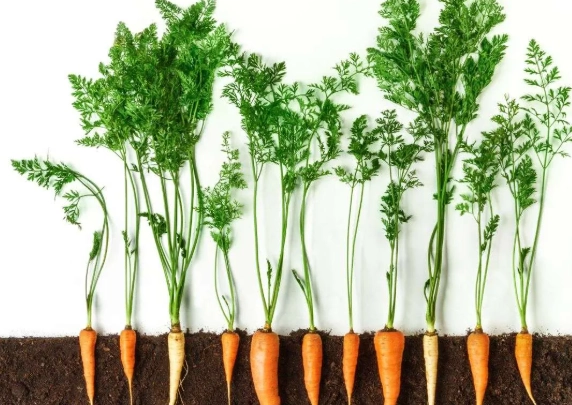
Quick tip: If your soil is heavy or rocky, go for shorter varieties like 'Paris Market' or 'Round' carrots—they're forgiving and perfect for containers. For deep, sandy soil, long types like 'Imperator' shine.
Popular Types for Home Gardens
Nantes carrots are my go-to. They're sweet, cylindrical, and mature in about 65 days. Danvers varieties handle poorer soil better, while Chantenay carrots are stubby and great for cooking. For something fun, try purple or yellow carrots—they add color to salads and often have higher antioxidant levels, according to sources like the University of California's Agriculture and Natural Resources publications on vegetable nutrition.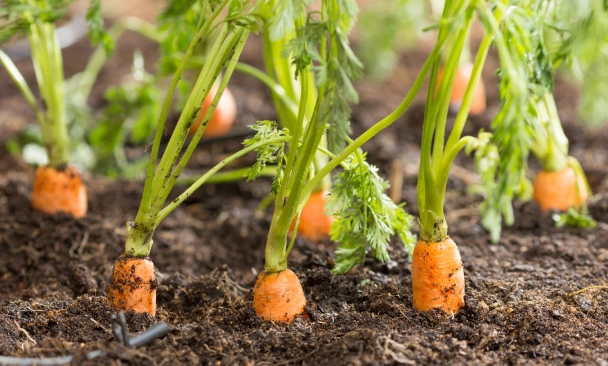
I made the mistake once of planting a long variety in clay soil. The carrots hit a hard layer and forked every which way. Lesson learned: match the carrot to your dirt.
Preparing Your Soil for Success
This is where most beginners slip up. Carrots need loose, well-drained soil. If it's compacted, you'll get forked or stunted roots.
Soil Texture and pH Levels
Aim for a sandy loam with a pH between 6.0 and 6.8. Test your soil—kits are cheap at garden centers. If it's acidic, add lime; if alkaline, mix in peat moss. Remove rocks and clumps down to at least 12 inches. I use a broadfork to aerate without turning the soil upside down, which can harm beneficial microbes.
Don't add fresh manure. It's too high in nitrogen and can cause hairy, split carrots. Instead, work in well-rotted compost or a balanced fertilizer like 5-10-10 a few weeks before planting.
Planting Carrot Seeds: The Step-by-Step Process
Carrot seeds are tiny and fussy about planting depth. Here's how to get them right.
When to Plant for Optimal Growth
Timing is crucial. Plant in early spring, 2-4 weeks before the last frost, when soil temps hit 45°F (7°C). For a fall crop, sow 10-12 weeks before the first frost. In my zone 6 garden, I plant in mid-April and again in early August. Carrots tolerate light frosts, so don't worry about a chilly night.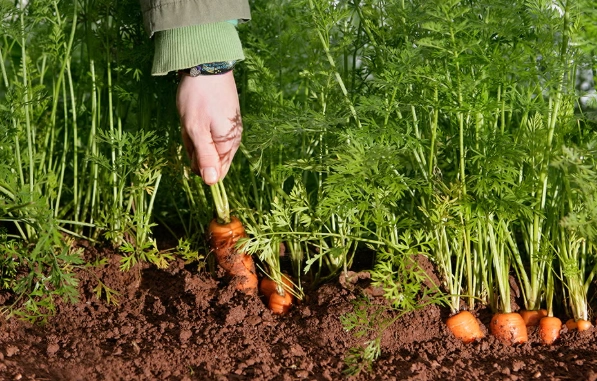
Spacing and Depth Tips
Sow seeds 1/4 inch deep in rows 12-18 inches apart. Space seeds about an inch apart—they're hard to thin later. I mix seeds with sand to spread them evenly. Cover lightly with soil or vermiculite, then water gently with a fine mist. Keep the soil moist until germination, which takes 1-3 weeks. Patience is key here; I've ruined batches by letting the surface dry out.
| Carrot Variety | Days to Maturity | Best Soil Type | Special Notes |
|---|---|---|---|
| Nantes | 65-75 days | Sandy loam | Sweet, crisp, good for fresh eating |
| Danvers | 70-80 days | Heavier soil | Storage-friendly, tolerant of poor conditions |
| Chantenay | 65-70 days | Most soil types | Short roots, ideal for containers |
| Imperator | 75-80 days | Deep, loose soil | Long roots, common in supermarkets |
Once seedlings are about 2 inches tall, thin them to 2-3 inches apart. It feels wasteful, but crowded carrots won't develop properly. Use the thinnings in salads—they're edible and peppery.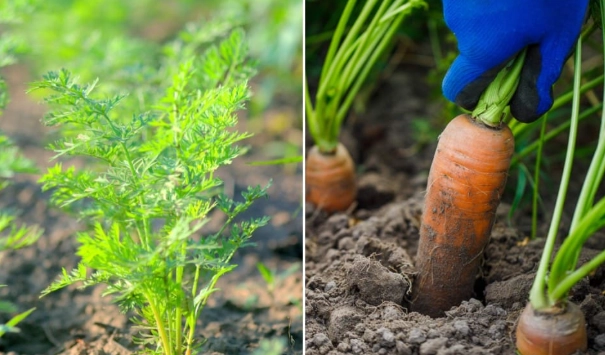
Caring for Your Carrot Plants
Carrots are low-maintenance, but they need consistent care. Neglect watering, and you'll get woody roots.
Watering and Fertilizing
Water deeply once a week, providing about an inch of water. Shallow watering encourages shallow roots. During dry spells, I use a soaker hose to keep soil evenly moist. Mulch with straw or grass clippings to retain moisture and suppress weeds.
Fertilize lightly 4-6 weeks after planting with a low-nitrogen fertilizer. Too much nitrogen gives you lush tops and puny roots. I side-dress with compost tea for a gentle boost.
Managing Pests and Diseases
Carrot flies are the biggest headache. Their larvae tunnel into roots, ruining the crop. I interplant with onions or rosemary—the strong smell confuses them. Physical barriers like fine mesh netting, installed at planting, work wonders. The Royal Horticultural Society recommends covering rows with insect-proof mesh to prevent infestations.
Diseases like leaf blight can occur in wet conditions. Ensure good air circulation and avoid overhead watering. Rotate crops yearly to prevent soil-borne issues.
Harvesting and Storing Your Carrots
Harvest when carrots reach full size, usually 60-80 days after planting. Gently loosen the soil with a fork and pull. For sweeter carrots, leave them in the ground through a light frost—cold temperatures convert starches to sugars.
Store carrots in a cool, humid place. I pack them in damp sand in a cellar, and they last for months. For short-term use, refrigerate in plastic bags with holes for airflow.
Common Mistakes Even Experienced Gardeners Make
Here's where I share some non-consensus views. Most guides say to till deeply, but over-tilling can destroy soil structure. Instead, double-dig only the planting row. Another subtle error: planting seeds too deep. I've seen gardeners bury them half an inch, and germination rates plummet. Stick to 1/4 inch.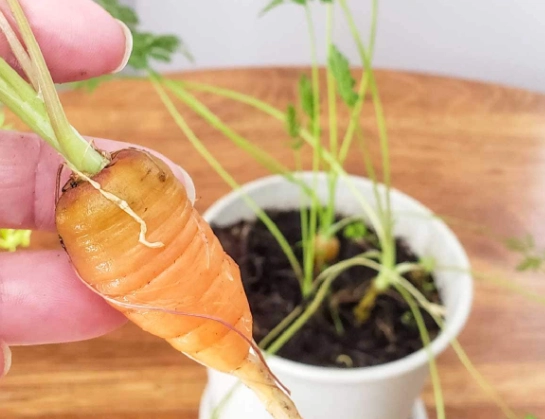
Also, don't trust seed packets blindly—local conditions matter. In my area, fall planting often yields better carrots than spring because pests are less active.
Give it a try this season. Start small, learn from mistakes, and soon you'll have carrots that taste like sunshine. Happy planting!
Reader Comments