I killed more plants than I care to admit in my first ground-level garden. Clay soil, weeds, poor drainage—it was a fight. Then I built a raised garden box. Suddenly, carrots grew straight, tomatoes thrived, and I actually enjoyed gardening. If you're dealing with lousy soil, bad backs, or just a patio, raised boxes are your shortcut to homegrown veggies.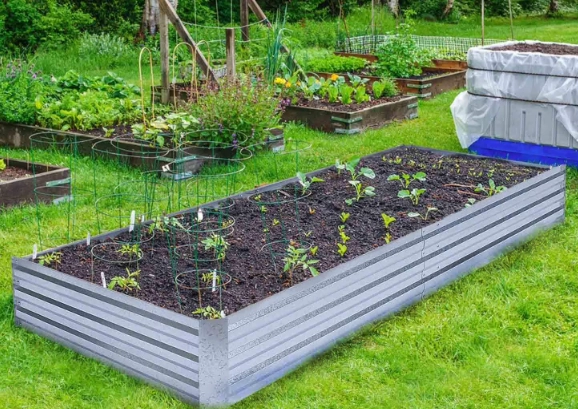
What You'll Find in This Guide
Why Raised Boxes Beat In-Ground Gardens Hands Down
It's not just hype. Raised garden boxes solve specific problems. Let's break it down.
Soil control is the biggest win. You fill the box with whatever mix you want. No more battling native clay or sand. According to the University of Maryland Extension, raised beds improve soil structure and drainage instantly, which is critical for vegetable roots.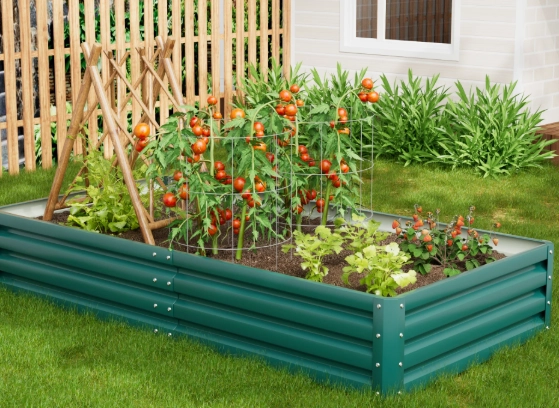
Weeds? Dramatically reduced. You start with fresh, weed-free soil. Any weeds that blow in are easy to pull from the loose mix.
Then there's ergonomics. Bending over less is a game-changer. A box that's 18-24 inches high lets you sit on the edge to plant or harvest. My back thanks me every season.
They warm up faster in spring. The soil in a raised box heats up quicker than ground soil, letting you plant cool-season crops like lettuce and peas a good two weeks earlier. You extend your growing season without a greenhouse.
Building Your Box: No Fancy Tools Required
You can buy a kit, but building your own is cheaper and lets you customize the size. Here's a simple plan for a 4ft x 8ft box, 18 inches deep—a classic, manageable size.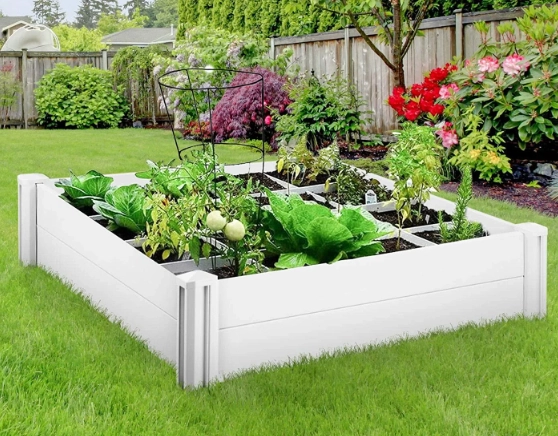
Materials: The Good, The Bad, The Ugly
Wood: Cedar or redwood is top-tier—naturally rot-resistant but pricey. Pressure-treated pine (labeled for ground contact) is fine for veggies, as modern treatments are copper-based. Avoid old railroad ties or pallet wood; you don't know what chemicals are in them. Composite lumber is durable but expensive.
I used cedar for my first box 8 years ago. It's gray now but still solid. For a budget box, I later used pressure-treated pine lined with landscape fabric—no issues.
Hardware: Galvanized or stainless steel screws. Don't use plain steel; they rust fast.
Tools: A drill, saw, measuring tape, and level. That's it.
The Step-by-Step Build
1. Pick your spot. Full sun, at least 6-8 hours daily. Near a water source. Level ground.
2. Cut the lumber. For a 4x8 box: Cut four 8ft boards and four 4ft boards for the sides. Cut four 18-inch posts for the corners.
3. Assemble the frame. Attach the side boards to the corner posts to form a rectangle. Pre-drill holes to prevent splitting. Use two screws per joint.
4. Place it and level. Set the frame in place. Use a level on all sides. Shim underneath if needed. This step is crucial—a tilted box means uneven watering.
5. Optional lining. If using pressure-treated wood or if you have gophers, staple hardware cloth to the bottom. For weed barrier, use landscape fabric, not plastic (which blocks drainage).
That's the bones. No bottom needed—it sits on the ground.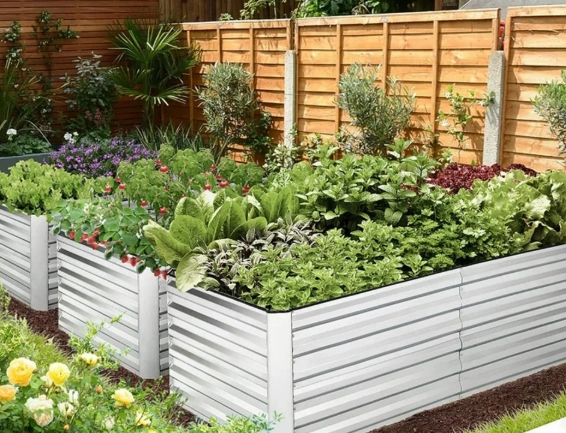
The Best (and Worst) Vegetables for Raised Beds
Not all veggies are equal in a box. The goal is high yield in small space. Here's my take after years of trial and error.
Top Performers:
- Leafy Greens: Lettuce, spinach, kale. They grow fast, you can cut-and-come-again, and they don't need deep soil.
- Root Crops: Carrots, radishes, beets. The loose soil lets roots develop perfectly. No forked carrots.
- Bush Varieties: Bush beans, determinate tomatoes, peppers. They stay compact. Avoid sprawling plants unless you train them vertically.
- Herbs: Basil, parsley, cilantro. They thrive in the well-drained mix.
Proceed with Caution:
Asparagus and rhubarb are perennials that need permanent space—they can work in a deep, dedicated box but tie it up for years.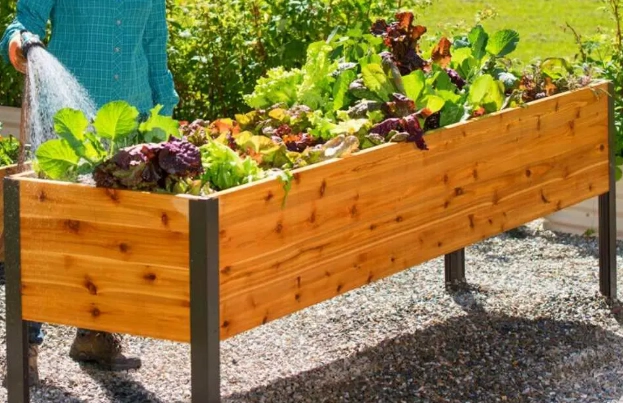
Corn is a space hog and wind-pollinated; you need a block of plants, so it's inefficient in a small box.
Here's a quick-reference table for popular choices:
| Vegetable | Recommended for Raised Box? | Key Tip for Success |
|---|---|---|
| Tomatoes (Determinate) | Yes | Use a sturdy cage. Plant deep, burying part of the stem. |
| Cucumbers (Bush type) | Yes | Train on a small trellis to save space. |
| Zucchini | Borderline | One plant per 4x4 ft area—it's a space monster. |
| Potatoes | Yes, with technique | Use the "hilling" method in deep boxes. |
| Onions | Yes | Plant sets close together for green onions. |
Soil Mix Secrets and Year-Round Care
This is where most beginners fail. Don't just shovel in dirt from your yard.
The Magic Soil Recipe
For a 4x8x1.5 ft box, you need about 1.5 cubic yards of soil. Mix it yourself for best results:
- 1/3 high-quality topsoil (screened, no clumps)
- 1/3 compost (from multiple sources—leaf, manure, vegetable)
- 1/3 aeration material (coarse sand, perlite, or vermiculite)
That mix is light, drains well, and is rich in organic matter. I buy bulk from a local landscape supplier—cheaper than bags. Avoid "garden soil" bags; they're often too dense.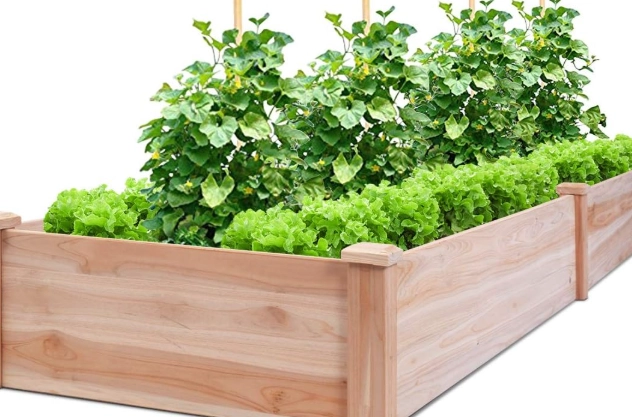
Watering: The Delicate Balance
Raised boxes dry out fast. In peak summer, you might water daily. But overwatering is just as bad.
Stick your finger two inches into soil. If dry, water deeply until it runs out the bottom. A soaker hose or drip irrigation on a timer is a lifesaver. Mulch the surface with straw or shredded leaves to hold moisture.
Feeding Your Plants
The compost in your mix feeds plants for a while. But for heavy feeders like tomatoes, add an organic fertilizer (like fish emulsion) every 3-4 weeks. I keep it simple: compost tea once a month.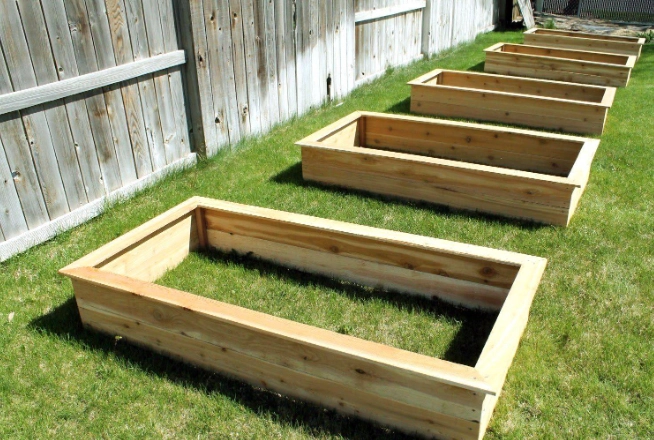
5 Costly Mistakes Even Experienced Gardeners Make
I've made these. Learn from my errors.
1. Building too wide. A box wider than 4 feet is hard to reach into. Center becomes inaccessible. Stick to 4 feet max.
2. Ignoring sun patterns. That spot gets 8 hours of sun in June? Check again in October. Shadows from houses or trees change. Map sun across seasons before building.
3. Overcrowding plants. You get excited, plant seeds too close. Then everything competes for light and nutrients. Follow spacing on seed packets. It feels sparse at first, but plants fill in.
4. Using poor-quality soil. Skimping on soil is the worst economy. Plants struggle from day one. Invest in a good mix.
5. Forgetting crop rotation. In a small space, diseases build up. Don't plant tomatoes in the same spot year after year. Rotate plant families: tomatoes/peppers (nightshades) one year, beans/peas (legumes) next, then leafy greens.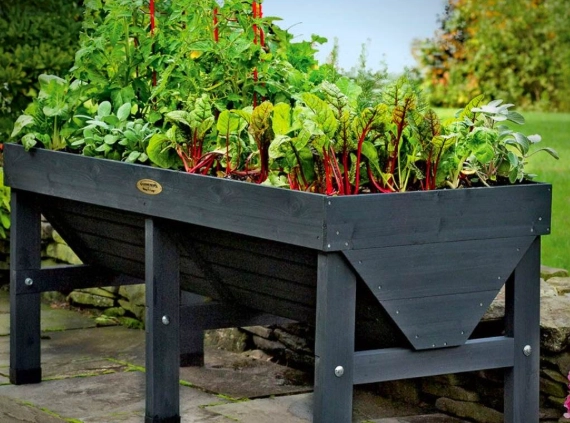
Your Questions, Straight Answers
Raised garden boxes turn limitations into advantages. Start small, learn, and expand. My first box was a 3x3 foot experiment. Now I have three, supplying salads all summer. The control you get is empowering. You're not just gardening; you're building a system that works.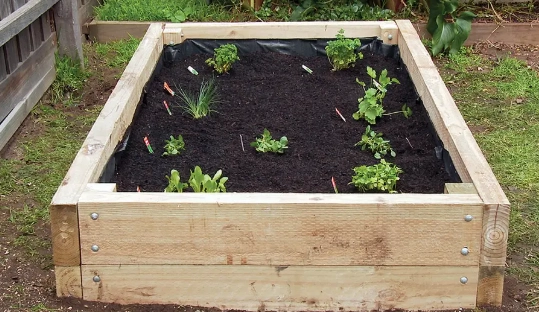
Reader Comments