I’ll be honest, my first attempt at growing carrots was a disaster. I ended up with a handful of stunted, forked roots that looked more like alien tentacles than vegetables. It was frustrating. But that failure taught me more than any generic guide ever could. Growing carrots isn't hard, but it demands attention to a few specific, non-negotiable details that most beginners (and even some experienced gardeners) gloss over.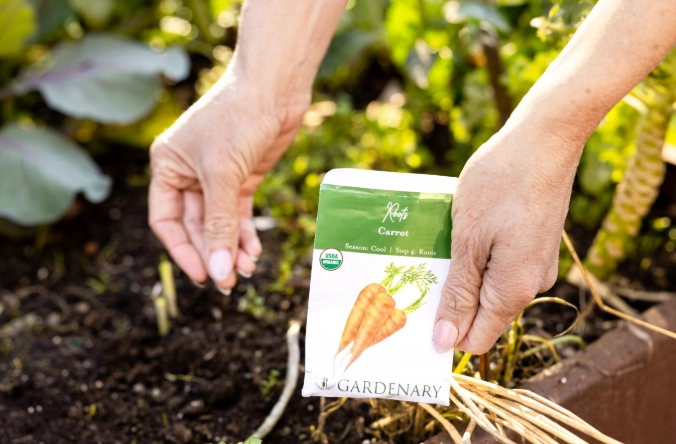
This guide is what I wish I had. We’re going beyond “plant seeds and water.” We’re digging into the why behind every step, so you understand the process, not just follow instructions. Whether you have a backyard plot, raised beds, or just a few deep pots, you can grow crisp, sweet carrots that put store-bought ones to shame.
What You’ll Learn
The #1 Rule for Growing Carrots: Soil is Everything
Forget sunlight and water for a second. If you get the soil wrong, nothing else matters. Carrots are root vegetables. Their product is the root. Any obstacle, any chunk, any bit of density forces that root to divert, fork, or stunt.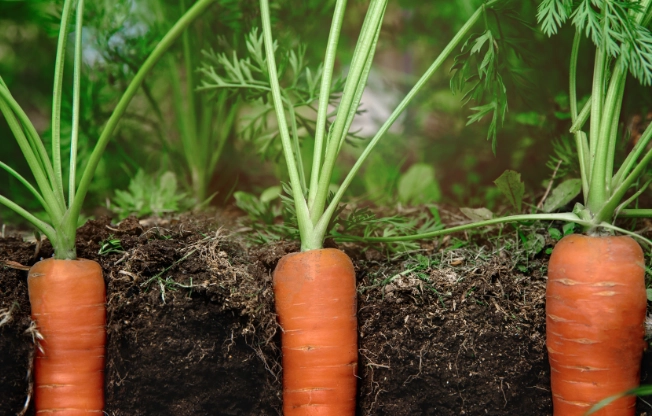
Here’s the non-consensus part: Adding sand to clay soil is often terrible advice. If you don't add enough, you're just creating concrete. You need a 50/50 mix to truly improve drainage, which is often impractical. A far better approach is to focus on organic matter and depth.
If your garden soil is heavy clay, don't fight it. Grow carrots in raised beds filled with a custom soil mix, or in deep containers. You have complete control that way.
Planting Carrots the Right Way
Timing and technique are crucial. Carrots are cool-season crops. They prefer to germinate in cool, moist soil and mature as temperatures warm slightly.
When to Plant Carrot Seeds
You have two main windows:
- Early Spring: Sow seeds 2-4 weeks before your last expected frost date. The soil is workable and cool.
- Late Summer: For a fall harvest, plant about 10-12 weeks before your first expected fall frost. This is often the best time, as fewer pest issues and sweeter carrots (cold temperatures increase sugar content).
Soil temperature is key. Ideal germination happens between 55°F and 75°F (13°C - 24°C).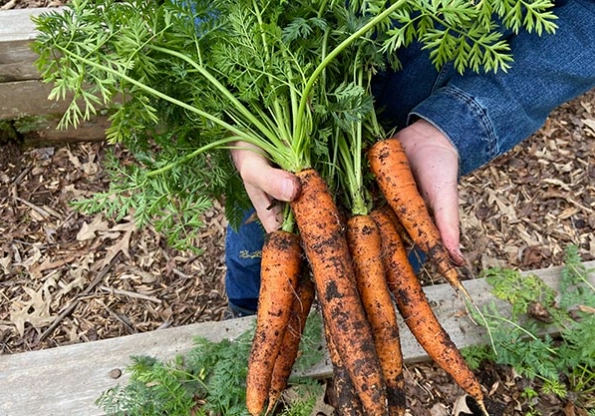
The Sowing Technique Most People Mess Up
Carrot seeds are tiny. The biggest planting mistake is burying them too deep.
- Make shallow furrows about 1/4 inch deep. I use the edge of a board.
- Sow the seeds sparingly. Try to space them about half an inch apart. They’re hard to handle, so don't stress perfection. You’ll thin them later.
- Cover lightly with a fine material: sifted soil, vermiculite, or compost. This prevents crusting.
- Water gently with a fine mist to avoid washing seeds away. Keep the soil constantly moist until germination (this can take 1-3 weeks). A light layer of burlap or a board over the row can help retain moisture—just remove it as soon as you see green.
Care After the Sprouts Appear
Once you see those delicate, fern-like seedlings, the real work begins.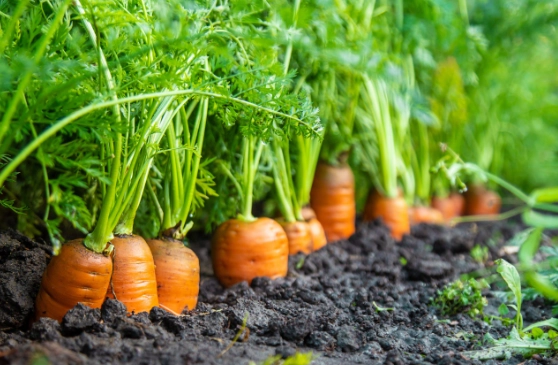
Thinning: The Hardest but Most Important Job
You must thin your carrots. Crowded carrots compete for nutrients and space, resulting in a bed full of skinny, unusable roots.
- First Thin: When seedlings are about 2 inches tall, thin to one plant every inch. Use scissors to snip extras at the soil line—pulling can disturb the roots of the keepers.
- Final Thin: When the carrot tops are 4-6 inches tall, thin to the final spacing. This is based on your variety:
| Carrot Type | Final Spacing | Example Varieties |
|---|---|---|
| Small / Round | 2 inches apart | Paris Market, Romeo |
| Standard / Danvers | 3 inches apart | Danvers 126, Yellowstone |
| Long / Imperator | 4 inches apart | Imperator 58, Sugarsnax |
Those thinnings? They’re delicious baby carrot greens! Use them like parsley.
Watering and Weeding
Carrots need consistent moisture. Erratic watering causes roots to crack. Aim for about 1 inch of water per week, deep watering to encourage deep roots. A soaker hose or drip irrigation is ideal to keep foliage dry and prevent disease.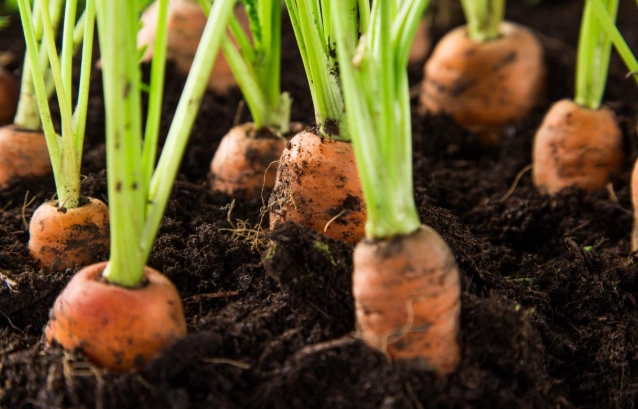
Weed carefully by hand when plants are small. Once the ferny tops shade the ground, weeds are less of an issue. A light mulch of grass clippings or straw can help, but only apply after the seedlings are well-established.
Do Carrots Need Fertilizer?
Not much, if you started with good compost. A side dressing of a low-nitrogen, balanced fertilizer when tops are 4 inches tall can help. Too much nitrogen gives you magnificent tops and pitiful roots.
When and How to Harvest & Store Carrots
Days to maturity on the seed packet is a guide, not a rule. Start checking a few weeks early.
To harvest, loosen the soil around the carrot with a garden fork, then pull gently from the base of the greens. Don't just yank—you might break the root.
For storage, twist off the greens about an inch above the shoulder. The greens draw moisture and sugars from the root, causing wilting. Store unwashed carrots in the fridge in a perforated plastic bag for months. For long-term storage, they can be kept in damp sand in a cool cellar.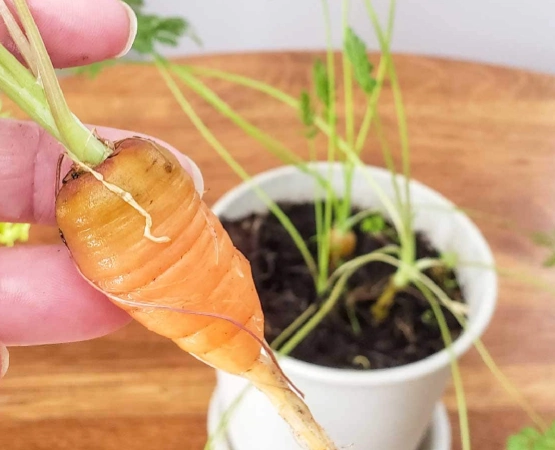
Troubleshooting Common Carrot Problems
Here’s a quick reference for what might go wrong:
- Seeds didn’t germinate: Soil dried out, planted too deep, or soil was too cold/hot.
- Forked/Misshapen roots: Heavy, rocky, or clumpy soil. Fresh manure.
- Hairy roots: Too much nitrogen or fresh manure.
- Green shoulders: Roots exposed to sunlight. Hill a little soil over exposed tops.
- Carrot rust fly: Roots have rusty tunnels. Use row covers immediately after planting as a physical barrier.
Your Carrot Growing Questions Answered
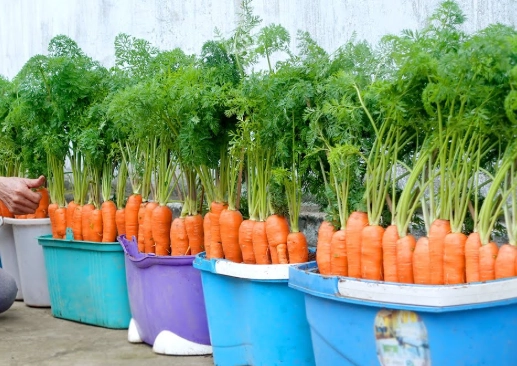
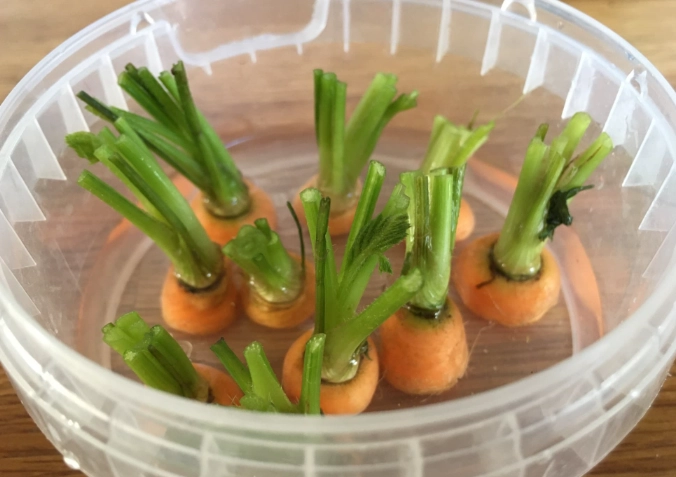
Growing carrots teaches patience and attention to detail. Start with the soil. Be ruthless with thinning. Give them steady water. Do those three things, and you’ll be pulling up straight, sweet, crunchy carrots that are the envy of the neighborhood. It’s worth the effort. Now go get your hands dirty.
Reader Comments