Let's be honest. Scrolling through picture-perfect gardens online can be equal parts inspiring and utterly depressing. You see these sprawling, magazine-ready spaces and think, "I could never afford that," or "My yard is the size of a postage stamp." I've been there. My first attempt at a garden design garden involved buying every pretty plant I saw at the nursery and shoving them into the ground with zero plan. It was a colorful, chaotic mess that required constant watering and yielded more frustration than joy.
That experience taught me a hard lesson: a beautiful garden doesn't happen by accident. It's the result of thoughtful planning. A true garden design garden is more than just plants; it's an outdoor room, a habitat for wildlife, a place for your morning coffee, and a reflection of you. It's about creating a space that works for your life, not against it.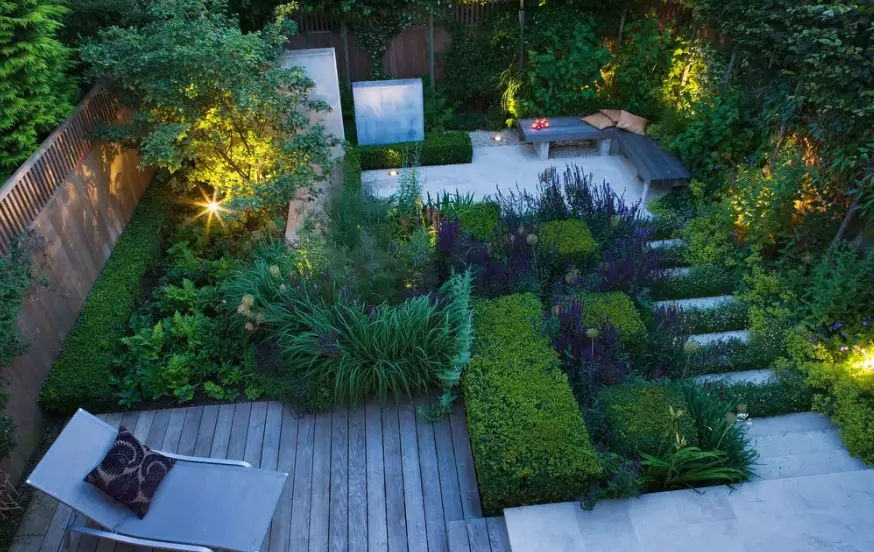
Quick Navigation
- Where Do You Even Start? The Blueprint Phase
- The Nitty-Gritty: Layout, Zones, and Flow
- More Than Just Plants: The Hardscape Elements
- Working With Nature, Not Against It: The Sustainable Mindset
- Budgeting Your Dream: A Realistic Breakdown
- Answers to the Questions You're Probably Asking
- Wrapping It Up: Your Garden Is a Journey
Where Do You Even Start? The Blueprint Phase
You wouldn't build a house without a blueprint, right? The same logic applies to your garden. Jumping straight to planting is the number one mistake beginners make. This phase is all about observation and asking the right questions.
First, become a stalker of your own yard. Seriously. Spend a week just looking. Where does the sun hit at 9 AM, noon, and 5 PM? Where are the soggy spots after a rain? Where is it bone dry? Is there a ugly view you need to screen (like my neighbor's perpetually overflowing recycling bins), or a beautiful one you want to frame? Grab a piece of paper—it doesn't need to be fancy graph paper—and sketch the rough shape of your space. Mark down the sun patterns, the wind direction, the location of downspouts, and any existing trees or structures.
Next, the fun part: the wishlist. This is a brain dump. Do you want a veggie patch? A quiet reading nook? A flat area for the kids to kick a ball? A fire pit for summer evenings? A low-maintenance gravel garden because your weekends are precious? Write it all down. No idea is too silly at this stage.
Finding Your Garden's Personality: Styles to Steal From
Now, look at your wishlist and see if it leans towards a particular style. Having a style in mind gives coherence to your garden design garden. It helps you make choices about materials, plants, and layout that feel intentional, not random.
- The Cottage Garden: My personal favorite for its relaxed, "lived-in" charm. Think overflowing borders, roses climbing over arches, a mix of flowers, herbs, and veggies all jumbled together. It's romantic and forgiving—perfect if you dislike rigid lines. The key is dense planting to suppress weeds and create that lush feel.
- The Modern/Contemporary Garden: Clean lines, geometric shapes, and a restrained plant palette. Often uses materials like sleek timber, polished concrete, and steel. Planting is usually in bold blocks or sculptural forms (think ornamental grasses, architectural ferns). It feels calm and ordered.
- The Wildlife/Habitat Garden: This garden design garden has a mission: to feed and shelter birds, bees, butterflies, and other critters. It prioritizes native plants, provides water sources, and leaves some "messy" areas like leaf piles for overwintering insects. It's incredibly rewarding to watch life return to your yard.
- The Low-Maintenance Garden: The holy grail for busy people. This relies heavily on tough, drought-tolerant perennials, evergreen shrubs, ground covers, and mulch. It often uses hardscaping (gravel, pavers) to reduce the area needing care. The goal is maximum impact for minimum weekend work.
You can absolutely mix elements. Maybe you want a modern seating area surrounded by a wildlife-friendly planting scheme. That's the beauty of designing your own space.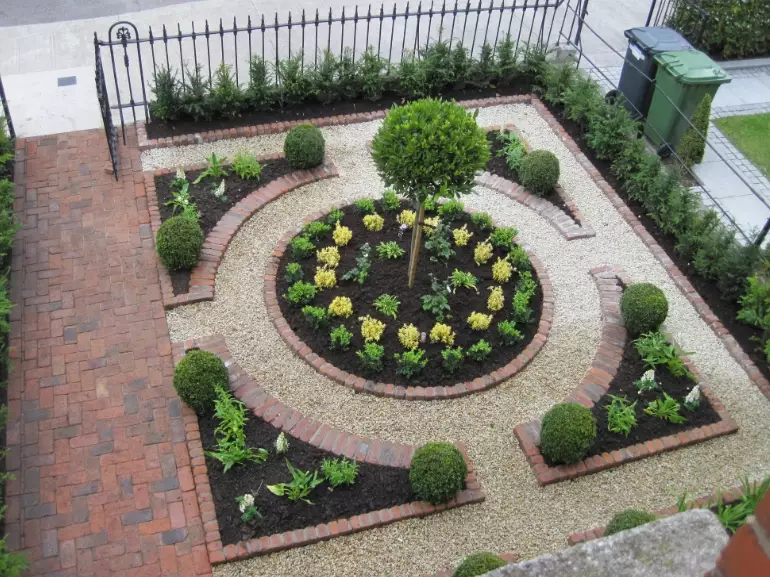
The Nitty-Gritty: Layout, Zones, and Flow
This is where your garden design garden starts to take real shape on paper. Think about creating "rooms" outdoors. Just like a house, a good garden has a logical flow between public and private areas, and between different functions.
The area closest to the house is your "primary living room." This is often a patio or deck for dining and lounging. It should feel like a seamless extension of your indoor space. Then, you might have a "working zone" for compost bins, the shed, or the veggie patch—best placed in a sunnier, more utilitarian spot, perhaps screened by a trellis. A "play zone" for kids or pets needs soft landing surfaces (lawn, mulch) and visibility from the house. A "quiet zone" for reading could be tucked away at the end of a path.
How do you connect these zones? Paths. A path isn't just for getting from A to B; it guides the eye and the foot. A wide, straight path made of pavers feels formal and direct. A meandering path of stepping stones or bark chips through planting beds feels exploratory and gentle. In my small garden, a curving gravel path makes the space feel much larger than it is—it forces you to slow down and look around the bend.
The Backbone: Plants That Work All Year
Planting is where many garden design garden plans fall apart. We get seduced by flowers and forget about structure. The trick is to build layers, starting with the biggest elements and working down.
First, the trees and large shrubs. These are your garden's architecture. They give height, privacy, and year-round presence. An evergreen tree or two provides a green anchor in winter. A deciduous tree offers summer shade and beautiful autumn color.
Next, the shrubs and smaller woody plants. This is the muscle of your border, providing bulk and form. Mix evergreens (like boxwood, skimmia) with deciduous shrubs that have great stem color or berries for winter interest (red-twig dogwood, winterberry holly).
Then, the perennials. These are the show-stoppers that come and go with the seasons. The secret to a non-stop garden design garden is succession planting. Choose plants that bloom in spring, summer, and fall. Don't forget foliage plants like hostas, heucheras, and ferns—they provide texture and color even when not in flower.
Finally, the ground layer: low-growing plants, bulbs, and annuals. Bulbs like snowdrops, crocus, and tulips give an early spring boost. Annuals (petunias, zinnias, cosmos) are fantastic for filling gaps and adding instant, season-long color where needed.
Here’s a simple table to help you think about plant choices based on common garden conditions—a practical tool I wish I had when I started.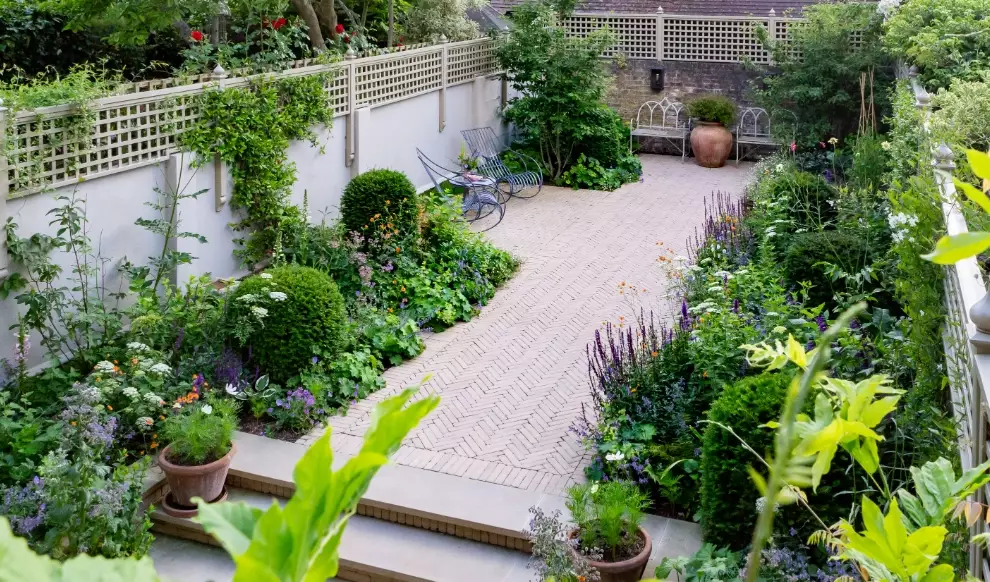
| Condition/Goal | Plant Type/Strategy | Example Plants (North Temperate Climate) |
|---|---|---|
| Full Sun & Dry Soil (Drought-tolerant/Low-water) |
Mediterranean herbs, Succulents, Prairie natives | Lavender, Rosemary, Sedum 'Autumn Joy', Purple Coneflower, Russian Sage |
| Shady & Damp (Woodland feel) |
Ferns, Hostas, Shade-tolerant perennials | Japanese Painted Fern, Hosta varieties, Astilbe, Heuchera, Bleeding Heart |
| Attract Pollinators (Bees, Butterflies) |
Native flowering plants, Single-petal flowers | Milkweed (for Monarchs), Bee Balm, Salvia, Joe-Pye Weed, Liatris |
| Year-Round Structure (Winter interest) |
Evergreens, Ornamental Grasses, Plants with Berries or Bark | Boxwood, Blue Fescue grass, Winterberry Holly, Red-Twig Dogwood, Birch trees |
| Fast Screening (Quick privacy) |
Fast-growing shrubs/bamboo (use clumping types!), Vines on trellises | Arborvitae 'Green Giant', Clumping Bamboo (Fargesia), Clematis, Fast-growing annual vines like Hyacinth Bean |
Remember, the right plant in the right place is the golden rule of a successful garden design garden. A sun-loving lavender will be leggy and sad in deep shade, no matter how much you baby it.
More Than Just Plants: The Hardscape Elements
Hardscape is the non-living stuff: patios, walls, fences, arbors, water features. It's the framework that holds your planting together. Choosing materials is crucial for both aesthetics and budget.
For paving, natural stone (flagstone, slate) is beautiful but expensive. Concrete pavers offer a huge range of styles at a lower cost. Gravel is the most budget-friendly and drains well, but it needs edging to contain it and isn't great for high-traffic dining areas.
Walls and fences define boundaries. A painted wooden fence gives a clean, modern look. A natural cedar fence ages to a silvery grey. Brick or stone walls are classic and permanent but are a significant investment.
Vertical elements are space-savers, especially in small gardens. Trellises, obelisks, and arbors add height and support climbing plants like roses, clematis, or even edible beans and cucumbers. They draw the eye upward, making the garden feel larger.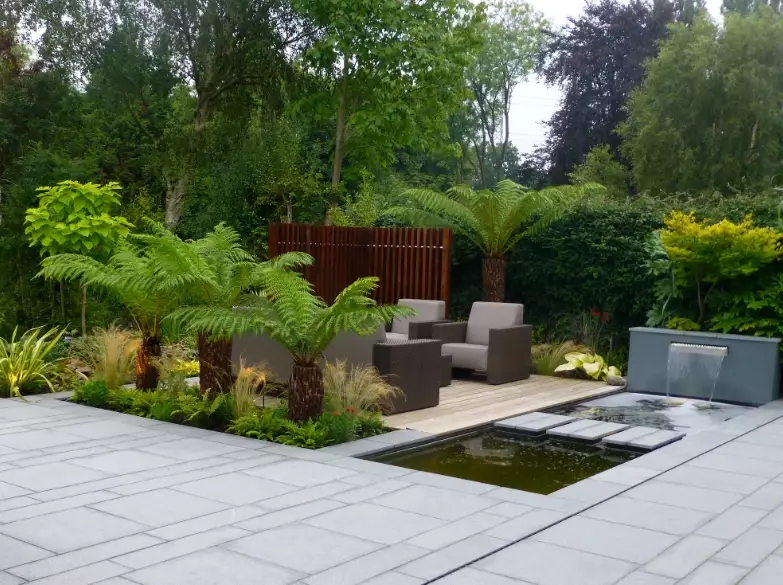
Working With Nature, Not Against It: The Sustainable Mindset
A modern garden design garden should be part of the ecosystem. This isn't just "green" talk; it's practical. Sustainable practices save you time, money, and resources.
Start with your soil. It's the foundation of everything. Get a soil test—your local cooperative extension office (like the one linked via the USDA's National Institute of Food and Agriculture) often offers cheap or free tests. Knowing your soil's pH and nutrient levels tells you what to add, so you're not fertilizing blindly.
Compost is garden gold. It improves soil structure, retains moisture, and feeds plants slowly. Start a compost pile for kitchen scraps and garden waste. It's shockingly easy.
Water wisely. Group plants with similar water needs together (this is called hydrozoning). Install a drip irrigation system or soaker hoses for beds—they deliver water directly to the roots with far less evaporation and waste than sprinklers. Water deeply and less frequently to encourage deep roots.
Choose native plants. They are adapted to your local rainfall, pests, and soil, so they need less coddling. They also support local birds and insects far better than many exotic ornamentals. The Lady Bird Johnson Wildflower Center's Native Plant Database is an incredible resource for finding natives suited to your specific region.
Rethink the lawn. A perfect, emerald-green carpet is a water and chemical hog. Can you reduce its size? Replace part of it with a ground cover, a perennial meadow mix, or a simple gravel garden with decorative grasses? Even switching to a drought-tolerant grass mix can make a huge difference.
Budgeting Your Dream: A Realistic Breakdown
Let's talk money. A garden design garden can cost anywhere from a few hundred dollars (DIY, seeds, small plants) to tens of thousands. The biggest costs are usually hardscape (patios, walls) and large, mature plants. You can save a fortune with patience and smart choices.
Do the heavy lifting yourself if you're able. Site preparation (clearing, digging) is labor-intensive but saves on contractor fees. Buy smaller plants. A gallon-sized perennial will catch up to a more expensive 5-gallon size in a season or two. Grow from seed. It's slower but incredibly cheap for annuals, veggies, and some perennials. Split costs with friends—buy a bulk bag of mulch or compost and share it.
Here’s a rough idea of where the money goes. This isn't a quote, just a guide to set expectations.
| Project Element | Budget-Friendly Approach | Premium Approach | My Recommendation |
|---|---|---|---|
| Patio/Paving | Gravel with sturdy edging; DIY concrete pavers | Professionally installed natural stone (bluestone, sandstone) | Start with a gravel seating area. It's forgiving for DIY and you can always pave over it later. |
| Soil Improvement | Make your own compost; Buy bulk compost/topsoil | Custom soil blends delivered | Never skimp on soil. Good soil makes everything else easier. Buy in bulk. |
| Plants | Smaller sizes (plugs, 1-gallon); Seeds; Plant swaps | Large, instant-impact specimen trees/shrubs (15-gallon+) | Be patient. Buy small for perennials and shrubs. Splurge on one or two key "focal point" plants. |
| Fencing/Screening | Basic wooden fence panels; Fast-growing bamboo in pots | Custom cedar or composite fencing; Masonry walls | Use plants as your primary screen. A trellis with fast-growing vines (like hops or morning glory) gives quick, cheap privacy. |
Phase your project. You don't have to do it all in one year. Year One: clear the site, improve the soil, lay out paths, plant the trees and backbone shrubs. Year Two: build the patio, add the perennial layers. This spreads the cost and labor.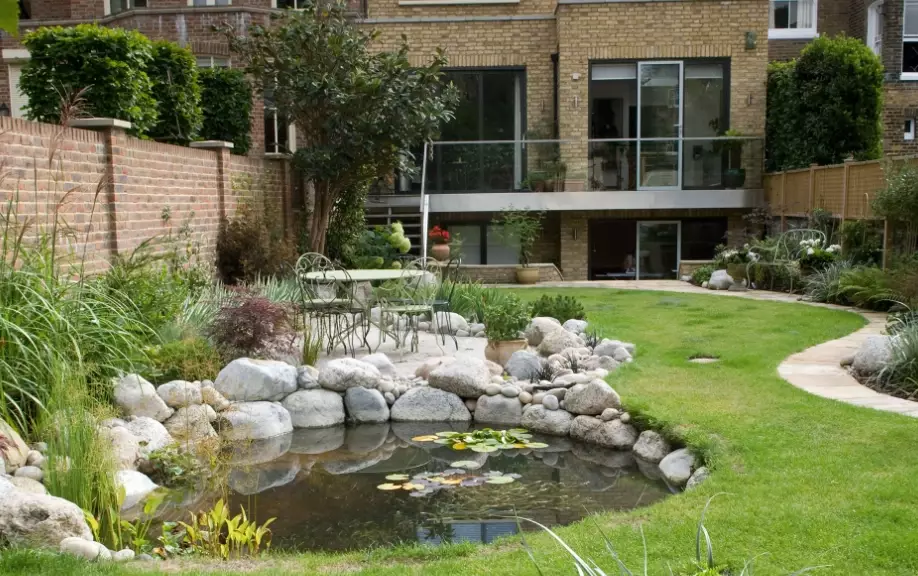
Answers to the Questions You're Probably Asking
I get a lot of the same questions from friends starting their gardens. Here are the straight answers.
How much time will it take to maintain?
It depends entirely on what you plant. A lawn, annual beds, and thirsty roses? Several hours a week. A garden designed with drought-tolerant perennials, shrubs, and mulch? Maybe an hour a week for weeding and deadheading, plus a bigger cleanup in spring and fall. The initial time investment in planning and proper planting pays off massively in reduced maintenance.
I have a tiny yard/balcony. Is it even worth it?
Absolutely! Some of the most charming gardens are small. The principles are the same: define your purpose, choose a style, use vertical space, and select plants wisely. In a tiny space, every plant must earn its keep—look for multi-season interest. Container gardening is your friend. You can create a whole garden design garden in pots.
What's the one thing I shouldn't skimp on?
Soil preparation. Amending poor soil with compost is boring, unglamorous work, but it's the single most important factor in plant health. Healthy plants resist pests and diseases better, grow more vigorously, and need less fertilizer and water. Don't just dig a hole and drop a plant in. Improve the entire bed.
How do I deal with pests without harsh chemicals?
First, identify the pest. Is it really causing damage, or is it just a few holes in a leaf? A healthy garden has a balance. Encourage predators: birds eat caterpillars, ladybugs and lacewings eat aphids. A strong blast of water from a hose knocks many pests off plants. For persistent problems, use targeted organic solutions like insecticidal soap or neem oil, applied directly to the pest. Often, the problem is a plant in the wrong place (stressed plants attract pests).
I'm not creative. Can I still design a good garden?
Yes! Creativity here is less about artistic genius and more about problem-solving and research. Use online tools like garden planning apps to play with layouts. Copy planting combinations you see and like in parks, botanic gardens, or even your neighbor's yard (ask first!). The process of creating a garden design garden itself will spark your creativity in ways you don't expect.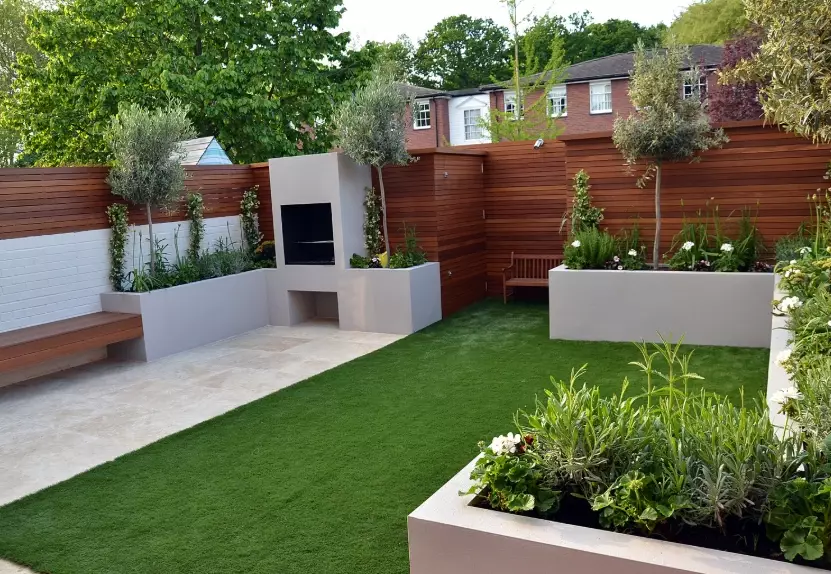
Wrapping It Up: Your Garden Is a Journey
Look, your garden will never be "finished." And that's the point. It's a living, changing project. Plants will grow, some will die, your tastes will evolve. The goal of a garden design garden isn't perfection. It's creating a space that brings you peace, joy, and a connection to the natural world right outside your door.
Start with that one step. Observe your space. Make a sketch. Visit a local nursery (not a big box store) and talk to the staff—they know what grows well in your area. Pick one small area to transform this season. Maybe it's just the strip of soil along your front walk. Do it well, learn from it, and then move to the next area.
The most important element in any garden design garden is you. Your time, your energy, your vision. Don't get paralyzed by the idea of a perfect master plan. Get outside, get your hands dirty, and have fun with it. The weeds will always be there tomorrow.
Reader Comments