Jump to What You Need
Let's cut to the chase. Growing asparagus isn't like planting tomatoes. It's a commitment. You'll wait years for a full harvest, but once established, a single bed can produce for two decades. I remember my first attempt—I planted the crowns too deep, watered too much, and almost gave up. But now, every spring, I get armfuls of spears without much fuss. If you're willing to play the long game, here's how to do it right.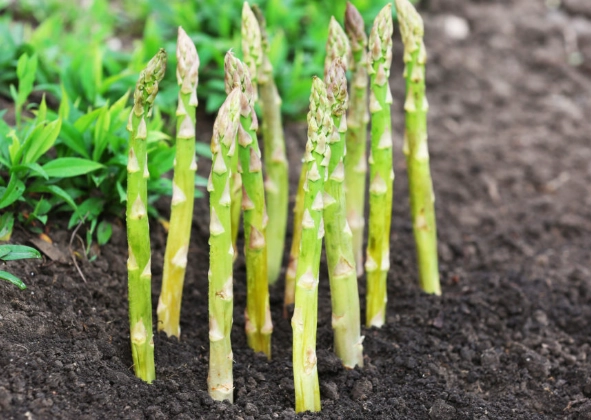
Why Bother with Asparagus? The Long Game
Most vegetables are annuals. You plant, harvest, and repeat. Asparagus is a perennial. Plant it once, and with minimal care, it comes back year after year. The initial investment of time and space pays off big time. Think of it as a retirement fund for your garden. Plus, homegrown asparagus tastes nothing like store-bought. It's sweeter, crisper, and you can pick it at peak freshness.
But here's the catch: asparagus needs full sun and well-drained soil. If your garden is shady or soggy, you might struggle. I've seen people try to force it in poor conditions, only to get spindly spears. So, assess your space honestly. A sunny, raised bed can work wonders.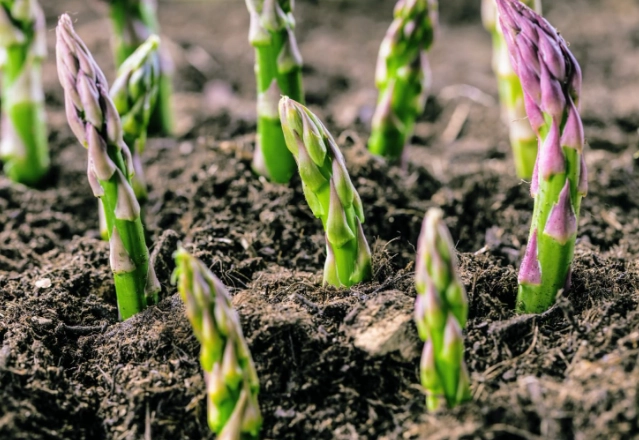
Picking the Spot and Prepping Soil
Location is everything. Asparagus hates wet feet. Choose a spot with at least 8 hours of direct sun. Avoid low areas where water pools. If you're stuck with heavy clay soil, don't panic. Raised beds are your friend. I built mine 12 inches high, filled with a mix of compost, topsoil, and sand. It made all the difference.
Soil Testing and Amendments: Don't Skip This
Soil pH should be between 6.5 and 7.5. Slightly alkaline is better. Test your soil—kits are cheap, or check with local extension services for free options. If it's too acidic, add lime. Too alkaline, add sulfur. But go slow. I once over-limed and had to wait a season to correct it.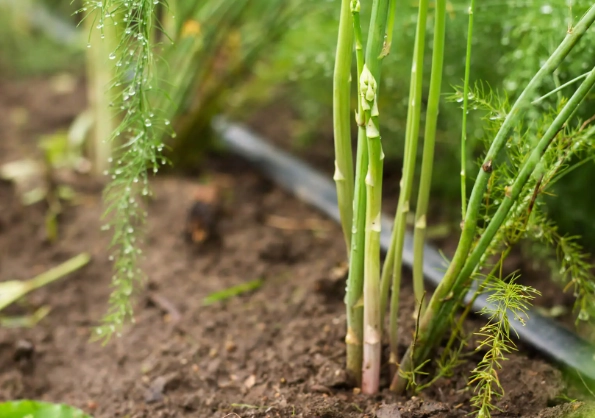
Incorporate organic matter. Compost or well-rotted manure, about 3 inches deep, worked into the top 12 inches. This improves drainage and fertility. Synthetic fertilizers can burn young roots, so I avoid them at planting. A balanced organic fertilizer, like a 5-10-10 blend, can be mixed in lightly.
Planting Asparagus Crowns: Get It Right
Spring is the best time, after the last frost. You can start from seeds, but that adds years. Crowns (dormant roots) are faster. Buy from reputable nurseries—I've had bad luck with bargain bin crowns that were dried out.
The Depth Trap: How Not to Kill Your Crowns
This is where most beginners fail. Dig a trench 6-8 inches deep and 12 inches wide. Space crowns 18 inches apart in rows 3 feet apart. Place crowns in the trench with roots spread out. Now, here's the critical part: cover with only 2 inches of soil. Yes, just 2 inches. As spears grow, fill in the trench gradually over the season. Burying them deep initially leads to rot. I learned this the hard way—my first bed had half the crowns rot because I covered them all at once.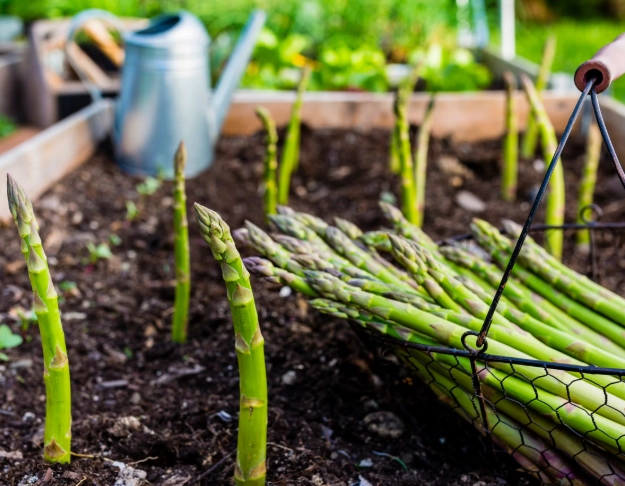
Water lightly after planting. Keep soil moist but not soggy. Mulch with straw to retain moisture and suppress weeds.
Care Through the Seasons
Asparagus is low-maintenance once established, but the first few years need attention.
Watering: Less is More
Deep, infrequent watering is key. Once a week, give it a good soak if there's no rain. Overwatering promotes root diseases. I use a drip irrigation system to target the roots without wetting the foliage. In dry spells, watch for wilting—but asparagus is drought-tolerant once mature.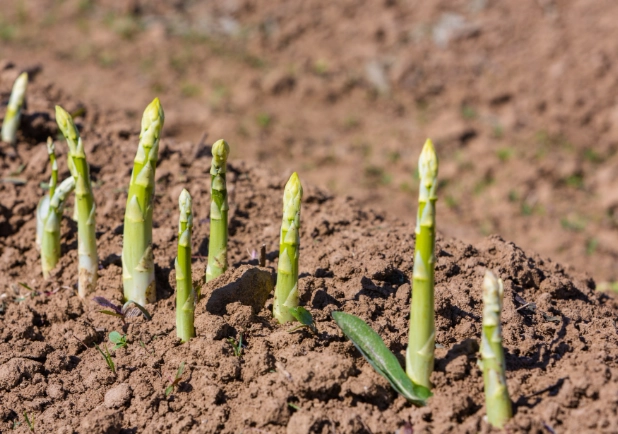
Feeding: Organic vs. Synthetic Debate
In early spring, side-dress with compost or a balanced organic fertilizer. Avoid high-nitrogen fertilizers; they encourage fern growth at the expense of spears. I prefer compost tea—it's gentle and improves soil biology. Synthetic options work, but they can salt the soil over time. Your call.
Weed control is crucial. Asparagus competes poorly with weeds. Hand-pull or use a shallow hoe. Mulch heavily with straw or wood chips.
Handling Pests and Diseases
Asparagus beetles are the main pest. They're small, black or spotted, and they munch on spears and ferns. I check plants daily in spring. Hand-pick them and drop in soapy water. Encourage birds and ladybugs—they're natural predators.
Preventing Asparagus Rust and Fusarium
Rust shows as orange pustules on ferns. Improve air circulation by spacing plants properly. Remove infected ferns in fall. Fusarium wilt causes yellowing and stunting. There's no cure, so prevention is key: plant resistant varieties like 'Jersey Knight' or 'Millennium', and avoid planting in infected soil.
I've found that healthy plants resist pests better. So, focus on soil health and proper nutrition.
Harvesting and Storing Your Crop
Patience pays off. Don't harvest the first year. Let the ferns grow to feed the roots. In year two, harvest for 2-3 weeks. By year three, you can harvest for 6-8 weeks in spring.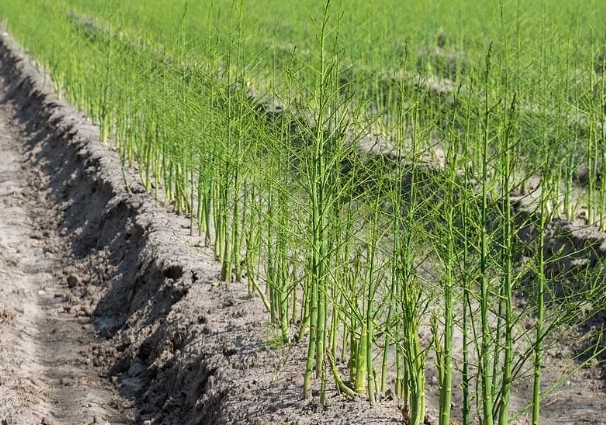
Cut spears when they're 6-8 inches tall, using a sharp knife at soil level. Stop when spears thin to pencil size. After harvest, let ferns grow to recharge the plants.
Fresh asparagus lasts about a week in the fridge. Wrap ends in a damp paper towel. For longer storage, blanch and freeze. I freeze mine on baking sheets before bagging to prevent clumping.
Reader Comments