Getting the timing right for planting carrots is the difference between pulling up sweet, crunchy, perfectly formed roots and harvesting a disappointing bunch of woody, forked, or stunted nubs. It's not just about a date on a calendar. I've seen too many gardeners, eager for spring, toss seeds into cold mud and wonder why nothing happens. The truth is, carrots have their own quiet schedule, dictated by soil, not seasons marked on a wall. Let's cut through the guesswork.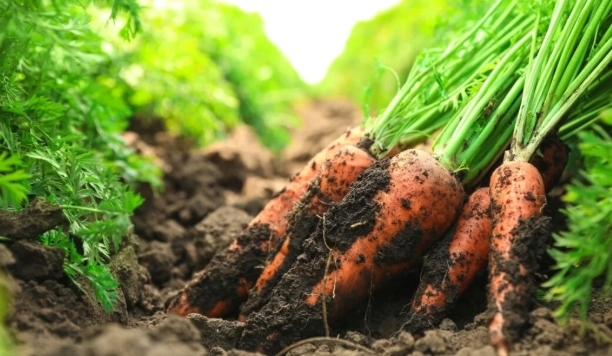
Your Carrot Planting Roadmap
How Soil Temperature Dictates Carrot Success
Forget the air temperature for a second. Carrot seeds germinate in the soil, and that's the environment that matters. Think of it like this: would you plant a seed in a fridge? Probably not. But planting in soil below 50°F (10°C) is essentially the same thing.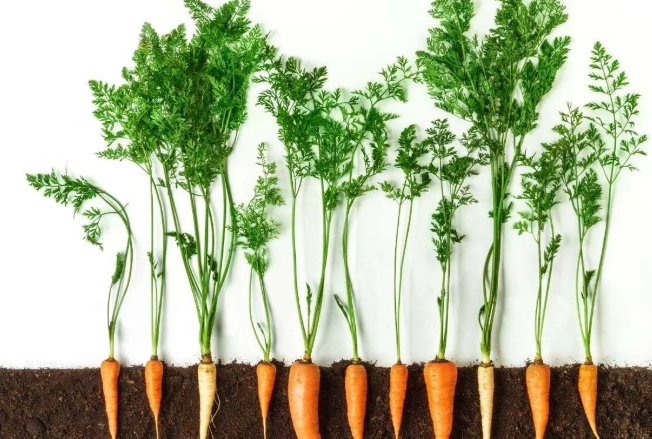
The magic range for carrot germination is between 55°F and 75°F (13°C - 24°C). At the lower end of that range, germination is slow, taking up to three weeks. At the ideal 70-75°F, you might see sprouts in as little as 7-10 days. Go outside that range, and problems start.
Here's the subtle error most guides don't stress enough: It's not just about the seed sprouting. Even if a carrot seed germinates in cool soil, the seedling's growth is sluggish. This extended period of vulnerability makes it easy prey for soil-borne fungi (damping-off) and gives weeds a huge head start. You're not just waiting longer; you're risking the entire crop's health from day one.
How do you check? Don't guess. A simple soil thermometer, plunged about 2-3 inches deep, is your best friend. Take the reading in the morning for a true sense of the soil's baseline temperature. If you don't have one, an old gardener's trick is to stick your bare finger into the soil. If it feels uncomfortably cold to the touch and holds together in a wet clump, it's too cold and wet. If it feels cool but crumbles easily, you're likely in the clear.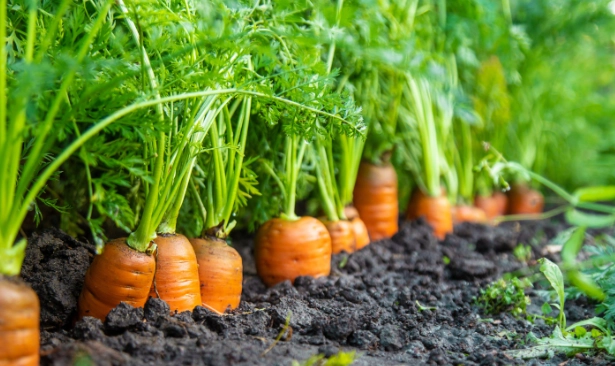
Finding Your Perfect Spring Planting Window
Spring planting is the classic approach, but "spring" is a vague term. We need to define it by conditions.
The standard advice is to plant carrots 2-4 weeks before your last average spring frost date. This is a decent starting point, but it's a guideline, not a rule. In heavy clay soils that stay cold and wet, lean toward the 4-week mark or even wait until right *after* the last frost. In lighter, sandy soils that warm up quickly, you can push closer to 2-3 weeks before.
My personal method? I use the last frost date as a bookmark, but I start actively checking my soil temperature about a week after that date. Often, the soil is still too cold on the "official" planting day. I'd rather wait an extra 7-10 days for warm soil than waste seeds and time.
What to Watch For in Spring
Besides temperature, observe nature's cues. When the forsythia bushes finish blooming and dandelions start popping up in your lawn, the soil is usually warming up nicely. Another sign is when you can comfortably work the soil without it sticking to your tools in big globs.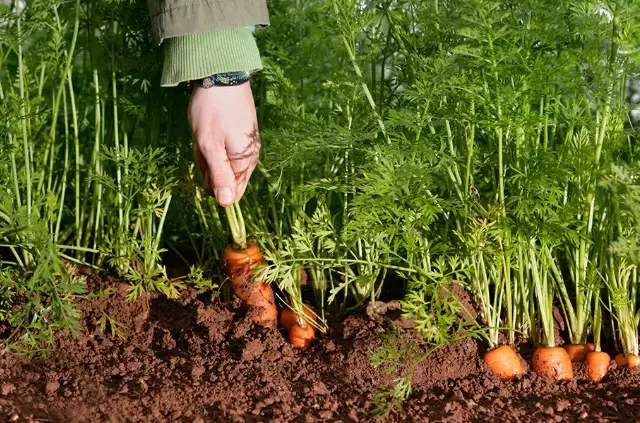
Succession Planting Tip: Don't sow all your carrot seeds at once. Make your first planting when conditions are perfect. Then, every two to three weeks, sow another short row. This staggers your harvest over months, preventing a giant glut of carrots all ready at the same time. Stop planting about 6-8 weeks before your average daytime temperatures consistently hit 80°F (27°C), as heat will stunt root development.
The Often-Ignored Secret of Fall Planting
If you've only planted carrots in spring, you're missing out on what many experienced gardeners consider the *best* carrot crop. Fall-planted carrots mature in cooling soil, which triggers the plant to convert starches into sugars. The result? Carrots that are incredibly sweet and crisp.
The logic flips for fall planting. Instead of counting forward from last frost, you count backward from your first average fall frost.
Here's the calculation: Most carrot varieties need 70-80 days to mature. For a full-sized harvest, aim to plant seeds 10-12 weeks before your first fall frost. The soil is warm, so germination is rapid and uniform. You'll also dodge the worst of the carrot rust fly, whose main cycle is in spring and early summer.
But here's a pro move: You can plant even later for a different purpose. Sow seeds 6-8 weeks before the first frost. These carrots won't reach full size before growth slows, but you'll harvest delicious, tender baby carrots. Furthermore, carrots are semi-hardy; a few light frosts actually improve their flavor. You can often leave them in the ground well into winter under a thick layer of straw mulch and harvest them as needed, even from under the snow.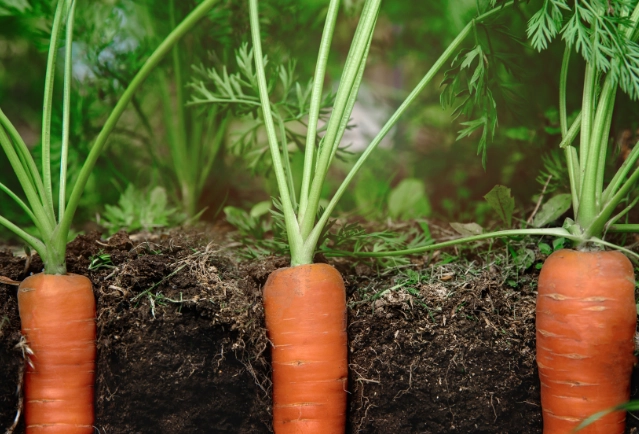
A Simple Regional Planting Calendar
To make this actionable, here’s a framework based on general USDA Plant Hardiness Zones. Remember, your microclimate (like a sunny south slope vs. a shady north side) can shift these by a week or two. Always use soil temperature as your final check. You can find your precise frost dates using tools from sources like the USDA Plant Hardiness Zone Map or your local university extension service.
| Region (USDA Zone Examples) | Optimal Spring Planting Window | Optimal Fall Planting Window | Key Consideration |
|---|---|---|---|
| Cool North (Zones 3-5) | Late April - Late May | Late July - Early August | Short growing season. Focus on quick-maturing (60-70 day) varieties for fall. Spring planting can be rushed by summer heat. |
| Temperate (Zones 6-7) | Mid-March - Mid-April | Early August - Early September | The sweet spot for two full crops. Long, cool springs and falls are ideal. |
| Warm/Winter-Mild (Zones 8-9) | February - March | September - October | Spring planting must be very early to mature before summer heat. Fall is the primary, extended season. Can grow carrots through mild winters. |
| Hot South (Zones 10+)/Very Mild Winters | Fall, Winter, Early Spring | October - November | Summer heat is the enemy. Grow carrots in the coolest months. Plant in late fall for a winter harvest. |
3 Critical Timing Mistakes and How to Avoid Them
Getting the window right is half the battle. Avoiding these pitfalls within that window is the other half.
Mistake 1: Planting in unprepared soil. Even on the perfect day, if your soil is rocky, clumpy, or full of fresh manure, your carrots will fork, split, or become "hairy." Carrot roots need loose, fine, well-draining soil to push straight down. Take the time a week or two before planting to work the soil deeply, remove stones, and break up clods. Add well-rotted compost, not fresh fertilizer.
Mistake 2: Sowing seeds too deep. Carrot seeds are tiny. They have limited energy to push to the surface. Planting them more than 1/4 to 1/2 inch deep is a death sentence, especially in heavier soils. I barely cover them with a fine sprinkling of soil or vermiculite. Keeping the seedbed consistently moist (not soggy) until germination is non-negotiable. A light board or burlap over the row can help retain moisture—just remove it as soon as you see sprouts.
Mistake 3: Ignoring the heat horizon. You planted at the right time, but did you check what the weather will be like 60 days from now? If a heatwave is forecast for when your carrots are in their crucial root-bulking phase, they'll get stressed. In hot climates, choose heat-tolerant or shorter varieties. Use shade cloth if an unexpected hot spell hits. This forward-thinking separates okay gardeners from great ones.
Your Carrot Timing Questions, Answered
Timing your carrot planting isn't about finding one perfect date. It's about understanding a season—a window of opportunity defined by cool soil at the start and cool weather at the finish. Master that rhythm, and you'll never have a season without a harvest of perfect, homegrown carrots.
Reader Comments