Quick Guide
- Why Bother Germinating Your Own Seeds Anyway?
- The Secret Life of a Seed: What's Happening in There?
- Before You Start: The Pre-Germination Checklist
- The 5 Best Methods for Germinating Seeds (Pick Your Favorite)
- The Top 3 Reasons Your Seeds Aren't Germinating (And How to Fix It)
- From Sprout to Seedling: The Critical First Week
- Common Questions About Germinating Seeds (Answered)
- Leveling Up: Pro Tips for Faster, Healthier Germination
- Beyond the Basics: Germinating Seeds for Hydroponics and Microgreens
- Wrapping It Up: Your Seeds Are Waiting
Let's be honest. Germinating seeds can feel like a magic trick you're never quite sure you've mastered. You bury this tiny, lifeless-looking speck in some dirt, add water, and hope. Sometimes, a little green miracle pushes through. Other times... nothing. Just a pot of damp soil and disappointment.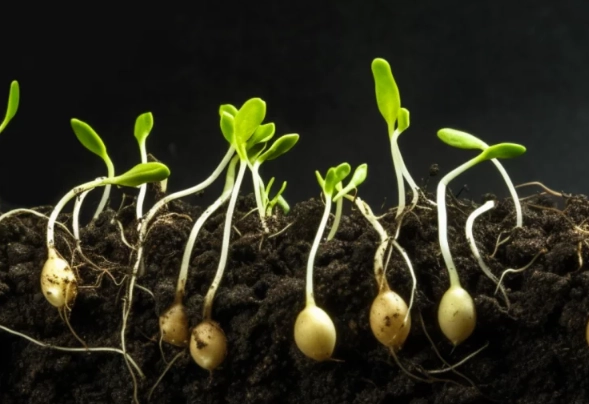
I've been there. My first attempt at germinating tomato seeds ended with a fuzzy, moldy mess. Not a single sprout. It was frustrating enough to make me want to stick with buying seedlings from the garden center forever.
But here's the thing. Once you understand what's actually happening inside that seed and what it truly needs from you, the whole process stops being a guessing game. It becomes predictable, even easy. You get to choose from hundreds of plant varieties you'll never find at a store. The cost savings are insane. And the satisfaction? Unbeatable.
This guide is everything I wish I'd known when I started. We're going to strip away the complexity and look at germinating seeds for what it is: a simple biological process you can easily support. No fancy degrees required.
Why Bother Germinating Your Own Seeds Anyway?
Buying a six-pack of seedlings is easier, right? Sure. But germinating your own seeds opens up a whole different world.
Think about choice. Garden centers carry maybe a dozen tomato varieties. Seed catalogs have thousands. Want a purple carrot? A striped beet? A tiny cucumber perfect for pickling? You'll only find those by germinating the seeds yourself.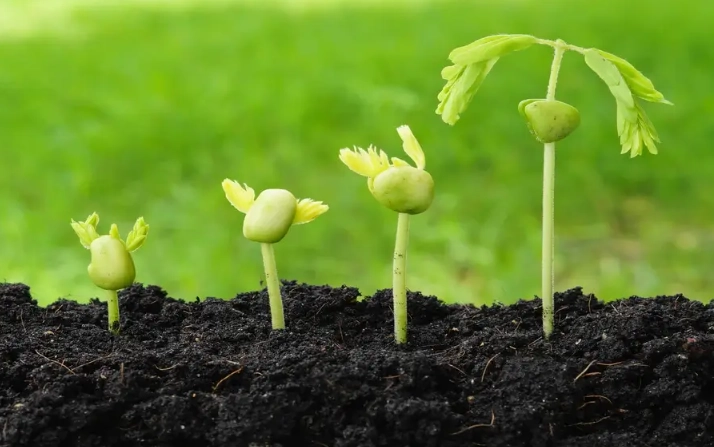
Then there's cost. A packet of 50 seeds costs about the same as two or three starter plants. The math speaks for itself.
But beyond variety and savings, there's control. You control the soil, the water, the entire environment from day one. No worries about what pesticides were used on a nursery plant or if it's already stressed from being shipped around. When you're germinating seeds at home, you know exactly what you're getting.
The Secret Life of a Seed: What's Happening in There?
To germinate seeds successfully, it helps to know what you're asking them to do. A seed isn't just a plant in a tiny package. It's more like a hibernating astronaut with a packed lunch.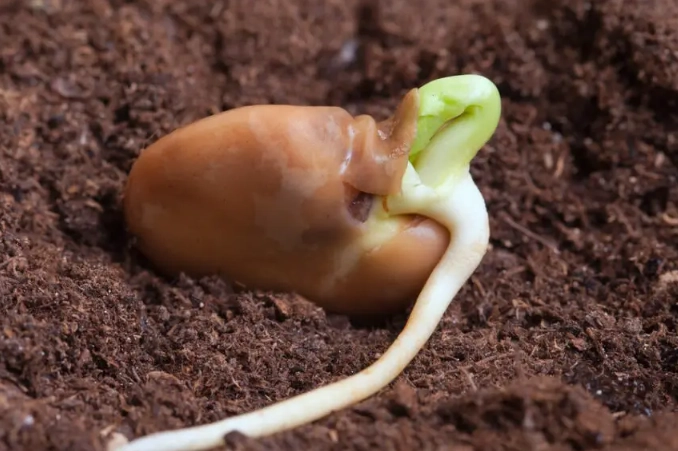
Inside that hard shell is an embryo (the baby plant) and endosperm (its stored food). The seed coat protects everything. For germination to start, the seed needs to get a clear, three-part signal from the outside world: water, the right temperature, and often, oxygen.
Water is the wake-up call. It softens the seed coat and triggers the embryo to start metabolizing its stored food.
Temperature tells the seed the season is right. Too cold, and it stays dormant. Too hot, and it might cook or dry out.
This is the core of the seed germination process. It's biology, not magic. Once you provide these signals consistently, the seed pretty much has to grow.
Before You Start: The Pre-Germination Checklist
Jumping straight in is how I made that moldy tomato mistake. A little prep makes all the difference.
1. Seed Quality and Age
Not all seeds are created equal. Freshness matters. Most vegetable seeds are viable for 2-5 years if stored well, but germination rates drop over time. I made a chart based on data from the USDA Forest Service on typical seed longevity under good storage conditions.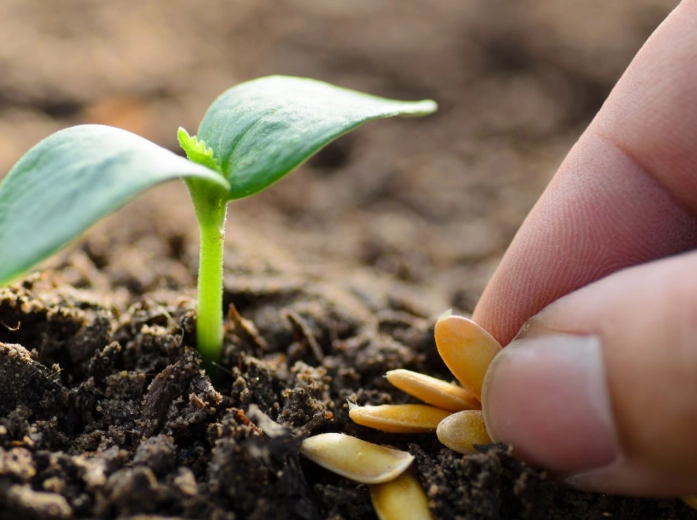
| Seed Type | Typical Viable Lifespan (Years) | Germination Rate Decline Note |
|---|---|---|
| Onion, Parsley | 1-2 | Drops sharply after year 1. |
| Corn, Pepper | 2-3 | Reliable for 2 years, test after. |
| Bean, Tomato, Pea | 3-4 | Often good for 4+ years if stored cool/dry. |
| Cucumber, Melon | 5-6 | Can remain viable for a surprisingly long time. |
If you have old seeds, do a quick germination test. Place 10 seeds on a damp paper towel, seal it in a plastic bag, and see how many sprout in a week. If 7 out of 10 sprout, you have a 70% germination rate. Plant extra.
2. To Soak or Not to Soak?
This is a classic debate. Soaking seeds before planting can speed up germination by softening the seed coat and jump-starting water absorption. It's not mandatory, but it's helpful for seeds with very hard coats.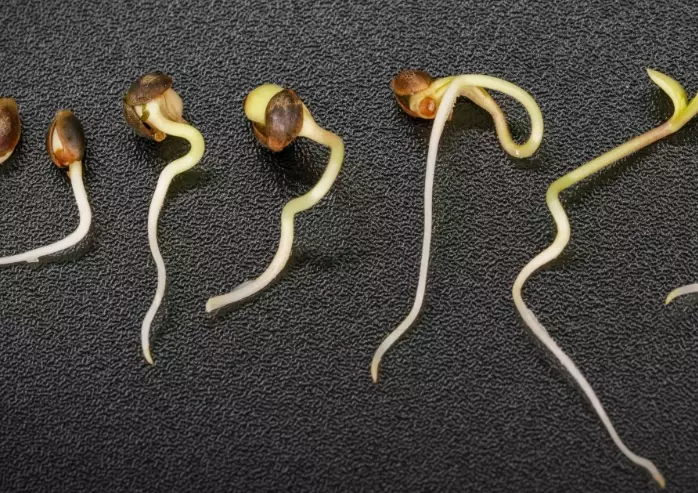
Good candidates for soaking: peas, beans, corn, nasturtiums, chard, beets.
Soak in warm (not hot) water for 8-12 hours, no longer. If you forget them for a day, they can drown or start to rot. Don't ask me how I know.
Seeds NOT to soak: tiny seeds like lettuce, carrots, tomatoes. They're a nightmare to handle when wet and can clump together.
3. The Right Medium: It's Not Just Dirt
Garden soil is usually a terrible choice for germinating seeds indoors. It's too dense, can harbor diseases, and doesn't hold moisture evenly.
You want a "soilless seed-starting mix." It's light, fluffy, sterile, and holds water well. The key ingredients are usually peat moss or coco coir, vermiculite, and perlite. You can buy a bag or make your own.
The 5 Best Methods for Germinating Seeds (Pick Your Favorite)
There's no single "best" way. The best method depends on the seed, your space, and honestly, your personality. Let's break them down.
Method 1: The Classic Tray Method
This is the workhorse for most gardeners. You fill cells or trays with moist mix, plant the seeds, cover lightly, and wait.
How deep to plant? A general rule is 2-3 times the seed's diameter. Tiny seeds (like lettuce) just need a light dusting of mix on top. A big bean seed gets planted about an inch deep.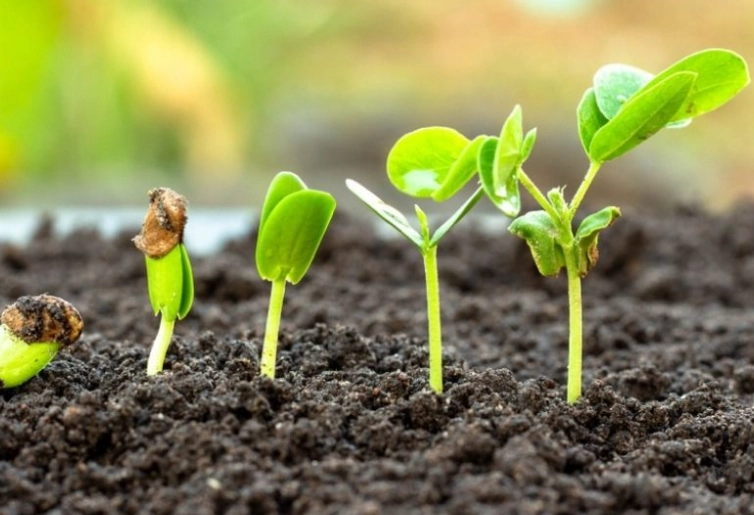
The biggest mistake here is overwatering after planting. You've already pre-moistened the mix. After planting, you can gently mist the surface. Then, cover the tray with a clear plastic dome or a loose plastic bag. This creates a mini-greenhouse, keeping humidity high so the surface doesn't dry out.
Check daily. The moment you see the first green speck, take that cover off! Leaving it on leads to weak, leggy seedlings and fungal diseases.
Method 2: The Paper Towel (Baggy) Method
This is fantastic for testing germination or for seeds that need a long, warm period to sprout (like peppers). You see the roots emerge, which is pretty cool.
Lay seeds on a damp (not dripping) paper towel. Fold it over, slide it into a ziplock bag, and seal it. Label it. Put it somewhere warm, like on top of the refrigerator.
The downside? You have to handle the delicate, newly germinated seeds very carefully when transferring them to soil. Use tweezers, and plant them immediately once the root (radicle) emerges.
Method 3: Direct Sowing
For many plants, especially those that don't like their roots disturbed, germinating seeds right in the garden is the way to go. Think root crops (carrots, radishes), beans, peas, corn, and squash.
The challenge is controlling the environment. The soil needs to be warm enough and stay consistently moist. A late frost can wipe everything out.
My advice? Wait a week longer than the seed packet says. Warm soil germinates seeds much faster than cool soil. You can warm the soil by covering it with black plastic a week or two before planting.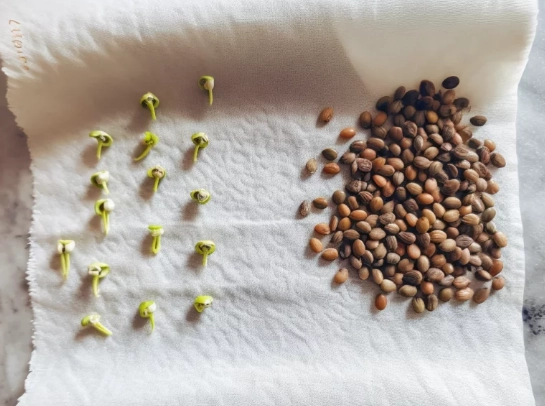
Method 4: The Heat Mat Hack
Bottom heat is a game-changer, especially for warm-season crops like tomatoes, peppers, and eggplants. Soil temperature is more important than air temperature for germination.
A seedling heat mat placed under your tray provides gentle, consistent warmth. Seeds germinate faster and more uniformly. I was skeptical until I tried it. Tomato seeds that took 10 days on my cool counter sprouted in 4 days on a mat.
Just remember to take the tray off the mat once most seeds have sprouted, or the seedlings might get too leggy.
Method 5: Winter Sowing (The Lazy Genius Method)
This one blew my mind. You sow seeds in miniature greenhouses (like milk jugs or clear containers) in late winter and leave them outside. The seeds germinate when conditions are perfect in spring. It's perfect for hardy annuals, perennials, and cool-weather veggies.
It requires almost no indoor space, no lights, and the seedlings are naturally hardened off. The University of Minnesota Extension has a great guide on winter sowing if you want the full details.
It sounds crazy, but it works incredibly well for the right plants.
The Top 3 Reasons Your Seeds Aren't Germinating (And How to Fix It)
Let's troubleshoot. If you're staring at empty pots, it's usually one of these three things.
Problem 1: Wrong Temperature
This is the silent killer. If your room is 68°F (20°C), the soil in a small pot might be 5-10 degrees cooler. Pepper seeds might just sit there indefinitely, waiting for warmth.
Fix: Get a soil thermometer. Know what your seeds need. Most common veggies want soil temps between 70-85°F (21-29°C) for fast germination. The top of the fridge, near a radiator (not on it!), or a heat mat are your best friends.
Problem 2: Inconsistent Moisture
The seed germination process is a one-way street. Once a seed absorbs water and "wakes up," it can't go back to sleep. If the soil dries out after that point, the seedling dies. Period.
On the flip side, soil that's constantly waterlogged has no air pockets. The seed suffocates and rots.
Fix: The plastic dome cover is essential for trays. For direct sowing, water deeply at planting, then cover the row with a board or burlap for a few days to retain moisture (remove it as soon as you see sprouts!). Water with a gentle mister or watering can with a rose attachment to avoid washing seeds away.
Problem 3: Planting Too Deep
Seeds contain only a finite amount of energy. If you bury a tiny lettuce seed an inch deep, it will use all its fuel trying to reach the surface and die before it gets there.
Fix: Follow the depth rule. When in doubt, err on the side of planting too shallow. You can always sprinkle a little more mix on top if needed.
From Sprout to Seedling: The Critical First Week
Congratulations! You've got sprouts. Now the real work begins. The first set of leaves you see are called cotyledons or "seed leaves." They're part of the seed's original package. The true leaves come next.
Light is now the number one priority. And I mean a lot of light. A sunny windowsill is rarely enough, especially in winter. Seedlings will stretch and become weak, spindly, and pale (this is called "legginess") as they desperately search for light.
You need a bright, artificial light source placed just 2-4 inches above the seedlings. Keep it on for 14-16 hours a day. A simple shop light with fluorescent or LED bulbs works perfectly. Raise the light as the plants grow.
Watering shifts now, too. Let the surface of the soil dry slightly between waterings. Water from the bottom by placing the tray in a shallow dish of water. This encourages deeper root growth and keeps the stems dry, preventing disease.
Common Questions About Germinating Seeds (Answered)
Leveling Up: Pro Tips for Faster, Healthier Germination
Once you've got the basics down, these little tricks can make things even smoother.
- Pre-Chill (Stratify): Some seeds, particularly perennials and native flowers, need a period of cold, moist conditions to break dormancy. Mimic winter by mixing seeds with slightly damp sand, sealing in a bag, and placing in the fridge for 4-12 weeks before planting. The Royal Horticultural Society has a good overview of this process.
- Scarify Tough Coats: For seeds with rock-hard coats (like morning glory, sweet pea), gently nick the seed coat with a file or rub it between sheets of sandpaper before soaking. This gives water a direct entry point.
- Keep Detailed Notes: Write down what you planted, the date, the method, and how long it took. This simple log is the most valuable gardening tool you'll create. Next year, you'll know exactly what works for you.
Beyond the Basics: Germinating Seeds for Hydroponics and Microgreens
The principles of germinating seeds apply to other cool projects too.
For hydroponics, you often start seeds in a sterile, inert medium like rockwool cubes. The cubes are pre-soaked in pH-adjusted water. The key is keeping them moist but not submerged—the goal is for roots to seek out the nutrient solution below.
For microgreens, you're essentially germinating seeds at incredibly high density and harvesting them just after the first true leaves appear. Speed and cleanliness are everything. You use shallow trays, sometimes just with a hemp mat or paper towel as a medium, and harvest in 7-14 days. It's a fantastic way to see the seed germination process on fast-forward.
Wrapping It Up: Your Seeds Are Waiting
Germinating seeds isn't about having a green thumb. It's about understanding a simple process and being a careful provider. You're setting the stage, not performing the play.
Start small. Pick one easy thing—like basil or zinnias—and try one method. Get that success under your belt. Feel the little thrill when the green appears.
You'll have failures. Everyone does. A batch might damp off. You might forget a tray on the heat mat. It's okay. Each one teaches you something.
The real reward isn't just the plants, though they're great. It's the connection to the whole cycle, right from the very first step. You take this tiny, dry thing, give it what it needs, and it gives you back a whole living plant. That's a kind of magic you can actually learn.
So go find a seed packet. Get your mix damp. And give it a try. Your future garden is in there, just waiting for the right signals.
Reader Comments