Quick Guide
Let's talk about basilicum plant care. You know, that amazing herb that makes your pasta sing and your caprese salad a masterpiece. I've killed my fair share of basil plants over the years, believe me. I'd bring home a vibrant pot from the store, only to watch it turn into a sad, wilted mess within weeks. Sound familiar?
It was frustrating. I thought I was following the rules. But basil, or basilicum if you want to get botanical, has its own personality. It's not the most demanding plant, but it has specific needs you can't ignore if you want a continuous supply of those fragrant leaves. After a lot of trial and error (mostly error), I finally cracked the code. Now, my basil plants are so lush they practically need a haircut every other week. I want to save you the heartache and dead plants I went through.
This guide isn't just a list of instructions. It's everything I wish I'd known from the start, packed with the nitty-gritty details that other guides gloss over. We're going deep, from the soil under its roots to the pinching of its tips. Whether you're starting from a tiny seed or rescuing a supermarket plant, this is your roadmap to basilicum success.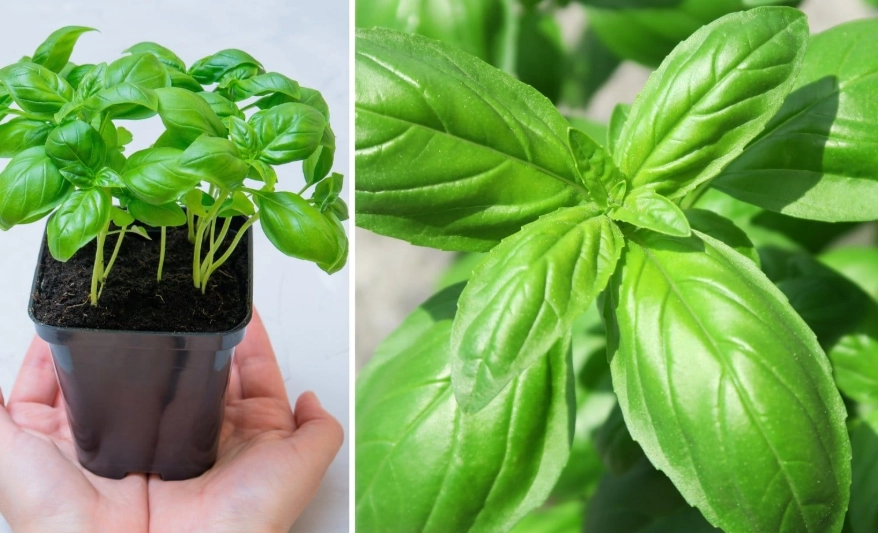
Understanding Your Basilicum Plant
First things first, what are we actually dealing with? Ocimum basilicum. It's a tender annual herb, which means it completes its life cycle in one growing season and it absolutely despises the cold. It's native to tropical regions from central Africa to Southeast Asia, which tells you a lot about what it craves: warmth and sun.
Think of it as a sunbathing diva that also loves a good drink. Its entire purpose, from the plant's perspective, is to grow fast, flower, set seed, and call it a day. Our job in basilicum plant care is to keep it in the vegetative, leafy stage for as long as possible. Once it starts putting energy into flowers, leaf production slows down and the flavor can turn bitter.
There are tons of varieties out there, each with a slightly different personality. Sweet Genovese is the classic for pesto. Thai basil has a licorice kick and is tougher in heat. Purple basil is stunning in salads. Lemon basil is, well, lemony. The core principles of care are the same, but knowing your type helps. A Greek basil plant is naturally more compact, while a Genovese wants to be a big, bushy beast.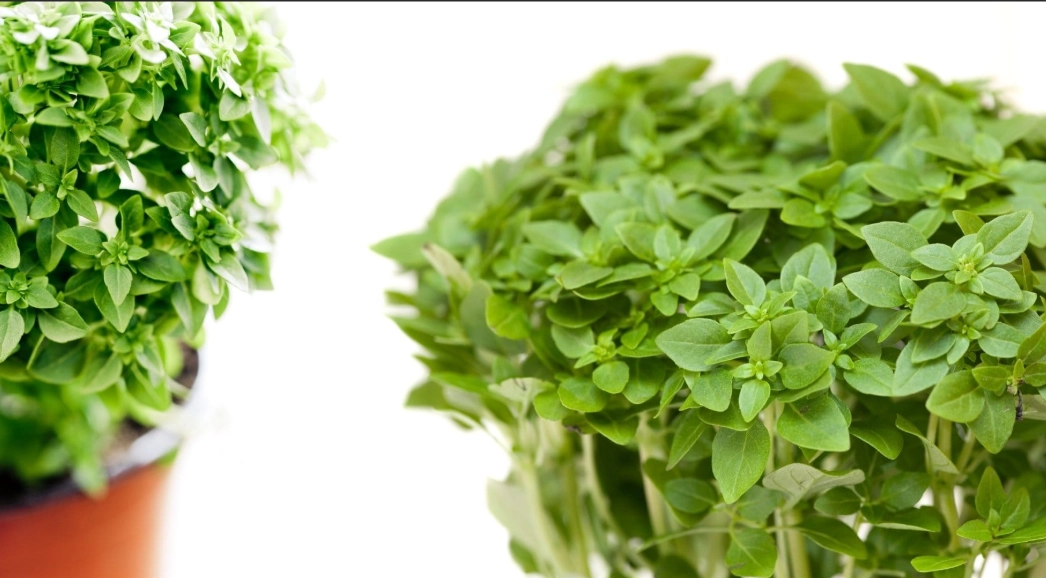
What Does a Happy Basil Plant Look Like?
Deep green, perky leaves. Stems that are sturdy, not leggy or floppy. Constant new growth at the junctions where leaves meet the stem (these are called "nodes"). It should look vigorous, like it's ready to take over the world one leaf at a time. If it looks pale, spindly, or sad, it's telling you something's off with its basilicum plant care routine.
Getting Started: Planting Your Basil
You've got two main paths: seeds or starter plants. Seeds are cheaper and offer more variety. Starter plants give you a head start. I do both. I start some seeds indoors for my main crop and pick up a potted plant from the nursery if I get impatient.
Starting from Seeds (The Patient Gardener's Route)
Basil seeds need warmth to germinate, not just moisture. A sunny windowsill might not be warm enough in early spring. I use a simple seedling heat mat—it's a game-changer. Sow the seeds about 1/4 inch deep in a good seed-starting mix. Don't use garden soil; it's too dense and can harbor diseases.
Keep the soil consistently moist but not soggy. A spray bottle is perfect for this. They should sprout in 5-10 days. Once they have their first set of true leaves (not the initial seed leaves), you can thin them or carefully transplant them to their own little pots.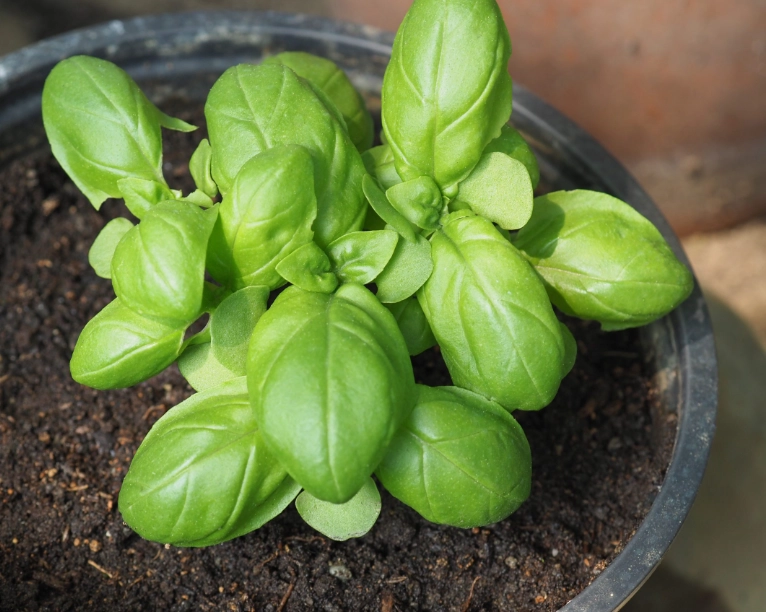
Choosing and Acclimating a Store-Bought Plant
This is where many people, including past me, go wrong. You buy a beautiful, dense pot of basil. It's perfect. You bring it home and put it on the counter. A week later, it's collapsing. Why?
Those supermarket pots are often dozens of individual seedlings crammed together. They've been grown in perfect, controlled conditions. Your home is not a greenhouse. First, that pot is almost certainly root-bound. Second, the plants are competing fiercely for resources. The number one thing you must do, within a day or two, is repot it.
Gently tease the root ball apart and divide the clump into 2-4 smaller clumps. Plant each in its own pot with fresh potting soil. It seems brutal, but you're giving each plant room to breathe and grow a proper root system. This single step transformed my success rate with grocery store basil.
The Perfect Home: Pots and Soil
Basil doesn't have crazy deep roots, but it likes space to spread out sideways. A pot that's at least 8-12 inches wide and deep is ideal for one plant. Drainage holes are non-negotiable. Soggy roots are a death sentence.
Soil is critical. It needs to be well-draining yet moisture-retentive. A paradox, I know. I use a high-quality potting mix and then add some extra perlite or coarse sand (about 20% by volume) to really open it up. Some compost mixed in provides slow-release nutrients. The goal is soil that feels like a wrung-out sponge—moist but not dripping.
You can find excellent general guidelines for container soil mixes from resources like the University of Minnesota Extension, which confirm the need for good drainage and aeration.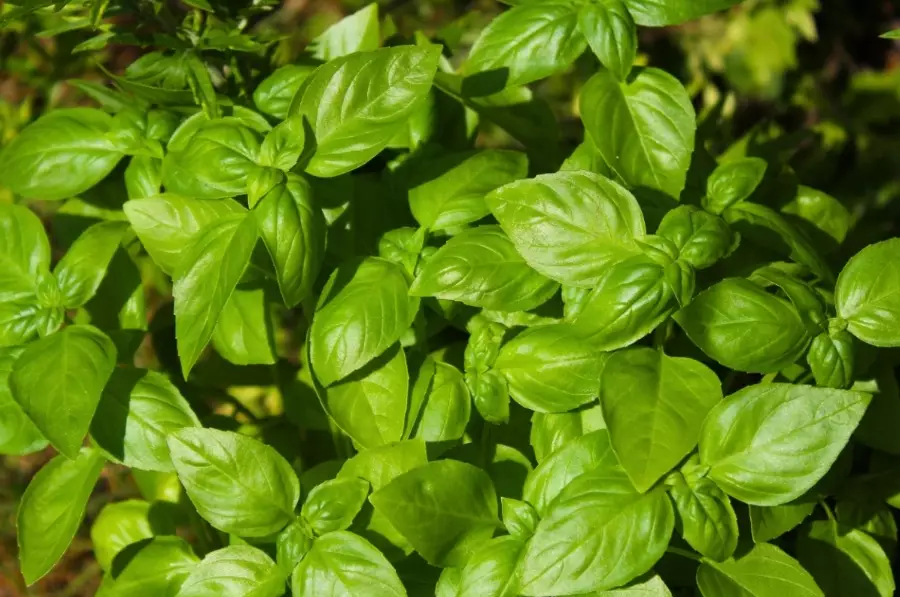
The Daily Grind: Essential Care Routine
Okay, your basil is planted. Now comes the real basilicum plant care. This is the daily and weekly stuff that becomes second nature.
Sunlight: The Non-Negotiable
Basil is a full-sun plant. It needs at least 6-8 hours of direct sunlight per day. More is better. Without enough light, it gets leggy—stretching out with long spaces between leaves, weak stems, and poor flavor. A south-facing window is the indoor minimum. East or west can work if it's very bright. North? Forget it.
If you're growing indoors and don't have enough natural light, get a grow light. A simple LED panel placed a few inches above the plant for 12-14 hours a day will keep it happy. It's an investment, but if you want year-round basil, it's essential.
I tried for two winters to keep basil alive on a windowsill. It was a sad, pale imitation of its summer self. The year I bought a cheap grow light was the year I had pesto in January.
Watering: The Delicate Balance
This is the trickiest part for most people. Basil likes consistently moist soil, but "moist" does not mean "wet." Overwatering is the fastest way to kill it, leading to root rot. Underwatering causes wilt and stress.
Forget a schedule. Watering every Tuesday is a recipe for disaster. Instead, use the finger test. Stick your finger into the soil up to your first knuckle. If it feels dry, water thoroughly. If it feels damp, wait. The goal is to water deeply until it runs out the drainage holes, then let the top inch or so dry out before watering again.
Water at the base of the plant, not over the leaves. Wet leaves, especially overnight, can encourage fungal diseases like powdery mildew.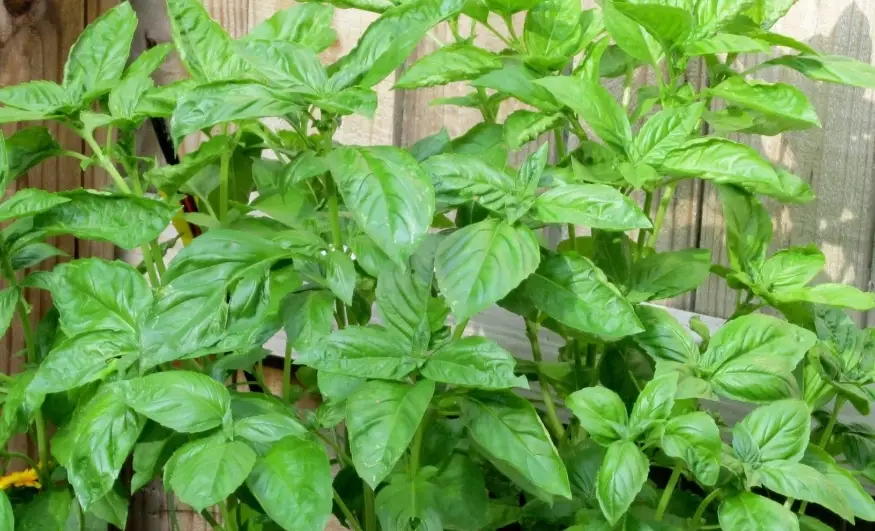
Feeding: Keeping It Growing
Because we're constantly harvesting leaves, basil is a relatively heavy feeder. It needs nutrients to keep producing that lush growth. A balanced, water-soluble fertilizer works well. I use a half-strength dose of a balanced formula (like a 10-10-10) every 2-3 weeks during the peak growing season.
Less is more. Too much fertilizer, especially high-nitrogen ones, can lead to lots of soft, weak growth that's more susceptible to pests and has less intense flavor. If you mixed good compost into your potting soil, you can feed less often.
Pinching and Pruning: The Secret to Bushiness
This is the most satisfying part of basilicum plant care. You must pinch your basil to make it bushy. If you just let it grow tall, you'll get one spindly stem with leaves at the top.
When your plant has about 6 sets of leaves, find the top-most set. Just above that set, you'll see two tiny, new leaves forming in the crook between the stem and the existing leaf. Pinch or snip the main stem right above those tiny leaves. This seems counterintuitive—you're removing growth! But it signals the plant to send energy to those side buds, which will now grow into two new branches.
Repeat this process every time a branch gets 4-6 sets of leaves. Before you know it, you'll have a dense, rounded plant instead of a tall, skinny one. Every pinch is also a harvest. It's a win-win.
And remember those flowers? The moment you see a flower bud forming at the tip of a stem, pinch the entire tip off, down to the first set of leaves below it. You want leaves, not flowers.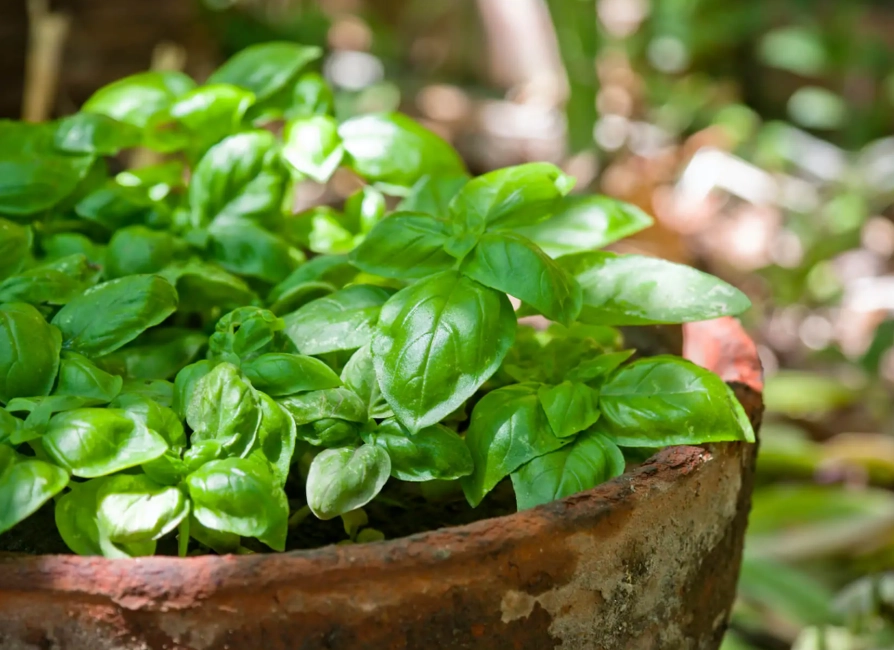
Troubleshooting Common Basil Problems
Even with perfect care, things can go wrong. Here’s a quick-reference guide to the usual suspects.
| Symptom | Likely Cause | What to Do |
|---|---|---|
| Yellowing lower leaves | Overwatering, poor drainage, or natural aging. | Check soil moisture. Ensure pot drains. Remove yellow leaves. |
| Brown, crispy leaf edges | Underwatering, low humidity, or fertilizer burn. | Water more consistently. Mist leaves lightly (in morning). Flush soil if over-fertilized. |
| Small, puckered, or curled leaves | Aphids or other sap-sucking pests. | Check undersides of leaves. Spray with strong water jet or insecticidal soap. |
| White, powdery coating on leaves | Powdery Mildew (a fungal disease). | Improve air circulation. Avoid wetting leaves. Remove affected leaves. Use a baking soda spray (1 tsp baking soda in 1 quart water). |
| Leggy, stretched growth | Not enough sunlight. | Move to a sunnier spot or add a grow light. Pinch back hard to encourage bushiness. |
| Holes chewed in leaves | Slugs, snails, or caterpillars (outdoor plants). | Hand-pick pests at dusk. Use beer traps for slugs. |
For serious disease issues, always refer to authoritative sources. The University of California Integrated Pest Management (UC IPM) page on basil is an incredible resource for diagnosing pests and diseases with science-backed solutions.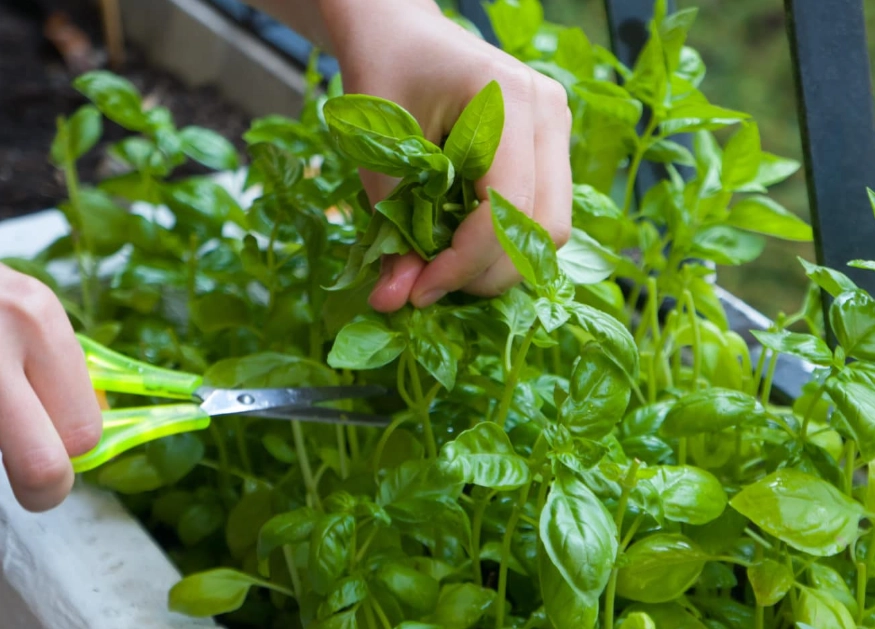
The Dreaded Downy Mildew
This is a big one for basil growers, especially in humid climates. It's not the same as powdery mildew. Downy mildew causes yellowing between leaf veins on the top of the leaf, with a fuzzy gray or purple growth on the underside. It's a devastating disease that spreads fast.
Prevention is key: fantastic air circulation, watering at the base, and avoiding overhead irrigation. If you see it, remove and destroy the entire plant immediately. Don't compost it. Some newer basil varieties are resistant to downy mildew, so look for those if it's a recurring problem in your area.
Beyond the Basics: Harvesting and Using Your Basil
The whole point, right? Harvesting is simple: just keep pinching! Always harvest from the top, just above a set of leaves, to encourage more branching. Never strip all the leaves from a stem. Leave at least 2-3 sets of leaves at the bottom so the plant can continue to photosynthesize and grow.
For a big harvest (like for pesto), you can cut entire stems back by about one-third of their length. Do this in the morning after the dew has dried but before the midday heat. The oils in the leaves are most concentrated then.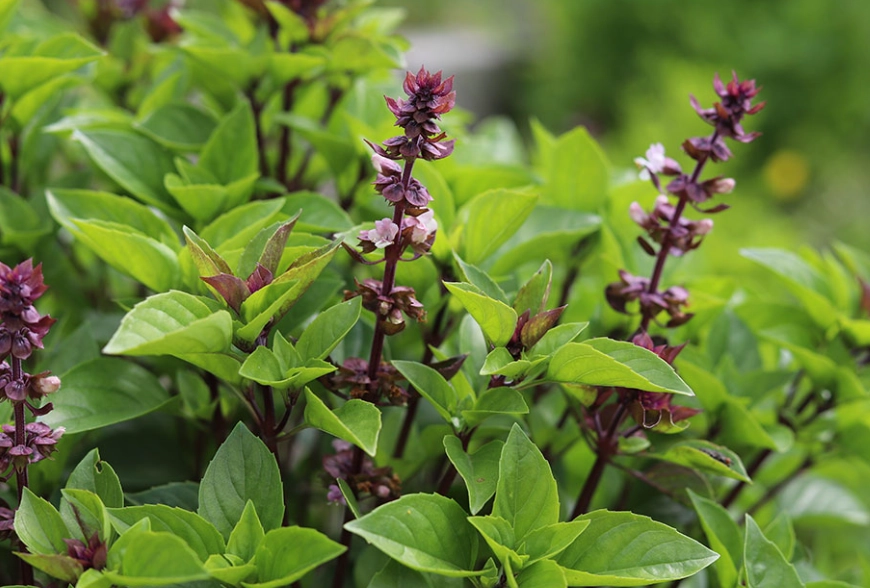
Storing Your Bounty
Fresh basil is best used immediately. But if you have too much:
- Short-term: Treat it like cut flowers. Trim the stems and place them in a glass of water on the counter (not in the fridge). It'll stay fresh for days and even root if you're lucky.
- Freezing: This is my go-to method for preserving flavor. Puree leaves with a little olive oil, then freeze in ice cube trays. Pop out the cubes and store in a bag. Perfect for tossing into soups, stews, and sauces all winter.
- Drying: Easy, but it loses much of its bright, fresh flavor. It becomes more earthy. Hang small bunches upside-down in a warm, dry, dark place with good air circulation.
- Making Pesto: The classic. Freeze pesto in small jars (leave headspace) or in ice cube trays.
Your Basilicum Plant Care Questions, Answered
Let's tackle some of the specific questions that pop up again and again. These are the things I searched for when I was starting out.
Absolutely. The keys are enough light (a south window or grow light) and warmth. Keep it away from drafty windows in winter. An indoor plant might grow a bit slower than a summer outdoor one, but it's totally doable.
This is natural as the plant ages, especially towards the end of the season. Consistent pinching from a young age delays it. If the main stem gets thick and woody, the plant is focusing on structure, not new leaves. It's often a sign the plant is reaching the end of its productive life. Time to start some new seeds or take cuttings.
It's incredibly easy and a great way to clone your favorite plant. Take a 4-inch cutting from a non-flowering stem. Remove the leaves from the bottom half. Place the stem in a glass of clean water, making sure no leaves are submerged. Put it in a bright spot. Change the water every few days. Roots should appear in 1-2 weeks. Once they're an inch or two long, pot it up in soil. Boom, new plant.
I prefer pots for several reasons. Control over soil quality and drainage. Ability to move it to follow the sun or escape bad weather. Easier to manage if pests strike. But it grows fine in the ground if you have well-draining, fertile soil and a very sunny spot. Just be mindful of spacing—give them at least 12 inches apart.
Garden lore says basil improves the flavor of tomatoes and repels pests like mosquitoes and flies. I like planting it near my tomatoes and peppers. It seems to do well with them. Avoid planting it near rue or sage.
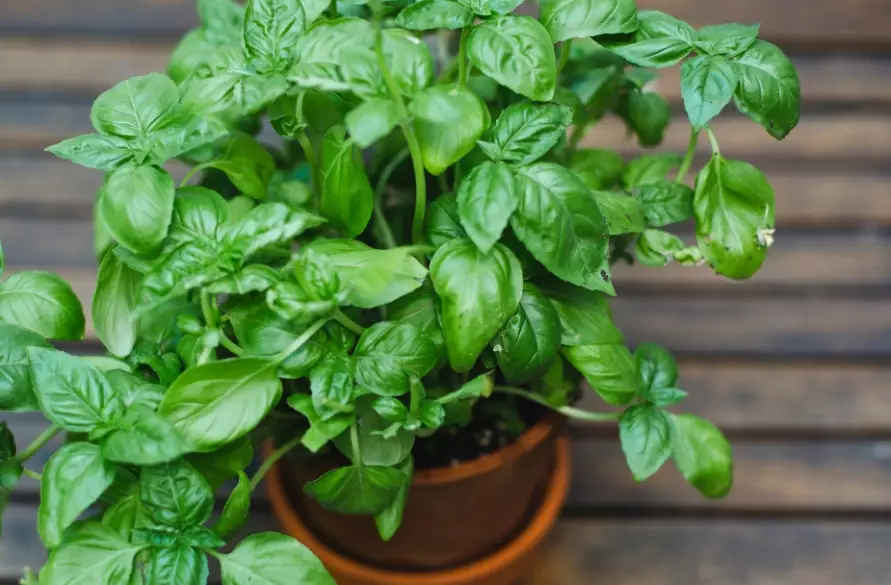
Basilicum plant care boils down to a few non-negotiable principles: tons of sun, consistent but careful watering, regular pinching, and warm feet. Get those right, and you'll transition from a basil killer to a basil overlord. It's one of the most rewarding herbs to grow. The difference between a freshly picked leaf and one from a plastic clamshell is night and day.
Start simple. Don't try ten varieties at once. Get one plant, repot it, give it sun, and start pinching. Learn its rhythm. Once you've mastered one, the world of basilicum is your oyster. Or, more accurately, your pesto.
Now go get your hands dirty. Your future self, enjoying a homegrown caprese salad, will thank you.
Reader Comments