In This Straw Bale Gardening Guide
- Why on Earth Would You Garden in a Straw Bale?
- Getting Started: The Non-Negotiables
- The Conditioning Process: Turning Straw into Garden Soil
- Planting Your Straw Bale Garden
- Ongoing Care: It's Not 'Set and Forget'
- Troubleshooting Common Straw Bale Gardening Problems
- Your Straw Bale Gardening Questions, Answered
- Wrapping Up: Is Straw Bale Gardening For You?
Let's be honest. Starting a garden can feel daunting. You look out at your yard and see either hard-packed clay that nothing wants to grow in, or a weedy mess that makes you want to give up before you even start. I've been there. For years, I tried to amend my terrible, rocky soil. I brought in truckloads of compost, tilled until my arms ached, and still, my plants struggled. Then I stumbled upon straw bale gardening, and honestly, it felt like cheating.
It's not magic, but it's pretty close. Imagine growing tomatoes, cucumbers, and flowers in a bale of straw sitting right on your patio, driveway, or even a concrete slab. No digging. No tilling. Just a bale, some conditioning, and you're off to the races. This method has been a game-changer for me, and for thousands of gardeners dealing with poor soil, bad backs, or just a lack of space.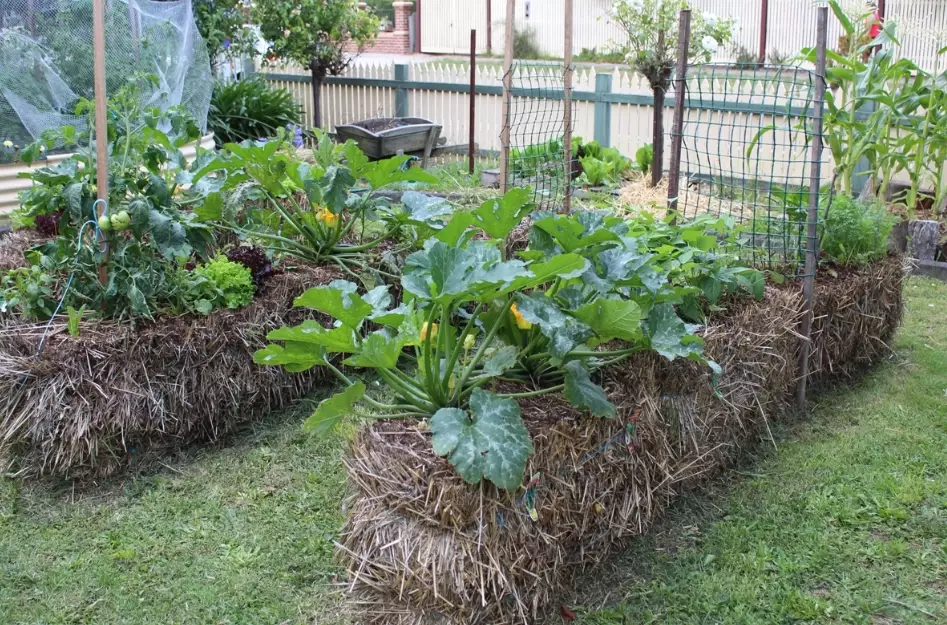
But it's not all sunshine and rainbows. Straw bale gardening has its quirks. You need to water more frequently. You might get some stray wheat or oat sprouts. And if you don't start with the right bale, you could be in for a headache. I'll walk you through all of it, the good and the not-so-good, so you can decide if it's right for you and, more importantly, so you can get it right the first time.
Why on Earth Would You Garden in a Straw Bale?
Before we get our hands dirty, let's talk about the "why." This isn't just a quirky trend. Straw bale gardening solves real problems for real gardeners.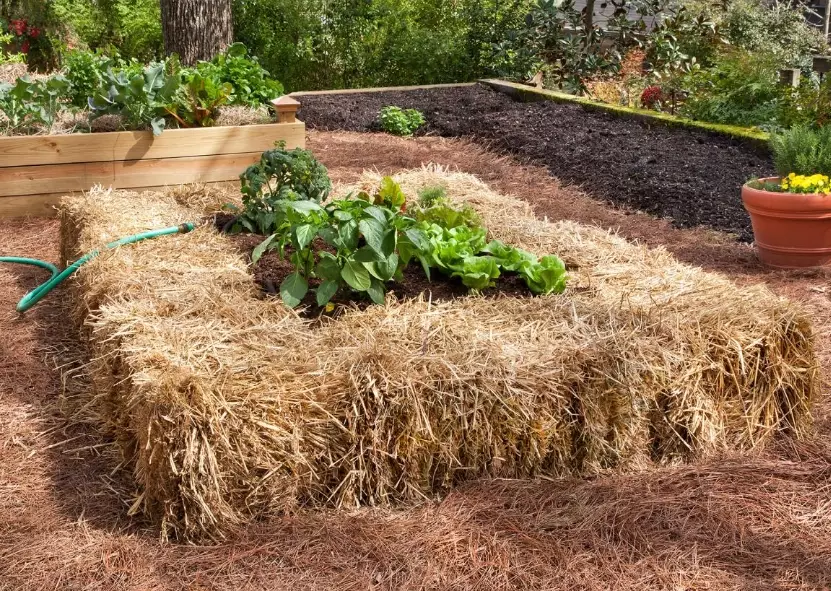
First, it's a phenomenal solution for terrible soil. Got clay? Rocks? Sand? It doesn't matter. The bale becomes your raised bed, filled with a self-composting, nutrient-rich growing medium. You're literally gardening above your soil problems. This is the biggest draw for most people, and it works.
Second, it's incredibly accessible. If bending over or kneeling is difficult, tending to a waist-high straw bale garden is so much easier. No more backaches from weeding. It also brings the garden to you if you have a paved area. Want a garden on your balcony, deck, or parking strip? Straw bales make it possible.
Here's a quick breakdown of the pros and cons, straight from my experience and talking to other gardeners who swear by this method.
| Advantages | Challenges & Considerations |
|---|---|
| No Soil Needed: Perfect for contaminated, rocky, or compacted ground. | Initial Watering Demands: The conditioning phase requires consistent, daily watering. |
| Weed Suppression: Fewer weeds than traditional gardens (once conditioned). | Drying Out: Bales can dry faster than soil, requiring attentive watering in hot weather. |
| Warmer Roots: The composting center creates gentle warmth, ideal for heat-lovers like tomatoes and peppers. | Limited Lifespan: A bale typically lasts for one, maybe two growing seasons before it decomposes. |
| Excellent Drainage: Prevents root rot – a huge plus for many plants. | Potential for Pests: Mice or slugs might try to move in initially; setting up properly mitigates this. |
| End-of-Season Mulch: The spent bale becomes fantastic compost for your other garden beds. | Sourcing Quality Bales: Must find straw (not hay) that hasn't been treated with persistent herbicides. |
See? It's a trade-off. For me, the advantages massively outweigh the downsides, especially since the main challenges (watering, sourcing) are easy to manage once you know how.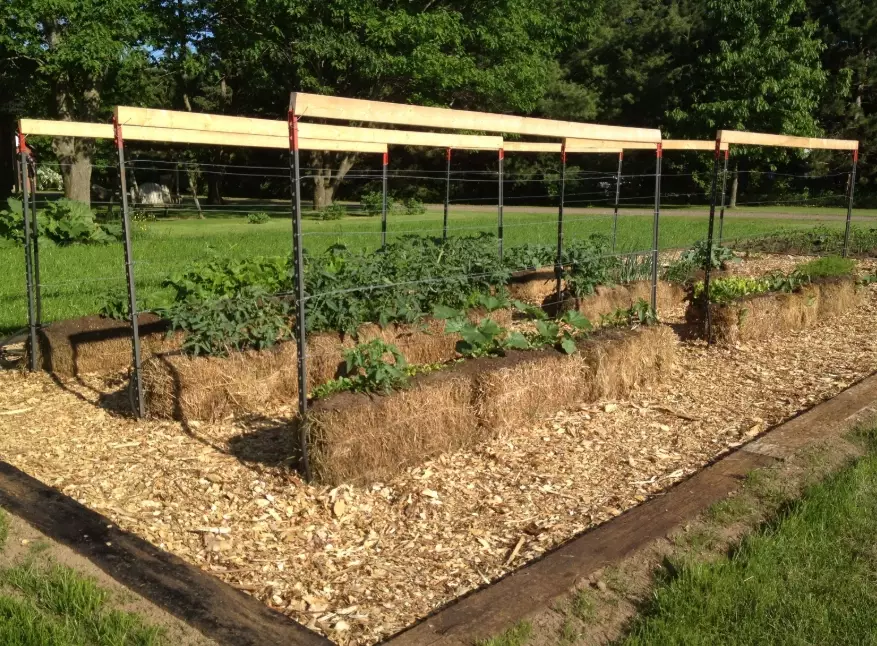
Getting Started: The Non-Negotiables
This is where most guides gloss over the details, but getting the foundation right is 90% of success with straw bale gardening.
Let me say that again because it's the most common mistake. You must use straw, not hay. Hay is made from grasses and includes seed heads. If you use a hay bale, you'll be growing a bale of grass, not your vegetables. Straw is the hollow stalk of grain plants (like wheat, oats, or barley) after the grain is removed. It's mostly seed-free. Ask your supplier for "seed-free straw" or "wheat straw." If you see lots of grain heads, walk away.
The other critical thing is herbicides. Some farmers spray fields with long-lasting herbicides (like aminopyralid or clopyralid) that can survive the composting process in the bale and kill your garden. It's a rare but devastating problem. The University of Minnesota Extension has a great resource on this issue. Talk to your farmer. Ask directly: "Was this field treated with any broadleaf weed herbicides that might affect garden plants?" A trustworthy local source is best.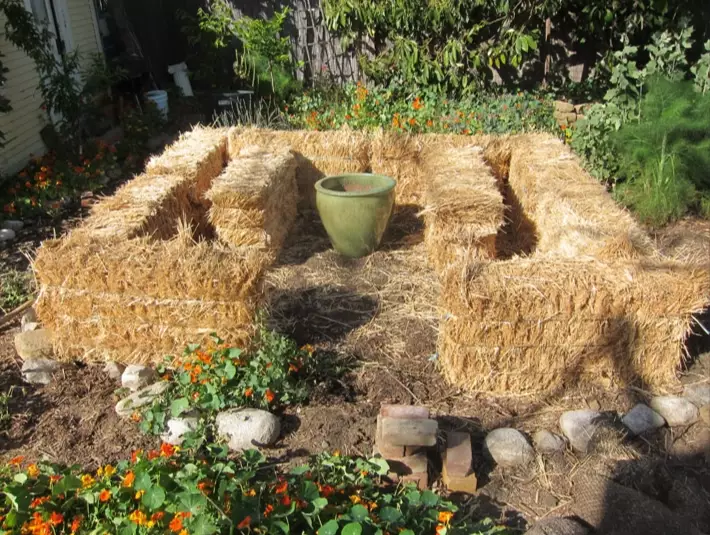
What You'll Need to Begin
- Straw Bales: As many as you want. Standard size is about 2' x 1.5' x 3'. Place them where you want your garden to stay; they get heavy when wet.
- A High-Nitrogen Fertilizer: This is the "engine" that starts the composting process inside the bale. Organic options like blood meal or alfalfa meal work. Many gardeners also use a balanced organic fertilizer or even a conventional lawn fertilizer (like 29-0-4) just for the conditioning phase. The choice is yours. I've used blood meal successfully.
- A Water Source: A hose with a gentle spray nozzle is ideal. You'll be watering a lot.
- A Soil Thermometer (Optional but Helpful): To track the internal heat of the bale.
- Potting Mix or Compost: For creating planting pockets.
The Conditioning Process: Turning Straw into Garden Soil
This is the secret sauce. You can't just plop a plant into a dry straw bale. You need to kickstart decomposition inside the bale to create a warm, nutrient-rich, sponge-like environment for roots. This takes about 10-14 days. Don't rush it.
I like to think of it in three phases: Activation, Cooking, and Cooling.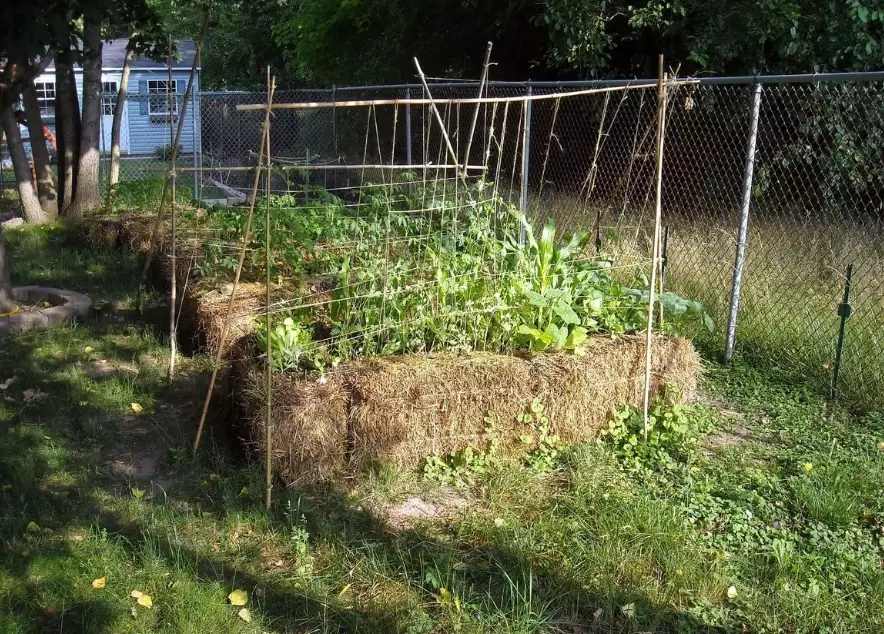
Days 1-3: Activation
Lay your bales with the strings running sideways (so they don't rot and break). Water them thoroughly until they are completely soaked. This is harder than it sounds – straw is hydrophobic at first. Keep watering until water runs out the bottom. Do this for three days. Just water, no fertilizer yet. You're waking up the microbes.
Days 4-10: The "Cooking" Phase
Now, for days 4, 5, and 6, you'll water in your high-nitrogen fertilizer. Follow the label rates for your chosen product. For blood meal, I use about 1 cup per bale, sprinkled evenly on top and watered in deeply. The bales will start to heat up internally as microbes feast. By day 7 or 8, the center can reach 120-140°F (49-60°C). This heat pasteurizes the bale, killing weed seeds and pathogens. It's amazing. For days 7-10, cut the fertilizer in half and continue applying every other day, watering deeply daily.
Days 11-14: Cooling and Planting
Stop adding fertilizer. Keep watering. Use your thermometer or your hand to check the temperature. When the center of the bale cools to body temperature or below (about 100°F / 38°C or less), it's safe to plant. The intense microbial activity has slowed, and the roots won't get cooked.
Planting Your Straw Bale Garden
Now for the fun part. You have two main methods: transplanting and direct seeding.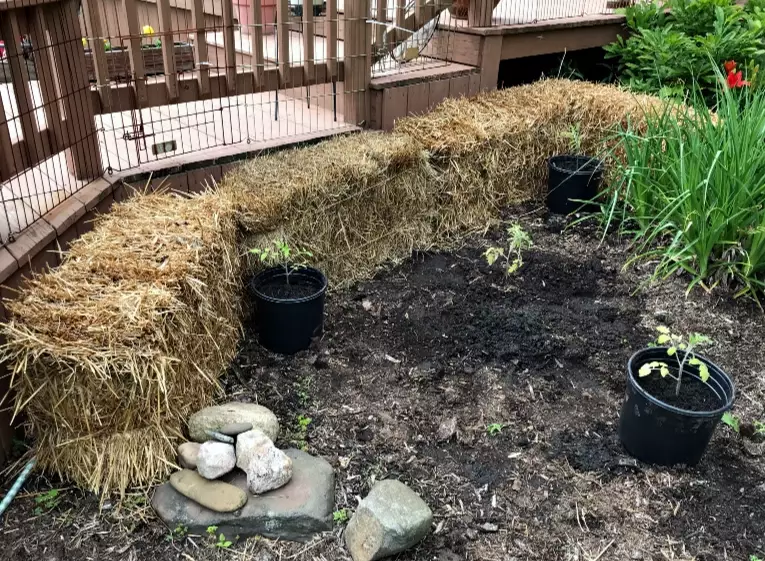
For transplants (tomatoes, peppers, kale, herbs), use a trowel to pull apart the straw and create a hole. Fill the hole with a few handfuls of potting mix or finished compost. This gives the young roots a gentle transition. Plant your seedling into this pocket, firming it in. The roots will quickly grow out into the conditioned straw.
For direct seeding (beans, squash, cucumbers, carrots), make a trench about 2-3 inches deep on top of the bale. Fill that trench with 2-3 inches of potting mix. Sow your seeds directly into that mix, cover lightly, and water gently. The mix protects the seeds and gives them a stable start.
Spacing is similar to container gardening. You can fit about two tomato plants, three pepper plants, or four to six bush bean plants per standard bale. Don't overcrowd them – they'll need the space and resources.
What Grows Best in a Straw Bale?
Almost anything! But some plants are superstar performers.
- Top Tier (Thrive): Tomatoes, peppers, cucumbers, squash (summer and winter), zucchini, potatoes (plant seed potatoes deep in the bale!), and strawberries.
- Great Performers: Eggplant, beans (bush and pole), kale, Swiss chard, and many herbs like basil and parsley.
- Possible with Care: Lettuce and other greens can work but may bolt faster in the warmer bale. Corn and other tall, heavy feeders might be challenging due to stability and nutrient demands.
- Not Recommended: Large, deep-rooted perennials (asparagus, rhubarb) or trees/shrubs. The bale is a temporary home.
Ongoing Care: It's Not 'Set and Forget'
A common misconception is that once planted, a straw bale garden cares for itself. Not quite. It's low-maintenance, but not no-maintenance.
Watering: This is the biggest ongoing task. The bales drain beautifully but can dry out on hot, windy days. In peak summer, you might need to water every day. Stick your finger into the bale. If it's dry an inch down, it's time to water. A soaker hose laid along the top of the bales and set on a timer is a fantastic investment. I learned this the hard way after losing a few plants to drought stress.
Feeding: The bale itself provides some nutrients from decomposition, but it's not enough for heavy feeders like tomatoes. Think of the bale as your soil, not your fertilizer. You'll need to feed your plants. I use a balanced, water-soluble organic fertilizer every 2-3 weeks, or a slow-release granular fertilizer mixed into the planting pockets at the start. The Penn State Extension guide to straw bale gardening offers solid, science-backed fertilizing recommendations.
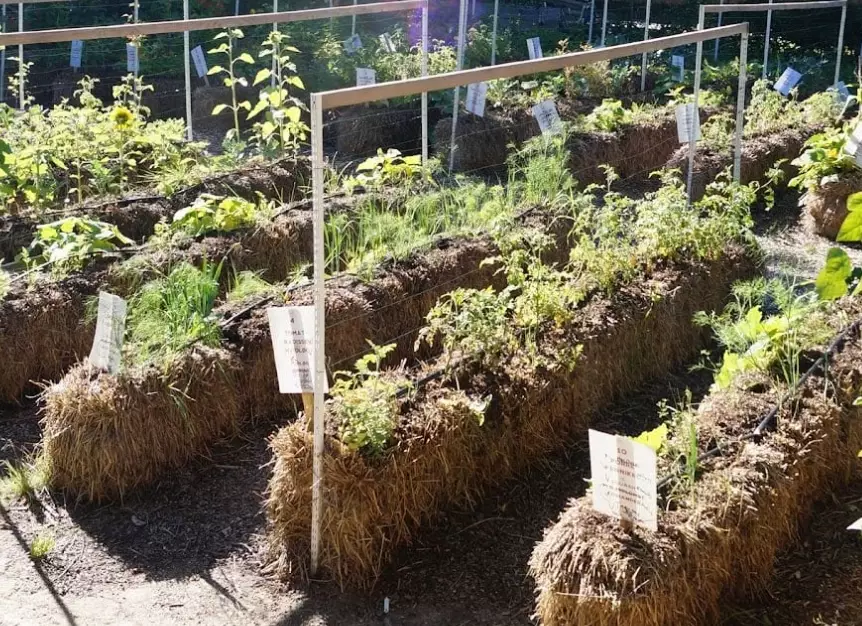
Support: Tall or vining plants need support, just like in any garden. Drive sturdy stakes (6-8 feet tall) deep into the ground next to the bale, or build a frame around your bales for tomatoes and cucumbers to climb. Don't rely on the bale itself to hold a heavy cage; it will eventually soften.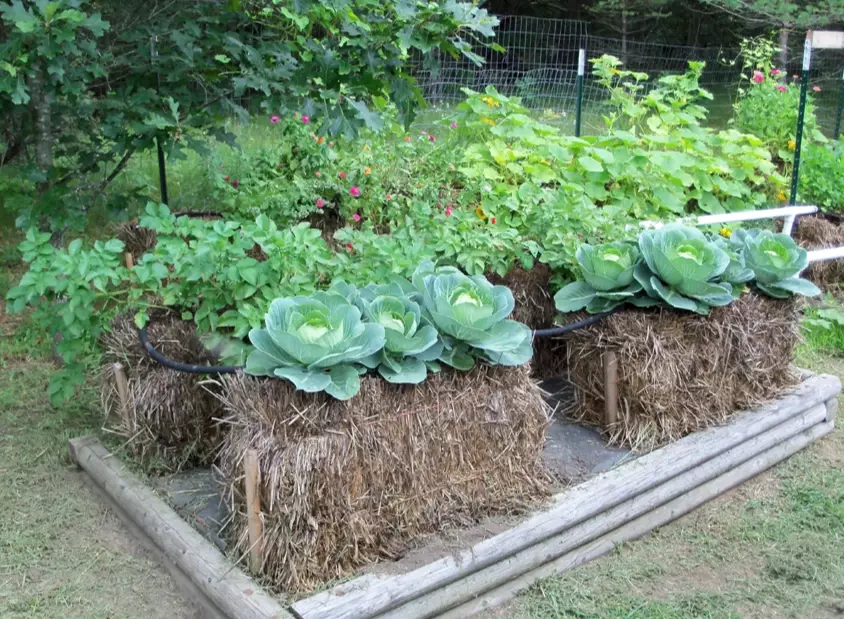
Troubleshooting Common Straw Bale Gardening Problems
Things will go wrong. It's gardening. Here's how to handle common issues.
My bale is sprouting grass or mushrooms!
Grass sprouts mean you likely got a bale with some grain heads. Just pull them out; they're easy to remove and will diminish as the bale decomposes. Mushrooms are a good sign! They indicate active, healthy decomposition. They're harmless and will disappear on their own.
The plants are yellowing/stunted.
This usually means hunger. The conditioning process uses up a lot of the bale's initial nitrogen. Your plants are likely nitrogen-deficient. Start a regular fertilizing schedule immediately with a balanced fertilizer.
Something is eating my plants!
Slugs and snails love the moist, decaying environment. Set out beer traps or iron phosphate bait around the base of the bales. Mice might also nest in dry bales. Ensuring the bale is fully conditioned and moist throughout makes it less attractive.
The bale is falling apart.
This is natural decomposition by the end of the season. If it happens early, you may have over-conditioned it (too much nitrogen/heat) or the strings were cut. You can gently wrap twine around the bale for mid-season support.
Your Straw Bale Gardening Questions, Answered
Wrapping Up: Is Straw Bale Gardening For You?
Look, it's not the only way to garden. For a large-scale farm, it's impractical. For someone with beautiful, deep loam, it might be unnecessary. But for a huge number of us, it's a revelation.
If you're battling terrible soil, if you have physical limitations, if you want to garden on a patio or driveway, or if you just want to try something new and incredibly productive, give straw bale gardening a shot. Start with two or three bales. Follow the conditioning steps without cutting corners. Plant a couple of your favorite veggies.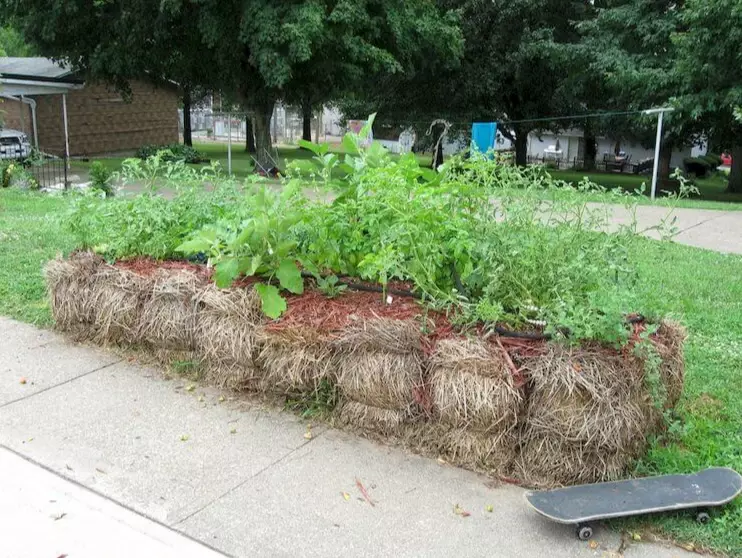
The first time you bite into a sun-warmed tomato that grew from a bale of straw on your otherwise useless patch of gravel, you'll get it. It turns barriers into opportunities. It makes gardening accessible and fun again. And at the end of the season, you're left with no weeds to pull from ground soil, just a pile of beautiful, black compost to spread elsewhere.
That's a pretty good deal, if you ask me.
Reader Comments