In This Guide
- Forget Fancy Designs: Master These Foundational Principles First
- Popular Raised Bed Layouts: From Simple to Strategic
- Choosing Your Champion: A Layout Comparison
- Beyond the Pattern: The Nitty-Gritty of Plant Placement
- Tailoring the Layout to Your Specific Scenario
- Your Action Plan: Designing Your Best Layout in 5 Steps
- Common Questions About Raised Bed Layouts (The FAQ Bit)
- Wrapping It Up: Your Garden, Your Rules
I remember staring at my first empty raised bed frame, a perfect rectangle of fresh soil sitting in my backyard. It looked full of promise, but honestly, it was a bit intimidating. Where do I even start? How do I arrange the plants so they don't fight each other for sunlight? What is the best layout for a raised bed garden when you're a total beginner? I made some mistakes—who doesn't?—but over the seasons, I figured out what works and what doesn't. It's less about rigid rules and more about understanding a few core principles that you can then bend to fit your space, your goals, and honestly, your level of gardening enthusiasm.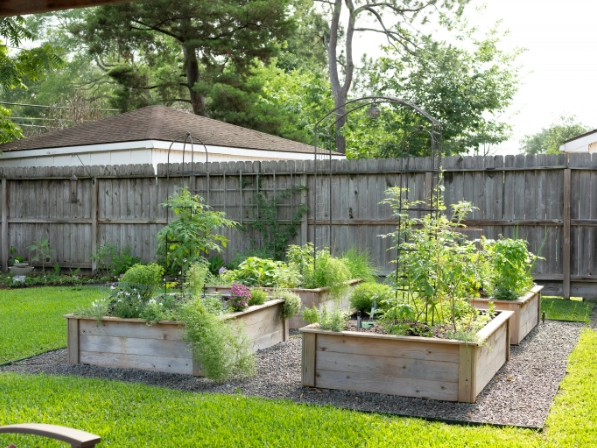
Think of your raised bed layout as the blueprint for your garden's success. A good one maximizes yield, minimizes pests, and makes your life easier. A haphazard one leads to a jungle where nothing thrives.
This isn't a one-size-fits-all deal. The best layout for your neighbor's sunny, sprawling yard might be a disaster for your shady, compact patio. We need to dig into the variables.
Forget Fancy Designs: Master These Foundational Principles First
Before you sketch a single square, get these three non-negotiables straight. They matter more than any specific pattern.
Sunlight is Your Boss
Plants are solar panels. No sun, no food. Track the sun's path across your potential garden spot for a full day. Which way does the longest side of the bed face? A north-south orientation is often ideal for most beds, as it allows the sun to shine evenly on both sides of the bed throughout the day, preventing taller plants on one side from permanently shading shorter ones. But if your sun comes from the east or west primarily, you'll need to plan your plant heights accordingly. This is step zero. Get it wrong, and nothing else matters.
Reach is Everything (The 4-Foot Rule)
This is the golden rule of raised bed dimensions. Never make a bed wider than 4 feet (about 1.2 meters). Why? So you can comfortably reach the center from either side without stepping on the soil. Stepping on your garden bed compacts the beautiful, fluffy soil you worked so hard to create, squeezing out the air pockets roots desperately need. If you're placing the bed against a wall or fence, limit the width to 2-3 feet so you only have one side to reach from. Length is flexible, but keep accessibility in mind for watering and harvesting.
Companions vs. Antagonists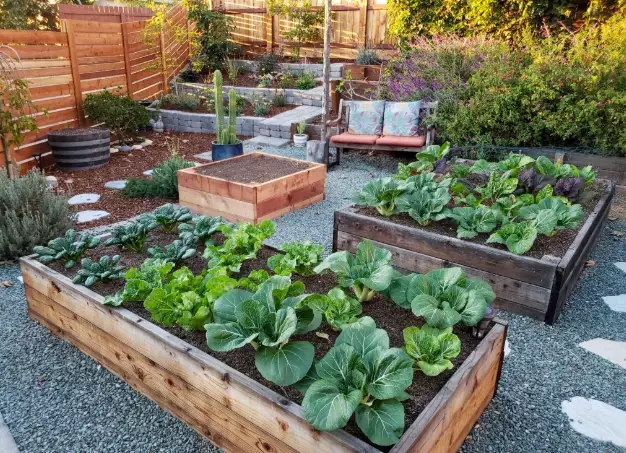
Plants have friends and foes. This isn't folklore; it's botany and pest management. Companion planting is a cornerstone of a smart raised bed layout. For example, planting basil near tomatoes is said to improve flavor and repel flies. Marigolds are like the garden's bouncers, their roots exuding compounds that deter nematodes. On the flip side, planting beans (which fix nitrogen) right next to onions (which don't need as much) is a wasted opportunity. We'll get into specific pairings later, but for now, know that this principle will guide your placement more than anything.
Popular Raised Bed Layouts: From Simple to Strategic
Now, let's look at some actual patterns. These are templates you can adapt.
The Row-by-Row Method (The Classic)
What it is: Straight lines of single crops, often with walking paths between rows. It's orderly and easy to manage.
The catch: It’s pretty inefficient for small raised beds. You end up with more path space than growing space. I used this my first year and felt like I harvested so little from so much soil.
Best for: Larger beds or gardeners who prioritize ease of weeding and a traditional look.
The Intensive Block Planting Method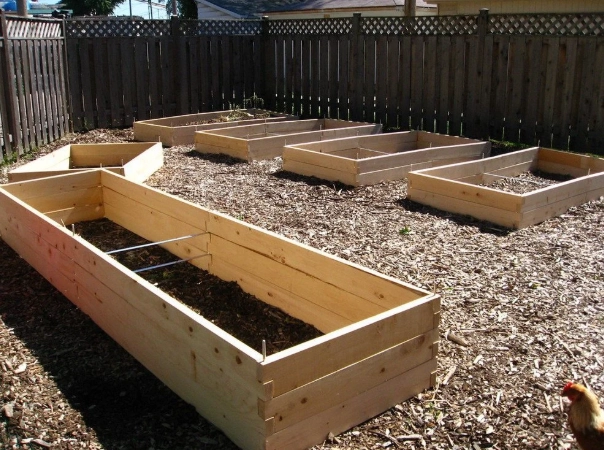
This is where the magic happens for most home gardeners. Instead of rows, you divide the bed into small, dense blocks or squares. Plants are spaced just far enough apart so their leaves gently touch at maturity, creating a "living mulch" that shades out weeds and conserves moisture. The Square Foot Gardening method, popularized by Mel Bartholomew, is a famous system based on this. You literally use a grid. It's incredibly efficient and is often what people are picturing when they ask, "What is the best layout for a raised bed garden?"
The Vertical Layer Method
Don't just think outward, think upward. Use trellises, cages, and stakes to grow vining plants vertically. Cucumbers, pole beans, peas, and even small melons can climb. This frees up massive amounts of ground space for other crops underneath or beside them. My cucumber trellis creates a nice, light shade for my leafy lettuce in the heat of summer. It's a game-changer for small spaces.
The "Pizza Garden" or Circular Theme Layout
A fun one, especially with kids. You create wedge-shaped sections radiating from the center, like pizza slices. In each wedge, you plant the ingredients for a theme—one slice for herbs (basil, oregano), one for tomatoes, one for peppers, one for onions. It's visually striking and a great teaching tool, though it can be slightly less space-efficient than a tight grid.
Choosing Your Champion: A Layout Comparison
Let's put these side-by-side. This table isn't about declaring one winner, but about matching the layout to your personal situation.
| Layout Style | Best For... | Space Efficiency | Maintenance Level | My Personal Take |
|---|---|---|---|---|
| Row-by-Row | Beginners, large areas, root crops | Low | Easy | Too wasteful for my 4x8 beds. Felt like I was gardening in the 1950s. |
| Intensive Block (Square Foot) | Small spaces, maximum yield, most vegetables | Very High | Medium (requires good planning) | My go-to method. The yield difference is staggering. |
| Vertical Layer | Vining plants, adding dimension, small patios | High (vertically) | Medium-High (need to secure vines) | Essential for me now. Makes the garden feel lush and productive. |
| Circular Theme | Education, visual interest, herb gardens | Medium | Medium | A fun weekend project, not my workhorse layout. |
Beyond the Pattern: The Nitty-Gritty of Plant Placement
Okay, you've picked a pattern. Now, where do specific plants go within that pattern? This is where you answer the question "What is the best layout for a raised bed garden?" on a micro level.
The Height Map: Don't Shade the Shorties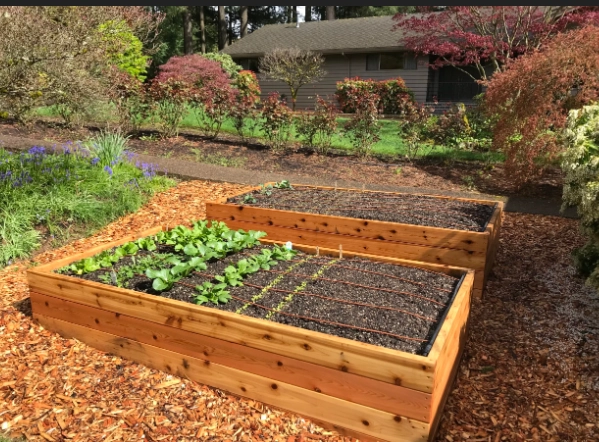
Always place the tallest plants (tomatoes, pole beans on trellises, corn) on the north side of the bed. As the sun moves south (in the Northern Hemisphere), it will shine over them onto the medium-height plants (peppers, bush beans) in the middle, and finally onto the shortest plants (lettuce, radishes, carrots) on the south side. If your bed runs east-west, put tall plants on the west side for afternoon shade protection.
Companion Planting Pairs to Steal
Here's a shortlist of combinations I swear by. The Old Farmer's Almanac has a massive guide if you want to go deeper.
- Tomatoes + Basil + Marigolds: The holy trinity. Basil may improve flavor, marigolds deter soil pests.
- Cucumbers/ Squash + Nasturtiums: Nasturtiums act as a trap crop for aphids, luring them away from your veggies.
- Carrots + Onions/Chives: The strong smell of alliums can confuse carrot rust flies.
- Lettuce + Tall Flowers (like Zinnias): The flowers provide light afternoon shade to prevent lettuce from bolting (going to seed) too quickly in the heat.
Crop Rotation in a Single Bed? Yes, You Can.
Don't plant the same family in the same spot year after year. It depletes specific nutrients and lets pests settle in. In a small bed, you can practice a simple 3-4 year rotation by dividing the bed mentally into sections. The USDA has resources on crop rotation benefits for soil health. A simple cycle: 1) Tomatoes/Peppers (Nightshades), 2) Beans/Peas (Legumes), 3) Lettuce/Spinach (Leafy Greens), 4) Carrots/Onions (Roots).
Pro Tip I Learned the Hard Way: Give plants like zucchini and squash WAY more space than the seed packet says. They're space hogs. I'd dedicate a whole half of a 4x4 bed to one zucchini plant now.
Tailoring the Layout to Your Specific Scenario
For a Small 4x4 Foot Bed: This is where intensive planting shines. Use a physical grid. In one square, plant 16 radishes. In another, 9 bush beans. In another, 1 tomato (caged). Use the north side for the tomato, the south edge for low-growing greens. Go vertical in the center with a cucumber teepee.
For a Long 4x8 Foot Bed: You have more room to play. You could create two distinct zones: a vertical trellis running down the north side for peas or beans, and then use the rest of the space for intensive blocks. Or, create a "U"-shaped path for access, with planting areas on three sides.
For a Balcony or Patio (Shallow Beds): Depth matters. If your bed is less than 10 inches deep, skip deep-rooted crops like tomatoes or carrots. Focus on shallow-rooted greens, herbs, radishes, and strawberries. Layout is all about density and using vertical space with rail planters or a small trellis against the wall.
Your Action Plan: Designing Your Best Layout in 5 Steps
- Observe & Measure: Track sun for a day. Measure your bed(s) exactly.
- List Your Dreams: What do you actually want to eat? Be realistic.
- Grab Graph Paper (Seriously): Draw your bed to scale. Use a pencil!
- Apply the Principles: Mark North. Place tall plants. Group companions. Respect spacing.
- Iterate: Your first draft will have problems. Move things around. This is the fun part.
I still have my messy, scribbled plans from previous years. They're a record of what worked and what was a disaster.
Common Questions About Raised Bed Layouts (The FAQ Bit)
Wrapping It Up: Your Garden, Your Rules
Look, the quest to find the single best layout for a raised bed garden is a bit of a mirage. The real goal is to find the best layout for YOU.
Start with the intensive block method. It's the most forgiving and productive for the average person. Apply the principles of sun, reach, and companionship. Draw it out. Then, get your hands dirty.
The perfect layout is the one that gets planted, tended, and harvested. Don't let perfect planning become a barrier to starting. You'll learn more in one season of doing than in a lifetime of reading. Now go draw that messy, hopeful, perfect plan.
Reader Comments