Quick Navigation
- Why Bother with a Raised Bed Anyway?
- What to Think About Before You Pick a Design
- Popular Diy Raised Garden Bed Designs to Steal
- Choosing Your Materials: The Good, The Bad, The Ugly
- The Step-by-Step: Building a Basic 4x8 Cedar Bed
- Leveling Up Your Design: Smart Features to Add
- Common Questions & Mistakes (I've Made Most of These)
- Wrapping It Up: Your Garden Awaits
Let's be honest. Staring at a blank patch of yard and dreaming of homegrown tomatoes is one thing. Actually figuring out how to build the garden bed to grow them in? That's where a lot of us get stuck. The options seem endless, and a quick search for diy raised garden bed designs can leave you more confused than when you started. Should you use wood? How tall should it be? What about those cool tiered ones?
I've been there. My first attempt was... well, let's just say it wasn't pretty. I used untreated pallet wood (a big no-no, as I later learned) and didn't plan for drainage. It rotted out in two seasons. But that failure taught me more than any perfect guide could. Now, after building more beds than I can count for myself and friends, I want to save you the headache.
This isn't just a list of pictures. It's a down-to-earth talk about how to actually plan, design, and build a raised bed that works for your life, your budget, and your two left thumbs (if you have them). We'll walk through the why, the what, and the how-to, step by messy, satisfying step.
Why Bother with a Raised Bed Anyway?
Before we dive into the nuts and bolts of diy raised garden bed designs, it's worth asking if it's even the right move for you. I think for most people, the answer is a resounding yes, and here's why.
First, control. You're not at the mercy of whatever awful clay, rocks, or sand your builder decided to leave you with. You fill the bed with perfect, fluffy, nutrient-rich soil right from the start. This is a game-changer for germination and root growth. Second, drainage. Properly built raised beds drain excess water away, which means fewer problems with root rot. Your plants' feet won't be constantly wet.
Then there's the back. Oh, the back. Bending over to weed a traditional garden is a surefire way to end an afternoon early. A raised bed brings the garden up to you. You can build them at waist height if you really want to eliminate bending altogether. Fewer weeds is another huge perk, especially if you use a weed barrier underneath. And let's not forget pests—while not a forcefield, a raised bed can make it slightly harder for slugs and some burrowing creatures to reach your precious greens.
My Take: The initial cost and effort of building a raised bed pays for itself in the first season with fewer failures, less physical strain, and honestly, more joy. It feels more like gardening and less like a battle with your yard.
What to Think About Before You Pick a Design
Jumping straight to a cool-looking plan is tempting, but it's the fast track to regret. Ask yourself these questions first. Your answers will point you to the right diy raised garden bed design.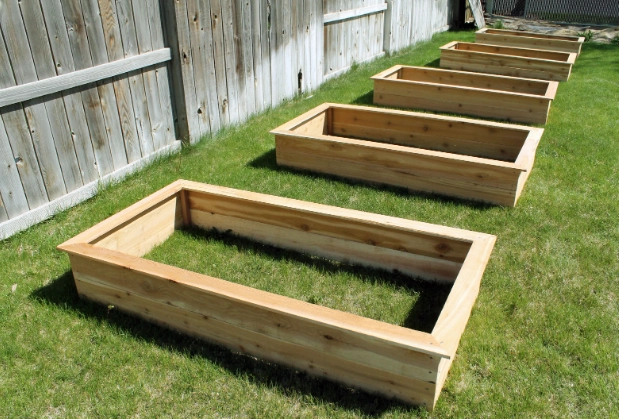
Space & Sunlight: The Non-Negotiables
How much room do you actually have? Not just the footprint, but think about walkways around it—you need at least 2 feet of space to comfortably squat or kneel. Then, track the sun. Most veggies need a solid 6-8 hours of direct sunlight. Watch your chosen spot over a few days. A beautiful, shaded bed is just a future salad of disappointment.
What Do You Want to Grow?
The plants dictate the design. Deep-rooted veggies like tomatoes, carrots, and potatoes need depth—at least 12 inches, but 18-24 inches is ideal. Lettuce and herbs are shallow-rooted and can thrive in beds as shallow as 6 inches. If you dream of growing asparagus or artichokes, you're talking about a permanent, deep bed. Your plant list is your first design constraint.
Budget & Tools: Be Realistic
How much do you want to spend? A simple rectangle made from cedar 2x10s might cost you $100-$150 in materials. A fancy multi-tiered bed with composite boards and corner accents can run into the hundreds. Also, take stock of your tools. A basic bed needs a saw, drill, and measuring tape. More complex raised garden bed plans might require a miter saw or level. It's okay to start simple.
Who's Using It?
Is this just for you, or will kids be helping? If so, consider a lower height or a dedicated "kid's bed." Are you a wheelchair user or have significant mobility issues? Then a truly elevated, table-height bed (often called a "garden table") should be your primary focus, not an afterthought. Good diy raised garden bed designs are accessible designs.
I once built a beautiful, wide bed only to realize my shorter friend couldn't reach the middle without climbing onto the edge. Not safe. Think about the reach of the shortest person who will garden with you.
Popular Diy Raised Garden Bed Designs to Steal
Okay, now for the fun part. Let's look at some of the most popular and practical designs. I've built or helped build most of these, and I'll give you the real pros and cons.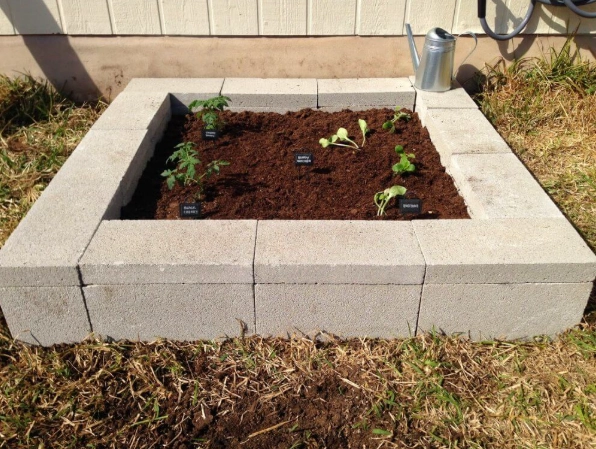
The Classic Rectangle (The Workhorse)
This is the go-to for a reason. It's simple, efficient, and uses materials easily found at any lumberyard. A 4x8 foot rectangle is a golden standard—it's wide enough to grow plenty but narrow enough that you can reach the center from either side without stepping in the bed (stepping compacts the soil!).
Best for: Absolute beginners, maximizing planting space in a rectangular yard, growing most common vegetables.
My Experience: My first successful bed was this design. It's foolproof. Use 2x lumber (like 2x10 or 2x12) for the sides. Screw the corners together with galvanized or stainless-steel deck screws. You can add corner posts for extra stability, but for a bed under 2 feet tall, it's often not necessary. Just make sure it's level!
The Tiered or Staggered Bed
This is one of the most sought-after diy raised garden bed designs for visual interest. You build two or three beds of decreasing size stacked on top of each other, like a wedding cake. It's great for creating microclimates—sun-loving plants on the top tier, partial-shade lovers on the lower, shaded tiers.
Best for: Sloped yards (it helps level the area), adding visual drama, growing plants with different sun needs.
The Catch: It's more complex to build. Each tier needs its own solid frame and solid support. Drainage from the upper tiers into the lower ones can be an issue if not planned. I'd recommend this as a second or third project, not your first.
The Keyhole Garden Bed
This is a brilliant, space-efficient design often seen in permaculture. Imagine a round bed with a pie-slice wedge cut out of one side, forming a "keyhole" shape that gives you access to the center. In the center, you often place a compost basket, which feeds nutrients directly to the surrounding soil. It's a closed-loop system.
Best for: Small spaces, dry climates (the design conserves water), gardeners interested in sustainable practices.
My Take: It looks complicated, but the build is straightforward—often using bricks, stones, or even woven branches for the wall. The science behind the compost core is sound. The Permaculture Research Institute has great resources on the principles behind these designs if you want to nerd out on the details.
Other Noteworthy Designs
- The Square Foot Grid: A classic rectangle, but with a literal grid laid on top (often using thin wood lath or string) to divide the space into 1-foot squares. It's a fantastic method for intensive planting and is perfect for beginners who want to maximize yield. Mel Bartholomew's book popularized this, and the Square Foot Gardening Foundation website is the official source for plans.
- Elevated Table Beds: These are raised beds on legs, bringing the garden up to waist or chest height. Absolutely essential for accessibility. They often have a bottom (with drainage holes) and look like a large table filled with soil. They dry out faster and need more frequent watering, but the ergonomic benefit is unmatched.
- Corner or L-Shaped Beds: Perfect for utilizing an underused corner of a patio or yard. They can make a space feel intentional and designed.
Choosing Your Materials: The Good, The Bad, The Ugly
This is where many first-timers, including past me, go wrong. The material affects your bed's lifespan, cost, and even the safety of your food.
| Material | Pros | Cons | Best For | Lifespan Estimate |
|---|---|---|---|---|
| Cedar or Redwood | Naturally rot-resistant, beautiful aging color, no chemical treatment needed. | Expensive. Can still eventually rot where it contacts soil. | Anyone who can afford it; those wanting a natural, chemical-free bed. | 10-15+ years |
| Pressure-Treated Pine (Modern) | Very affordable, readily available, long-lasting. | Controversy exists. Post-2003, treatments use copper (safe for food contact per most authorities, including the EPA), but some gardeners still avoid it. I use it for ornamental beds. | Budget-conscious builders for non-edible or with a plastic liner barrier for edibles. | 15-20+ years |
| Composite Lumber | No rot, no splinters, often made from recycled plastic/wood. | Can be very expensive, can warp or sag if not properly supported, doesn't "breathe" like wood. | Low-maintenance seekers, modern aesthetic, wet climates. | 20+ years |
| Concrete Blocks or Bricks | Permanent, cheap, great thermal mass (warms soil). Hollow blocks can be filled with soil for extra planting. | Heavy to move, can leach lime into soil initially (affects pH), industrial look not for everyone. | Dry climates, modern/industrial garden styles, very long-term beds. | Permanent |
| Corrugated Metal | Very trendy, durable, creates clean lines. | Can get scorching hot in full sun (affects roots/soil life), sharp edges need capping, can rust. | Cool-climate gardens, short-season crops, specific aesthetic. | 10-20 years |
A Word of Caution: Never, ever use old railroad ties, creosote-treated wood, or chemically-treated pallets of unknown origin. These can leach nasty toxins like arsenic and creosote into your soil and your food. It's not worth the risk. When in doubt, stick to known, safe materials.
For my money, cedar is the sweet spot for most edible gardens. It hurts the wallet upfront but saves you from rebuilding in five years. For a simple flower bed, I might use modern pressure-treated. For a sleek front-yard herb garden, composite or metal could be stunning.
The Step-by-Step: Building a Basic 4x8 Cedar Bed
Let's make this tangible. Here's how I'd build a classic 4x8 foot bed, 12 inches tall, from cedar. This is a perfect starter project.
1. Gather Your Supplies & Tools
- Lumber: Three 8-foot cedar 2x12s. (You'll cut one in half for the 4-foot ends).
- Hardware: 24 pieces of 3.5-inch galvanized or stainless-steel deck screws. Corner brackets (optional but recommended for beginners).
- Tools: Tape measure, pencil, circular saw or handsaw, power drill/driver, carpenter's level, shovel.
- Extras: Cardboard or landscape fabric for weed barrier, soil mix (lots of it!).
2. Cut & Assemble the Frame
Cut one of the 8-foot boards in half to get two 4-foot pieces. Lay out your two long sides (8-foot boards) and two short sides (4-foot boards) in a rectangle on a flat surface. Pre-drill holes to prevent the cedar from splitting—trust me, this step is worth it. Screw the corners together. If using corner brackets, add them on the inside for rock-solid joints. That's it. Your frame is done. See? The core of most diy raised garden bed designs is just a simple box.
3. Site Prep & Placement
Choose your spot (remember, full sun!). Mark the area slightly larger than 4x8. Remove any sod or large weeds. You don't have to dig deep, just enough to level the ground. Place your frame. This is the critical moment—get out your level. Place it along each board and end-to-end. If it's not level, shovel a little soil under the low spots or tamp down the high spots. A level bed means even water distribution.
4. The Inside Job: Liner & Soil
Line the bottom of the frame with a single layer of flattened cardboard. It will suppress weeds and eventually decompose. Don't use plastic—it will hinder drainage and worm activity. Now, the fun part: filling it.
Don't just shovel in dirt from your yard. You're building a premium growing environment. A classic mix is 1/3 peat moss or coco coir, 1/3 compost (get several different kinds if you can), and 1/3 vermiculite or perlite for aeration. This is the "Mel's Mix" from square foot gardening and it works wonders. You'll need about 32 cubic feet of soil for a 4x8x1 bed. That's more than you think—about 40 standard bags. Buying in bulk from a garden center is often cheaper.
Fill it, water it thoroughly to settle, and top it off. You're ready to plant.
Leveling Up Your Design: Smart Features to Add
Once you've mastered the basic box, you can add features that make gardening even easier. These are what transform a simple diy raised garden bed design into a custom gardening powerhouse.
Irrigation Integration
Hand-watering gets old. Before you fill the bed with soil, consider laying a soaker hose or drip irrigation line in a serpentine pattern on top of the cardboard. Attach it to a timer on your faucet. It's a weekend project that saves you hours and ensures consistent moisture. My plants have never been happier since I automated watering.
Pest & Critter Deterrence
Rabbits and groundhogs? Attach a roll of 24-inch tall hardware cloth (wire mesh) to the bottom of the frame before you place it, bending it outward underground in an "L" shape to deter diggers. For birds and cats, simple PVC hoops with bird netting or floating row cover can be draped over the bed.
Season Extension
Want to start earlier in spring and grow later into fall? Build your bed with sockets (pieces of pipe) at the corners. You can then insert PVC pipes to create a hoop house frame to hold plastic or frost cloth. This simple addition can add months to your growing season.
Comfort & Access
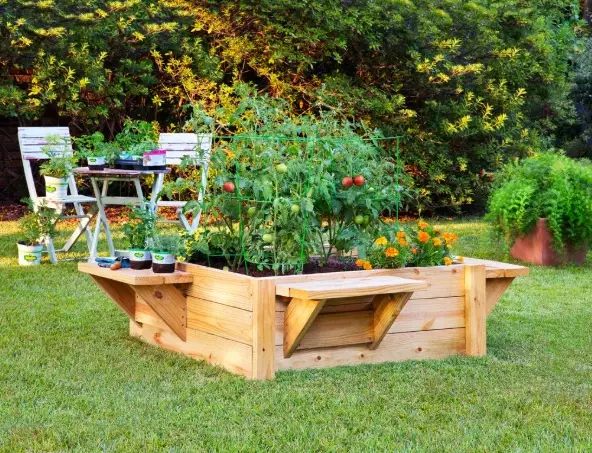
Add a narrow, flat cap board on top of the frame to sit on while you weed. Install a trellis on the north side of the bed for peas, beans, or cucumbers to climb, saving space. These little tweaks come from experience and make the daily act of gardening more pleasant.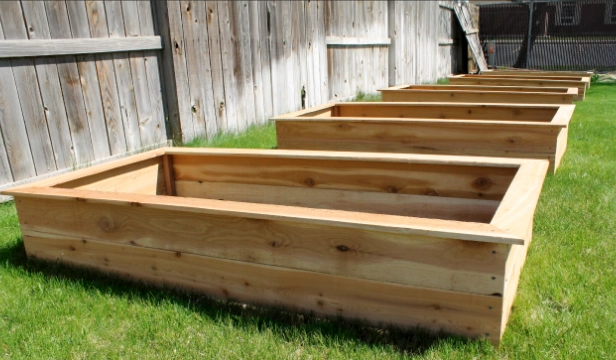
Common Questions & Mistakes (I've Made Most of These)
1. Compost (for nutrients)
2. Peat Moss or Coco Coir (for moisture retention)
3. Vermiculite or Perlite (for aeration and drainage)
This mix is light, fertile, and a joy for roots to grow in. Your local cooperative extension service (like University of Minnesota Extension) often has excellent, region-specific soil recipes.
One big mistake I see?
Forgetting about paths. You need space between beds! Grass paths get muddy. I use a thick layer of wood chips (often free from tree companies) or gravel. It keeps your feet dry and looks tidy.
Wrapping It Up: Your Garden Awaits
Look, the perfect diy raised garden bed design isn't the one with the most pins on Pinterest. It's the one that gets built, filled with soil, and planted. It's the one that fits your life.
Start simple. A basic rectangle with safe, durable materials. Follow the steps, take your time with leveling, and invest in good soil. That first bite of a tomato you grew in a bed you built with your own hands? There's nothing like it. The sense of accomplishment is its own harvest.
The resources are out there. Your local university's agricultural extension office is a treasure trove of free, localized advice. Sites like the Old Farmer's Almanac Garden Planner can help you lay out your plants. But now, you have the foundation—literally. You understand the why behind the designs, the trade-offs of materials, and the basic build process.
So, pick a weekend, grab some lumber, and get started. Your backyard masterpiece—and your future salads—are waiting.
Reader Comments