In This Guide
Let's be honest. Building a raised garden bed is the easy part. The real head-scratcher comes when you're standing there, shovel in hand, staring into that empty wooden frame. What on earth do you fill it with? More importantly, what should you avoid putting in there? It's a question that has tripped up more gardeners than you'd think, myself included. I learned the hard way that just grabbing whatever soil is cheap or convenient can set your garden back an entire season, or worse, doom it from the start.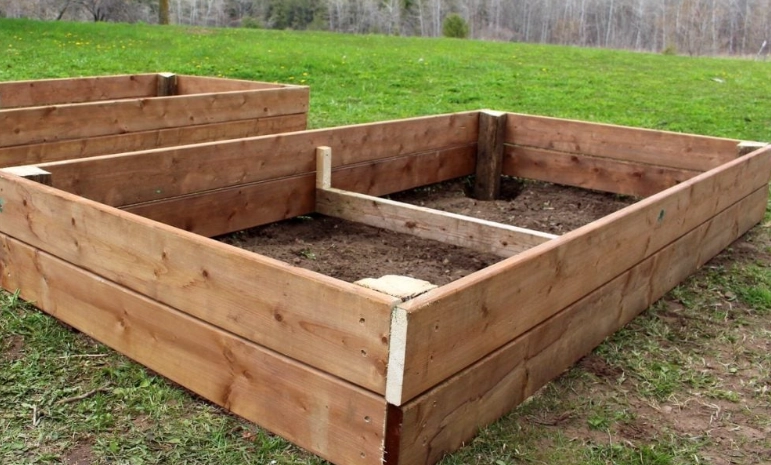
This isn't just about dirt. It's about creating a living, breathing foundation for your plants. Get it wrong, and you'll be battling poor drainage, nutrient deficiencies, and stunted growth. Get it right, and you'll have a low-maintenance powerhouse of productivity. So, let's cut through the confusion and the backyard myths. We're going to talk frankly about what not to fill raised beds with, why those materials are a problem, and then we'll get into the good stuff—the simple, effective recipes for success.
Bottom Line Up Front: The biggest mistake is treating your raised bed like a trash can for yard waste or a dumping ground for subpar soil. Its purpose is to provide a superior growing environment, not just a contained one.
The Absolute No-Gos: What Not to Fill Raised Beds With
This is the critical list. These are the materials that, in my experience and according to soil science, will cause more problems than they solve. I've grouped them because some mistakes are about texture, others about chemistry, and some are just plain bad ideas.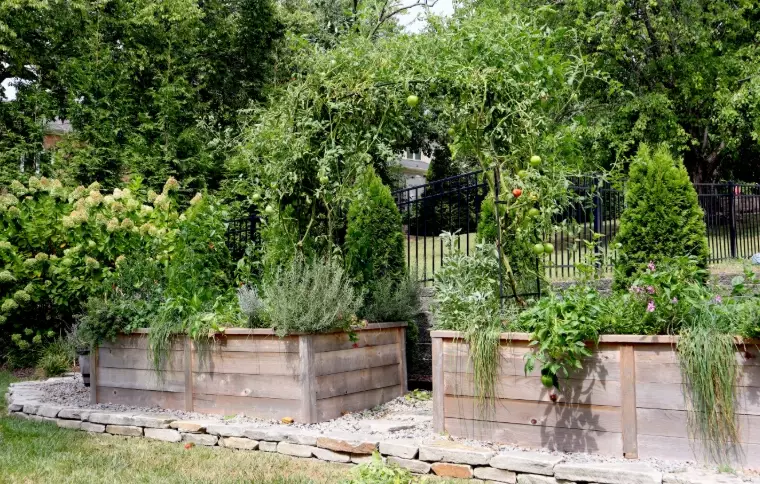
1. Plain Old Dirt (Especially Clay or Subsoil)
This is the #1 mistake, hands down. "I'll just dig up some soil from my yard and throw it in." Stop right there. Native soil, particularly if it's heavy clay, is a recipe for failure in a raised bed.
Why it's terrible: Raised beds are celebrated for their excellent drainage. Clay soil turns into an impermeable, hard-packed brick when wet and cracks like a desert when dry. It suffocates roots. Subsoil (the layer below the topsoil) is notoriously lifeless—devoid of the organic matter and microbial activity that plants crave. You're essentially creating a pretty prison with terrible conditions.
My first raised bed was filled with clay from a landscaping project. I thought I was being thrifty. The tomatoes just sat there, yellow and miserable, until I finally admitted defeat and emptied the whole thing. A brutal and back-breaking lesson.
If you must use some native soil to bulk up volume, limit it to no more than 1/3 of the total mix, and only if it's decent loamy topsoil. Break up any clumps thoroughly.
2. 100% Compost or Manure
This one surprises people. "But compost is gold!" Yes, it is—an amendment, not a growing medium on its own.
Think of pure, sifted compost like a rich, dense sponge. It holds too much water, which can lead to waterlogged roots and rot. More subtly, it's too high in soluble salts and nutrients. This can actually "burn" plants (especially young seedlings) and lead to crazy, imbalanced growth (all leaves, no fruit). Fresh, uncomposted manure is even worse—it's so "hot" with ammonia and salts it can kill plants outright and may contain pathogens you don't want near your vegetables.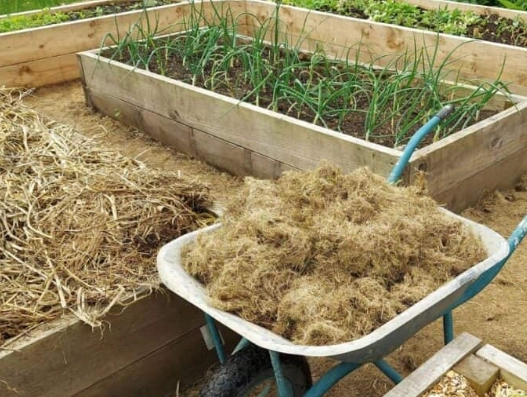
3. Untreated Wood Chips, Bark, or Large Chunks of Organic Matter
Here's where the "lasagna gardening" or "hugelkultur" advice gets misunderstood. While layering *small* sticks or *rotted* wood at the very bottom of a deep bed can work, filling any significant portion of your bed with fresh wood chips or big bark chunks is a nitrogen robbery in progress.
As soil microbes work to break down that raw, carbon-heavy wood, they need nitrogen to do the job. They'll steal it from the surrounding soil, competing directly with your plants and causing nitrogen deficiency (you'll see it as yellowing leaves). This process can last for years. You're not making soil; you're running a microbial buffet at your plants' expense.
Key Distinction: Well-composted, finished mulch is fine for the *top* layer to retain moisture. The problem is using raw, chunky material as a primary *filler* within the root zone.
4. Grass Clippings (In Bulk) and Certain Leaves
A thin layer of dried grass clippings as mulch? Okay. Dumping the entire bag from your mower into the bed as filler? Bad idea. Fresh grass clippings mat down into a slimy, anaerobic, smelly layer that heats up as it decomposes. This can harm roots and, again, tie up nitrogen.
Similarly, some tree leaves (like black walnut, which contains juglone, a natural herbicide) or thick, waxy leaves (like magnolia) decompose very slowly and can inhibit growth. Oak and maple leaves are great—but only after they've been composted or shredded. Never use them fresh in quantity.
5. Rocks, Gravel, or Sand at the Bottom (For "Drainage")
This is a persistent myth that needs to die. The idea is that putting a layer of rocks in the bottom of a container improves drainage. In reality, it does the opposite. It creates a phenomenon called a "perched water table."
Water moves easily through the fine soil but then hesitates to cross the boundary into the much coarser layer of rocks. It pools right above the rocks, keeping the bottom layer of your soil soggy—exactly where many deep roots are trying to grow. The only thing you should put at the very bottom of a raised bed is a single layer of hardware cloth (to deter burrowing pests) right on top of the ground. Let the native earth below be your drainage layer.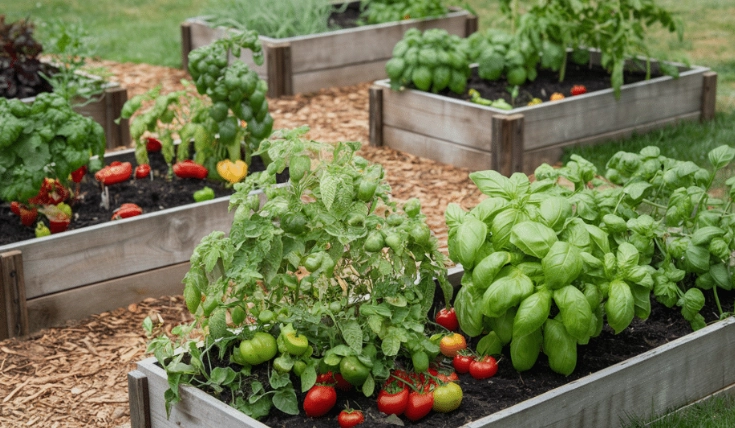
6. Synthetic Materials or Contaminated Soil
This should go without saying, but avoid any soil or fill that might contain construction debris, chemical contaminants, or old pressure-treated wood (pre-2004, which contained arsenic). Be wary of mysterious "free fill dirt" offers. If you're reclaiming an urban lot, consider getting a basic soil test for heavy metals. The U.S. Environmental Protection Agency has resources on understanding soil contamination.
So, if all of that is off the table, what on earth *can* you use? Let's pivot to the practical solutions.
The "Handle With Care" List: Controversial or Conditional Fillers
Some materials aren't outright villains, but they require specific handling or understanding of their drawbacks. Knowing what not to fill raised beds with often involves these gray-area items.
Peat Moss (The Environmental & Practical Debate)
Peat moss is a common ingredient in potting mixes. It's great for moisture retention and acidity. However, there are two major catches. First, it's harvested from ecologically sensitive peat bogs, which are massive carbon sinks. Its harvest is not sustainable, making it an increasingly frowned-upon choice for eco-conscious gardeners. Second, when dry, it becomes hydrophobic—it repels water. If your peat-based mix ever dries out completely, re-wetting it is a nightmare. You're better off using coconut coir, which has similar properties but is a renewable byproduct of the coconut industry.
Sand (Only If You Know What You're Doing)
Adding a *small* amount of coarse, sharp sand or builder's sand (not fine play sand, which compacts) can help improve drainage in a clay-heavy native soil you're amending. But as a primary filler? No. Sand alone has zero nutrient value and poor water-holding capacity. It's just... heavy, inert grit. A classic soil recipe for raised beds is the "Mel's Mix" from Square Foot Gardening: 1/3 compost, 1/3 peat moss or coir, 1/3 coarse vermiculite. Notice sand isn't in it.
Straw vs. Hay
Confusion here is common. Straw is the hollow stalks of grain plants after harvest; it's a great, low-nutrient brown material for composting or as a top mulch. Hay is cut grass/legumes, often containing seeds. Using hay as filler or mulch will result in a bed full of grass and weed sprouts. Stick with straw if you're using it, and even then, it's better composted first.
Now, let's get concrete. You know what to avoid. Here’s a quick-reference table summarizing the top offenders and the rationale, because sometimes you just need to see it all in one place.
| Material to Avoid | Primary Reason It's a Problem | What Happens to Your Plants |
|---|---|---|
| Heavy Clay or Native Subsoil | Poor drainage, compaction, low fertility. | Waterlogged roots, stunted growth, oxygen starvation. |
| Pure Compost or Manure | Too nutrient-dense, poor structure, can "burn." | Nutrient toxicity, salt burn, weak root development. |
| Fresh Wood Chips/Bark | Triggers nitrogen draw-down as it decomposes. | Severe nitrogen deficiency, yellowing leaves, poor growth. |
| Rocks/Gravel at Bottom | Creates a perched water table, impedes drainage. | Soggy root zone, root rot, poor plant health. |
| Fresh Grass Clippings (in bulk) | Mats down, decomposes anaerobically, heats up. | Root damage, foul odors, nitrogen imbalance. |
See a pattern? Most mistakes involve disrupting the critical balance of air, water, and nutrients.
So, What *Should* You Fill Your Raised Bed With?
After all that talk of what not to fill raised beds with, the solution is almost anti-climactically simple. You want a light, fluffy, well-draining, yet moisture-retentive mix that's rich in organic matter. It's easier than it sounds.
The gold standard, especially for shallower beds (under 18 inches), is a soilless mix. This bypasses all the problems of bad native soil. The most famous recipe is Mel Bartholomew's "Mel's Mix" mentioned earlier:
- 1/3 by volume of Compost: Get it from several different sources if you can (municipal compost, mushroom compost, your own pile). This diversifies the nutrients and microbial life.
- 1/3 by volume of Coir (or Peat Moss): Coconut coir is my strong preference for its sustainability and easier re-wetting.
- 1/3 by volume of Coarse Vermiculite: This is the magic ingredient. It's a mined mineral that's been heated and expanded. It holds a tremendous amount of water *and* air, keeping the mix light and roots happy. Perlite can be used, but it's dustier and floats over time.
Yes, this mix costs money upfront. But it will last for years with annual top-ups of compost. For deeper beds, you can use a technique called "lasagna" or "layer" filling to save on cost without sacrificing quality at the root zone.
The Layered ("Lasagna") Method for Deep Beds
This is perfect for beds over 18 inches deep. The goal is to put bulk, slow-rotting material in the bottom third to half, reserving the premium mix for the top where the roots will live.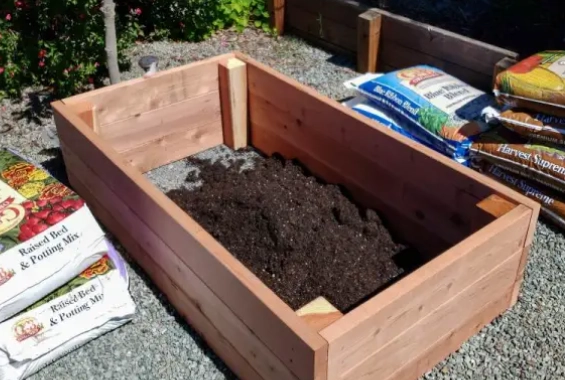
- Bottom Layer (Bulk): Fill the bottom 30-50% with upside-down sod (grass-side down), small, rotten logs, twigs, shredded fall leaves, or even plain cardboard. This material will decompose very slowly over years, providing some organic matter and creating a sponge effect. Do not use fresh wood chips here. Use only well-rotted wood or small branches.
- Middle Layer (Transition): Add a 4-6 inch layer of a rougher soil mix—perhaps some decent topsoil blended with unfinished compost or leaf mold.
- Top Layer (The Premium Zone): The top 12-18 inches should be your best mix—the "Mel's Mix" or a high-quality commercial raised bed soil. This is where 90% of the roots will be, so don't skimp here.
This method answers the question of what not to fill raised beds with by strategically placing less-than-ideal materials where they can break down slowly without harming plant roots, while investing in quality where it counts most.
Common Questions on Raised Bed Fillers
Can I use bagged topsoil from the garden center?
You can, but you must amend it. Bagged topsoil is often too heavy and dense on its own. Mix it 50/50 with compost and some coarse material like perlite or very fine bark to improve its texture. Always check the bag—some are great, some are basically just sand and silt.
What about using leaves from my yard? You said some are bad.
Shred them first! Run over them with a mower. Whole leaves form a mat. Shredded leaves decompose much faster and integrate well. Best to compost them for a season first, or use them in the bottom "lasagna" layer. Avoid walnut leaves entirely.
Is it okay to fill the bed over time?
Absolutely. If budget or material is an issue, you can build the bed, fill the bottom with your bulk layers (logs, leaves), and then fill the top 8-10 inches with your good mix. The next season, as the bottom layers settle, you can add more of your premium mix on top. It's a dynamic system.
How often do I need to refill or replace the soil?
You never fully replace it. Each spring, before planting, top it up with 1-2 inches of fresh, high-quality compost and gently mix it into the top few inches. This replenishes nutrients and organic matter that has decomposed or been used by plants. The soil just gets better every year.
Where can I learn more about soil science for gardening?
Your local University Cooperative Extension office is an incredible, science-based resource. They often offer soil testing and region-specific gardening guides.
Putting It All Together: Your Action Plan
Alright, let's wrap this up with a simple checklist so you don't have to remember every detail. The core principle of knowing what not to fill raised beds with is about protecting that perfect root environment you're trying to create.
Your Raised Bed Filling Checklist:
- DO: Use a light, soilless mix (compost/coir/vermiculite) for the top 12-18 inches.
- DO: Use lasagna layers (rotted wood, shredded leaves) ONLY in the bottom of deep beds to save on mix.
- DO: Top-dress with 1-2 inches of compost every spring.
- AVOID: Heavy clay, pure compost, fresh wood chips, rocks at the bottom, and mystery fill dirt.
- REMEMBER: The goal is a mix that holds both moisture and air—fluffy, not dense.
Getting the foundation right is the single most important thing you'll do for your raised bed garden. It seems like a big upfront task, but it pays off every single day of the growing season with healthier plants, fewer problems, and much bigger harvests. Skip the shortcuts, avoid the common pitfalls of what not to fill raised beds with, and build your garden on a solid, literal, foundation. Your plants (and your back) will thank you for years to come.
Now go fill that bed with confidence.
Reader Comments