What’s Inside
Alright, let's get our hands dirty. You've built (or are about to build) a beautiful raised bed. The sun is shining, your seeds are waiting, and then you hit the big question: what on earth do you fill it with? You can't just shovel in dirt from the yard and hope for the best. I learned that the hard way my first season—stunted plants, weird drainage, just a mess. The truth is, the soil you choose is the single most important factor for your garden's success. It's the foundation. Get it right, and you're setting yourself up for a ridiculously productive season. Get it wrong, and you'll be fighting problems until you replace it.
So, what is the best soil mix for a raised bed? After years of trial, error, and talking to far more experienced gardeners than me, I've settled on a formula that just works. It's not a secret, but it's a specific recipe. Think of it like baking a cake. You need the right ingredients in the right proportions. The classic, gold-standard recipe is often called "Mel's Mix," popularized by the Square Foot Gardening method. It's a fantastic starting point, and we'll use it as our blueprint.
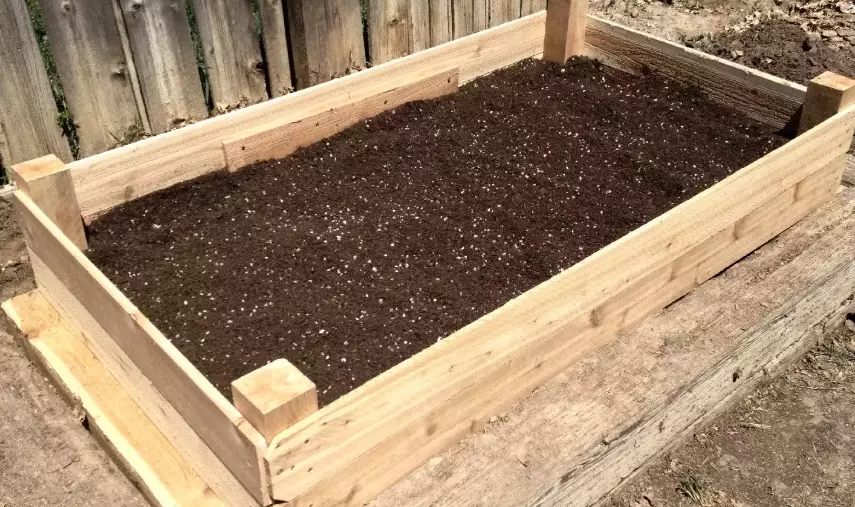
The Core Recipe: The best soil mix for a raised bed is a 1:1:1 blend of compost, peat moss (or coconut coir), and coarse vermiculite.
Simple, right? But the devil—and the success—is in the details. Let's break down each ingredient and understand why it's there, what you can substitute, and how to tweak it for your specific needs. Because maybe you're growing thirsty tomatoes, or maybe you're on a tight budget (who isn't?). We'll cover all of that.
Why This Trio Works: The Science of a Perfect Home
Raised beds have unique needs. They drain faster than in-ground gardens, and the soil is contained, so it needs to be rich and self-sufficient. Our three-ingredient mix tackles the three pillars of plant health: nutrients, moisture management, and soil structure.
Ingredient 1: Compost (The Nutrient Powerhouse)
This is your plant's food bank. Good compost is alive with microorganisms that break down organic matter, releasing nutrients slowly and steadily. It improves soil structure and helps with water retention. But not all compost is created equal.
- Best Practice: Use multiple types of compost. I like to blend at least two or three different sources. Why? Each source brings a different nutrient profile and microbial community. Think of it as a balanced diet for your soil.
- My Go-To Blend: 50% municipal or commercial compost (often a good, balanced base), 25% mushroom compost (great for moisture retention and adding bulk), and 25% composted manure (like cow or chicken—make sure it's well-aged or it'll burn your plants!). Worm castings are an incredible (but pricier) addition you can mix in a handful per square foot.
Watch Out: Avoid compost that smells sour or like ammonia. It's not finished breaking down. Also, be cautious with bagged compost from big box stores—quality can be inconsistent. I've opened bags that were mostly shredded wood, which will rob nitrogen from your soil as it decomposes. A local landscape supply company often has better, bulk options.
Ingredient 2: Peat Moss or Coconut Coir (The Moisture Manager)
This is the sponge. Its job is to absorb water and hold it, releasing it slowly to plant roots. It also lightens the soil mix, preventing compaction.
Peat Moss: The traditional choice. It's acidic, which can help balance alkaline soils. However, there are legitimate environmental concerns about peat harvesting damaging fragile bog ecosystems. It's a non-renewable resource on a human timescale. I've started using it less.
Coconut Coir: My personal preference these days. It's a byproduct of the coconut industry, so it's more sustainable. It holds even more water than peat moss (up to 10x its weight!) and is pH neutral. The bricks are a bit of a workout to rehydrate, but it's worth it. Just make sure you get a brand that rinses out the salt—poorly processed coir can be high in sodium.
Ingredient 3: Coarse Vermiculite (The Aeration Ace)
This is the lungs of the soil. Those little white, popcorn-like particles create permanent air pockets. Roots need oxygen, and water needs pathways to drain. Vermiculite also holds some water and nutrients (like potassium and magnesium) on its surface. Get the coarse grade (#3 or #4). The fine stuff is useless for this purpose—it turns to mush.
Some people substitute perlite. Perlite is great for aeration but it's dusty, floats to the top over time, and doesn't hold nutrients. Vermiculite is the better all-rounder for a raised bed mix, in my opinion.
But Wait... That Sounds Expensive! Filling Strategies on a Budget
Let's be real. Filling a deep raised bed entirely with that premium mix can cost a small fortune. I have a 4x8 bed that's 18 inches deep. Do the math—that's 48 cubic feet of soil! Nobody wants to spend hundreds of dollars before they even plant a seed.
Here's the secret veteran gardeners use: you don't fill the entire bed with the good stuff. You use a technique called "Hügelkultur-lite" or simple layering to fill the bottom half to two-thirds with bulky, cheap, or free materials. This saves money, improves drainage, and as the organic matter breaks down, it feeds your garden from below for years.
Here’s my budget-friendly filling strategy, from the bottom up:
- The Very Bottom (Optional): A layer of hardware cloth to keep out burrowing pests like voles.
- The Bulk Layer (Bottom 50-60%): Upside-down sod (if you just removed lawn), logs, branches, twigs, old untreated wood, crushed leaves, straw, even cardboard. This is your sponge and long-term nutrient bank. It will slowly decompose.
- The Middle Layer (Next 20-30%): A mix of cheaper materials like topsoil (screened if possible), partially decomposed compost, or even spent potting soil from last year's containers.
- The Top Layer (Top 20-30%, at least 6-8 inches deep): This is where you use your premium 1:1:1 mix. This is the root zone for most of your plants, so it needs to be perfect.
By doing this, you might only need 12-16 cubic feet of the premium mix for that 4x8 bed instead of 48. That's a massive savings.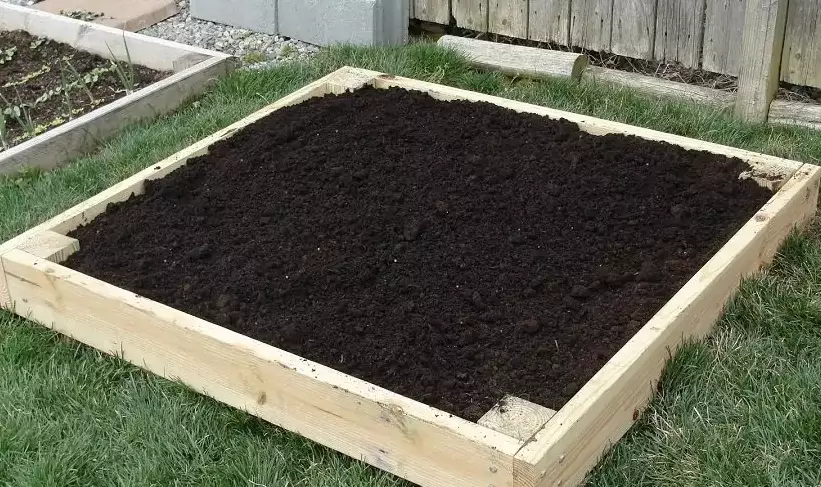
Tailoring Your Mix: It's Not One-Size-Fits-All
The basic recipe is versatile, but sometimes you need to tweak it. The best soil mix for a raised bed of tomatoes might be slightly different from the best mix for carrots or blueberries.
| What You're Growing | Recommended Tweak to the Basic 1:1:1 Mix | Why It Helps |
|---|---|---|
| Root Vegetables (Carrots, Radishes) | Add 1 part sharp, coarse sand (builder's sand, not play sand). Aim for a mix like 1-1-1-0.5 (compost, coir, vermiculite, sand). | Sand improves drainage and loosens the soil, allowing roots to penetrate easily and grow straight without forking. |
| Heavy Feeders (Tomatoes, Peppers, Squash) | Increase the compost portion slightly. Use a richer compost blend with more manure or worm castings. Consider mixing in a handful of granular, organic fertilizer per square foot at planting time. | These plants are greedy. They need a steady, abundant supply of nutrients to produce large fruits all season long. |
| Acid-Loving Plants (Blueberries, Azaleas in beds) | Use peat moss (not coir) and mix in a significant amount of pine bark fines or composted pine needles. Test and amend pH to target 4.5-5.5. | These plants require acidic soil to access iron and other nutrients. Peat and pine products help lower and maintain a low pH. |
| Succulents & Mediterranean Herbs (Rosemary, Lavender) | Dramatically increase drainage. Use a mix like 1 part compost, 1 part coir, and 2 parts perlite or coarse sand. Go easy on the compost. | These plants hate "wet feet." They need soil that drains extremely quickly to prevent root rot. Nutrient-poor soil often encourages more aromatic herbs. |
Common Mistakes and How to Dodge Them
I've made most of these. Consider this a gift of foresight.
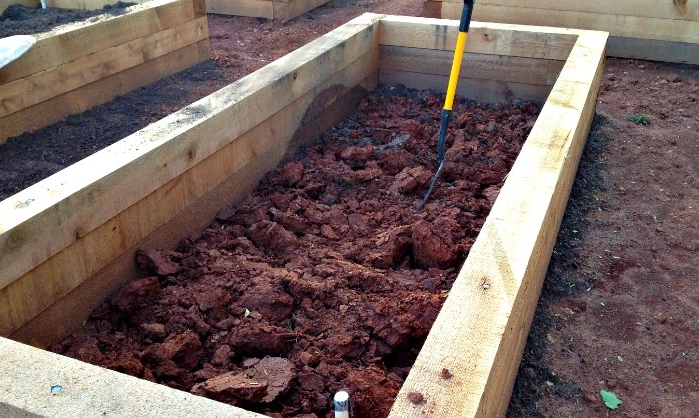
Mistake 1: Using Pure Bagged Topsoil or Garden Soil. This is the biggest one. Bagged "garden soil" is often heavy, dense, and meant to be mixed into native ground. In a raised bed, it will compact into a brick-like substance that drowns roots. It's a surefire path to failure.
Mistake 2: Forgetting About Soil Settlement. Your fluffy new mix will settle, a lot, especially if you used the layering method. Fill your bed to the absolute brim, even mound it a little in the center. It will settle several inches over the first few weeks.
Mistake 3: Not Testing or Amending Over Time. That perfect soil mix won't stay perfect forever. Plants eat the nutrients. Each season, you need to refresh it. The easiest way? Top-dress with 1-2 inches of fresh compost in the spring and fall. It's like an annual vitamin boost. Every few years, get a soil test from your local cooperative extension office. It's cheap and tells you exactly what your soil needs—no guesswork.
Mistake 4: Letting It Dry Out Completely. Peat moss and coir have a weird property: when they become bone-dry, they actually become hydrophobic—they repel water. You'll see water just run off the surface. If this happens, you need to slowly re-wet the bed with a gentle spray over several hours.
Pro Tip for Year 2+: Between seasons, plant a cover crop like winter rye or crimson clover. It prevents erosion, suppresses weeds, and when you chop it down in spring, it becomes "green manure" that adds organic matter and nutrients back into your beautiful soil mix.
Your Questions, Answered (The FAQ)
Let's tackle some of the specific things people wonder when they ask, "What is the best soil mix for a raised bed?"
Wrapping It Up: Your Action Plan
Finding the best soil mix for a raised bed isn't about finding a magic product. It's about understanding a principle: you need a blend that provides nutrition, moisture control, and air. Start with the 1:1:1 framework (compost, moisture manager, aeration). Don't be afraid to use the layering method to save money—it's smart, not cheating. Tailor it slightly for what you grow. And most importantly, plan to feed and renew your soil every single year. It's a living ecosystem, not just dirt.
The initial work of building the right soil is the hardest part. But once it's done, you've created an incredible resource. A deep, fluffy, fertile raised bed is a joy to plant in, a dream to weed, and will reward you with healthier plants and bigger harvests than you ever thought possible from your backyard. Now go mix up a batch. Your garden is waiting.
Reader Comments