In This Guide
- What Does a Fully Grown Asparagus Plant Really Look Like? (Beyond the Spear)
- The Lifecycle of an Asparagus Bed: From Year One to Decade Twenty
- Choosing the Right Variety: It's Not Just Green vs. Purple
- The Non-Negotiable Care Routine for a Mature Bed
- The Harvest: How, When, and How Much from a Mature Plant
- Solving Problems: What's Wrong With My Asparagus?
- Dividing and Propagating a Mature Crown
- The Long Game: Why It's All Worth It
Let's be honest, most gardening articles make growing asparagus sound like a passive, "set it and forget it" hobby. They gloss over the real, sometimes frustrating, details of what happens after those first few wispy spears become a towering, ferny jungle in your garden. You're not just looking for basic planting tips—you want to know what to do with this perennial powerhouse once it's truly established. That's the gap we're filling today.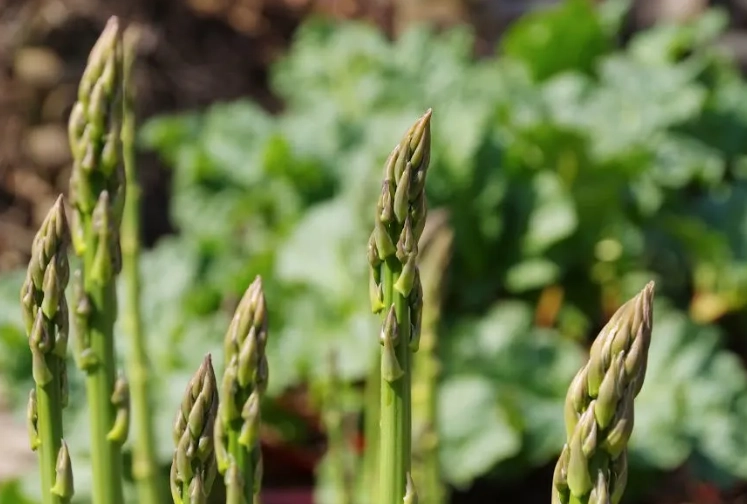
I remember the first time I let my asparagus bed go fully dormant. I stared at the brown, crispy ferns, a pang of doubt hitting me. Had I killed it? Was all that waiting for nothing? Turns out, that's exactly what a healthy, fully grown asparagus plant is supposed to do. This guide is everything I wish I'd known back then.
What Does a Fully Grown Asparagus Plant Really Look Like? (Beyond the Spear)
Everyone knows the edible spear. But the plant's life has two distinct phases, and understanding both is crucial.
The Harvest Phase: The Spear
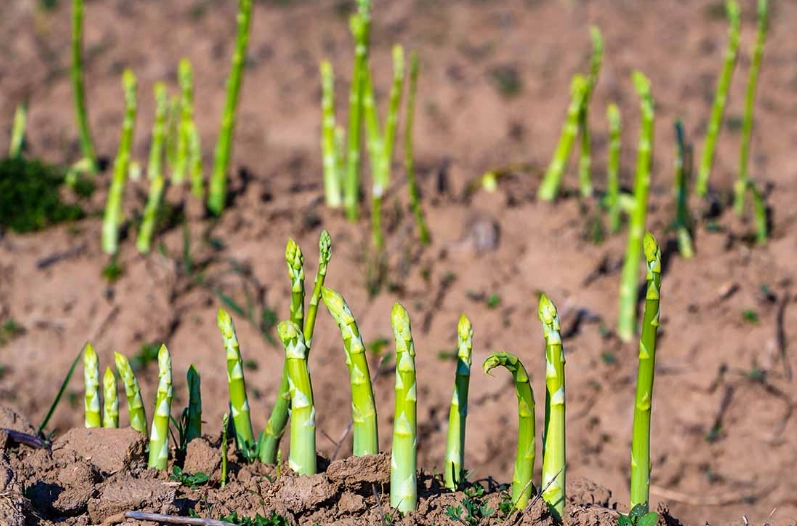
This is the brief, delicious window in spring. Spears emerge from the crown (the underground root mass) and, if left unharvested, they rapidly begin to unfurl. A spear ready for harvest is typically about 6-10 inches tall and about as thick as your index finger, though this varies by variety. The tip should be tight and compact.
The Fern Phase: The Energy Factory
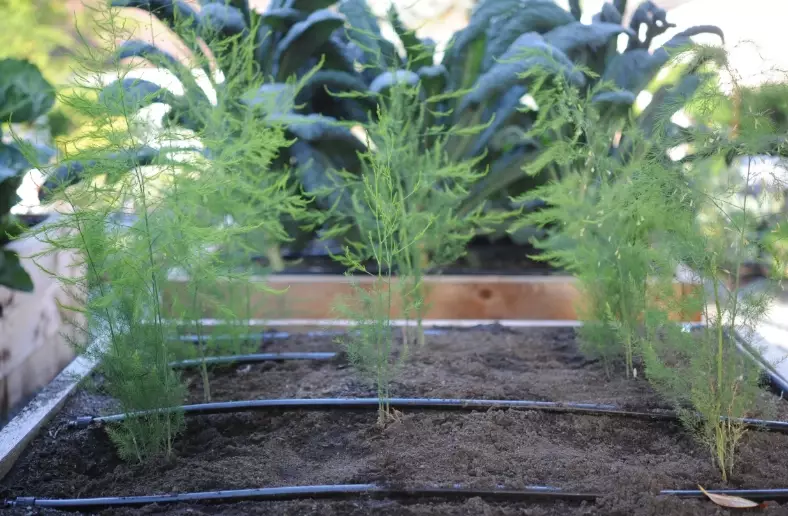
This is the plant's true, mature form for 75% of the year. Once a spear is allowed to grow, it transforms into a tall, feathery, photosynthetic fern. This is not a "weed" or a sign you've missed harvest—this is the mature asparagus plant at work. These ferns, which can reach 4 to 6 feet tall, are solar panels. They capture sunlight all summer long, producing carbohydrates that are sent down to the crown to store for next year's spear production.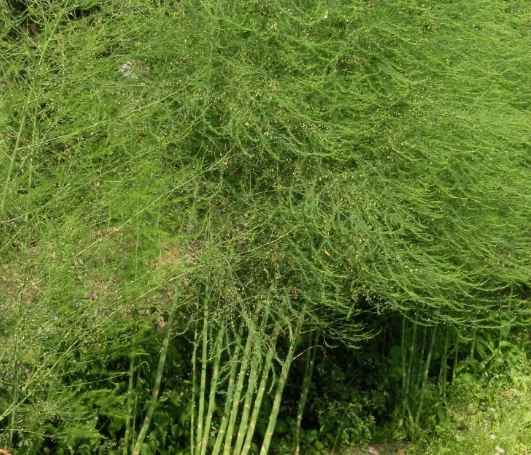
You see the connection? How you treat the fern directly impacts next spring's harvest. Neglect the fern, and you're essentially starving the crown of its future food supply.
It's a beautiful cycle, honestly.
The Lifecycle of an Asparagus Bed: From Year One to Decade Twenty
Patience isn't just a virtue here; it's the rule. Here’s what to expect, year by year.
- Year 1 (The Planting Year): You plant dormant crowns or start from seed (much slower). Focus is on root establishment. No harvest. Let all spears become ferns.
- Year 2 (The Building Year): The plant is stronger, producing more substantial ferns. Most experts still say no harvest, or a very light one (2-3 weeks max). The goal is still building crown energy.
- Year 3 (The First Real Harvest): Now you're talking. The fully grown asparagus plant system is coming online. You can harvest for a full season, typically 6-8 weeks. Stop when spear diameter starts to consistently thin.
- Years 4-15+ (Prime Production): This is the golden era. A well-maintained bed will give you a reliable, abundant harvest each spring for over a decade. The care now is about maintenance, not establishment.
Choosing the Right Variety: It's Not Just Green vs. Purple
This decision impacts your harvest for decades. It's worth getting right. While 'Mary Washington' is the old reliable, newer hybrids offer serious advantages, particularly in disease resistance.
Gardeners who want an early harvest and consistent, restaurant-quality spear size.
| Variety | Type/Color | Key Characteristics | Best For... |
|---|---|---|---|
| 'Jersey Knight' | All-male hybrid (Green) | Excellent cold tolerance, high yield, strong resistance to fusarium wilt and rust. Males don't waste energy on seeds. | Cold climates, gardeners wanting maximum spear production with less disease worry. |
| 'Purple Passion' | Open-pollinated (Purple) | Beautiful purple spears that turn green when cooked. Sweeter, more tender flavor. Slightly lower yield than top hybrids. | Gardeners prioritizing flavor and visual appeal. Great for eating raw in salads. |
| 'Mary Washington' | Open-pollinated (Green) | The heirloom standard. Reliable, good flavor, widely available. Produces both male and female plants (females make red berries). | Traditionalists, those on a budget, or first-timers testing the waters. |
| 'Jersey Supreme' | All-male hybrid (Green) | Early producer, very uniform spears, high yield. Good disease resistance package. | Gardeners who want an early harvest and consistent, restaurant-quality spear size. |
My personal take? After losing part of an heirloom bed to rust, I'm now all-in on the disease-resistant male hybrids like 'Jersey Knight'. The yield difference is noticeable, and I spend less time worrying. The 'Purple Passion' is fun, but for my main bed, reliability wins.
The Non-Negotiable Care Routine for a Mature Bed
Once established, care is seasonal and logical.
Spring (Harvest & Launch)
- Harvest: Snap spears at soil level when 6-10" tall. Stop when spear diameter is less than pencil-thick.
- Fertilize: Right after the final harvest, give plants a balanced fertilizer (like 10-10-10) or a generous side-dressing of well-rotted compost. This feeds the emerging ferns.
- Weed Control: Be vigilant. Asparagus hates competition. Shallow cultivation or mulching is key.
Summer (Fern Growth & Maintenance)
- Let the Ferns Grow: Do not cut them down! Stake or cage tall ferns if they flop over in wind or rain to keep them upright and photosynthesizing efficiently.
- Watering: Deep watering during droughts. The fully grown asparagus plant has deep roots but still needs moisture, especially in sandy soils.
- Pest Patrol: Watch for asparagus beetles (red/black or spotted). Hand-pick or use organic sprays like neem oil if infestation is severe. The University of Minnesota Extension has excellent, detailed photos for identifying these pests.
Fall & Winter (Dormancy & Cleanup)
- Do NOT cut green ferns. Wait until they are completely yellow or brown after a hard frost. This signals the plant has pulled all energy back into the crown.
- Cut and Remove: Cut dead ferns at ground level and remove them from the garden. This is critical for disease prevention, as pests and pathogens can overwinter in the debris.
- Mulch: After the ground freezes, a layer of straw or shredded leaves can protect crowns in very cold climates.
The Harvest: How, When, and How Much from a Mature Plant
This is the payoff. For a crown in its prime (years 4-12), you can expect a harvest window of 6 to 8 weeks, depending on your climate.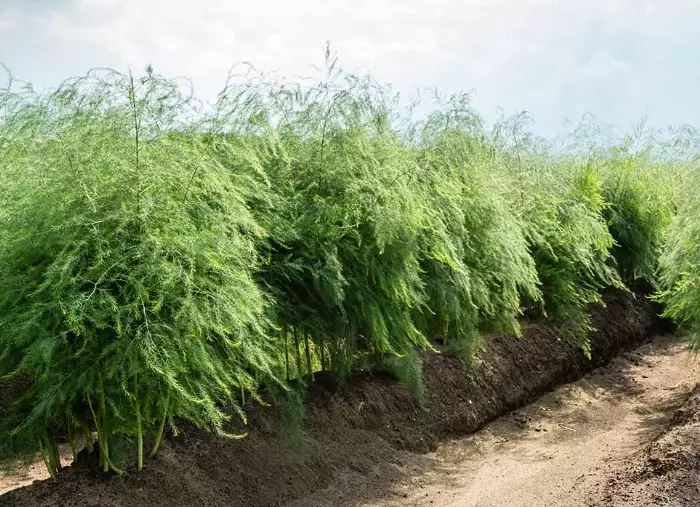
How to Harvest: The classic method is to snap the spear by hand. Bend it near the base; it will break naturally at the tender point. This is faster and cleaner than cutting. Some argue cutting with a knife can risk damaging emerging spears you can't see.
When to Stop: This is the art. Stop harvesting when the majority of new spears are noticeably thinner than a pencil. The plant is telling you its stored energy is depleting. It's time to let it recharge.
Listen to the plant.
Solving Problems: What's Wrong With My Asparagus?
Even a mature asparagus plant can run into trouble. Here’s a quick diagnostic list.
- Thin, Spindly Spears: The #1 complaint. Causes: Over-harvesting (stopping too late), under-fertilizing, overcrowding (needs dividing), or the bed is simply too old (15+ years).
- Ferns Turning Yellow Prematurely (Summer): Often a sign of disease (like fusarium wilt) or severe insect damage (asparagus beetles skeletonizing ferns).
- Spears Rotting at Soil Line: Could be asparagus crown rot (a fungal disease). Often linked to poor drainage or planting too deep. The Penn State Extension guide on asparagus diseases is a fantastic resource for identifying specific pathogens.
- No Spears Emerging in Spring: A true disaster. Possible causes: Crowns were killed over winter (rare in established beds), the bed was completely smothered by a heavy, wet mulch, or—most likely—you accidentally tilled or dug into the crown area.
Dividing and Propagating a Mature Crown
After 8-10 years, a crown can become so large and crowded that production declines. It's time to divide. This is a major surgery, best done in early spring just as growth begins or in late fall after dormancy.
- Dig up the entire massive crown carefully with a garden fork.
- Wash off the soil so you can see the structure—a tangled mass of roots and buds ("eyes").
- Using a sharp, clean knife or even a saw, cut the crown into sections. Each section needs at least 2-3 healthy-looking buds and a good chunk of roots attached.
- Replant the divisions immediately, following standard planting depth and spacing. Treat them like new plants—no harvest for 2 years to let them recover.
It's a brutal process, and the plant will be set back. But it can revitalize an old bed for another decade of production.
The Long Game: Why It's All Worth It
There's a unique satisfaction that comes from a perennial food crop. While you're replanting your tomatoes and beans every year, the asparagus bed is just there, quietly gathering strength under the snow. Then, one of the first warm days of spring, you'll see those fat, purple-tinged tips pushing through the mulch.
That first snap, that first taste—it's incomparable. It tastes like patience, and like a promise kept by the land.
Caring for a fully grown asparagus plant is less about constant doing and more about strategic, timely interventions. It's about understanding the cycle and respecting the plant's need to build energy for tomorrow. It teaches you to garden on a different timescale.
Start right, be patient, and you're not just planting a vegetable. You're planting a legacy in your garden that will feed you for a significant portion of your life. Not many garden investments can claim that.
Reader Comments