In This Article
- Why the Classic "Stem Cutting" Method Fails for Asparagus
- The Right Way: Propagating Asparagus by Crown Division
- Planting and Caring for Your Asparagus Divisions
- How Does Crown Division Compare to Other Methods?
- Your Asparagus Propagation Questions, Answered
- Common Pitfalls and How to Avoid Them
- Wrapping It Up: Your Path to More Asparagus
If you're here, you've probably been scrolling through garden forums or Pinterest boards, dreaming of multiplying your asparagus patch with a few simple snips. The idea of how to grow asparagus from cuttings sounds wonderfully straightforward, doesn't it? Take a piece of stem, pop it in soil, and wait for a new plant. I get it. I was in the same boat a few seasons back, staring at my expensive supermarket asparagus and thinking, "There has to be an easier, cheaper way."
Well, I'm going to be straight with you from the start. The classic notion of taking a stem cutting from an asparagus spear and rooting it like you would a tomato or basil plant? It's pretty much a gardening myth. It fails, almost every single time. I wasted a good batch of spears trying to prove the internet wrong before I dug deeper (pun intended).
Here’s the core truth most articles gloss over: Asparagus (*Asparagus officinalis*) is not a plant that propagates readily from softwood or hardwood stem cuttings. Its growth and regeneration come from an underground network of buds and storage organs called the crown. Trying to root a spear is like trying to grow a new tree from a fallen leaf.
But don't close the tab just yet. When gardeners and experts talk about propagating asparagus from "cuttings" or "divisions," they're almost always referring to a different, highly successful process: dividing the crown. This is the real, practical method for cloning your best asparagus plants. So, if your goal is to learn a reliable way to get more asparagus plants from an existing one without buying new seeds or crowns, you're in the right place. This guide is about that proven technique, often mistakenly searched for as how to grow asparagus from cuttings.
Why the Classic "Stem Cutting" Method Fails for Asparagus
Let's clear the air first. Understanding why something doesn't work is just as valuable as knowing what does. Asparagus has a unique biology.
That tasty spear you snap off in spring is actually a young, rapidly growing shoot (a stem) from the permanent crown below the soil. Its sole job is to photosynthesize and send energy back down to the crown to fuel next year's growth. The spear itself lacks the latent root buds (adventitious buds) that plants like mint or willow have. When you cut it, it has no biological mechanism to generate new roots. It might stay green in water for a week, giving you false hope (trust me, I've been there), but it will eventually rot.
The real magic—and the plant's perennial engine—is all in the crown. Think of the crown as a central command hub with fleshy roots (for storage) and numerous dormant buds. Each spring, these buds are triggered to grow upward, forming your harvest. This is why the viable propagation method focuses on this part of the plant.
So, can you grow asparagus from stem cuttings? Technically, with extreme laboratory-level tissue culture, maybe. In your backyard? Forget it. Let's move on to what actually works.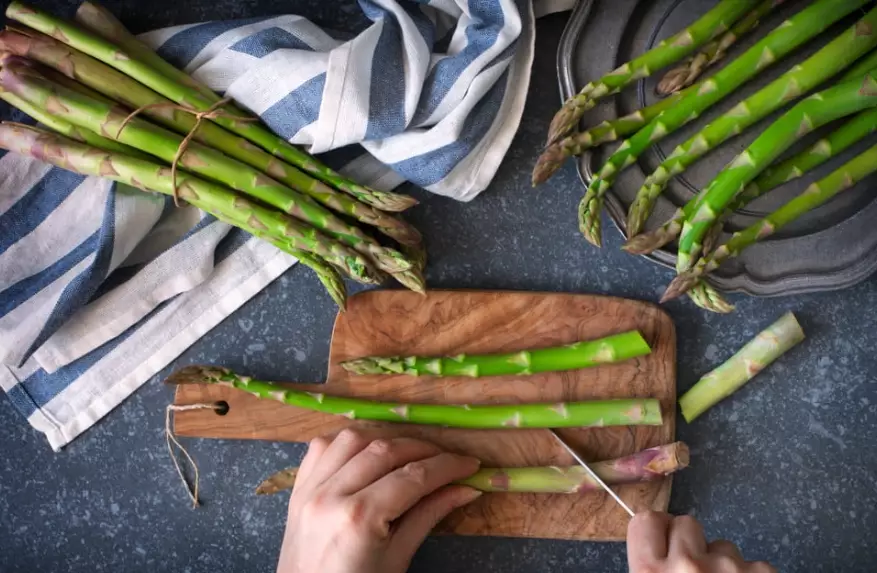
The Right Way: Propagating Asparagus by Crown Division
This is the golden method. It's simple, has a near 100% success rate with proper care, and gives you mature, productive plants years faster than starting from seed. You're not taking a cutting of a stem; you're surgically dividing the plant's core structure. This is the technique you should master if you want to expand your bed or share plants with neighbors.
Best Time to Divide Asparagus Crowns
Timing is everything. You want to do this when the plant is dormant, not actively growing or storing energy for winter. The absolute best window is in late fall, after the ferns have turned yellow/brown, or in very early spring, before any new spears have poked through the soil. I prefer early spring because the soil is workable and the plant is poised to grow immediately, but fall works great too if your winters aren't brutally harsh.
Step-by-Step: How to Divide Your Asparagus Crown
Here’s my tried-and-true process. Grab a garden fork, a sharp knife (sterilized with rubbing alcohol), and some compost.
Step 1: Dig Up the Mother Plant. Carefully insert your garden fork a good 8-10 inches away from the center of the asparagus plant. Gently loosen the soil in a circle and lift the entire crown out. Try to keep the root mass as intact as possible. Shake off excess soil so you can see what you're working with.
Step 2: Inspect and Clean. You'll see a tangled mass of thick, ropey storage roots and a central cluster of buds (the crown). Rinse it gently with a hose to see the structure clearly. It looks alien, I know.
Step 3: The Division. Look for natural seams or sections where groups of buds are clustered. Each viable division needs at least 2-3 healthy, plump buds ("eyes") and a good chunk of attached storage roots. Using your sharp knife, cut cleanly through the crown to separate these sections. Don't be timid—clean cuts heal better than ragged tears. If a piece breaks off with only one bud, its chances are lower, but you can still try planting it.
Step 4: Immediate Re-planting. This is crucial. Don't let the divisions dry out. Have your new planting holes ready.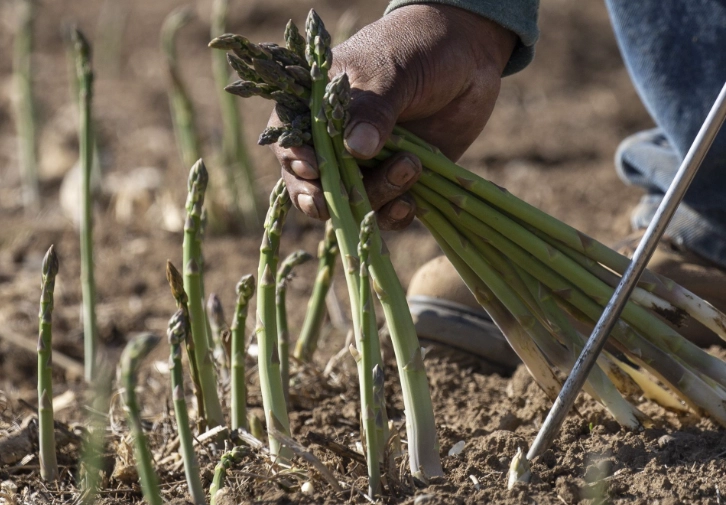
Planting and Caring for Your Asparagus Divisions
Treat your new divisions like the precious baby plants they are. Their success hinges on the first season.
Planting Depth and Spacing: This is where many go wrong. Asparagus loves to be planted deep. Dig a trench or individual holes about 8-10 inches deep. Create a small mound of mixed soil and compost in the center. Drape the roots over the mound, making sure the buds (eyes) are facing upwards. Cover initially with just 2-3 inches of soil. As the shoots grow throughout the season, gradually fill in the trench until it's level with the soil surface. Space divisions at least 18-24 inches apart in rows that are 3-4 feet apart. They need room to sprawl over the next decade.
Initial Care: Water them in thoroughly. Keep the soil consistently moist (not soggy) for the first growing season. A light mulch of straw or shredded leaves helps retain moisture and suppress weeds. Here’s the hard part: DO NOT HARVEST ANY SPEARS from these divisions for the first two full growing seasons. I know it's torture. You need to let the plant channel all its energy into building a massive, robust crown. The third spring, you can take a light, 2-3 week harvest. By the fourth year, they'll be on a full harvest schedule.
Pro-Tip from Hard Experience: Label your divisions if you're splitting different varieties. I once mixed up 'Jersey Supreme' and 'Purple Passion,' and it took me years to sort them out again. A simple plastic tag with a permanent marker saves future confusion.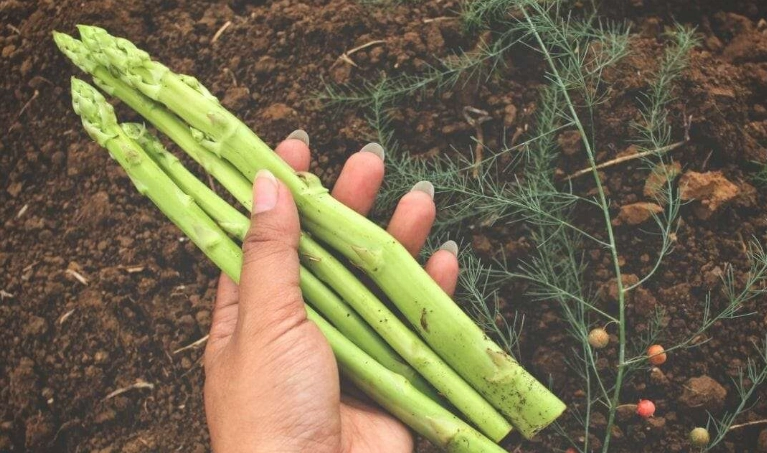
How Does Crown Division Compare to Other Methods?
Let's be honest, you have options. But which one is best for you? Here’s a blunt comparison.
| Method | Time to First Harvest | Cost | Success Rate for Beginners | Key Advantage | My Personal Take |
|---|---|---|---|---|---|
| Crown Division (The "Cutting" Method) | 2-3 years | Very Low (Free!) | Very High | Clones exact traits of mother plant; fastest for established beds. | My go-to method. It's satisfying, free, and foolproof. |
| Growing from Seed | 3-4 years | Low | Medium | Widest variety selection; can grow many plants cheaply. | For the patient planner. The wait is long, and seedlings need babying. |
| Buying Bare-Root Crowns | 2-3 years | High | High | Convenient; access to modern, disease-resistant hybrids. | How most people start. Expensive for a large bed, but reliable. |
| Stem/Spear Cutting (The Myth) | Never | Negligible | Near Zero | Theoretically simple. | A waste of good asparagus. Don't bother. |
See the difference? When you search for how to grow asparagus from cuttings, the information you're truly seeking aligns perfectly with the crown division process. It's the practical, actionable answer.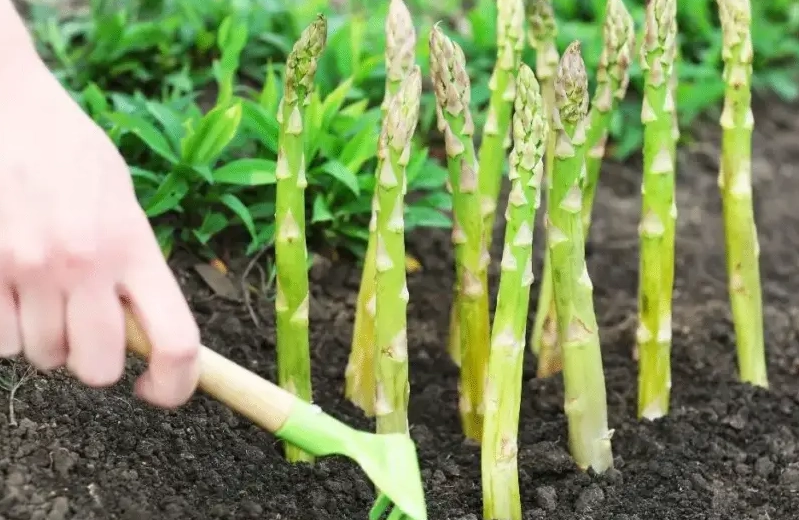
Your Asparagus Propagation Questions, Answered
I've gotten a ton of questions from readers over the years. Here are the big ones.
Q: Can I really not use any part of the green fern for propagation?
A: Nope. The fern is vital for the plant's health but is useless for creating new plants. Its function is photosynthesis, not reproduction. All the energy it produces goes to the crown. Dividing the crown is the only way to use an established plant to make more.
Q: How old should an asparagus plant be before I divide it?
A> Wait until it's at least 3-4 years old. A young plant hasn't built up a large enough crown or root system to withstand division. Dividing too early can set it back severely or kill it. A mature, healthy plant will bounce back quickly and provide you with robust divisions.
Q: My divided crowns look sad and haven't produced many spears. What did I do wrong?
A> The most common culprit is harvesting too soon. It's the #1 mistake. You must be patient and give them those two full growing seasons to establish. Other issues could be planting too shallow, poor soil (asparagus needs well-drained, fertile ground), or competition from weeds. They are heavy feeders—an annual top-dressing of compost is non-negotiable.
Q: Is there any scientific basis for why stem cuttings fail?
A> Absolutely. For a deeper dive into plant propagation physiology, resources from university agriculture extensions are invaluable. For instance, the University of Minnesota Extension has excellent materials on perennial vegetable biology, explaining how different plants store energy and generate new growth. Their focus on crown-based perennials like asparagus and rhubarb clarifies why our standard cutting techniques don't apply.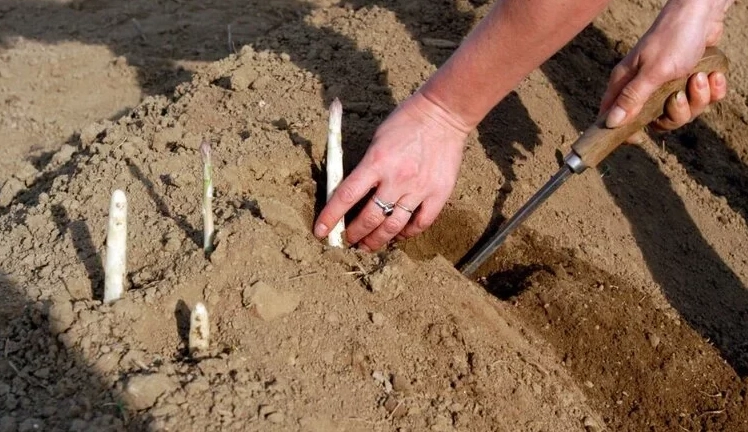
Common Pitfalls and How to Avoid Them
Let me save you some grief. Here are the mistakes I made so you don't have to.
- Dividing in Summer: This is a disaster. The plant is in full growth mode. Disturbing it then will cause severe shock and likely kill it. Dormancy is key.
- Using a Dull Tool: A crushed, ragged crown section is more prone to rot and disease. A sharp, clean knife is a surgical tool here.
- Skimping on the Buds: A division with just one puny bud might struggle for years. Go for sections with multiple fat, healthy buds. More buds mean a stronger start.
- Ignoring Soil Prep: Asparagus will live in that spot for 15-20 years. Don't just dig a hole and drop it in. Amend the entire bed deeply with compost and ensure perfect drainage. Sandy loam is their paradise. The Old Farmer's Almanac planting guide, a trusted resource for generations of gardeners, always emphasizes deep, rich soil preparation as the cornerstone of asparagus success.
Gardening is often about learning what *doesn't* work as much as what does. The quest to grow asparagus from cuttings taught me that.
Wrapping It Up: Your Path to More Asparagus
So, here’s the final takeaway. The phrase "how to grow asparagus from cuttings" is a bit of a misnomer that leads to dead ends. But the intent behind the search—multiplying your existing plants efficiently and for free—is absolutely achievable through crown division.
It’s a simple, rewarding process that connects you to the perennial nature of your garden. You're not just planting a vegetable; you're stewarding a plant that will feed you for decades. By dividing crowns every 5-7 years, you not only get new plants but also rejuvenate the old ones, preventing overcrowding and maintaining vigor.
Forget the spear-in-a-glass-of-water idea. Grab your fork and knife, wait for dormancy, and get to the heart of the matter—the crown. That’s the real secret to propagating asparagus. It’s less about a fleeting cutting and more about understanding and working with the plant’s true, enduring structure. Give it a try next spring. You might be surprised at how easy the real method is, once you ditch the myth.
And if you want to explore the official botanical classification and detailed growth habits of asparagus, authoritative sources like the USDA Plants Database provide the foundational scientific information that confirms everything we've discussed about its growth from a perennial crown system.
Reader Comments