In This Guide: Your Fragrant Journey
- Why Bother? The Real Benefits of Growing Your Own Fragrant Herbs
- Your Starter Kit: The Best Aromatic Plants for Beginners (and Why)
- From Pot to Plate: How to Actually Use These Plants
- The Nitty-Gritty: Soil, Sun, and Water (No Fluff)
- Beyond the Basics: Propagating and Preserving Your Bounty
- Common Problems (And Real Solutions)
- Answering Your Burning Questions
- Wrapping It Up: Your Next Step
Let's be honest. When you hear "aromatic plants," you might just think of that basil plant you bought on a whim that's now struggling on your windowsill. Or maybe you picture a fancy chef sprinkling obscure herbs you can't pronounce. But here's the thing – growing and using fragrant plants is one of the most satisfying, practical, and downright enjoyable things you can do at home. It's not about being an expert gardener or a master herbalist. It's about connecting with something simple, something that smells incredible and makes your food taste better.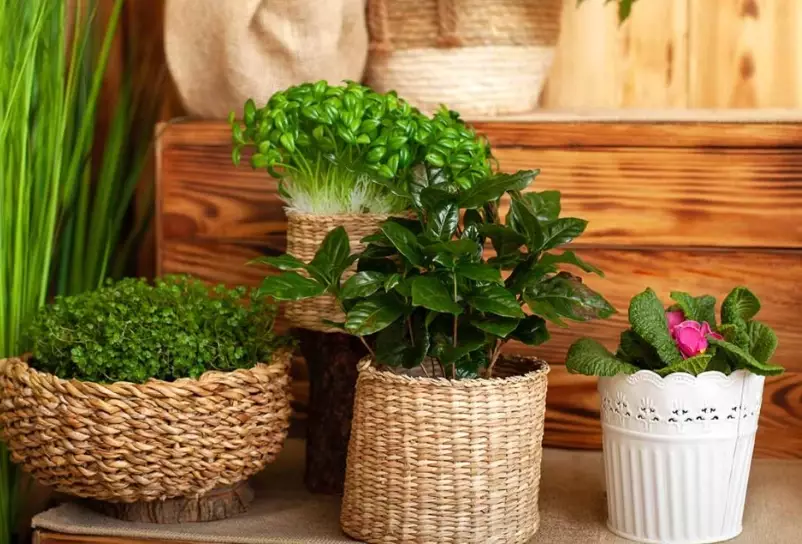
I killed my fair share of mint and rosemary before I figured it out. The problem wasn't my lack of a green thumb – it was following advice that was too generic. "Loves sun," they said. Well, my balcony gets blasted by afternoon sun, and my first thyme plant cooked into a crisp in a week. That's why I want to cut through the noise and give you the straight talk on aromatic plants. What are they really? Which ones should you actually grow? And how do you use them beyond just tossing them in pasta sauce?
Why Bother? The Real Benefits of Growing Your Own Fragrant Herbs
Sure, you can buy a plastic clamshell of herbs at the grocery store. But have you ever compared the scent of store-bought basil to a leaf you just pinched off your own plant? It's night and day. The flavor is more intense, the aroma fills the room, and there's a weird little thrill in using something you grew yourself.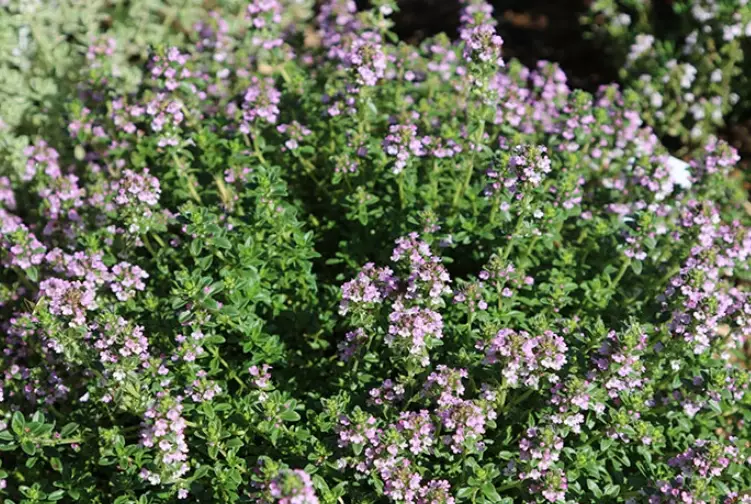
The benefits aren't just culinary or sensory, though. There's actual science behind it. Studies have shown that interacting with plants, especially fragrant ones, can reduce stress. The act of caring for them, the smell of the soil, the scent of the leaves when you brush against them – it's a form of mindfulness. A review of research on horticultural therapy, accessible through resources like the USDA's research portal, often highlights the psychological benefits of gardening. It's not magic, but it's a simple, grounded way to step away from screens and into something real.
Then there's the practical side. Having a pot of rosemary means you're never more than a snip away from flavoring a roast chicken. Fresh mint for your iced tea or mojito? Check. And let's talk about cost-effectiveness. A small potted herb plant costs about the same as two or three of those supermarket packets, but it keeps giving for months, even years if you treat it right.
I remember during a particularly hectic week, just going out to water my pots of lavender and thyme became a five-minute refuge. The smell alone seemed to reset my brain. That's a benefit you won't find on a seed packet.
Your Starter Kit: The Best Aromatic Plants for Beginners (and Why)
If you're new to this, start simple. Don't try to create a botanical wonderland on day one. Pick two or three workhorses that are hard to kill and incredibly useful. Here's my personal ranking, born from trial and error.
The Top Tier: Almost Impossible to Mess Up
Mint. I'm talking spearmint or peppermint. This stuff is the cockroach of the herb world – resilient and prolific. It's so vigorous it can become invasive if planted directly in the ground, so always grow it in a pot. It tolerates a bit of shade, likes consistent moisture, and will bounce back even if you forget to water it for a bit. Uses? Endless. Drinks, desserts, salads, garnishes, even just for the smell.
Rosemary. This woody herb is a Mediterranean plant, which means it loves sun and hates wet feet. The key is excellent drainage. Use a gritty, sandy potting mix and a pot with a big drainage hole. Once established, it's incredibly drought-tolerant. Its piney, sharp fragrance is perfect for roasting meats, potatoes, and bread. It's a perennial in warmer climates, so it can become a small shrubby friend for years.
Chives. The most forgiving of the onion family. They grow in clumps, produce cute purple flowers, and the grassy, mild onion flavor is fantastic in eggs, salads, and as a garnish. They'll even grow in partial sun. Just cut what you need from the top, and they keep growing from the base.
The Next Level: Slightly More Rewarding Challenge
Thyme. Another Mediterranean sun-worshipper. It comes in dozens of varieties – lemon thyme, common thyme, creeping thyme. It forms low, woody mats and needs that same well-drained soil as rosemary. The flavor is earthy and perfect for long, slow cooks like stews and braises.
Oregano. The taste of pizza and Greek salads. It's a spreading plant that's quite hardy. Like its Mediterranean cousins, give it sun and don't overwater. The flavor is much more potent when dried, which is rare for herbs.
Lemon Balm. A member of the mint family, so it shares that easy-going nature. The leaves have a strong, sweet lemon scent when crushed. It makes a wonderful calming tea and is great in fruit salads. It can spread, so pot-growing is advised.
Choosing the right aromatic plants for your space is half the battle. Don't fight your environment. Got a hot, sunny spot? Go Mediterranean (rosemary, thyme, oregano). Got a shadier, cooler spot? Think mint, chives, lemon balm.
From Pot to Plate: How to Actually Use These Plants
This is where the fun really starts. Growing them is one thing, but using them transforms your cooking and even your home routine.
Never take more than one-third of the plant at a time. For soft herbs like mint and basil, pinch or cut just above a set of leaves. This encourages the plant to bush out. For woody herbs like rosemary and thyme, use sharp scissors or snips to cut stems, preferably from newer growth.
This is a big one. Delicate herbs with soft leaves – basil, mint, cilantro, dill, chives, parsley – are almost always better fresh. Their delicate flavors and aromas are lost in drying. Add them at the very end of cooking or use them raw.
Woody, tough-leaved herbs – rosemary, thyme, oregano, sage – hold up well to drying and are often used in long-cooking dishes where they have time to infuse. In fact, dried oregano is often more flavorful than fresh. But a fresh sprig of rosemary on a roast is unbeatable.
Here’s a quick-reference table I wish I had when I started:
| Herb (Aromatic Plant) | Best Used Fresh In... | Best Used Dried In... | My Favorite Non-Culinary Use |
|---|---|---|---|
| Basil | Pesto, Caprese salad, garnishing pasta & pizza | Not recommended | Rubbing a leaf for an instant fresh scent |
| Rosemary | Roasted meats/veg, focaccia, compound butter | Bread doughs, spice rubs, stews | Simmering a stem in a pot of water for natural air freshener |
| Mint | Mojitos, tea, tabbouleh, fruit salads, garnishes | Tea blends, certain Middle Eastern dishes | Chewing a leaf for fresh breath (better than gum!) |
| Lavender | Sparingly in desserts, lemonade (culinary variety only!) | Potpourri, sachets for drawers, sleep pillows | Dried buds in a small bowl on the nightstand |
| Thyme | Sauteed mushrooms, roast chicken, soups | Hearty stews, bean dishes, braises | Infusing honey for a sore throat remedy |
| Lemon Balm | Iced tea, fruit salads, fish dishes | Calming tea blends | Making a simple, relaxing sun tea |
See? It's not just about cooking. Aromatic plants have uses all over the home. A bouquet of fresh lavender on your desk. A rosemary stem tucked into your shower for a spa-like scent. Mint leaves crushed in your palm after handling garlic or onions. It's these little, practical rituals that make growing them so rewarding.
The Nitty-Gritty: Soil, Sun, and Water (No Fluff)
Okay, let's get practical. You've picked your plants. Now what? Forget the complex fertilizer schedules and pH testing for now. Focus on three things.
1. The Right Pot and Soil. This is 80% of success. Drainage is king. Your pot must have a hole in the bottom. No exceptions. For Mediterranean herbs (rosemary, thyme, oregano, sage), use a cactus/succulent mix or regular potting soil with a big handful of perlite or coarse sand mixed in. For moisture-lovers like mint and lemon balm, standard potting mix is fine. A pot that's 8-12 inches across is a good start for one plant.
2. Sunlight – The Non-Negotiable. Most aromatic plants need a minimum of 6 hours of direct sunlight per day. More is better. A south-facing window or balcony is ideal. If you only have partial sun, stick to mint, chives, and lemon balm. Leggy, stretched-out plants with few leaves are crying out for more light.
3. Watering – The Art of Neglect. Overwatering is the #1 killer of potted plants. Stick your finger an inch into the soil. If it's dry, water thoroughly until it runs out the bottom. If it's damp, wait. Mediterranean herbs like to dry out almost completely between waterings. Mint likes to stay slightly moist. In winter, all plants need much less water.
What about fertilizer? Honestly, for potted herbs being harvested regularly, a light feeding every 4-6 weeks during the growing season (spring-fall) with a balanced, half-strength liquid fertilizer is plenty. More is not better – it can lead to lots of weak, flavorless growth.
Beyond the Basics: Propagating and Preserving Your Bounty
So your mint plant is thriving and taking over the pot. What now? You can share the wealth! Many aromatic plants are incredibly easy to propagate.
Stem Cuttings: This works for mint, basil, rosemary, lemon balm, sage. Cut a 4-6 inch healthy stem, remove the lower leaves, and place it in a glass of water. Change the water every few days. In 1-2 weeks, you'll see roots. Pot it up, and you have a new plant – free! The Royal Horticultural Society has a great guide to plant propagation that covers these methods in detail.
Division: For plants that grow in clumps, like chives and mint (if it's in a big pot), you can literally dig up the plant, gently pull or cut the rootball into two or three pieces, and replant them separately. It's instant multiplication.
And when you have more than you can use fresh?
Drying: The simplest method. Tie small bunches of stems upside-down in a warm, dry, dark, well-ventilated place (like a closet). Once crispy dry, strip the leaves and store in airtight jars away from light. This is perfect for rosemary, thyme, oregano, and sage.
Freezing: Great for basil, mint, chives. Chop the herbs, pack them into ice cube trays, cover with water or olive oil, and freeze. Pop out a cube to toss into soups, stews, or sauces.
Infusing: Make your own flavored oils or vinegars. Stuff a clean jar with rosemary or thyme sprigs, cover with a mild olive oil or white wine vinegar, seal, and let it sit in a dark place for 2-3 weeks. Strain and use. (Important safety note: for oil infusions, always refrigerate and use within a month to avoid botulism risk).
I have a jar of rosemary olive oil in my fridge right now that makes the simplest roasted vegetables taste incredible. It feels like a secret weapon.
Common Problems (And Real Solutions)
Your plant looks sad. Don't panic. Here's the diagnostic flow I use.
Yellowing leaves, dropping leaves: Usually overwatering. Check the soil. Is it soggy? Let it dry out completely. In severe cases, you may need to repot into fresh, dry soil. Could also be lack of nutrients if the plant has been in the same soil for over a year.
Leggy growth, small leaves, leaning towards light: Not enough sun. Move it to a brighter location. You can't fix the existing growth, but new growth will be more compact.
Brown, crispy leaf edges: Could be underwatering, but more often it's due to low humidity (common indoors) or fertilizer burn. Make sure you're watering thoroughly when you do water, and ease up on fertilizer.
White powdery coating on leaves: Powdery mildew. Caused by poor air circulation and damp leaves. Improve airflow, avoid wetting the foliage, and remove badly affected leaves. A spray of 1 part milk to 9 parts water can help as a fungicide.
Insects (like aphids): A strong blast of water from a hose or spray bottle can knock them off. For persistent problems, insecticidal soap spray is effective and relatively gentle. Often, healthy, well-cared-for plants are less susceptible.
The biggest lesson? Observe your plants. They'll tell you what they need. A little bit of neglect is often better than too much fussy attention.
Answering Your Burning Questions
Let's tackle some specific questions that pop up all the time.
Yes, absolutely, but light is the limiting factor. A bright, sunny south-facing window is crucial. Even then, growth will slow in the winter. You might need to supplement with a grow light, especially if you want to keep basil going. Herbs like rosemary, thyme, and bay laurel can make excellent long-term houseplants.
No, this is important. Many common herbs are perfectly safe, but some can be problematic. The ASPCA maintains a comprehensive animal poison control database. Generally, mint, rosemary, thyme, and basil are considered non-toxic to cats and dogs. However, plants in the *Lamiaceae* family (which includes many herbs) can sometimes cause mild stomach upset if ingested in large quantities. It's always best to place plants out of reach if your pet is a known nibbler.
Huge difference! Ornamental lavender varieties (like Spanish lavender) can have a more camphorous, harsh flavor. For cooking, you always want *Lavandula angustifolia* varieties, often called English Lavender. 'Munstead' and 'Hidcote' are two reliable culinary cultivars. The buds are used sparingly in baking, syrups, and teas.
This is called "bolting." It's the plant's natural life cycle, triggered by stress (often heat) or day length. Once it flowers, energy goes to seed production, and leaf quality declines. The trick is to keep pinching off the top sets of leaves regularly, which encourages bushier growth and delays flowering. If it does bolt, you can let it flower for the bees (they love it) and collect seeds for next year.
Wrapping It Up: Your Next Step
Look, you don't need a farm. You don't need fancy tools. You just need one pot, one bag of soil, and one plant. Start with a mint or a rosemary from your local garden center. Put it in a sunny spot. Water it when the soil feels dry. Snip a bit off and smell it. Use it in your dinner.
That's it. That's the gateway. From there, you might find yourself with a windowsill full of pots, making your own herb blends, or giving cuttings to friends. The world of aromatic plants is deep and endlessly fascinating, but it starts with a single, simple act.
The real value isn't just in the harvest. It's in the daily connection, the burst of scent, the satisfaction of self-reliance. It's one of the oldest human hobbies for a reason. It just feels good. And honestly, in a world that's often too complicated, that's reason enough to give it a try.
Got a corner of a balcony? A sunny windowsill? That's your new garden. Go get it dirty.
Reader Comments