Quick Navigation
- First Things First: Safety Is Not Optional
- Getting Your Hands Dirty: Growing Edible Flowers
- From Harvest to Table: Cleaning and Storing
- Okay, I Have Them. What Do I Actually DO With Edible Flowers?
- Answering Your Questions (The Stuff You're Actually Searching For)
- Putting It All Together: A Simple Weekend Project
Let's be honest. The first time someone told me I could eat a flower, I thought they were pulling my leg. Violets? Nasturtiums? It sounded like something from a fancy restaurant where the portions are tiny and the prices are huge. But then I tried growing some nasturtiums myself, mostly because they're pretty and hard to kill. One day, on a whim, I popped a bright orange petal in my mouth.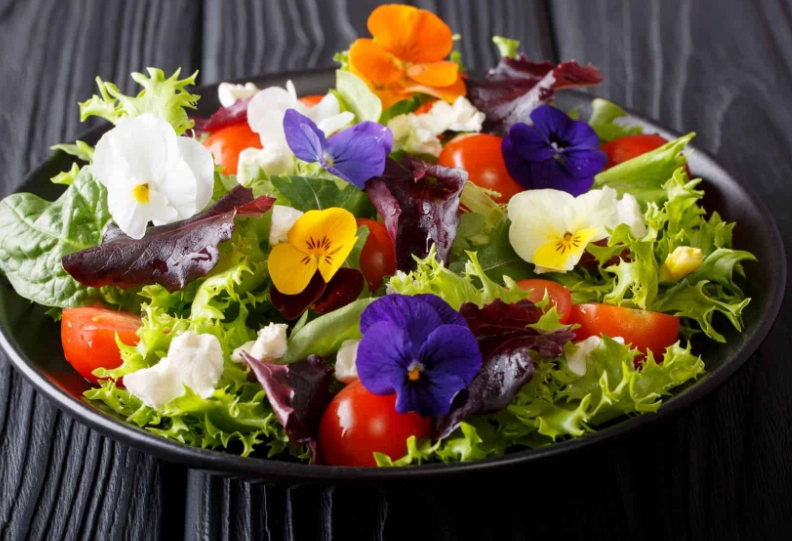
Wow.
It was peppery, slightly sweet, and completely transformed my salad from boring to brilliant. That was my gateway. Since then, I've learned a ton—mostly through trial and a fair bit of error—about which edible flowers are worth the effort, which ones to avoid, and how to actually use them without making your food taste like perfume.
This isn't about making everything look like a Pinterest board. It's about adding a genuine, surprising, and delicious dimension to your cooking and gardening. But, and this is a big but, you have to be smart about it. Not every pretty bloom is your friend. Let's dive in.
First Things First: Safety Is Not Optional
This is the part I can't stress enough. Getting this wrong isn't just disappointing; it can be dangerous. The golden rule? If you're not 110% sure it's edible, don't eat it. Period.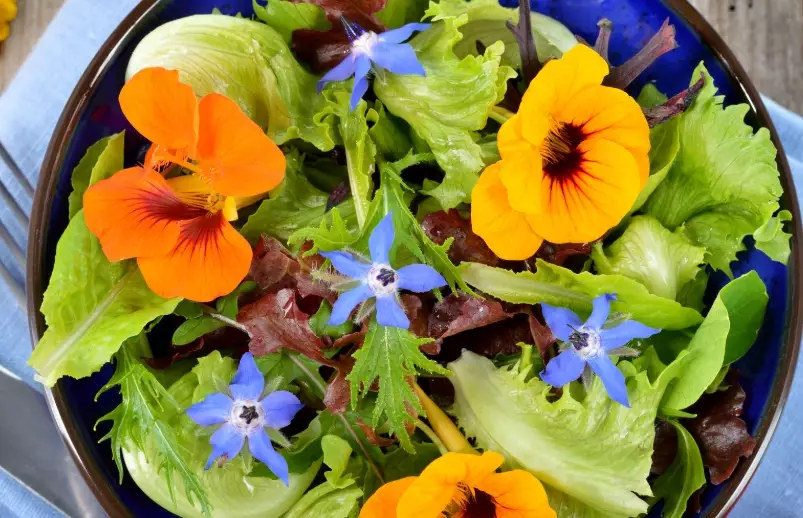
Where do you get that 110% certainty? Don't just trust a random blog (yes, I see the irony). Cross-reference. Use reputable foraging guides or, even better, stick to seeds and plants specifically sold for culinary use. I'm a big fan of the U.S. Department of Agriculture (USDA) plant database for basic identification, and universities often have great foraging resources. The University of Minnesota Extension, for example, has clear guides on safe plants.
Another huge point: source matters. Did you grow it yourself from a trusted seed packet? Great. Is it from a friend's organic garden where you know no pesticides were used? Also great. Flowers from a florist, nursery, or roadside? Absolutely not. Those are almost always treated with systemic pesticides not labeled for food crops. You're eating the chemicals, too.
Common Edible Flowers You Can Actually Trust
Okay, with the serious safety talk out of the way, let's get to the fun part. Here are some of the most reliable, easy-to-find, and tasty edible flowers. I've focused on ones that are beginner-friendly and actually add flavor, not just color.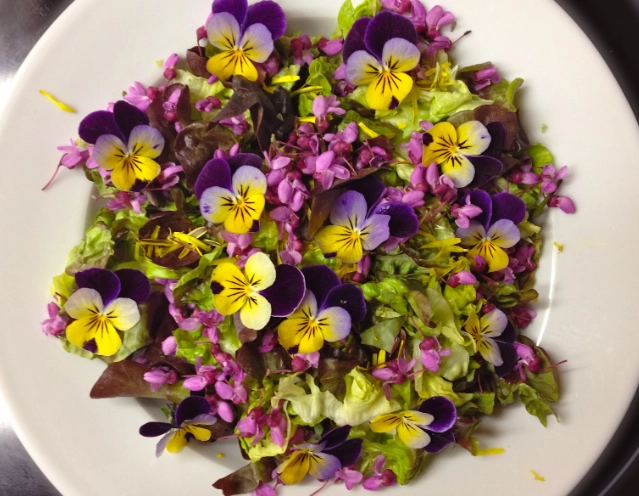
| Flower | Flavor Profile | Best Uses | Growing Notes |
|---|---|---|---|
| Nasturtium | Peppery, spicy, slightly sweet (like arugula) | Salads, sandwiches, blended into pesto, garnish for savory dishes | Super easy annual; loves poor soil; blooms all summer. |
| Calendula (Pot Marigold) | Mildly tangy, peppery, saffron-like | "Poor man's saffron" for coloring rice/soups, salads, herb butters | Easy annual; deadhead for more blooms. |
| Borage | Cool, cucumber-like | Floating in summer drinks, salads, freezing in ice cubes | Self-seeds readily (can become a friendly weed); beautiful blue stars. |
| Violets & Pansies | Very mild, slightly sweet, floral | Candying, cake decoration, delicate garnish for desserts | Cool-season plants; often found in shade. |
| Chive Blossoms | Oniony, garlicky (milder than the stalk) | Chopped in salads, infused in vinegar, over potatoes | Perennial herb; just let your chives bloom! |
| Squash Blossoms | Sweet, vegetal, delicate squash flavor | Stuffed and fried, chopped into quesadillas, raw in salads | From zucchini/pumpkin plants; pick male flowers (long stem). |
| Lavender | Floral, perfumey, slightly sweet & herbaceous | Use sparingly! In baked goods, syrups, with lemon | Perennial shrub; needs well-drained soil and sun. |
My personal favorite for flavor impact? Nasturtiums. They're just so versatile. My least favorite? Rose petals. Unless they're from a super fragrant, untreated heirloom variety, they often taste like… well, not much. Sometimes a bit bitter. The scent rarely translates to flavor in a satisfying way for me.
Getting Your Hands Dirty: Growing Edible Flowers
Growing your own is the single best way to ensure safety and freshness. The good news? Most edible flowers are ridiculously easy. They're often the "cottage garden" plants that thrive on a bit of neglect.
Top Picks for Beginner Gardeners
If you're new to gardening, start here. These plants want to live.
- Nasturtiums: I swear they grow in concrete. Throw seeds in a pot or a crappy patch of soil after the last frost. Too much fertilizer and you'll get all leaves, no flowers.
- Calendula: Another champion. Sow seeds in early spring. They'll bloom until frost and often self-seed for next year.
- Borage: It's almost comical how easily it grows. One plant will likely give you volunteers next year. The bees adore it.
The Harvest: Timing Is Everything
Picking your edible flowers correctly makes a world of difference in flavor and shelf life.
When to pick: The best time is in the morning, after the dew has dried but before the midday sun bakes them. The flowers will be plump and full of flavor. I try to pick just before I plan to use them.
How to pick: Gently pinch or snip the flower off, ideally with a short bit of stem. Handle them like little pieces of art—they bruise easily.
What to pick: Choose blooms that are fully open but still look fresh and vibrant. Avoid ones that are wilted, bug-eaten (unless you're okay with extra protein), or starting to fade.
From Harvest to Table: Cleaning and Storing
You've got a little basket of blooms. Now what? Don't just dunk them in water.
Cleaning: This is delicate work. Gently shake each flower to evict any small bugs. If you need to rinse them, use a very gentle spray of cold water and then lay them out on a clean kitchen towel or paper towel to air dry completely. Moisture is the enemy of freshness here.
Storing: Ideally, use them the same day. If you must store them, place the dry, intact flowers in a single layer on a paper towel-lined container (like a Tupperware), put the lid on loosely, and keep them in the fridge. They might last a day or two. Nasturtiums are surprisingly hardy this way.
Honestly, storage is the weakest link. That's why growing your own, even just a little, is key. You pick what you need, when you need it.
Okay, I Have Them. What Do I Actually DO With Edible Flowers?
This is where people get stuck. It's more than just a sprinkle on a salad (though that's a perfect start). Let's break it down by use case.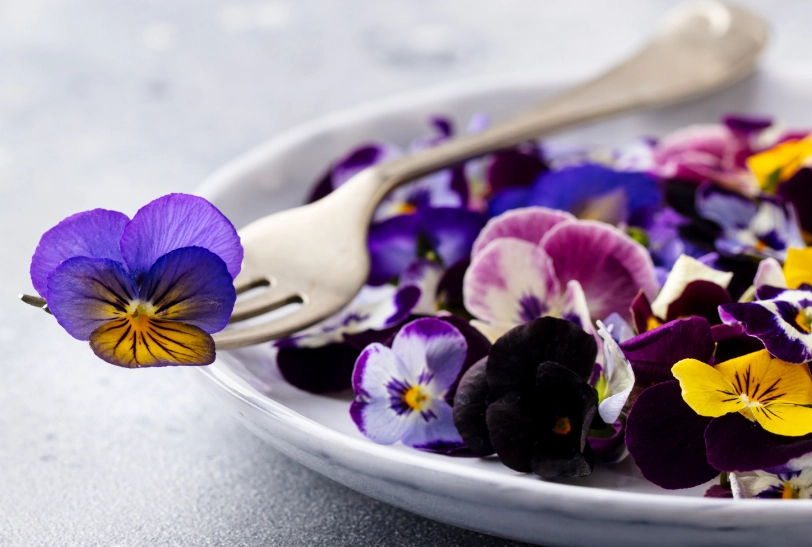
1. The Simple Garnish (No-Fail Starting Point)
This is how 90% of people use edible flowers, and it's valid. It instantly elevates a dish from homemade to restaurant-quality.
- Float borage or viola flowers in a glass of lemonade or cocktail.
- Scatter nasturtium petals over a creamy soup.
- Top a frosted cupcake with a clean pansy.
Just remember: the garnish should be edible and complementary. Don't put a spicy nasturtium on a delicate vanilla panna cotta.
2. As a Central Ingredient (Where They Shine)
This is where the magic happens. The flower isn't just decoration; it's contributing flavor and texture.
- Nasturtium Pesto: Swap out half the basil for nasturtium leaves and flowers. The peppery kick is incredible on pasta or as a sandwich spread.
- Chive Blossom Vinegar: Stuff a clean jar with purple chive blossoms, cover with white wine vinegar, and let it steep for 1-2 weeks. You get the most beautiful pink vinegar with a gentle onion flavor for dressings.
- Stuffed Squash Blossoms: A classic. Fill them with ricotta mixed with herbs, dip in a light batter, and pan-fry. Time-consuming but a true summer treat.
- Calendula Rice: Add a handful of torn calendula petals to your rice as it cooks. It turns the rice a gorgeous yellow and adds a subtle flavor.
3. Sweet Treats & Drinks
Floral desserts can be amazing if you balance the perfume.
- Candied Violets/Pansies: Brush with lightly beaten egg white, dust with superfine sugar, let dry. They're stunning on cakes and keep for a while.
- Lavender Shortbread: Use culinary lavender, and crush it finely. Start with a tiny amount (1/2 tsp for a batch of dough)—it's potent.
- Floral Ice Cubes: Put small blooms (borage, violets) in ice cube trays, cover with water, freeze. Instant elegance for punches.
- Simple Syrups: Steep a cup of clean, packed flowers (like rose, lavender, or elderflower) in 1 cup of hot simple syrup (1:1 sugar:water). Strain and use in cocktails, lemonade, or over fruit.
Answering Your Questions (The Stuff You're Actually Searching For)
Let's tackle some specific, common queries head-on. These are the things I wondered about when I started.
Can you eat all flowers from herbs?
Mostly, yes! The flowers of culinary herbs are generally safe and carry a version of the herb's flavor. Basil flowers are a milder basil. Mint flowers are minty. Oregano flowers are pungent. They're fantastic sprinkled over finished dishes where you'd use the herb. Do your research for each specific herb, but the common ones are fair game.
Are supermarket edible flowers safe?
If they are sold in the produce section, clearly labeled for culinary use (like the clamshells of microgreens or herbs), then yes. Companies like "Fresh Origins" supply these to grocery stores, and they are grown as food crops under safe conditions. Do not buy bouquets from the floral department and eat them. Those are different supply chains entirely.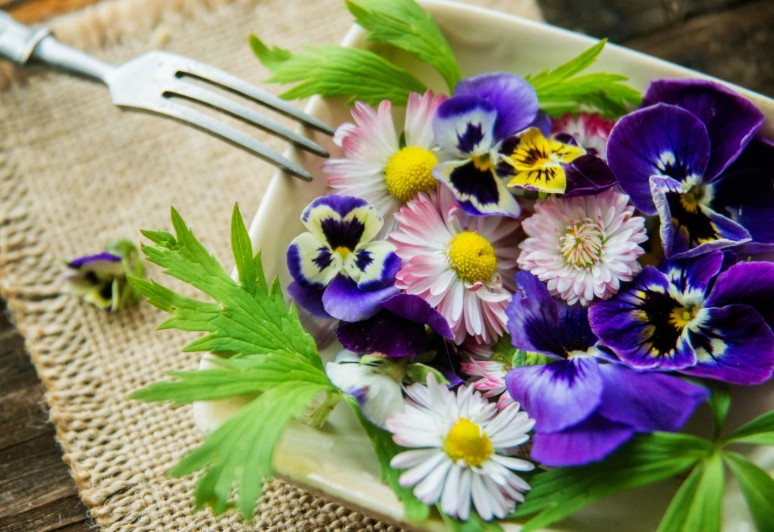
What part of the flower do you eat?
It varies. For many—like nasturtiums, violets, pansies, squash blossoms—you can eat the whole flower. Sometimes the reproductive parts (pistils, stamens) in the center can be bitter, so you might pluck them out. For others, like lavender or roses, you typically use just the petals. With flowers like chamomile, you actually use the tiny central disc florets, not the white petals. Always check a reliable source for the specific flower.
Do edible flowers have nutritional value?
Some do, but let's be real—you're not eating them by the cupful. They are primarily used for flavor, color, and experience. Some, like nasturtiums, have vitamin C. Calendula has compounds studied for anti-inflammatory properties. But don't rely on them as a major nutrient source. Think of them as the ultimate functional garnish: they make healthy, whole-food dishes more appealing and enjoyable, which is a win.
My biggest mistake to avoid?
Assuming "edible" means "the whole plant is edible." Often, only the flower is safe. For example, the tomato plant flower is related to the fruit, but other parts of the plant (stems, leaves) are toxic. With rhubarb, we eat the stalk but the leaves and flowers are poisonous. Always verify which specific part of the plant is consumable.
Putting It All Together: A Simple Weekend Project
Feeling inspired? Don't try to do everything at once. Here's a manageable, satisfying project for a summer weekend:
- Grow or Buy: Get a small pot of nasturtiums or a clamshell of culinary pansies from the market.
- Harvest/Clean: Pick or select a handful of the freshest blooms. Gently clean and dry them.
- Make: Prepare a simple, creamy salad (think butter lettuce, sliced cucumbers, a light vinaigrette). Right before serving, scatter the whole nasturtium flowers or pansy petals over the top.
- Bonus Level: Make chive blossom vinegar. It takes 5 minutes of active time and gives you a gourmet ingredient for weeks.
The goal isn't perfection. It's about adding a spark of joy and a burst of unexpected flavor to your food. Start small, be safe, and have fun with it. Before you know it, you'll be looking at your garden—and your plate—in a whole new way.
Really, that's the best part. It turns gardening and cooking into a more connected, sensory experience. You notice the stages of the plants more. You taste more deliberately. It's a small thing that, for me, makes the daily routine of making food feel a bit more special.
And if you mess up? That's okay. I've made floral syrups that tasted like potpourri and over-infused teas that were undrinkable. It's all part of the learning. Just always, always start with safety. Then let your curiosity (and taste buds) lead the way.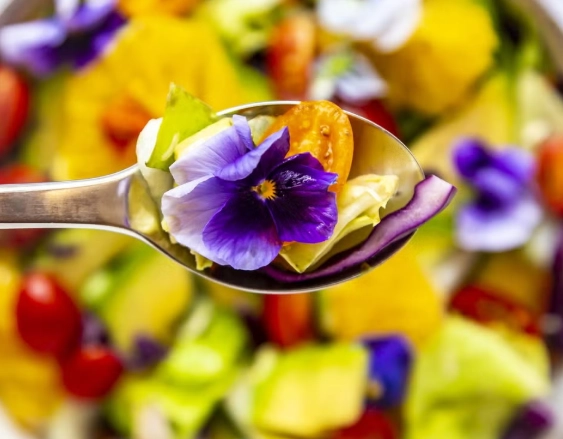
Reader Comments