Your Quick Guide
- Why Bother with Child Safe Plants Anyway?
- How Do You Even Know If a Plant is Safe?
- The Tried-and-True List: Top Child Safe Plants You Can Actually Find
- The "Absolutely Not" List: Common Plants to Keep Far Away
- Beyond the Plant: Creating a Truly Child-Safe Green Space
- What If Something Happens? Be Prepared.
- Your Child Safe Plant Questions, Answered
- Wrapping It Up: Growing Together Safely
Let's be honest. Bringing plants into a home with young kids can feel like you're setting up a botanical minefield. One minute you're admiring a new leaf, the next you're fishing a chewed-up piece of greenery out of a toddler's mouth. I've been there. The panic, the frantic Googling, the call to the pediatrician (who was, thankfully, very calm). That experience changed how I look at every single plant in my house. It's not just about aesthetics or air purification anymore; it's about creating a safe space where curiosity doesn't lead to a trip to the emergency room.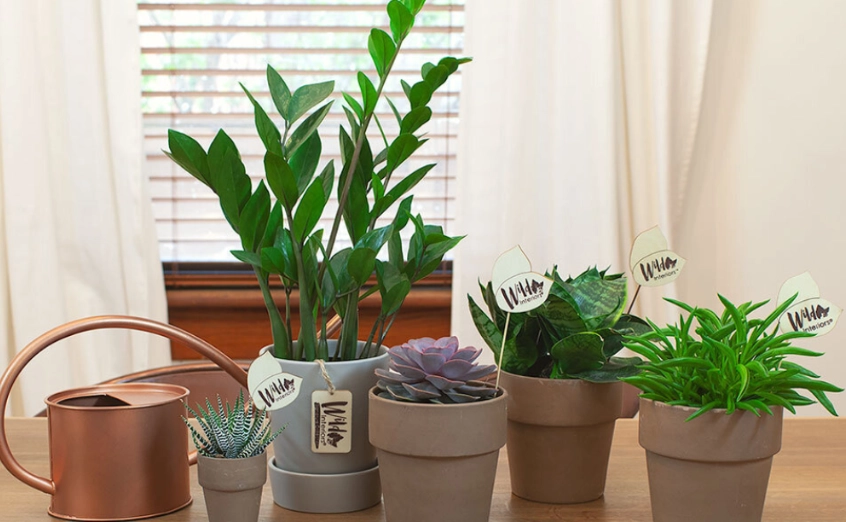
That's why the search for truly child safe plants becomes so critical. It's not a niche concern for over-anxious parents. It's a fundamental part of creating a family-friendly home. This guide isn't just a list of plants. It's the deep dive I wish I had when my kids were little, pulling together expert resources, hard lessons learned, and a realistic look at how to balance a love for greenery with the realities of life with little ones.
Why Bother with Child Safe Plants Anyway?
You might think, "My kid doesn't eat everything," or "I'll just keep the plants up high." Trust me, I had the same thoughts. But kids are unpredictable climbers with a knack for getting into things you swore were out of reach. The goal isn't to create a sterile, plant-free bubble. It's about risk management. Many common houseplants contain compounds—calcium oxalate crystals, saponins, alkaloids—that can cause anything from a mild stomach ache and mouth irritation to, in rare cases with certain plants, much more serious reactions.
The peace of mind that comes from knowing every plant at toddler level is non-toxic is priceless. It means you can say "yes" to exploring leaves and textures. It turns plant care into a shared activity, not a source of constant vigilance. Focusing on child and pet safe plants from the start is simply smarter. It future-proofs your home for crawling babies, curious toddlers, and even the puppy you might get next year.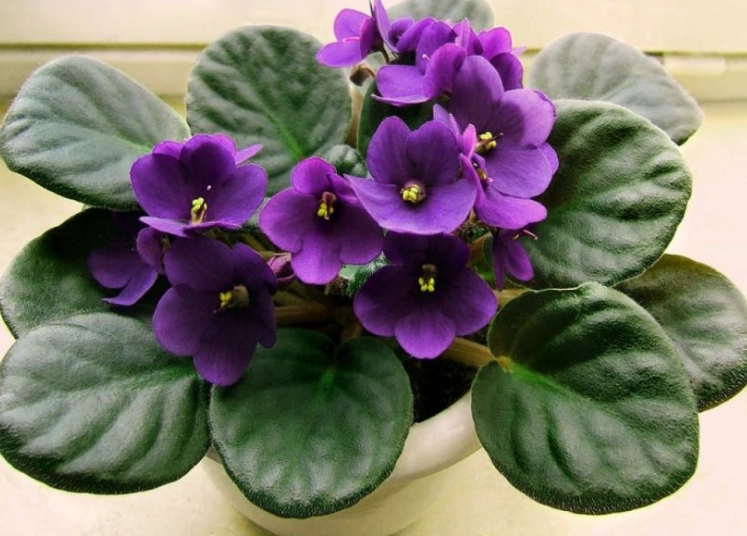
How Do You Even Know If a Plant is Safe?
This is where many parents get stuck. The information online is contradictory. One site says a plant is safe, another flags it as toxic. It's incredibly frustrating. To cut through the noise, you need to rely on authoritative sources, not just gardening blogs (including this one—always double-check!).
The gold standard in the U.S. is the ASPCA's Animal Poison Control Center plant database. While it's built for pets, it's an exhaustive, scientifically-backed resource that details toxic principles and clinical signs for hundreds of plants. For human-focused toxicity information, the National Capital Poison Center (Poison.org) is an invaluable, medically-reviewed resource. I cross-reference these two sites for any new plant.
But here's a key point: "Non-toxic" doesn't mean "edible." Even the safest plant can cause a mild stomach upset if a child decides to have a salad made of it. The goal is to avoid plants with known serious risks.
Red Flags to Watch Out For
Some plant families are notoriously problematic. A good rule of thumb is to be extra cautious with:
- Aroids (Philodendron, Monstera, Peace Lily, Pothos): Almost all contain those irritating calcium oxalate crystals. They're not usually life-threatening, but they can cause significant mouth pain, drooling, and vomiting. I personally avoid all of these in reachable areas.
- Euphorbias (like Poinsettia, Crown of Thorns): Their milky sap is a skin and gut irritant.
- Nightshades (some ornamental varieties): This family includes both edible plants (tomatoes, potatoes) and highly toxic ones. Best to steer clear of ornamental ones unless you're 100% certain of their safety.
The Tried-and-True List: Top Child Safe Plants You Can Actually Find
Alright, let's get to the good stuff. These aren't obscure, impossible-to-find specimens. These are popular, resilient, and beautiful plants that consistently rank as safe by major toxicology databases. I've grouped them to help you choose based on your home's light and your parenting style.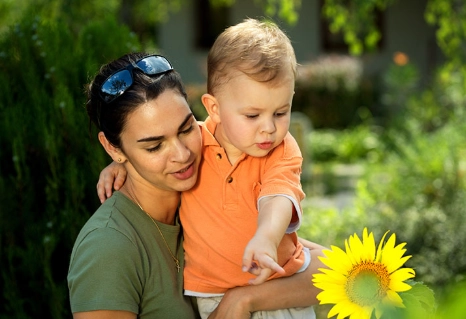
The Unkillable Squad (Perfect for Busy Parents)
These plants forgive missed waterings and lower light, so you can focus on the kids without a guilt trip.
- Spider Plant (Chlorophytum comosum): The classic for a reason. Non-toxic, produces tons of "pups" (baby plants) you can propagate with your kids, and thrives on neglect. It's also a champion at improving indoor air quality.
- Cast Iron Plant (Aspidistra elatior): Lives up to its name. It survives in deep shade, irregular watering, and general chaos. Its broad, dark green leaves are tough and less tempting to tear than delicate foliage.
- Parlor Palm (Chamaedorea elegans): Brings a lush, tropical feel safely. It's slow-growing, adapts to lower light, and is pet and child friendly. A real winner for adding texture.
The Colorful & Fun Bunch
Who says safe has to be boring? These plants add pops of color and interesting shapes.
- African Violet (Saintpaulia): Compact, flowering, and perfectly safe. They love bright, indirect light and consistent moisture. Let your kids help water from the bottom—it's a fun little science lesson.
- Polka Dot Plant (Hypoestes phyllostachya): Pink, red, or white speckled leaves that kids adore. It's a fast grower that likes humidity, making it a good candidate for a bright bathroom.
- Certain Peperomias (like the Watermelon Peperomia or Baby Rubber Plant): This huge genus is generally considered non-toxic. They come in wild textures and patterns—rippled, striped, succulent-like. Do your specific variety check, but most are fantastic, compact options.
The Touch-Friendly Textures
For sensory-seeking kids, these plants are safe to gently touch and explore.
- Boston Fern (Nephrolepis exaltata): Its soft, feathery fronds are irresistible and completely safe. It does like humidity, so misting it can be a fun daily chore.
- Prayer Plant (Maranta leuconeura): Its leaves move! They fold up at night like praying hands. It's a fascinating, safe plant that loves humidity and indirect light.
- Ponytail Palm (Beaucarnea recurvata): Not a true palm, but its thick, textured trunk (called a caudex) and waterfall of thin leaves are fun to look at and touch. It's a succulent, so it needs very little water.
| Plant Name | Light Needs | Watering Style | Why It's Great for Families | One Thing to Watch |
|---|---|---|---|---|
| Spider Plant | Bright indirect to low | Let dry out between | Super hardy, purifies air, easy to propagate (free plants!). | Brown tips if water is fluoridated; use distilled if possible. |
| Cast Iron Plant | Low to shade | Very low; drought-tolerant | Nearly impossible to kill. Perfect for dim corners. | Slow grower. Don't overwater—it's the only way to kill it. |
| Parlor Palm | Low to bright indirect | Keep evenly moist, not soggy | Lush, tropical look that's completely safe. | Can attract spider mites if air is too dry. Mist occasionally. |
| African Violet | Bright indirect | Bottom water, keep soil lightly moist | Provides safe, colorful flowers year-round. | Leaves rot if water sits on them. Water from the bottom saucer. |
| Boston Fern | Medium to bright indirect | Likes consistent moisture & humidity | Soft, safe texture. Great natural humidifier. | Can be dramatic if it dries out; fronds will crisp up quickly. |
The "Absolutely Not" List: Common Plants to Keep Far Away
It's just as important to know what to avoid. Some plants are so common in garden centers that we assume they're fine, but they pose real risks. If you have these, it's not a judgment—I've owned most of them. It just means they need to be in a completely inaccessible spot (like a locked sunroom) or rehomed.
- Dieffenbachia (Dumb Cane): My personal nemesis. The calcium oxalate crystals can cause temporary inability to speak (hence "Dumb" Cane) due to mouth and throat swelling. Painful and scary.
- Philodendron & Monstera (Swiss Cheese Plant): Beloved for their looks, but in the same problematic family as Dieffenbachia. Same irritating crystals.
- Pothos (Devil's Ivy): Another incredibly popular, easy-care plant that's toxic for the same reasons. Its trailing habit makes it especially tempting and accessible.
- Sago Palm (Cycas revoluta): This is a major one. ALL parts are highly toxic, especially the seeds. Ingestion can lead to severe liver failure and is potentially fatal. It should not be in a home with young children, full stop.
- Peace Lily (Spathiphyllum): Often marketed as an "air purifier," it's another oxalate-crystal plant. Not as severe as Dieffenbachia, but can still cause significant mouth and GI distress.
- Oleander & Foxglove: More common in outdoor gardens, but worth mentioning. These are cardiac glycoside plants—they affect the heart. Every part is poisonous, even dried leaves. Be vigilant if they're in your yard.
See the pattern? Many of the most Instagram-worthy, architectural plants right now fall into the risky categories. It's a bummer, but finding safer alternatives is part of the journey.
Beyond the Plant: Creating a Truly Child-Safe Green Space
Choosing non-toxic plants is 80% of the battle, but the other 20% is about setup and habits. Here’s how to make your plant collection and your kids coexist peacefully.
Smart Placement is Everything
High shelves, macramé hangers, wall-mounted planters, or tall plant stands are your best friends. The rule is simple: if they can't reach it, they can't eat it. For floor plants, consider larger, heavier pots that are difficult to tip over. A curious toddler pulling a pot down on themselves is a different kind of hazard.
The Soil and Fertilizer Factor
This is an often-overlooked aspect of child safe gardening. The potting mix itself can be a problem. It can contain mold spores, bacteria, or small pieces of fertilizer that aren't meant for ingestion. It's also a choking hazard and just plain messy.
- Cover the soil: Use a layer of clean, large pebbles, river rocks, or moss on top of the soil. This acts as a physical barrier and looks nice.
- Secure the pot: For larger floor plants, make sure the pot is stable and can't be easily rocked or pulled over.
- Organic vs. Chemical: If you use fertilizers, opt for organic, slow-release types worked deep into the soil rather than liquid feeds that sit on the surface. Always store all garden products—fertilizer, insecticidal soap, even neem oil—completely out of reach, as if they were household cleaners.
Teaching Respect, Not Fear
As kids get older (toddler+), you can start simple lessons. I use the phrase "We look with our eyes, not with our mouths" as a mantra. Involve them in safe care: misting ferns, wiping leaves with a damp cloth, or helping you water a sturdy, safe plant. This builds a positive association and teaches them that plants are living things we care for, not toys.
What If Something Happens? Be Prepared.
Despite our best efforts, accidents can happen. A visiting friend's child might nibble something, or a leaf might fall unnoticed. Don't panic—be prepared.
- Stay Calm: Your reaction will influence the child's.
- Remove any plant material from the child's mouth. Have them rinse with water.
- Identify the plant. Take a picture with your phone or bring a sample of the plant with you. The scientific name is crucial here.
- Call for help immediately. In the U.S., call the Poison Help hotline: 1-800-222-1222. This connects you directly to your local poison control center, staffed by nurses, pharmacists, and toxicology experts. They will guide you through what to do next. Have the plant name ready.
- Do NOT induce vomiting unless specifically instructed to do so by a poison control expert or doctor.
Program the Poison Help number into your phone now. Seriously, I'll wait. It's one of those things you hope you never need but are so grateful to have.
Your Child Safe Plant Questions, Answered
Wrapping It Up: Growing Together Safely
Building a home filled with child safe plants is one of the most rewarding things you can do as a plant-loving parent. It teaches responsibility, nurtures a connection to nature, and creates a calm, beautiful environment for everyone. It does require a shift in thinking—from purely decorative to intentionally safe—but the trade-off is so worth it.
Start slow. Pick one or two from the "Unkillable Squad," get them settled, and see how it goes. Involve your kids in the process as much as is age-appropriate. You're not just growing plants; you're growing a little human's understanding and appreciation for the living world. And you're doing it without that constant background hum of worry. That, to me, is the true definition of a family-friendly home.
Got a favorite child-safe plant I missed? Or a safety tip that saved your sanity? The conversation doesn't end here—the best advice often comes from other parents navigating the same leafy path.
Reader Comments