Jump to Sections
- What Is Vermicomposting, Really?
- Why Bother? The Undeniable Benefits of Worm Compost
- Getting Started: Your First Worm Bin Setup
- What to Feed Your Worms (And What to Avoid)
- Maintenance: Keeping Your Worm Bin Happy
- Using Your Vermicompost: From Bin to Garden
- Common Problems and How to Fix Them
- Taking It Further
Let's be honest. The first time someone told me they kept a box of worms under their kitchen sink, I thought they were a bit... eccentric. Why would anyone want to do that? Fast forward a few years, and now I'm the one evangelizing about my wriggly little friends to anyone who will listen. My worm bin sits in my garage, and it's quietly, efficiently, and odorlessly turning my family's potato peels, coffee grounds, and wilted lettuce into what I can only describe as garden magic. That's the simple, incredible power of vermicomposting.
If you're tired of sending bags of food scraps to the landfill and buying expensive, plastic-bagged fertilizers that never seem to work as well as promised, you're in the right place. This isn't some complex, scientific treatise. It's a down-to-earth guide from someone who's made the mistakes (oh, the mistakes!) so you don't have to. We're going to break down exactly what vermicomposting is, why it's arguably the best thing you can do for your garden and the planet, and most importantly, how you can start doing it yourself this weekend.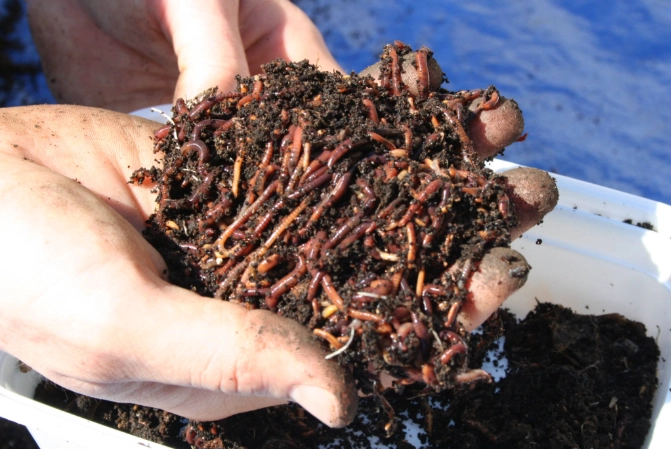
What Is Vermicomposting, Really?
At its core, vermicomposting is just a fancy word for using specific types of earthworms to break down organic waste. You feed them your kitchen scraps, they eat it, digest it, and poo it out. And that worm poo—politely called "castings"—is the superstar product. It's not just manure. It's a biologically active, nutrient-dense, soil-conditioning superfood for your plants.
The process happens in a contained system, a worm bin, which can be as simple as a plastic storage tub or as fancy as a multi-tiered, flow-through system you buy online. Unlike traditional hot composting, which requires a large outdoor space and careful balancing of greens and browns to generate heat, vermicomposting is a cooler, more managed process. It's perfect for apartments, small homes, or anyone who doesn't have the space or energy for a big compost pile.
Why Bother? The Undeniable Benefits of Worm Compost
You might be thinking, "This sounds like a lot of work for some worm poop." I get it. But the benefits stack up in a way that makes it almost silly not to try.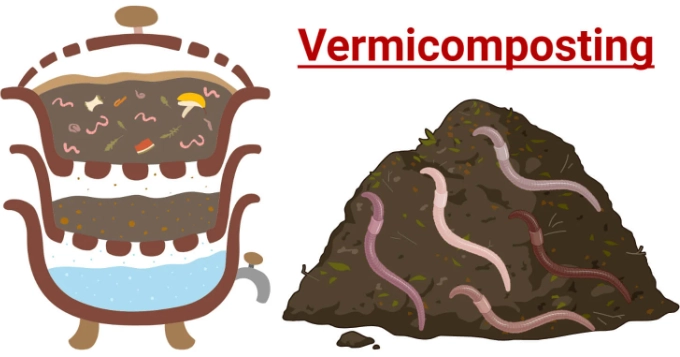
For Your Garden
Vermicompost is like a multivitamin for your soil. It doesn't just add nutrients like nitrogen, phosphorus, and potassium (the NPK you see on fertilizer bags), but it delivers them in a form plants can easily use. More than that, it improves soil structure—helping sandy soil retain water and clay soil drain better. It's teeming with beneficial microbes that help fight off plant diseases. My tomatoes have never been happier since I started top-dressing them with a handful of vermicompost at planting time.
For the Planet (And Your Wallet)
The U.S. Environmental Protection Agency estimates that food waste is the largest category of material placed in municipal landfills. When food rots in a landfill, it produces methane, a potent greenhouse gas. By diverting your kitchen scraps to a worm bin, you're directly reducing your household's waste and its environmental impact. You're also creating your own fertilizer, which means less money spent at the garden center and less reliance on industrial agricultural products.
For You
There's a simple satisfaction in closing the loop. Seeing your banana peel become the reason your basil plant is exploding with growth is weirdly empowering. It's a great, hands-on way to teach kids about nature's cycles. And honestly, it's just cool.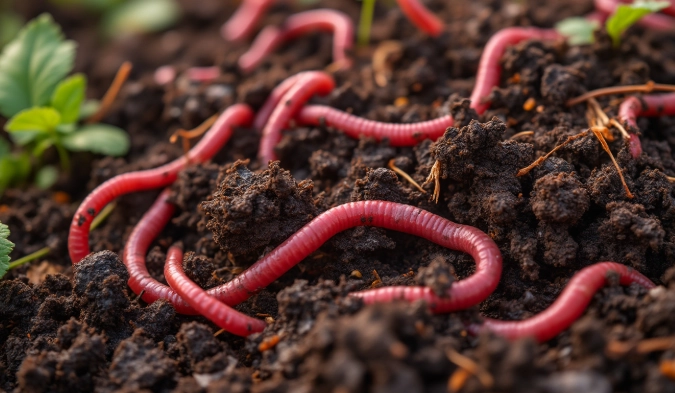
Getting Started: Your First Worm Bin Setup
Okay, you're convinced. Let's build a home for your new workforce. The good news is you don't need much.
The Bin
You have options. A simple, single-container system is cheapest and easiest for beginners. Get a opaque (worms hate light) plastic storage tub, 8-10 gallons is a good start. You'll need to drill ventilation holes near the top of the sides and drainage holes in the bottom. Place this bin inside a second, solid bin (a "leeched bin") to catch any excess moisture, which is that fantastic liquid fertilizer known as "leachate."
You can also buy a commercial worm farm. They're more expensive but often designed for easier harvesting and better airflow. I've used a simple stackable tray system for years, and it does make harvests less messy.
The Bedding
This is the worms' home, not just their food. It needs to be moist, fluffy, and carbon-rich. Shredded newspaper or cardboard (avoid glossy prints) is perfect. Coconut coir (brick form, soaked in water) is another excellent option. Soak your bedding material in water, then wring it out so it's as damp as a well-used sponge. Fluff it up and fill your bin about 2/3 full.
The Stars of the Show: The Worms
This is critical. You cannot use garden earthworms. They won't survive. For vermicomposting, you need composting worms. The two most common are:
| Worm Type | Scientific Name | Best For | Temperament |
|---|---|---|---|
| Red Wigglers | Eisenia fetida | Most beginners. Great all-rounders, breed quickly, tolerate a range of bin conditions. | Hardy, prolific, surface dwellers. |
| European Nightcrawlers | Eisenia hortensis | Those who also want fishing bait. Slightly larger, process waste a bit slower. | A bit more sensitive, deeper dwellers. |
Start with about one pound of worms (roughly 1000 worms) for a standard bin. You can order them online from reputable suppliers. Add them to the top of your prepared bedding. They'll quickly burrow down to escape the light.
What to Feed Your Worms (And What to Avoid)
Worms are pretty easygoing eaters, but they do have preferences and a few hard no's. Think of their diet as mostly "fruit and veggie scraps."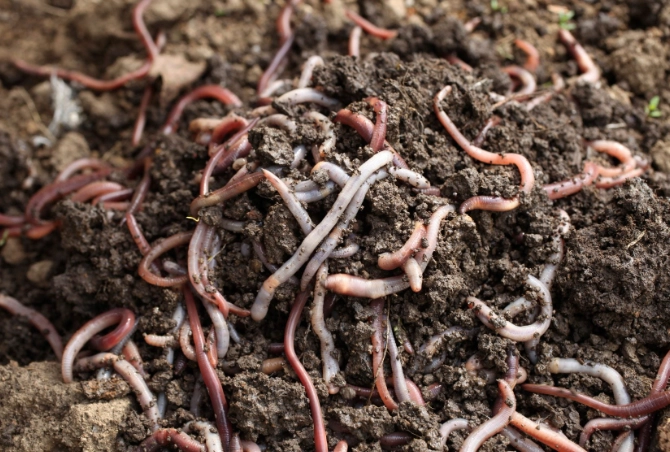
The Green Light List (Nitrogen-rich "Greens"):
- Fruit and vegetable peels, cores, and scraps (apple cores, banana peels, lettuce, carrot tops).
- Coffee grounds and filters (they love these!).
- Tea bags (make sure they are made of natural fibers, staple removed).
- Crushed eggshells (great for balancing pH and adding grit for their digestion).
- Small amounts of bread, pasta, rice.
The Red Light List (Avoid These):
- Meat, fish, bones, and dairy: They will rot and smell long before the worms can process them, attracting pests.
- Oily, greasy, or buttery foods.
- Citrus peels and onions in large quantities: Too acidic. A little bit is okay.
- Garlic and spicy peppers: Worms seem to avoid them.
- Pet waste: Can contain pathogens.
- Glossy or heavily inked paper.
How much to feed?
A good rule of thumb is that one pound of worms can eat about half a pound of food scraps per day. But don't stress about weighing. Start small. Bury the scraps in a different corner of the bin each time, under a layer of bedding. This prevents fruit flies and helps distribute the food. If you see uneaten food piling up, you're feeding too fast. Slow down.
Maintenance: Keeping Your Worm Bin Happy
This is where most people get nervous, but it's mostly about leaving them alone. Worms are low-maintenance pets.
Moisture: This is the number one thing to check. The bedding should always feel like that wrung-out sponge. If it's too dry (worms will try to escape), mist it with water. If it's too wet (soggy, smelly), add more dry, shredded newspaper or cardboard to soak up the moisture.
Aeration: Fluff the bedding every couple of weeks when you add food. This prevents it from becoming compacted and anaerobic (smelly).
Temperature: Worms like the same temperatures we do. Ideal is between 55°F and 77°F (13°C-25°C). Keep the bin out of direct sun and freezing temperatures. My garage works perfectly.
Harvesting the Gold: After 3-6 months, most of the bedding will be transformed into dark, crumbly, earthy-smelling castings. Time to harvest! There are a few methods. The simplest for a single bin is the "pile and pick" method. Dump the contents onto a tarp under a bright light. Make several small pyramids. The worms hate light and will burrow to the bottom of each pile. Scoop off the top layer of castings, wait a bit, and repeat. You'll end up with a pile of worms to put back in the bin with fresh bedding, and a pile of beautiful vermicompost.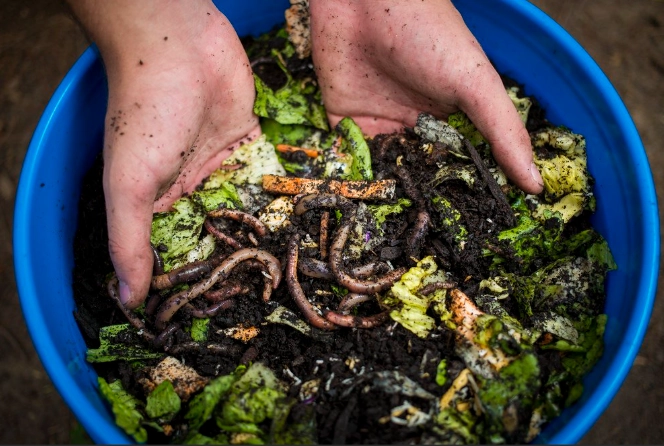
Using Your Vermicompost: From Bin to Garden
So you have a harvest of this dark gold. Now what?
- Potting Mix Amendment: Mix 1 part vermicompost with 3 parts potting soil for containers. Your plants will go nuts.
- Top Dressing: Sprinkle a handful around the base of established plants and gently scratch it into the soil surface.
- Seed Starting: Use a very fine sieve to sift the castings. A light layer mixed into your seed-starting mix gives seedlings a perfect start.
- Make Worm Tea: As mentioned, this is the liquid gold. Put a cup of castings in a mesh bag (like an old pillowcase), steep it in a gallon of non-chlorinated water for 24 hours (an aquarium pump bubbler helps a lot), and use it to water or foliar spray your plants.
The benefits of using vermicompost are well-documented. Research, like that compiled by the U.S. Department of Agriculture's National Institute of Food and Agriculture, shows it can improve seed germination, plant growth, yield, and pest resistance. It's not just gardener hype.
Common Problems and How to Fix Them
Don't panic if something seems off. It's usually an easy fix.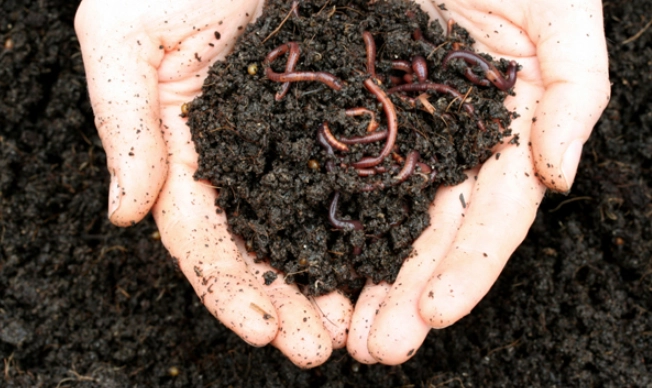
Solution: Almost always means the bin is too wet and/or there's not enough air. Stop feeding. Add a lot of dry, shredded cardboard or newspaper. Fluff everything up. Make sure drainage holes aren't blocked.
Solution: Usually happens when conditions in the bin are bad (too wet, too dry, too acidic, no food). Check moisture first. If you just set up the bin, leave the light on above it for a night or two—they'll stop trying to leave the dark bin for your dark kitchen.
Solution: Most are harmless decomposers. A white, powdery mold is also normal. If you see a population explosion, it often means you're overfeeding. Cut back on food, especially sugary fruits, and add more dry bedding.
Taking It Further
Once you get the hang of basic vermicomposting, you might want to explore more. You can build larger, continuous flow-through systems. You can experiment with different bedding mixes. You can even—if you're really dedicated—start selling your extra worms or castings to local gardeners. The journey into vermiculture can go as deep as you want.
The main thing is to start. Get a bin, some bedding, and a handful of red wigglers. You'll be amazed at how such a simple system can transform your waste and your garden. It's one of the most tangible, positive environmental actions you can take at home. And it all happens thanks to the quiet, relentless work of thousands of worms, turning what we didn't want into something our plants desperately need. That's the real magic of vermicomposting.
Got more questions? The composting community is vast and helpful. For deep dives into the science and best practices, resources from institutions like Penn State Extension or North Carolina State Extension are fantastic, evidence-based places to continue your learning.
Reader Comments