Quick Guide
Let's be honest. Gardening used to be simpler. You'd check your zone, buy some seeds, plant them when the frost date passed, and hope for the best. But now? The rules are changing. Literally. The hardiness zones are shifting north. Springs are unpredictable. Summers bring heatwaves that fry plants you've nurtured for months, and downpours flood beds in minutes instead of gently watering them. It's enough to make any gardener throw their trowel down in frustration. I know I've been there, staring at wilted tomato plants in July, wondering what I did wrong.
That feeling of frustration is exactly why we need to talk about gardening for climate change. This isn't about giving up. Far from it. It's about adapting, learning new tricks, and working with the new reality, not against it. It's about turning your garden from a passive victim of weather patterns into an active, resilient ecosystem. A garden that doesn't just survive, but actually helps fight the bigger problem.
Think of it as future-proofing your little patch of earth.
Why Your Backyard Matters in a Big Way
Maybe you're thinking, "My tiny garden can't possibly make a difference." I used to think that too. But then you start adding it up. Millions of backyards, community plots, balconies, and window boxes. That's a massive amount of land. What we do on that land collectively has a real impact.
Beyond the global good, it's deeply personal. A resilient garden means less heartache for you. Less money wasted on plants that can't hack it. Less water on your bill. More time enjoying your green space and less time battling to save it from the latest weather extreme. That's the real goal of gardening for climate change—creating beauty that lasts.
Building Your Climate-Resilient Garden: A Step-by-Step Mindset
Okay, so how do we actually do this? It's less about a single magic trick and more about adopting a new set of principles. Forget the perfectly manicured, thirsty lawn and fragile hybrid roses (unless you live in the perfect spot for them). We're going for toughness, diversity, and intelligence.
Step 1: Rethink Your "Lawn" (Or Get Rid of It Altogether)
The traditional turfgrass lawn is a climate change loser. It guzzles water, requires frequent mowing (often with gas engines), and offers almost zero ecological value. In drought-prone areas, it's simply unsustainable.
What are the alternatives?
- Native Ground Covers: Plants like creeping thyme, clover, or sedum form a lush, green carpet that needs little mowing, tolerates drought, and feeds pollinators. I replaced a sunny section of my lawn with clover, and the bees are obsessed with it. It stays green longer in the summer with no watering.
- Mulched Beds & Pathways: Expand your planting beds. Use wood chips, gravel, or other permeable materials for paths. More plants, less grass.
- Meadow Gardens: For larger areas, consider a low-maintenance mix of native grasses and wildflowers. It's a stunning, dynamic landscape that supports incredible biodiversity. The Lady Bird Johnson Wildflower Center has fantastic regional guides for this.
You don't have to do it all at once. Start with a corner. See how you like it.
Step 2: Become a Water Ninja
Water is becoming the most precious resource in the garden. Our job is to catch it, save it, and use every drop wisely.
- Rain Barrels: This is the easiest win. Hook one (or several) to your downspout. The water is free, unchlorinated, and perfect for plants. My veggies get almost exclusively rainwater now.
- Drip Irrigation & Soaker Hoses: Water goes directly to the roots, where it's needed. Evaporation loss is minimal compared to sprinklers. It's a game-changer.
- Deep, Infrequent Watering: Watering deeply encourages roots to grow down, seeking moisture, making plants more drought-tolerant. Shallow, daily watering keeps roots lazy and near the surface.
- Mulch, Mulch, Mulch: A 2-3 inch layer of organic mulch (wood chips, straw, shredded leaves) is like a blanket for your soil. It dramatically reduces evaporation, keeps roots cooler, and suppresses weeds.
Step 3: Feed the Soil, Not Just the Plants
Healthy soil is the secret weapon of climate change gardening. It holds more water, supports more life, and stores carbon. Chemical fertilizers give a quick hit but can harm soil biology in the long run.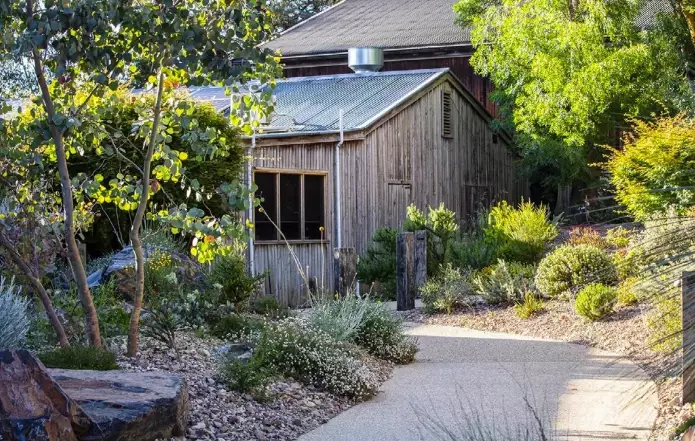
Focus on building organic matter:
- Compost: Your own kitchen and garden waste is black gold. It improves soil structure, water retention, and provides slow-release nutrients.
- Cover Cropping: In vacant veggie beds, plant crops like winter rye or clover. They prevent erosion, suppress weeds, and when turned into the soil, they add organic matter and nitrogen. It feels very professional.
- No-Till / Low-Till Methods: Excessive tilling breaks down soil structure and releases stored carbon. Try loosening soil with a broadfork instead of turning it over completely.
The Right Plant, Right Place, Right Time
This is the heart of adaptation. We need to choose plants that are pre-equipped to handle our new normal.
Forget the old zone map. It's outdated.
Look for plants labeled as drought-tolerant, heat-resistant, or native to your region. Natives are the undisputed champions because they've evolved over millennia to handle your local climate's ups and downs—its pests, its rainfall patterns, its temperature swings.
Here’s a quick-reference table for some superstar climate-resilient plants, but remember to check for natives specific to your area first.
| Plant Type | Examples | Climate Superpowers | Best For... |
|---|---|---|---|
| Native Perennials | Black-eyed Susan (Rudbeckia), Coneflower (Echinacea), Blazing Star (Liatris), Switchgrass (Panicum virgatum) | Deep roots for drought tolerance, co-evolved with local pollinators, need little to no fertilizer. | Low-maintenance borders, pollinator gardens, naturalized areas. |
| Drought-Tolerant Shrubs | Butterfly Bush (Buddleia), Russian Sage (Perovskia), Rosemary, Lavender, Juniper | Silver or fuzzy leaves that reflect sun/retain moisture, woody stems that survive winter. | Foundational plantings, fragrant hedges, hot/dry slopes. |
| Heat-Loving Veggies | Okra, Sweet Potatoes, Hot Peppers (Jalapeño, Cayenne), Eggplant, Armenian Cucumber | Thrive in high temperatures, often produce more fruit when it's hot. | Summer vegetable gardens, containers in full sun. |
| Climate-Adaptive Trees | Oak species, Red Maple, Kentucky Coffeetree, Serviceberry | Strong wood, good storm resistance, provide critical canopy cooling, massive carbon storage. | Long-term landscape planning, shade, wildlife value. |
A great resource for finding the best native plants for your exact location is the Audubon Native Plants Database. You just put in your zip code.
Dealing with the Extremes: Flood, Drought, and Heat
This is the practical, in-the-trenches stuff. What do you do when the weather goes haywire?
When the Heat is On
Shade is your best friend. Use shade cloth (30-50%) over particularly sensitive plants like lettuce during a heatwave. Water early in the morning so plants are hydrated before the sun bakes them. And honestly, sometimes you just have to accept that some cool-season crops (like peas or spinach) will bolt and be done early. Replace them with a heat-loving crop.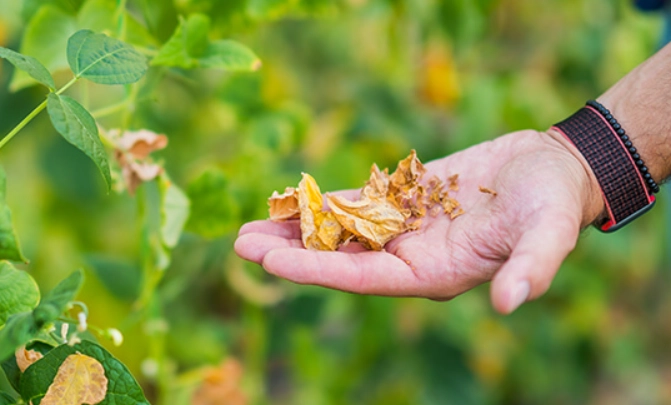
When the Rains Won't Stop
Good drainage is non-negotiable. If you have heavy clay soil, raised beds are a lifesaver. Incorporate lots of compost and coarse sand to improve soil structure. For areas that chronically flood, consider a rain garden—a shallow depression planted with water-loving natives that captures runoff and lets it soak in slowly. The EPA's Soak Up the Rain program has excellent, simple guides on how to build one.
When Pests and Diseases Shift
Milder winters mean more pests and pathogens survive. The key is vigilance and a strong garden ecosystem. Encourage beneficial insects (ladybugs, lacewings) by planting lots of flowers. Practice crop rotation in the veggie patch. Remove diseased plant material promptly. A diverse garden is less likely to be wiped out by a single pest.
Your Climate Change Gardening FAQ
This is a Journey, Not a Destination
Look, I still make mistakes. Last year, I tried a new heirloom tomato that was a total bust in the heat. It happens. Gardening for climate change is an ongoing experiment. You observe, you learn, you adapt. Some years will be great for certain plants, other years won't. The goal is to build a garden system that can roll with the punches.
It's also deeply hopeful. When you see your garden buzzing with life, holding water after a storm, thriving in a heatwave when your neighbor's lawn is brown—it feels like you're part of the solution. You're creating a patch of resilience, a small node of biodiversity, and a personal sanctuary all at once.
So grab your gloves. Start with one change. Your garden, and the planet, will thank you for it.
Reader Comments