Your Berry Growing Map
- First Things First: Which Berries Should You Actually Grow?
- The Non-Negotiables: Site and Soil Prep
- The Planting Process: Getting It Right From Day One
- The Care and Feeding of Your Berry Patch
- Dealing with the Inevitable: Pests and Problems
- Harvest and Enjoyment: The Sweet Finale
- Your Berry Growing Questions, Answered
Let's talk about berry growing. It's one of those gardening adventures that looks intimidating from the outside—all those pruning rules and pest worries—but once you get your hands dirty, it's surprisingly forgiving. And the payoff? Nothing beats walking into your garden and picking a sun-warmed raspberry or a handful of plump blueberries. The flavor is a world apart from anything you'll find in a supermarket clamshell.
I remember my first attempt. I planted strawberries in a shady corner because it was the only free space I had. They grew long, sad-looking runners and produced about three tiny, sour fruits. Total failure. But that mistake taught me more than any perfect success could have. Berry plants have needs, sure, but they're not cryptic. They'll tell you what they want if you know what to look for.
This guide is for anyone who's stared at a bare patch of yard or an empty patio and thought, "Could I grow berries here?" The answer is almost always yes. Whether you dream of a sprawling bramble patch or a few pots on a balcony, the journey of berry growing is absolutely within your reach.
First Things First: Which Berries Should You Actually Grow?
This is the fun part, but also where many beginners get paralyzed by choice. Do you go for the classic strawberry? The trendy blueberry? The prolific raspberry? The best berry growing strategy starts with picking the right plant for your conditions and your patience level.
Ask yourself:
How much sun does my space get? (This is the biggest deal-breaker.)
How much space do I really have?
What's my soil like? (More on this later, but it's crucial for blueberries).
How soon do I want to harvest? Some berries give you fruit the first year, others make you wait.
To cut through the noise, here's a straightforward comparison of the most popular berries for home gardeners. This isn't just theoretical—it's based on what actually works in real gardens, not perfect nursery conditions.
| Berry Type | Best For Beginners? | Sun Needs (Minimum) | Time to First Harvest | Key Thing to Know |
|---|---|---|---|---|
| Strawberries | YES. Very forgiving and fast. | 6-8 hours | Same year (for June-bearing, wait a year) | Great for containers. Replace plants every 3-4 years as production drops. |
| Raspberries | Pretty easy, but pruning confuses people. | 6-8 hours | Second year | They spread via underground runners. Give them space or a root barrier. |
| Blueberries | Moderate. They have specific soil needs. | 6-8 hours | 2-3 years | Must have acidic soil (pH 4.5-5.5). Plant at least two varieties for cross-pollination. |
| Blackberries | Very easy. Almost too vigorous. | 6-8 hours | Second year | Thornless varieties exist and are worth it. They need strong support. |
| Gooseberries/Currants | Yes, and they're underrated. | 4-6 hours (tolerates partial shade) | 2-3 years | More cold-hardy than others. Can produce well in dappled light. |
My personal take? If you're brand new to berry growing, start with strawberries in a pot or a dedicated raised bed. The instant gratification is a huge motivator. If you have a sunny spot with decent space, give raspberries a shot. Their perennial habit means you plant them once and get fruit for years.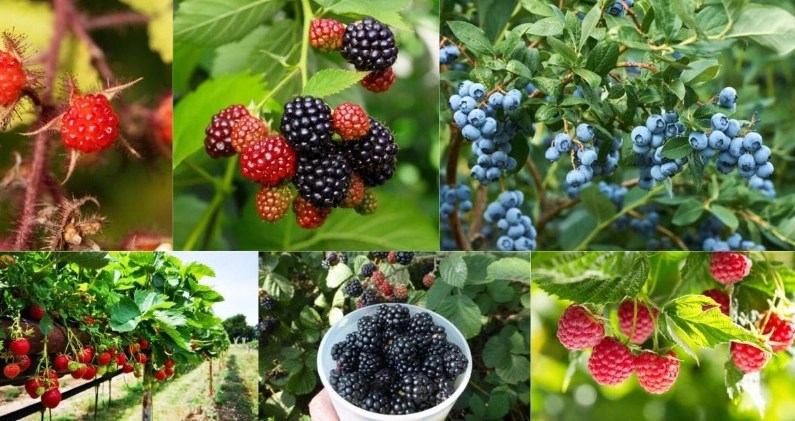
Watch Out: Check local regulations if you're considering growing certain berries like blackberries or raspberries. In some areas, they're considered invasive due to their spreading habit. Your local university extension service is the best place to find this info. For example, the University of Minnesota Extension has fantastic, region-specific guides that tell you exactly which varieties perform well in colder climates.
The Non-Negotiables: Site and Soil Prep
You can buy the healthiest plant from the best nursery, but if you plop it in the wrong spot, you're fighting an uphill battle. Successful berry growing is 80% preparation, 20% maintenance.
Sunlight is Non-Negotiable
I can't stress this enough. Berries are sun worshippers. "Full sun" means at least 6-8 hours of direct sunlight. Not filtered light through a tree. Not morning sun only. Direct, blazing, photosynthesis-fueling sun.
I made the shade mistake once. Never again. The plants become leggy, produce few flowers, and any fruit that does form lacks sweetness. If your only spot gets 4-6 hours, stick to gooseberries, currants, or alpine strawberries. Manage your expectations for yield.
Soil: It's Not Just Dirt
This is where most backyard berry growing projects sink or swim. You don't need perfect soil, but you do need to understand what you're working with.
Pro Tip: Before you spend a dime on plants, do a soil test. It's the single best investment you can make. A basic test from your local cooperative extension office (search for "[Your State] cooperative extension soil test") will tell you your pH and nutrient levels. For blueberries, knowing your pH is critical. For everyone else, it tells you if you need to add anything.
General soil rules for berries:
- Drainage is King: Berries hate wet feet. Their roots will rot in soggy, compacted soil. If your soil is heavy clay, you must improve it. Raised beds are a fantastic solution for poor drainage.
- Get Organic Matter In There: Work in a generous amount of compost, well-rotted manure, or leaf mold. This improves soil structure, drainage, and provides slow-release nutrients. I aim to mix in about 3-4 inches of compost over the planting area and till or dig it in.
- The Blueberry Exception: If your soil isn't naturally acidic (pH below 5.5), growing blueberries in the ground is a constant battle. It's often easier to grow them in large containers or raised beds filled with an acidic potting mix designed for camellias and rhododendrons. The Clemson University Cooperative Extension has a detailed guide on amending soil for blueberries if you're determined to plant them in the ground.
Take a weekend to prep your site. Clear weeds (really clear them, don't just skim the top), loosen the soil deeply, and mix in that compost. Your future self, holding a basket of berries, will thank you.
The Planting Process: Getting It Right From Day One
Okay, you've picked your berries and prepped your palace. Now for the main event. Planting day is exciting, but don't let the excitement make you rush.
When to Plant
The best time for planting most berry plants is in early spring, as soon as the ground can be worked. This gives them a full season to establish roots before winter. In milder climates (USDA zones 7 and above), fall planting is also excellent, as the soil is still warm for root growth but the air is cool.
How to Plant (The Right Way)
Here's a step-by-step that works for most berries:
- Soak the Roots: If you have bare-root plants (common for raspberries, blackberries), soak them in a bucket of water for 1-2 hours before planting. For potted plants, water them thoroughly.
- Dig a Proper Hole: Dig a hole twice as wide as the root ball and just as deep. This loosens the soil around the roots, making it easier for them to expand. Mound the soil in the center of the hole for bare-root plants to spread the roots over.
- Mind the Depth: This is critical. For strawberries, the crown (where the leaves meet the roots) must be level with the soil surface. If it's buried, it rots. If it's too high, the roots dry out. For blueberries, raspberries, and blackberries, plant them at the same depth they were growing in the nursery pot.
- Backfill and Water: Gently backfill the hole, firming the soil lightly with your hands to remove air pockets. Create a slight basin around the plant to hold water. Give it a deep, slow watering to settle the soil.
- Mulch Immediately: Apply 2-3 inches of organic mulch (wood chips, straw, pine needles) around the plant, keeping it a few inches away from the stem. Mulch is a game-changer—it conserves moisture, suppresses weeds, and keeps soil temperatures even.
Spacing is another common headache. Crowding plants might seem efficient, but it leads to poor air circulation (hello, fungal diseases) and competition for light and nutrients. Follow the spacing recommendations for your variety—usually 18-24 inches for strawberries, 2-3 feet for blueberries, and 2-3 feet between raspberry canes in a row.
The Care and Feeding of Your Berry Patch
Once planted, berry growing shifts from a project to a relationship. It's not high-maintenance, but it requires consistent, attentive care.
Watering: Deep and Infrequent
Newly planted berries need consistent moisture to establish roots. Water deeply 2-3 times a week if there's no rain. The goal is to encourage roots to grow deep into the soil, not stay shallow.
For established plants, a deep watering once a week is usually sufficient. The key is to water the soil, not the foliage. Drip irrigation or a soaker hose is ideal. Overhead watering can promote leaf diseases.
Signs you're getting it wrong:
Wilting in the heat of the day? Probably normal. Wilting in the morning? Needs water. Yellowing leaves and soggy soil? You're overwatering.
Fertilizing: Less is Often More
Berries aren't heavy feeders, especially if you started with good, compost-rich soil. Over-fertilizing, particularly with high-nitrogen fertilizers, can lead to lots of leafy growth at the expense of fruit, and make plants more susceptible to pests.
- Strawberries: Feed in early spring and again after the last harvest. A balanced organic fertilizer works well.
- Raspberries/Blackberries: Feed once in early spring as new growth begins.
- Blueberries: Use a fertilizer formulated for acid-loving plants. Apply in spring as buds swell. A mulch of pine needles or oak leaves can help maintain acidity over time.
The Pruning Puzzle
This scares people more than anything else in berry growing. The fear of cutting off the wrong thing and losing a year's harvest is real. But pruning is essential for health, productivity, and keeping plants manageable.
Let's demystify the two main types of berry canes:
- Primocanes: First-year canes. They grow leaves but (usually) no fruit.
- Floricanes: Second-year canes. They produce fruit and then die.
For summer-bearing raspberries and blackberries, you prune out the dead floricanes (the ones that just fruited) right after harvest or in late winter. You leave the healthy primocanes, which will fruit next year. For everbearing/fruiting varieties that produce on primocanes, you can cut all canes to the ground in late winter for one large fall crop, or do a more complex pruning for two smaller crops.
It sounds complicated, but once you see the difference between the old, brown, dead cane and the fresh, green, new one, it clicks. The Oregon State University Extension has brilliant, clear illustrations that show exactly what to cut.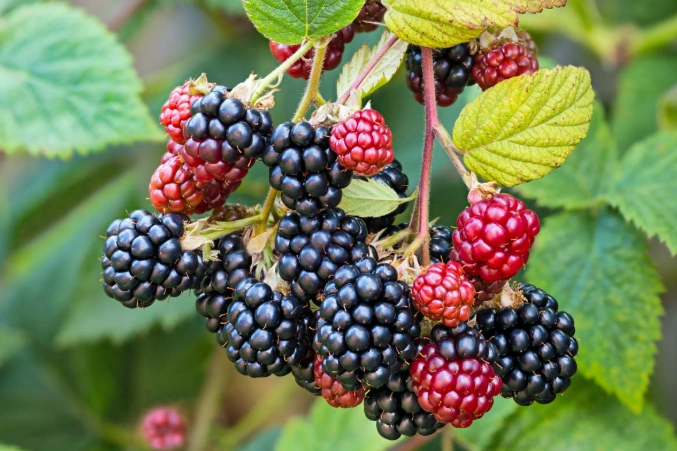
My Pruning Philosophy: Don't be timid. A crowded, unpruned berry patch is a sad, unproductive tangle. Good pruning opens up the plant to light and air, which means bigger, sweeter berries and fewer diseases. Use sharp, clean pruners and make confident cuts.
Dealing with the Inevitable: Pests and Problems
No guide to berry growing would be honest if it skipped this part. You will have visitors. The goal isn't a sterile, pest-free zone (impossible and undesirable), but a balanced ecosystem where problems are manageable.
Birds: They will find your ripe berries before you do. Netting is the most effective solution. Build a simple frame over your patch and drape bird netting over it, securing it at the bottom. Don't leave gaps! Check it daily to ensure no birds or small animals are trapped.
Spotted Wing Drosophila (SWD): This is a nasty, invasive fruit fly that lays eggs in ripening fruit. If your berries get soft and mushy quickly, you might have SWD. Management involves vigilant monitoring with traps, harvesting fruit as soon as it's ripe (don't let overripe fruit hang on the plant), and refrigerating harvests immediately to halt any larvae. The UMass Amherst Fruit Program provides excellent, up-to-date management strategies.
Powdery Mildew/Fungal Diseases: Prevention is everything. Good spacing, pruning for airflow, watering at the soil level, and morning sun that dries dew quickly are your best defenses. If you see white powdery spots on leaves, remove affected foliage. Organic fungicides like sulfur or neem oil can help if applied early.
My approach is always to start with the least invasive method. A strong blast of water from the hose can dislodge aphids. Hand-picking Japanese beetles (into a jar of soapy water) is strangely satisfying. Encourage beneficial insects by planting flowers like alyssum, marigolds, and dill near your berry patch.
Harvest and Enjoyment: The Sweet Finale
This is what it's all about. Harvesting homegrown berries feels like a small miracle every time.
When to Pick: Berries don't continue to ripen after picking. Color is your best indicator, but taste is the final judge. A ripe berry should detach easily with a gentle tug. Raspberries and blackberries will simply fall into your hand when cupped. Strawberries should be fully red. Blueberries develop a full, dusty blue color and a slight give.
Harvest in the cool of the morning if possible. Handle them gently—they bruise easily. Use shallow containers so the weight of the berries doesn't crush those on the bottom.
What to Do With the Bounty: Eat them fresh, obviously. But when your berry growing efforts hit peak production, you'll need plans.
- Freezing: The easiest preservation method. Wash, pat dry, spread in a single layer on a baking sheet to "flash freeze," then transfer to freezer bags. They'll keep for a year.
- Jam: A classic for a reason. Strawberry jam from your own berries is a revelation.
- Baking: Pies, cobblers, muffins. Frozen berries work perfectly for baking.
There's a deep satisfaction in sharing a jar of homemade raspberry jam or a container of frozen blueberries with friends and family. It's a tangible result of your work.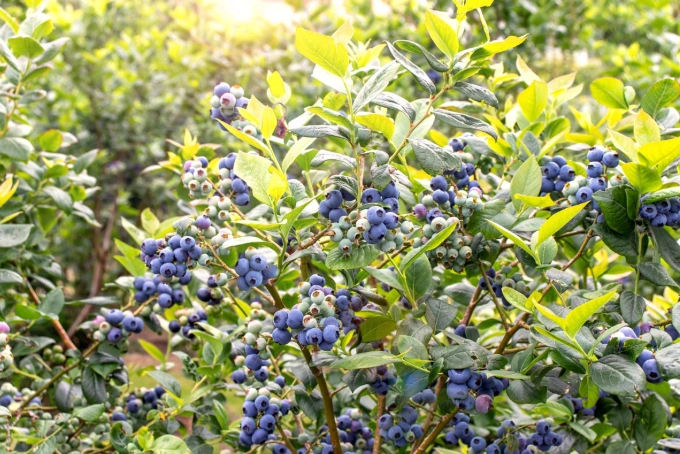
Your Berry Growing Questions, Answered
I get asked a lot of questions about berry growing. Here are the ones that come up again and again.
Berry growing is a journey. There will be seasons where the birds win, or a late frost nips the blossoms, or a mysterious ailment affects your plants. That's gardening. But there will also be those perfect June mornings, the satisfaction of pruning a tangled bramble into order, and the unparalleled taste of a berry that traveled from cane to hand in seconds.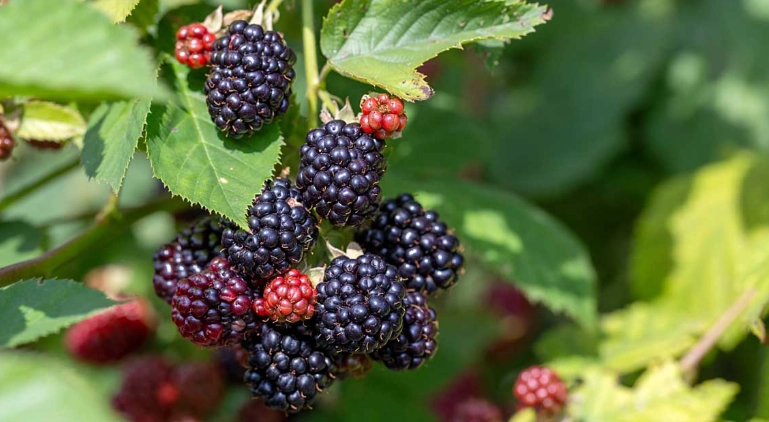
It connects you to the rhythm of the seasons in a way little else does. You notice the first swelling of the buds in spring, the buzz of pollinators on the flowers, the slow color change of the fruit. And then you get to eat it.
Grab a plant, find a sunny spot, and get started. Your berry growing adventure is waiting.
Reader Comments