Quick Navigation
- Why Bother? The Real Benefits of a Rooftop Garden
- The Non-Negotiable First Step: Safety and Planning
- Choosing Your Rooftop Garden Style
- The Building Blocks: Soil, Plants, and Infrastructure
- Putting It All Together: The Step-by-Step Setup
- Keeping It Alive: Maintenance and Troubleshooting
- Answering Your Rooftop Gardening Questions
Let's be honest. City living can feel a bit... gray sometimes. Concrete, glass, asphalt. You look out your window and crave a bit of green, a bit of life. But if you don't have a backyard, what can you do? That's where the magic of rooftop gardening comes in. It's not just for fancy restaurants or luxury apartments anymore. Turning your unused roof into a productive, beautiful space is more achievable than you might think. I remember staring at my own flat, boring roof a few years ago, thinking it was just a sunbaked slab of nothing. What a waste of potential.
This guide is everything I wish I had when I started. We're not just talking about plopping a few pots up there. We're talking about creating a real ecosystem, a personal retreat, and maybe even a source for your salad. We'll walk through the nitty-gritty: the crucial first steps (don't skip these!), the fun planning, the actual doing, and how to keep it all alive and thriving. Whether you dream of a flower-filled haven, a veggie patch in the sky, or a mix of both, this is your roadmap.
Why Bother? The Real Benefits of a Rooftop Garden
Before we get our hands dirty, let's talk about the "why." It's more than just good looks. A well-planned rooftop garden gives back—to you, your building, and your city.
For you, it's an instant escape. The mental health benefits are huge. Having a quiet green space to tend to, away from the street noise, is a form of therapy. It's your private park. On a practical level, it can seriously cool down the floor underneath. A building with a vegetated roof is way better insulated than one with a black tar roof baking in the sun all day. That can mean lower air conditioning bills in the summer.
Then there's the bigger picture. Cities create what's called an "urban heat island" effect—all that concrete and asphalt absorbs and re-radiates heat, making cities significantly warmer than surrounding areas. Rooftop gardens combat this. Plants absorb sunlight for photosynthesis instead of letting it turn into heat. They also help manage stormwater. During a heavy rain, a garden roof can absorb a huge amount of water, releasing it slowly through evaporation and transpiration, which takes pressure off city sewers. The U.S. Environmental Protection Agency (EPA) has a ton of resources on how green infrastructure, including green roofs, helps mitigate these urban environmental issues.
And let's not forget food. Growing your own herbs, tomatoes, or peppers on your rooftop is incredibly satisfying. You know exactly where your food came from, and nothing beats the taste of a sun-warmed strawberry you grew yourself.
The Non-Negotiable First Step: Safety and Planning
This is the part most beginners want to rush past. Don't. A successful rooftop gardening project starts here, on the ground, with planning.
Check Your Structure and Access
This is crucial. Soil, plants, containers, and water are heavy. You must find out if your roof can handle the load. For a lightweight container garden, you might be okay, but for anything involving deeper soil beds, you need professional advice. Talk to your landlord, building manager, or hire a structural engineer. Be prepared for them to say no if it's an older building—it happens. Also, how do you get your materials up there? Is there a freight elevator? A sturdy staircase? Hauling bags of soil up ten flights of fire escape stairs is a quick way to kill your enthusiasm.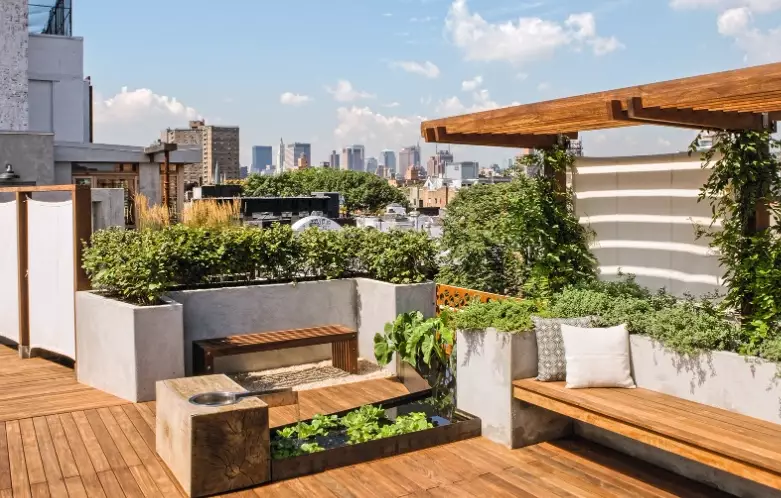
Understand Sun, Wind, and Water
Your roof is a unique microclimate. It's usually sunnier and windier than your backyard. Spend a few days observing.
- Sun: Track how many hours of direct sun each area gets. Full sun (6+ hours) is great for veggies like tomatoes and peppers. Partial shade areas are perfect for leafy greens like lettuce and spinach, or some herbs like mint and parsley.
- Wind: It can be brutal. Wind dries out soil fast and can shred delicate plants or knock over tall ones. You'll likely need a windbreak. This could be a trellis with a fast-growing vine, a low parapet wall, or even strategically placed taller plants or containers.
- Water: Where's your water source? Dragging a hose up every time is a pain. Installing a simple drip irrigation system on a timer is, in my opinion, the single best investment for a rooftop gardener. It saves time and ensures your plants get consistent water, which is key in that exposed environment.
Drainage is King
You cannot have standing water on your roof. Ever. It damages the roof membrane and adds unwanted weight. Every container must have drainage holes. If you're building raised beds, they need to be designed to allow water to flow out freely, often using a false bottom or a specific drainage layer. This is where looking at resources from organizations like Green Roofs for Healthy Cities can give you professional insights into proper layered systems for more intensive green roofs.
Choosing Your Rooftop Garden Style
Not all rooftop gardens are the same. Your choice depends on your budget, structural capacity, and goals. Here’s a breakdown.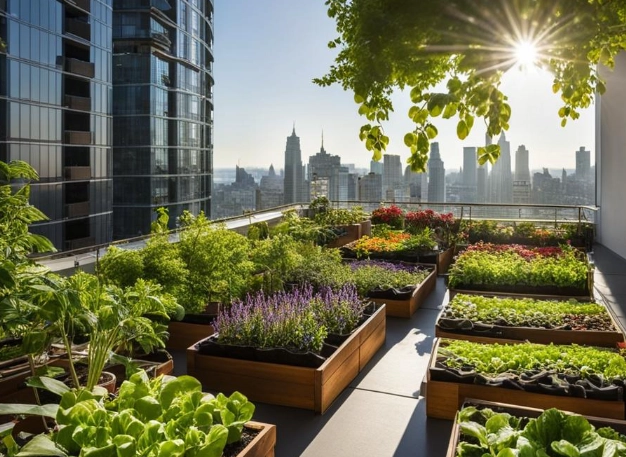
| Style | What It Is | Best For | Key Considerations |
|---|---|---|---|
| Container Gardening | Using individual pots, planters, and boxes. | Beginners, rented spaces, low-budget projects, flexible designs. | Extremely versatile. Watch for pot material (plastic is lighter, terracotta breathes). Group pots to create microclimates. |
| Raised Bed Gardening | Building framed boxes filled with soil, placed directly on the roof surface. | Dedicated vegetable gardens, deeper root systems, better soil control. | More permanent. Requires careful planning for drainage and weight distribution. Use lightweight soil mixes. |
| Green Roof (Extensive) | A shallow layer of soil planted with hardy, low-growing sedums and succulents. | Maximizing environmental benefits (insulation, stormwater), low maintenance, large areas. | Usually requires professional installation or very thorough DIY research. Focuses on ecology over food production. |
| Hybrid Approach | Mixing containers, a few raised beds, and maybe some green roof mats. | Most hobbyists! It allows for creativity and meets different needs. | This is what I ended up with. Herbs in pots near the kitchen door, a raised bed for tomatoes, and sedum mats in the hot, windy corner. |
The Building Blocks: Soil, Plants, and Infrastructure
1. The Right Soil Mix
Don't use soil from the ground or cheap, heavy topsoil. You need a premium, lightweight potting mix. For containers and raised beds, look for mixes labeled for raised bed gardening or container use. They are fluffy, drain well, and are often a blend of peat, coir, compost, and perlite/vermiculite. For a green roof, you'd use a specially engineered mineral-based mix. Weight is your constant concern, so a light, airy mix is worth the extra cost.
2. Picking Your Plants
This is the fun part. Choose plants suited to your roof's conditions.
- For Sunny, Windy Spots: Think tough, drought-tolerant plants. Many Mediterranean herbs are perfect: rosemary, thyme, oregano, lavender. Succulents like sedum and sempervivum (hen-and-chicks) are virtually indestructible. For veggies: tomatoes, peppers, eggplants, beans.
- For Part-Shade or Sheltered Corners: Leafy greens (lettuce, kale, arugula), herbs (mint, chives, parsley), and flowers like impatiens or begonias.
- Wind-Resistant Strategies: Choose low-growing or spreading plants. Use stakes and trellises securely. Create windbreaks with taller, sturdier plants or structures.
A great resource for figuring out what will thrive in your specific climate is the USDA Plant Hardiness Zone Map. Just plug in your zip code.
3. Watering Systems You'll Actually Use
Hand-watering with a can is fine for a few pots. For anything more, automate. A simple drip irrigation kit with a battery-operated timer is a game-changer. It delivers water slowly to the roots, minimizing waste and evaporation. Soaker hoses are another option for raised beds. Connect it to a spigot if you have one, or use a connector for a standard outdoor faucet. Just make sure your water source is reliable.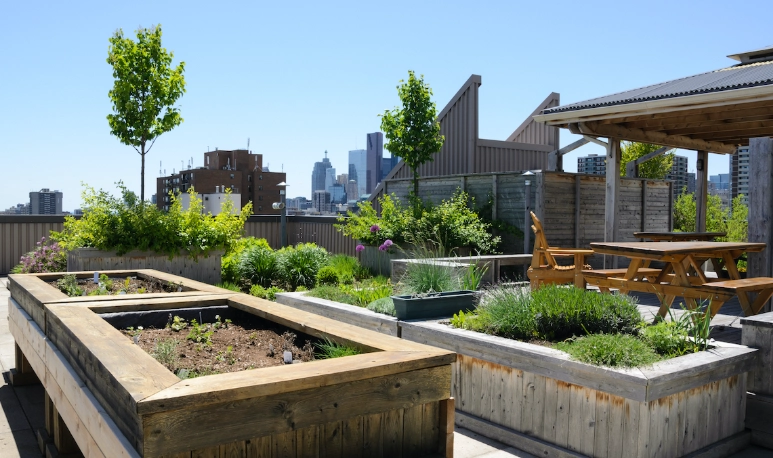
Putting It All Together: The Step-by-Step Setup
- Get Permissions & Do Calculations: Landlord, building, engineer. Check, check, check.
- Clean & Protect the Roof: Sweep thoroughly. If you're placing containers directly on the roof, use pot feet or a protective mat to prevent scratches and ensure drainage.
- Install Windbreaks & Shade (if needed): Set up trellises, lattice screens, or position larger furniture first.
- Place Containers/Build Beds: Arrange your planters and beds according to your sun map. Put sun-lovers in the bright spots.
- Set Up Irrigation: Lay out drip lines or soaker hoses before you fill everything with soil. It's much easier.
- Fill with Soil: Use that lightweight mix. Don't pack it down too tightly.
- Plant! Water each plant in well after placing it in the soil.
- Mulch: A layer of lightweight mulch like shredded bark or straw helps retain moisture and suppress weeds.
- Set Timer & Observe: Turn on your irrigation system and watch how your new rooftop garden settles in.
Keeping It Alive: Maintenance and Troubleshooting
A rooftop garden needs regular check-ins, but it doesn't have to be a chore.
Watering: Even with a drip system, check soil moisture with your finger. Wind and heat can dry things out faster than you expect. Adjust your timer seasonally—less in spring/fall, more in summer.
Feeding: Plants in containers exhaust nutrients faster than in the ground. Use a balanced, water-soluble organic fertilizer every few weeks during the growing season. Compost tea is also a fantastic option.
Pest Patrol: You might have fewer ground pests (like slugs), but aphids, whiteflies, and caterpillans can still fly up. Inspect leaves regularly. A strong blast of water often knocks aphids off. Encourage beneficial insects by planting flowers like marigolds, nasturtiums, or alyssum. The Garden Organic website has excellent, chemical-free pest management advice.
Seasonal Tasks: In fall, clean up spent plants. Tender perennials may need protection or to be brought indoors. In spring, refresh the top layer of soil in your containers, add compost, and plan your new planting scheme.
Answering Your Rooftop Gardening Questions
Let's tackle some common hurdles and questions head-on.
Rooftop gardening is a journey. It starts with a vision of green above the hustle and bustle. It requires some legwork upfront—please, don't skip the structural check—but the reward is immense. You're not just growing plants; you're creating habitat, cooling your immediate environment, and carving out a piece of personal serenity high above the city streets.
It won't always go perfectly. You'll overwater something, underwater something else, and a windstorm will take out your favorite sunflower. But you'll learn. And each season, your sky-high oasis will become more resilient, more beautiful, and more uniquely yours. So, take a look at that roof of yours again. What do you see now?
Reader Comments