Quick Navigation
Let's be honest. The idea of a community garden can sound a bit... quaint. Maybe you picture a few retired folks puttering around a small patch of land, growing flowers no one really sees. I thought that too, a long time ago. Then I actually got involved in one. And let me tell you, I was completely wrong.
What I found wasn't just a garden. It was a buzzing hub of life—both plant and human. It was where I learned that zucchini plants are shockingly prolific (what do you even do with the eighth one?), where I heard stories from neighbors I'd only ever nodded at, and where I finally understood what "fresh food" really tastes like. That first sun-warmed strawberry I picked changed my whole perspective.
So, what is community gardening, really? At its core, it's a shared piece of land where people come together to grow food, flowers, or both. But that's just the seed. What grows from it is a sense of place, shared responsibility, and a direct connection to your food that a supermarket aisle can never provide.
It's not about being a perfect gardener. It's about showing up, getting your hands dirty with others, and sharing in the triumphs (huge tomatoes!) and the disasters (those darn squash bugs).
Why Bother? The Real, Tangible Benefits of Community Gardening
You might be wondering if it's worth the effort. I get it. Time is precious. Here's the thing—the rewards go far beyond a basket of veggies. They seep into your life in ways you might not expect.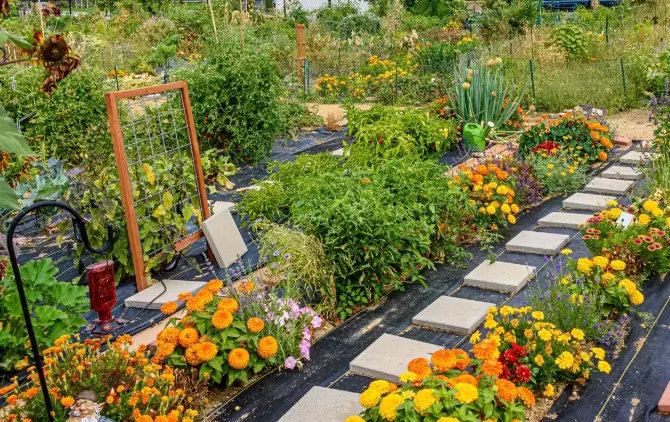
First, there's the obvious stuff: food. There is a profound difference between a grocery store bell pepper and one you've watched grow from a tiny seedling. The flavor is intense, the pride is real. You eat seasonally because that's what's ready. It reconnects you to natural cycles in a world that's always trying to sell you strawberries in December.
Then there's your health. It's not just the nutritional boost from ultra-fresh produce. The physical act of gardening—digging, weeding, planting—is gentle, rewarding exercise. It gets you outside, into the sunlight (with sunscreen, please!). The mental health benefits are massive. For me, the garden became a form of therapy. Stressed from work? Go pull some weeds. It's weirdly satisfying. Studies back this up, showing reduced stress and improved mood. The American Psychological Association has resources on how nature contact benefits mental well-being.
But the most surprising benefit for me was the community part of community gardening. In an age of digital connections and suburban isolation, the garden was a real, physical meeting ground. I met people from all walks of life—a software engineer, a teacher, a retiree who remembered when our neighborhood was all farms. We shared tools, traded harvests (my zucchini for your basil), and solved problems together. We built something tangible, together. That sense of belonging is priceless.
On a bigger scale, these gardens are pockets of environmental resilience. They promote biodiversity, create habitats for pollinators like bees and butterflies, and can even help manage stormwater runoff in urban areas. They're small but powerful acts of local ecology.
The Top 10 Reasons People Stick With Community Gardening
- Hyper-local, ultra-fresh food: The taste and nutritional quality are unbeatable.
- Stress relief and mental clarity: A natural antidote to modern anxiety.
- Light, purposeful exercise: It's functional fitness that doesn't feel like a chore.
- Learning new skills: From seed starting to composting, there's always something to learn.
- Connecting with neighbors: Building real-world friendships and social networks.
- Teaching kids about nature: A living classroom for where food really comes from.
- Beautifying the neighborhood: Transforming vacant lots into vibrant green spaces.
- Environmental stewardship: Contributing positively to local ecosystems.
- Cultural exchange: Learning about and growing traditional foods from different cultures.
- A sense of accomplishment: The deep satisfaction of creating and nurturing life.
Okay, I'm Interested. How Do I Actually Start?
This is where most guides get vague. They say "find a garden" or "gather a group." Let's get practical. You have two main paths: joining an existing garden or starting a new one. Joining is almost always easier.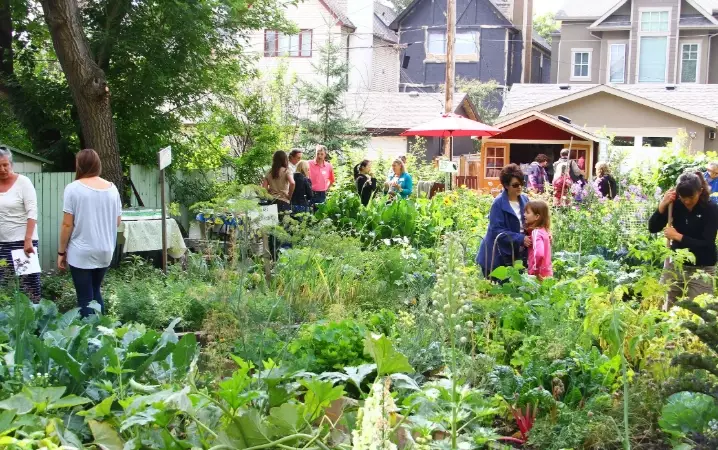
Path 1: Finding and Joining an Existing Community Garden
Start local. Really local. Check community bulletin boards (real and virtual), your local library, or city hall. A great centralized resource is the American Community Gardening Association (ACGA) website. They have tools and directories to help you locate gardens near you.
Don't see one listed? Ask around. Post in a neighborhood Facebook group or Nextdoor: "Any community gardens in the area looking for members?" You'd be surprised.
Once you find one, don't just show up and claim a plot. Reach out to the coordinator. Go visit during a workday. See the vibe. Ask questions:
- Is there a waitlist for plots? (Very common in popular gardens.)
- What are the annual fees or membership dues? (These usually cover water, tools, soil amendments—typically very reasonable.)
- What are the main rules? (Organic practices? Watering schedules? Weed maintenance requirements?)
- What's the time commitment expected beyond tending your own plot?
Pro Tip: If there's a waitlist, ask if you can volunteer on common areas while you wait. It's the best way to learn, meet people, and show you're serious. I got my plot because I kept showing up to help with the compost bins.
Path 2: The Ambitious Route: Starting a Community Garden From Scratch
This is a marathon, not a sprint. It requires a core group of dedicated people (at least 5-10), patience, and paperwork. But it's incredibly rewarding. Here's a realistic breakdown of the steps.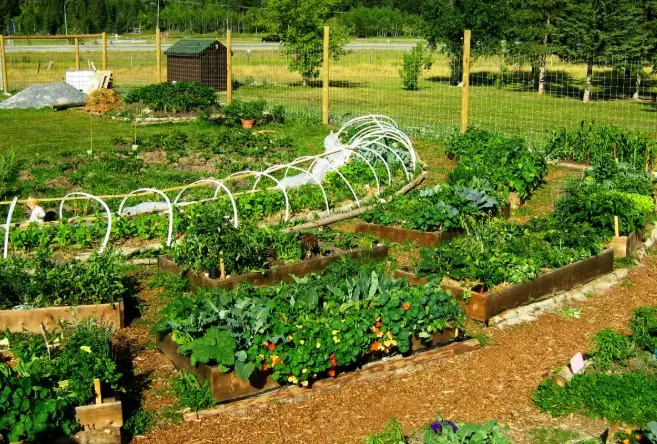
- Form Your Core Group: Find your fellow enthusiasts. Host a meeting at a library or cafe. Gauge real commitment.
- Define Your Vision & Mission: Is it focused on food security? Education? Beautification? Get clear on your "why."
- Find Land: This is the biggest hurdle. Look for vacant, sunny lots. Approach private landowners (churches, schools, businesses) or public entities (city parks departments). Be prepared to discuss liability, lease agreements (often for $1/year), and land use terms. The USDA has resources on land access for urban agriculture.
- Test the Soil: Non-negotiable. Before you plant a single seed, get a professional soil test. You need to check for heavy metals (like lead) and nutrient levels. Your local Cooperative Extension office is the go-to resource for affordable testing and advice.
- Design & Plan Infrastructure: Plot layout, water access (the #1 need!), tool storage, fencing, compost systems. Plan for accessibility.
- Create a Governance Document: Boring but essential. How are decisions made? What are the rules? How are fees collected and managed? This prevents 90% of future conflicts.
- Secure Funding & Resources: Membership fees, grants, donations from local businesses. Fundraise for soil, lumber, a water tank.
- Build and Launch: Organize workdays. Build raised beds if needed. Install infrastructure. Host a grand opening!
Reality Check: Starting a garden can take a year or more. Land access and soil remediation are the most common points of failure. Don't get discouraged—view each step as progress.
From Plot to Harvest: A Practical Growing Guide
You've got your plot. Now what? First, don't try to plant everything you see in a seed catalog. Start simple. Focus on what you love to eat and what grows well in your area. Your local Extension office is your best friend for planting calendars and variety recommendations.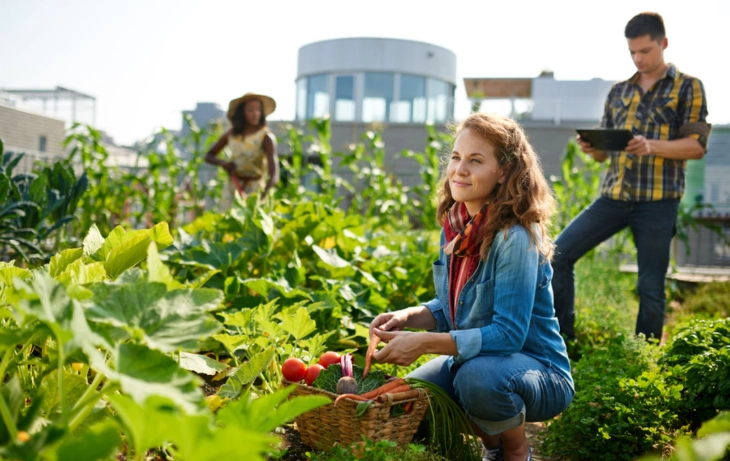
Choosing What to Grow: A Beginner-Friendly Table
Here’s a look at some foolproof choices for your first community gardening season, balancing ease with reward.
| Crop | Why It's Great for Beginners | Key Tips | Time to Harvest |
|---|---|---|---|
| Lettuce & Salad Greens | Fast-growing, can be harvested young, grows in partial sun. | Plant small amounts every 2 weeks for a continuous supply ("succession planting"). | 30-50 days |
| Radishes | Extremely fast, almost guaranteed success, great for kids. | Don't let them get too big or they become woody and spicy. | 25-30 days |
| Bush Beans | No staking needed, produces heavily, fixes nitrogen in soil. | Pick regularly to encourage more pods. Direct sow seeds after frost. | 50-60 days |
| Zucchini/Summer Squash | Incredibly productive (you will have tons). | One or two plants is PLENTY for a family. Watch for squash vine borers. | 45-55 days |
| Tomatoes | The taste of homegrown is legendary. | Start with transplants, not seeds. Choose determinate (bush) types for easier management. | 60-80+ days |
| Herbs (Basil, Chives, Mint) | High value, easy, pest-resistant. | Plant mint in a container ONLY, or it will take over your entire plot. | Harvest leaves as needed |
See? You don't need a degree in horticology. You need good soil, sun, water, and a little attention.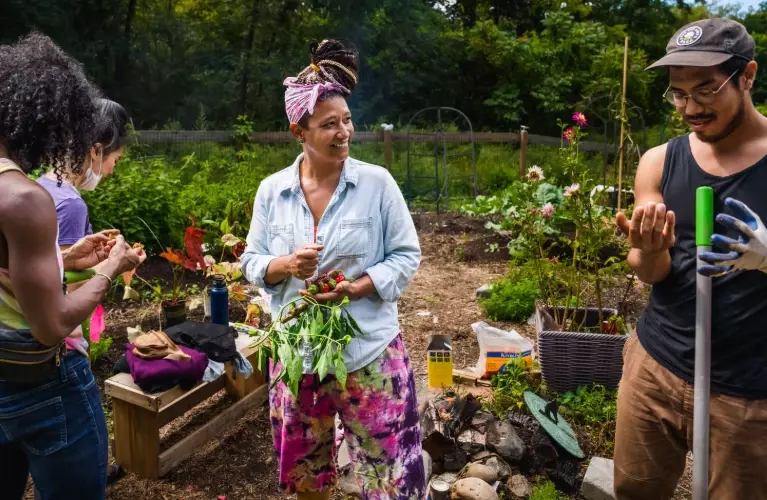
The Unsexy Stuff: Maintenance and Problem-Solving
Gardening isn't all harvesting. Weeds happen. Pests show up. Here's how to handle common issues in a shared community gardening space.
Watering: This is the most critical daily task in summer. Water deeply at the base of plants in the morning. Drip irrigation or soaker hoses are worth the investment—they save water and time. In a community garden, adhering to any water schedule is crucial; running the hose at noon on a hot day might violate rules if others need water too.
Weeding: Do it little and often. Ten minutes every visit is better than a back-breaking four-hour marathon. Mulch is your best friend. A thick layer of straw, shredded leaves, or wood chips suppresses weeds and retains moisture.
Pests: You will have them. The key is identification. Is that bug eating your leaves a friend (ladybug larva) or a foe (Colorado potato beetle)? Pick large pests off by hand. Use floating row covers for things like cabbage moths. Encourage beneficial insects by planting flowers like marigolds, calendula, and borage right in your veggie beds. It's a core principle of integrated pest management (IPM)—work with nature, not just against it.
Diseases: Good airflow is prevention. Don't crowd plants. Water the soil, not the leaves. Rotate your crops each year if possible (don't plant tomatoes in the same spot two years running). Remove badly diseased plants promptly to prevent spread to your neighbor's plot—that's good community gardening etiquette.
Beyond the Plants: Cultivating the *Community* in Community Gardening
The plants are the vehicle. The people are the destination. A successful community garden is a social ecosystem. This is what makes the model so resilient and special.
How do you foster that? It doesn't happen by accident. Organize regular workdays focused on common areas—pathways, compost, shared herb spirals. Host simple social events: a mid-summer potluck, a seed-saving workshop, a "kids' bug hunt." Create a simple communication channel—a WhatsApp group, a shared bulletin board at the garden shed.
Embrace different skill levels. Pair experienced gardeners with newbies. Have a "question of the week" on the board. Celebrate successes together. Did someone grow a giant pumpkin? Take a photo and put it up! Is someone going on vacation? Organize a watering team for their plot.
Conflict will arise. Someone's weeds are seeding into another's plot. Someone isn't doing their fair share of common chores. This is where that clear governance document is worth its weight in gold. Address issues early, kindly, and through established channels, not through gossip. A respectful, solution-oriented culture is the best mulch for a healthy community garden.
Answering Your Community Gardening Questions
Q: I live in an apartment with no yard. Can I still participate?
A: Absolutely! This is one of the primary reasons community gardens exist. They provide vital green space and growing opportunities for renters and those without private land. Your plot is your little piece of earth.
Q: I'm not strong or very mobile. Can I still garden?
A: Yes. Many gardens incorporate accessible, raised beds that reduce the need for bending. Container gardening within a community garden plot is also a great option. Talk to the garden leaders about your needs—a good community garden is an inclusive one.
Q: What if I kill everything? I don't have a green thumb.
A: Welcome to the club! Every gardener has killed more plants than they care to admit. It's how we learn. Start with the easy crops listed above. Ask for help. Your fellow gardeners are your greatest resource. Community gardening is the perfect environment to learn because you're surrounded by people who have made—and learned from—every mistake in the book.
Q: How much time does it really take per week?
A: In the peak growing season (late spring to early fall), plan for 2-4 hours per week for a small to medium plot. This includes watering, harvesting, and light weeding. It's less time than many people spend streaming shows, and far more rewarding. You can often split this into short, daily visits, which I find to be a lovely routine.
Q: Are there tools I need to buy?
A> Most established gardens have a shared tool shed with the basics (trowels, forks, hoes, hoses). You might want your own personal hand tools and gloves. Wait and see what the garden provides before you buy anything big.
The Future is Growing Together
The movement around community gardening is evolving. We're seeing more focus on food justice and ensuring gardens serve and are led by the communities they're in. There's a growing interest in native plantings and pollinator gardens within community spaces. Some gardens are incorporating rainwater harvesting and solar power.
The core idea, though, remains timeless: people coming together to grow good things in the earth.
It's not always Instagram-perfect. Sometimes it's muddy. Sometimes the rabbits eat your seedlings. Sometimes you get a glut of cucumbers. But it's real. It's a hands-on, hopeful practice in a world that can feel abstract and disconnected.
My advice? Don't overthink it. Find a garden near you and go take a look. Stick your hands in the soil. Ask a question. You might just find more than you planted.
That's the real harvest of community gardening.
Reader Comments