Quick Guide
Let's be honest. When you first think about starting a garden, you probably picture the end result: a beautiful patio full of flowers, or a basket overflowing with homegrown tomatoes. What you might not picture is the dirt under your nails, the occasional sore back, and the times you forget to water. I've been there. I've killed my share of plants, trust me.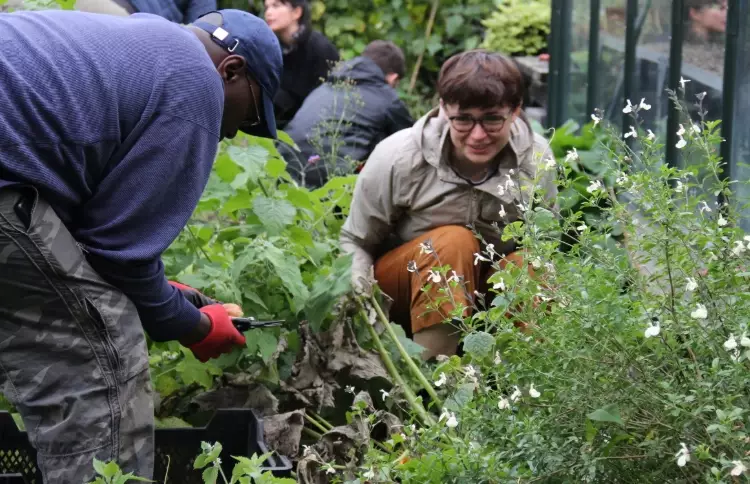
But here's the thing I learned, slowly and sometimes messily: the true magic of gardening isn't just in the harvest. It's in everything that happens between putting that first seed in the ground and finally picking the fruit. The benefits of gardening seep into parts of your life you never expected. It's not just a hobby; for many of us, it becomes a kind of therapy, a gym, and a science lab all rolled into one.
So, why are so many people suddenly turning to trowels and seed packets? It's not a fad. There's solid stuff behind it. We're going to dig past the surface (pun intended) and look at the top gardening benefits that keep people coming back to their plots, season after season. This isn't a fluffy list. We'll talk about the physical gains, the mental quiet it can bring, and even how it can change your neighborhood. Let's get into it.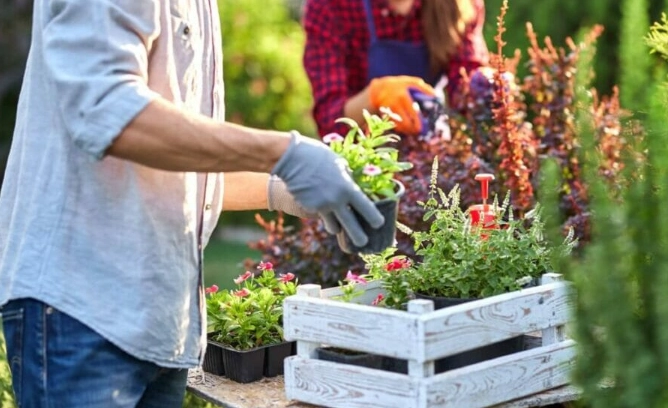
The Physical Perks: Your Body Will Thank You
People often joke that gardening is their workout, and they're not wrong. Think about the motions: digging, planting, weeding, hauling bags of soil, pushing a wheelbarrow. It's a full-body, functional fitness session without the gym membership fee.
It's Exercise in Disguise
The Centers for Disease Control and Prevention (CDC) actually classifies gardening as a moderate-intensity physical activity. An hour of general gardening can burn a serious number of calories. It's not about high-intensity sprints; it's about sustained, varied movement that builds strength and stamina.
My lower back used to complain if I sat at my desk for too long. After a few seasons of regular gardening, those aches lessened. The bending and stretching improved my flexibility more than any dedicated stretching routine I ever tried (and abandoned). It strengthens your core, your legs, your arms – all without feeling like a choreographed workout. You're just… getting stuff done.
And then there's what it does for your health from the inside out.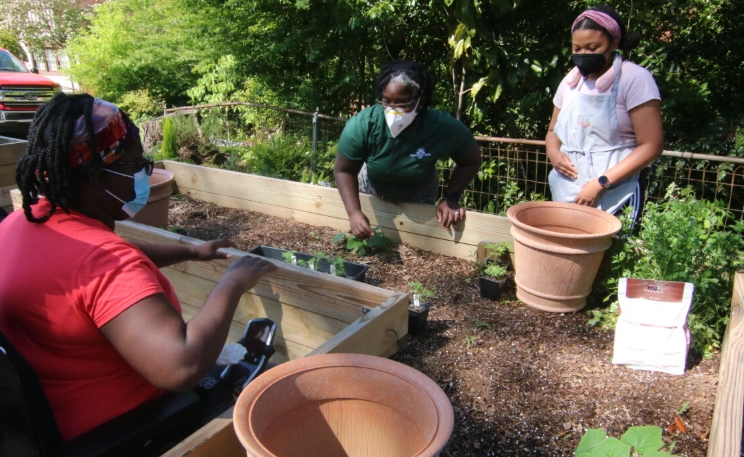
Sunshine, Soil, and a Stronger Immune System
This one surprised me. Getting your hands dirty in healthy garden soil might actually be good for you. There's a harmless bacterium in soil called *Mycobacterium vaccae*. Some research suggests that exposure to it can act like a natural antidepressant and may even help boost the immune system. It's like nature's little probiotic for your environment.
Plus, you're outdoors soaking up vitamin D from sunlight (with sunscreen on, please!). Vitamin D is crucial for bone health and immune function. Gardening gets you that essential sunshine in a productive way.
Here's a real talk moment: the first year I grew vegetables, I ate more veggies than I had in my entire adult life. Not because I forced myself, but because there were right there, looking delicious. When you grow it, you want to eat it. That connection is powerful and automatic.
From Garden to Table: Nutritional Benefits You Can Taste
This is a massive, often overlooked benefit. The food you grow yourself is as fresh as it gets. You pick it ripe, at its peak of nutrients and flavor, and often eat it within hours or minutes. Compare that to supermarket produce that may have traveled thousands of miles and sat in storage for weeks.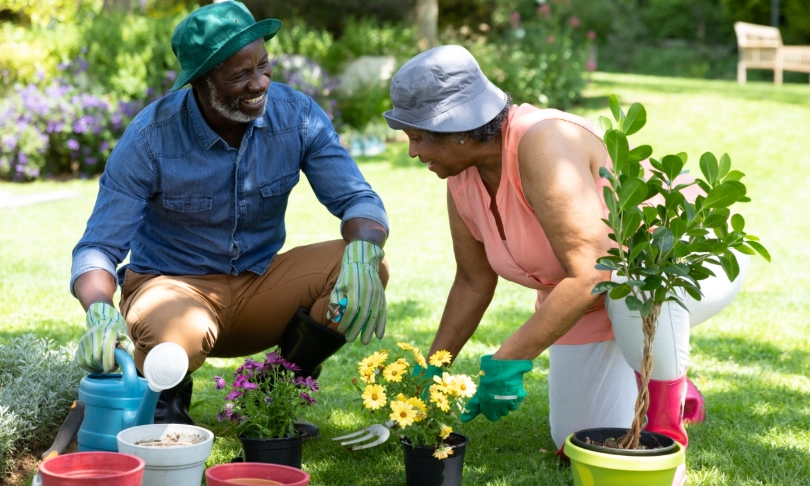
You control what goes on your plants. Want to grow organically? You can. This means less exposure to pesticides and chemicals for you and your family. The taste alone is a revelation. A homegrown tomato, still warm from the sun, tastes nothing like its store-bought cousin. It's a flavor that convinces you to eat healthier without a second thought.
Calorie Burn in the Garden: A Quick Comparison
Wondering how your garden chores stack up? Here's a rough estimate for a 155-pound person per 30 minutes of activity (Source: CDC Physical Activity Guidelines).
| Gardening Activity | Approx. Calories Burned* | Comparable To... |
|---|---|---|
| Digging, Shoveling, Tilling | 200-250 | A brisk walk or light cycling |
| Mowing the Lawn (push mower) | 180-220 | Playing doubles tennis |
| Weeding, Planting, Light Gardening | 150-180 | Leisurely swimming or dancing |
| Raking, Gathering Leaves/Yard Waste | 140-170 | A casual bike ride |
| Watering Plants (walking/ carrying) | 60-80 | Light stretching or house cleaning |
*Calories burned vary based on weight, intensity, and individual metabolism. The point is, it all adds up to real activity.
The Mental Oasis: Why Gardening Feels Like a Brain Reset
If the physical benefits are great, the mental and emotional gardening benefits are, in my opinion, the real treasure. In a world of constant notifications and digital noise, the garden is a place where your phone feels out of place. The focus required is simple and tangible.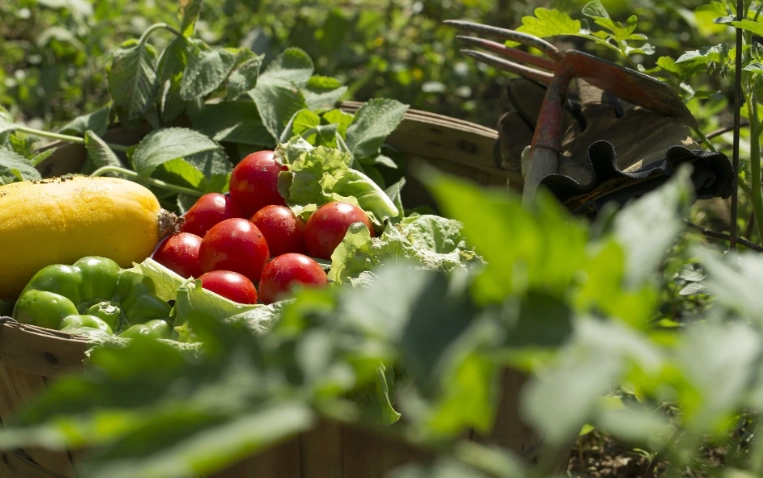
Stress Reduction on a Biological Level
Multiple studies have shown that gardening can lower cortisol levels – that's your body's primary stress hormone. The combination of physical activity, focused attention, and connection to nature creates a powerful anti-stress cocktail. The National Institutes of Health (NIH) has highlighted research showing that time spent gardening is associated with reduced feelings of depression, anxiety, and anger.
It's a form of mindfulness without the meditation app. You're focused on the texture of the soil, the color of a leaf, the precise placement of a seed. Your brain's constant chatter about deadlines and worries just… fades into the background for a while. It's a legitimate break.
And it builds more than just calm. It builds a sense of capability.
Achievement, Purpose, and the “I Grew That!” Feeling
In our modern jobs, results can be abstract or delayed for months. In the garden, progress is visible, sometimes daily. You plant a tiny seed, nurture it, and watch it become a sprawling plant that feeds you. That's a direct, visceral line from effort to outcome.
This fosters a tremendous sense of accomplishment and self-efficacy. It's a concrete reminder that you can nurture and create something tangible. For anyone feeling adrift or lacking control in other areas of life, this aspect of gardening benefits your psyche in a profound way. It gives you a small, manageable world where you are in charge.
Gardening as a Moving Meditation
Some people find peace on a yoga mat. I find it between my raised beds. The repetitive motions of weeding or pruning can put you into a “flow state” – that zone where you lose track of time and are completely absorbed in the task. Your breathing slows. Your mind clears. It's incredibly restorative.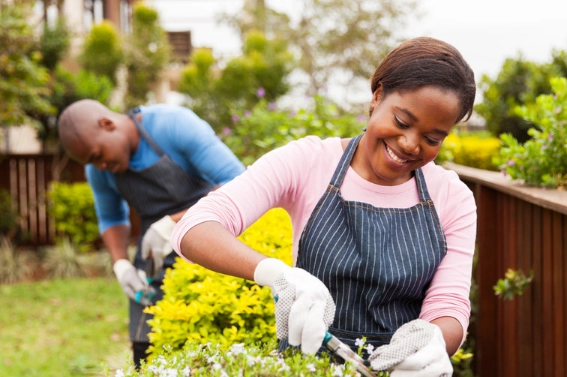
This mindful connection is a major reason why horticultural therapy is a growing field used in hospitals, rehabilitation centers, and schools. The act of caring for another living thing is fundamentally healing.
Beyond the Fence: Community and Environmental Gardening Benefits
The perks of gardening don't stop at your property line. They ripple outward.
Growing Connections, Literally and Socially
Got too many zucchinis? You suddenly have the world's best excuse to talk to your neighbors. Gardening creates natural community connections. Seed swaps, plant sharing, asking for advice over the fence – it fosters a sense of belonging and mutual support.
Community gardens are the ultimate expression of this. They transform vacant lots into vibrant, productive spaces. They bring people of different ages and backgrounds together with a common goal. They provide access to fresh food in areas that might be “food deserts.” The social gardening benefits in these spaces are immense, combating loneliness and building neighborhood resilience.
I once had a tomato plant that produced like crazy. I ended up giving bags of tomatoes to three neighbors. One of them, an elderly man I'd only ever waved to, later gave me a jar of his wife's famous salsa made with my tomatoes. We've been friends ever since. That connection started with a plant.
Your Personal Patch of Eco-Therapy
When you garden, especially with native plants or using sustainable practices, you're directly contributing to a healthier local environment. You're creating habitat for pollinators like bees, butterflies, and birds. You're improving soil health. You're reducing your “food miles” to practically zero.
Composting kitchen scraps for your garden diverts waste from landfills, where it would produce methane, a potent greenhouse gas. The Environmental Protection Agency (EPA) promotes composting as a way to reduce landfill waste and create valuable soil amendment. By choosing not to use harsh chemical pesticides, you're protecting the tiny ecosystem in your backyard.
This creates a positive feedback loop. You help the environment, and seeing the life that flourishes in your garden – the bees buzzing, the worms in the compost – reinforces your connection to the natural world and the benefits of your actions. It feels good to do good, even on a small scale.
Your Gardening Benefits Questions, Answered
Wrapping It Up in a Neat Little Bundle (of Kale)
Look, gardening isn't always picture-perfect. There will be pests. There will be weather that doesn't cooperate. You'll overwater something and underwater something else. I still do.
But the sum total of the experience – the physical activity you didn't dread, the quiet moments of focus, the pride in a homegrown meal, the butterfly that visits your flowers – it all adds up to something significant. The gardening benefits are holistic. They touch your body, calm your mind, connect you to your community, and give you a tiny stake in the planet's health.
The Takeaway: Start Simple, Expect Nothing, Enjoy Everything
Don't get overwhelmed by the idea of a perfect garden. That's not the point. The point is to engage with the process. Pick one thing you'd like to grow – a pot of basil, a sunflower, a tomato plant. Get it in some dirt. Pay a little attention to it.
The benefits of gardening will find you. They might come as a moment of peace on a hectic day, a stronger muscle you didn't know you were building, or a conversation with a neighbor. It's a slow, steady, deeply rewarding practice. And honestly, in a fast-paced world, maybe that's the biggest benefit of all.
So, what are you waiting for? Grab a pot, some dirt, and a seed. Your mind, body, and maybe even your community will be better for it.
Reader Comments