Quick Navigation
Let's be honest. Repotting plants can feel like a chore. You have to get your hands dirty, find the right pot, hope you don't kill your favorite fern in the process... it's a whole thing. I've been there. I've also killed my share of plants by either repotting them at the wrong time, using the wrong stuff, or just being too rough. But over the years, I've learned that repotting isn't just maintenance—it's a conversation with your plant. It's you giving it a new lease on life. And when you get it right, the growth spurt you see is incredibly rewarding.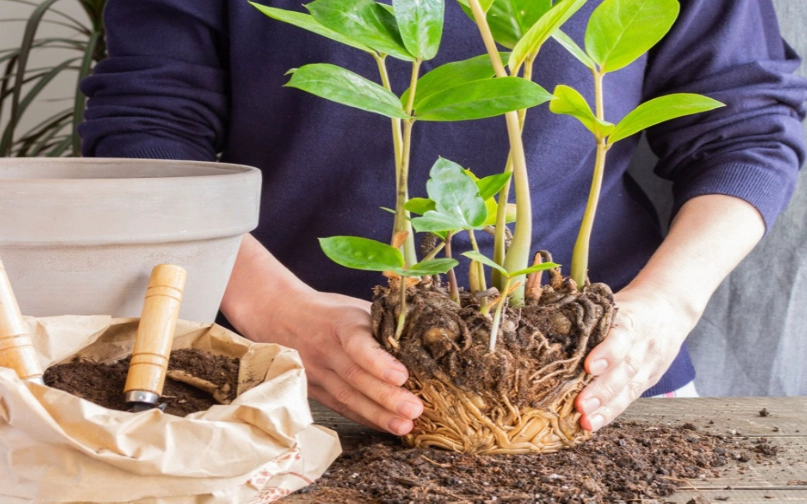
This guide is everything I wish I knew when I started. We're going to move past the basic "put plant in bigger pot" advice and dig into the real nitty-gritty. Why your plant might actually be screaming for a new home, how to pick a pot that won't drown its roots, and what to do in the days after repotting when your plant looks a little... dramatic. We'll cover it all.
Why Bother Repotting Plants Anyway?
If your plant seems fine, why disturb it? Good question. Sometimes, leaving it alone is the best policy. But more often than not, plants in containers are silently struggling. They're not like plants in the ground that can send roots out searching for food and water. They're trapped.
Think of it like wearing shoes that are two sizes too small. You can walk, but it's uncomfortable, pinchy, and eventually, your feet are going to hurt and you won't be able to grow. That's your plant with cramped roots.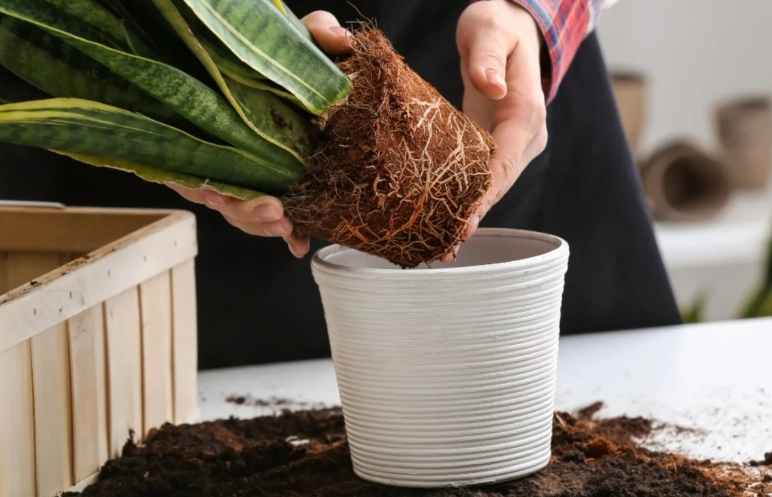
Here are the main reasons repotting becomes non-negotiable:
- Root Bound Chaos: This is the big one. The roots have completely filled the pot, often circling around and around themselves. They can't absorb water or nutrients efficiently. The plant's growth stalls, and it becomes top-heavy, prone to tipping over. You'll see roots poking out of the drainage holes or even pushing the plant up out of the soil.
- Soil Exhaustion: Potting mix breaks down over time. It loses its fluffy, airy structure and becomes compacted. When soil is compacted, water can't drain properly, roots can't breathe (yes, roots need air!), and all the good nutrients have been used up. The soil literally gets tired.
- The Drainage Nightmare: Related to soil exhaustion. If water sits in the pot for days, you're inviting root rot. That's a death sentence for most houseplants. Fresh, well-draining soil is the best prevention.
- Aesthetic and Stability: Sometimes, a plant just outgrows its pot visually. It looks awkward, like a bodybuilder in a toddler's t-shirt. Or it becomes so top-heavy that a slight breeze knocks it over. Repotting into a more proportionate, heavier pot solves this.
So, repotting plants isn't about being fussy. It's about providing the basic foundation for health. It's the equivalent of moving from a cramped studio apartment to a place with room to breathe.
The goal of repotting isn't just a bigger pot; it's a better environment. You're refreshing the entire support system for your plant.
When Is It Time? The Unmistakable Signs
Timing is everything. Do it too soon, and you stress the plant for no reason. Wait too long, and you risk stunting it permanently. Plants are pretty good at telling us what they need, if we know how to listen.
Here's what to look for:
- The Root Check: This is the most reliable sign. Gently tip the plant out of its pot. If you see a dense web of roots hugging the outside of the root ball, with little to no soil visible, it's time. If the roots are circling tightly at the bottom, it's definitely time.
- Water Runs Straight Through: When you water, does it immediately gush out the bottom without seeming to moisten the soil? That means the root mass is so dense, or the soil is so repellent, that there's no medium left to hold water. The plant isn't getting a drink.
- Stunted Growth: Your plant hasn't put out a new leaf in months, even during its growing season (typically spring and summer). It's not dying, but it's not living either. It's just... existing.
- Frequent Wilting: The plant needs water every other day because the small root mass can't hold enough moisture to sustain it.
- The Plant is Top-Heavy: It constantly tips over, looking unstable in its current pot.
Now, about when in the year to do this. The absolute best time is in the spring or early summer. This is when plants naturally kick into high gear for growth. They have a full season ahead to recover from the shock of repotting and grow into their new space. You can repot in summer too, but avoid the peak heat waves.
The Gear: Choosing the Right Pot and Soil Mix
This is where most people, myself included, make the first big mistake. Bigger isn't always better. And that bag of dirt from the garage? Probably not the best choice.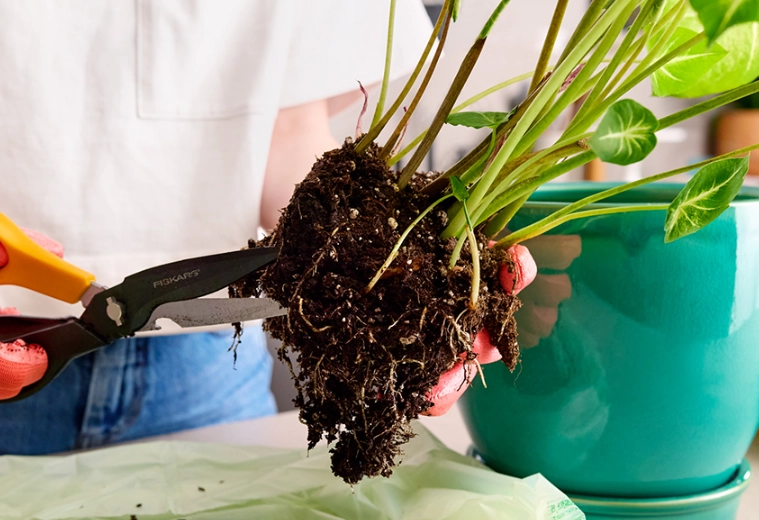
Pot Selection: Size and Material Matter
The golden rule for pot size: Only go up 1-2 inches in diameter. For example, move a plant from a 6-inch pot to an 8-inch pot. That's it. Jumping from a 6-inch to a 12-inch pot is a recipe for disaster. Why? Too much extra soil holds too much moisture around the small root ball, which stays wet for too long and rots. You're essentially planting your roots in a swamp.
Pot material is a personal choice, but each has pros and cons:
| Material | Pros | Cons | Best For |
|---|---|---|---|
| Terracotta/Clay | Porous, allows air and water to pass through walls, prevents overwatering, classic look. | Heavy, dries out very quickly, can develop mineral stains. | Succulents, cacti, plants that like dry soil (Snake Plants, ZZ plants). |
| Plastic | Lightweight, cheap, retains moisture well, many sizes/shapes. | Can look cheap, poor drainage if holes aren't adequate, less breathable. | Most tropical houseplants (Pothos, Philodendron, Monstera), beginners. |
| Glazed Ceramic | Beautiful, heavy (stable), wide variety of styles. | Often has no drainage hole (!), expensive, retains moisture (risk of overwatering). | Decorative purposes, but only if it has a drainage hole. Use as a cache pot. |
| Fabric Pots | Excellent air pruning (roots don't circle), prevents overwatering, lightweight. | Can dry out fast, not as aesthetically pleasing for indoors. | Vegetables, large outdoor plants, some advanced indoor growers. |
My personal take? I use a lot of basic plastic nursery pots and then slip them into prettier ceramic cache pots. It gives me the look I want with the practical drainage I need. For my succulents, terracotta is non-negotiable.
The Dirt on Dirt: It's Not Just Dirt
Do not, I repeat, do NOT use garden soil from your yard for indoor plants. It's too dense, harbors pests, and doesn't drain properly in a container. You need a proper potting mix, which is a soilless blend designed for containers.
What's in a good mix? It's all about balance: water retention, drainage, and aeration.
- Peat Moss or Coco Coir: Holds moisture and provides a light structure.
- Perlite or Pumice: Those little white bits. They are crucial for creating air pockets and improving drainage.
- Compost or Worm Castings: Provides slow-release nutrients.
- Bark (Orchid Bark): Excellent for creating chunky, airy mixes, especially for epiphytes like Monsteras and Philodendrons.
You can buy pre-mixed bags labeled for specific plant types (cactus mix, African violet mix, orchid mix). For most common houseplants, a good quality all-purpose potting mix is fine. But for plants that are prone to rot (like succulents) or that love chunky soil (like Monsteras), I highly recommend buying the specialty mix or making your own.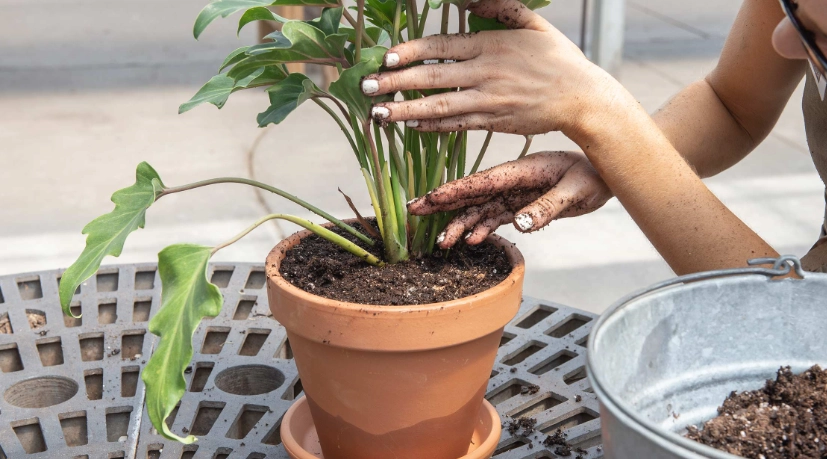
For truly expert-level soil science, resources like the American Horticultural Society's page on soils offer deep dives into soil components and health.
The Step-by-Step Process of Repotting a Plant
Alright, you've got your signs, your pot, and your soil. Let's get to the main event. Set aside 20-30 minutes, lay down some newspaper, and get ready.
Step 1: Preparation is Key
Water your plant thoroughly 1-2 days before you plan to repot. This reduces stress and makes it easier to remove the root ball. A dry plant is a stressed plant, and dry roots are brittle and break easily. Gather your new pot (clean it if it's been used before), fresh potting mix, a trowel or scoop, and scissors or pruners.
Step 2: The Gentle Extraction
This is the nerve-wracking part. For plastic pots, squeeze the sides gently to loosen the soil. Tip the pot sideways, support the plant at its base (stem and soil surface), and gently pull. If it's stuck, you can run a butter knife around the inside edge. For rigid pots, you may need to tap the bottom or use the knife method.
Don't yank it by the stem! You want the root ball to come out intact.
Step 3: Root Inspection and Care
Now, observe. Gently loosen the outer roots with your fingers. You're not trying to tear it apart, just untangle the circling ones. If the roots are a solid, impenetrable mat, you might need to make a few vertical cuts with a clean knife (about 1 inch deep) around the sides and bottom to encourage new outward growth. This feels brutal but helps.
Should you prune the roots? For most routine repotting, minimal pruning is needed. Just remove any obviously dead, mushy, or black roots (snip them off with clean shears). If you're dealing with a severely root-bound plant, you can prune up to one-third of the lower and outer roots. It stimulates new growth. I was terrified to do this the first time, but my peace lily thanked me for it.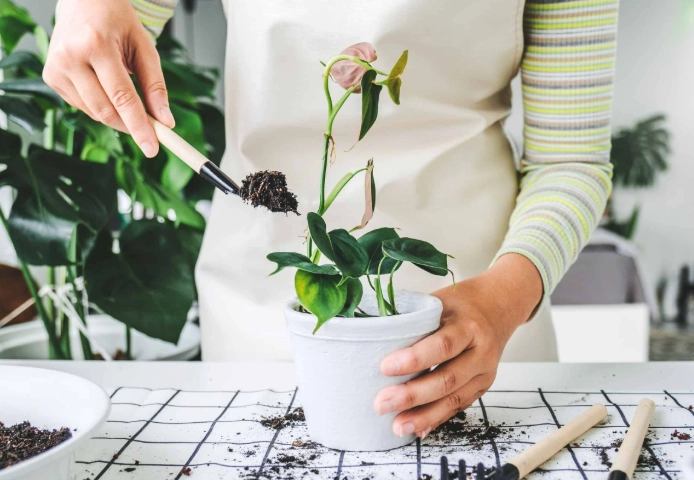
Step 4: Prepping the New Home
Place a piece of broken pot, a coffee filter, or a mesh screen over the drainage hole to keep soil from washing out. Add a layer of fresh potting mix to the bottom of the new pot. The goal is to position the plant so the top of its old root ball sits about 1 inch below the rim of the new pot. This gives you space to water.
Add or remove soil from the bottom until you get the height right. Center the plant.
Step 5: Filling In and Settling
Hold the plant steady at the right height with one hand. With the other, scoop fresh potting mix around the sides. Gently tap the pot on the table to help the soil settle and eliminate large air pockets. Don't press down hard—you don't want to compact it. Fill to just below the rim.
Make sure the plant is sitting at the same soil level it was in the old pot. Burying the stem too deep can cause rot.
Step 6: The First Water
Water the plant thoroughly until water runs freely out of the drainage hole. This is called "settling the soil." It helps the new soil make good contact with the roots. You might need to add a bit more soil after watering if it sinks down too much.
And that's it! The main act of repotting plants is done. But your job isn't over.
The Aftercare: Don't Kill It With Kindness Now
This is the second most common point of failure. You've just given your plant a major operation. It needs to recover.
- No Fertilizer! Do not fertilize for at least 4-6 weeks. Fresh potting mix has nutrients. Fertilizing now can burn the tender, recovering roots. It's like force-feeding someone who just had stomach surgery.
- Give It a Break: Place the repotted plant in a spot with bright, indirect light. Avoid direct, scorching sun for a week or two. It's vulnerable.
- Hold Off on Watering Again: Wait until the top inch or two of soil is dry before watering again. The plant's roots are in shock and aren't taking up water as efficiently. Overwatering now is the fastest way to kill it. Stick your finger in the soil to check.
- Expect Some Drama: It's normal for the plant to look droopy, lose a few lower leaves, or just generally appear sad for a week or two. This is transplant shock. Don't panic. Just provide stable conditions and resist the urge to over-care.
The period after repotting is about patience, not action. Your best move is often to just leave it alone.
Common Repotting Questions (And Real Answers)
Let's tackle some of the specific worries that pop up when you're knee-deep in soil.
Probably not. A few yellow leaves are a classic sign of transplant shock. The plant is redirecting energy to root recovery. Remove the yellow leaves and give it time. If many leaves turn yellow quickly and the stems feel mushy, you might have overwatered or damaged the roots severely.
Generally, no. For most healthy plants, just loosening the outer roots is enough. Removing all the soil ("bare-rooting") is very stressful and should only be done if the old soil is waterlogged, contaminated, or if you're dealing with pests. For orchids or plants bought in poor-quality soil, it's more common.
There's no universal schedule. Fast-growing plants (like Pothos, Spider Plants) might need it every 1-2 years. Slow growers (like Snake Plants, Cacti) can go 3-5 years easily. Large, mature floor plants might only need a soil refresh (top-dressing) every few years rather than a full repot. Let the plant's signs guide you, not the calendar.
Yes. For a massive plant, you have two options. First, you can refresh the soil by carefully scraping off the top few inches of old soil and replacing it with fresh mix (this is called top-dressing). Second, with help, you can lay the plant on its side on a tarp, slide it out, and perform a more standard repot. It's a two-person job.
Semantics, mostly. "Repotting" often means moving to a larger pot. "Potting up" means the same thing. Sometimes "repotting" can also refer to just changing the soil in the same-sized pot, which is a great option if you want to limit the plant's size.
Early morning or late afternoon is ideal, avoiding the heat of the day. This gives the plant a cooler period to start recovering. Doing it on a cloudy day is even better.
For understanding seasonal timing on a macro level, checking your region's guidelines, like those found on the USDA Plant Hardiness Zone Map, can inform when your local growing season truly begins and ends.
Final Thoughts: Embrace the Mess
Repotting plants is messy, sometimes frustrating, but ultimately an act of care. It connects you to the living thing you're tending in a way that just watering doesn't. You see the hidden root system, understand its struggles, and give it a literal new foundation.
Start with your hardiest plant first—a Pothos or a Spider Plant. They're forgiving. Get a feel for it. Make the mistakes on them. Before long, you'll look at a shelf of thriving plants and know that you didn't just buy that health; you actively built it, one careful repotting session at a time.
Remember, the core of successful repotting isn't a green thumb—it's observation, the right materials, a gentle touch, and then the discipline to step back and let nature do its thing. Now go get your hands dirty. Your plants are waiting.
Reader Comments