Quick Guide
Let's be honest. That bag of "garden soil mix" you grab from the big-box store? It's a gamble. Sometimes your plants love it, sometimes they just sit there, sulking and refusing to grow. I've been there, staring at stunted tomatoes, wondering what I did wrong. The answer, more often than not, was right under my feet—or rather, in that mysterious bag.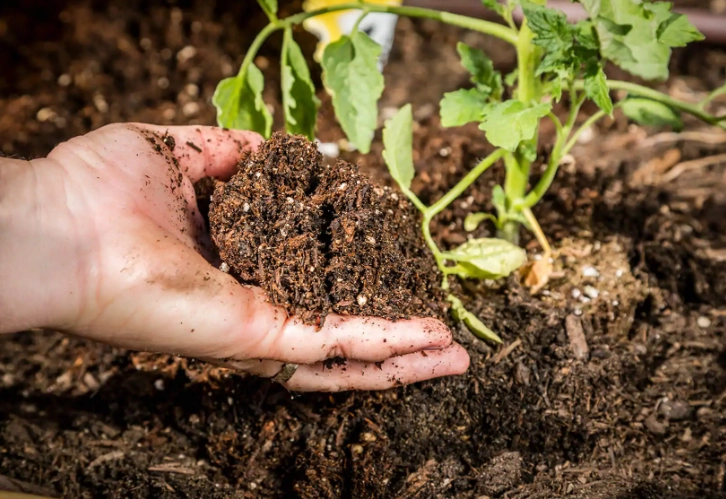
Good soil isn't just dirt. It's a living, breathing ecosystem. A proper garden soil mix is the single most important factor for your garden's success, more than fancy seeds or expensive fertilizers. Get it right, and you're a gardening hero. Get it wrong, and you're fighting an uphill battle against poor drainage, sad roots, and pests. So, let's ditch the confusion and dig into what actually makes a great soil mix.
What Even IS a Garden Soil Mix? (And What It's Not)
First thing's first. People throw around terms like "potting soil," "topsoil," and "garden soil mix" like they're interchangeable. They're not. This mix-up causes so many problems.
A true garden soil mix is a custom-blended medium designed to be incorporated into your existing native garden soil. Its job is to improve what you already have. It amends the ground. You till it in to improve drainage, add nutrients, and boost organic matter. It's usually heavier and denser.
Potting mix (or potting soil), on the other hand, is a soilless blend meant for containers. It's fluffy, sterile, and designed to hold moisture and air in a confined pot. If you put a heavy garden soil mix in a pot, you'll likely drown your plant's roots. Big difference.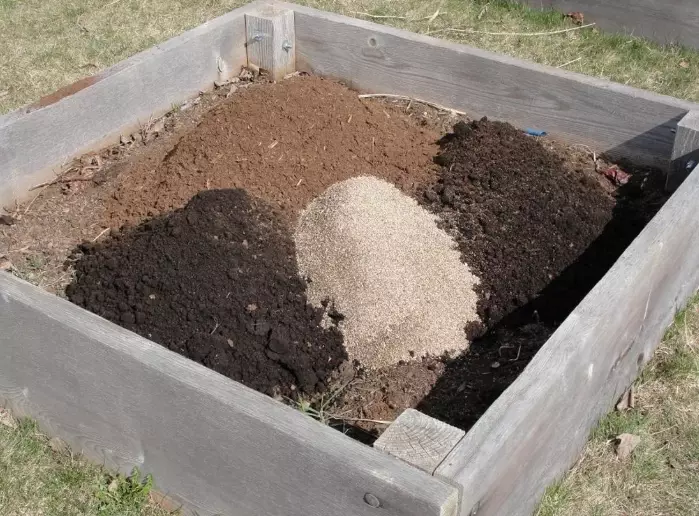
Classic Mistake I Made: I once bought a cheap "garden soil" bag to fill my new raised bed. It was basically shredded wood and sand. My vegetables were starved for nutrients all season. Learned that lesson the hard way—you often get what you pay for, or you have to know how to fix it.
The Core Ingredients: The Building Blocks of Your Mix
Every great garden soil mix is built on three pillars: structure, nutrients, and life. Here’s what you’re working with:
- Compost: The superstar. This is decomposed organic matter (food scraps, leaves, manure). It's the main source of nutrients and beneficial microbes. It improves both sandy soil (helps it hold water) and clay soil (helps it drain). Not all compost is equal, though. Homemade is gold, but bagged stuff works. The U.S. Environmental Protection Agency has a great guide on the basics of composting if you want to start your own pile.
- Topsoil or Native Soil: This is the mineral base. It provides grit and substance. If you're making a mix to amend a garden bed, you might skip this. If you're filling a raised bed from scratch, a good-quality screened topsoil gives it body.
- Aeration/ Drainage Material: This is non-negotiable. Roots need oxygen. Materials like coarse horticultural sand (not builder's sand!), perlite (those little white puff balls), or pumice create air pockets. Perlite is my go-to for most DIY mixes because it's lightweight and effective.
- Nutrient Boosters & pH Balancers: This is where you fine-tune. Worm castings are an incredible, mild fertilizer. Lime can raise soil pH if it's too acidic (common in rainy areas). Sulfur can lower it. A soil test tells you what you need here.
Your DIY Recipe Book: Mixes for Every Purpose
Okay, enough theory. Let's get our hands dirty. Here are some proven recipes. Measure by volume (e.g., buckets or shovelfuls), not weight.
Pro Tip: Mix everything on a large tarp. It's easier to blend thoroughly by pulling the tarp corners. Don't skip the thorough mixing! Clumps of pure compost or pure sand will create weird pockets in your garden.
The All-Purpose, Can't-Go-Wrong Raised Bed Mix
This is the "little black dress" of garden soil mixes. It works for almost any vegetable, herb, or flower in a raised bed. The famous "Mel's Mix" from Square Foot Gardening popularized a version of this.
- 1 part Compost (try to use 2-3 different types if possible—like mushroom compost, manure compost, and plant-based compost)
- 1 part Coir or Peat Moss (for moisture retention. Coir is more sustainable and easier to wet, in my opinion.)
- 1 part Coarse Horticultural Sand or Perlite
That's it. Simple. I add a handful of worm castings per bucket for an extra kick. This mix is light, drains perfectly, and is packed with food for your plants.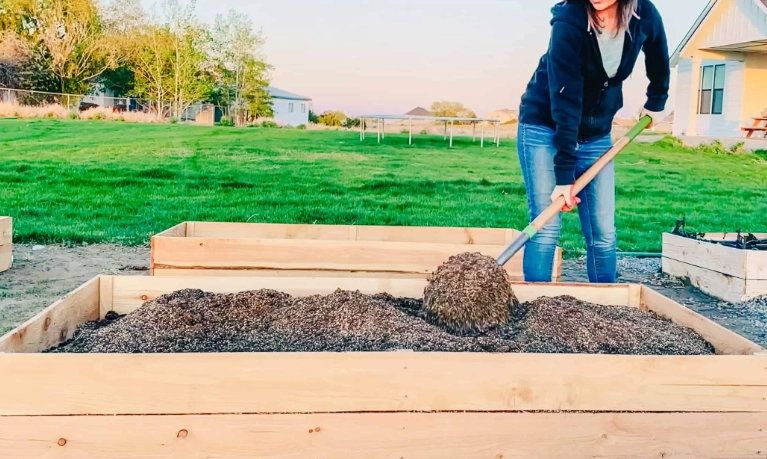
The Heavy-Duty In-Ground Garden Amender
Your native soil is tough clay or quick-draining sand? This is your fix. You'll till this into the top 8-12 inches of your garden bed.
- 3 parts of your Native Soil (you have to work with what you've got)
- 2 parts Compost
- 1 part Coarse Sand (for clay) OR 1 part Coir/Peat Moss (for sand)
- A few handfuls of Perlite per wheelbarrow load (helps any soil type)
See? You're not replacing your soil, you're doctoring it up. Over several seasons of adding compost, even the worst clay will become beautiful, crumbly loam.
The Simple Potting Mix for Containers
Remember, this is different! A good container mix needs to be light and stay fluffy.
- 2 parts Coir or Peat Moss
- 1 part Compost
- 1 part Perlite or Pumice
- Optional: A slow-release organic fertilizer mixed in according to package directions.
Buying vs. Making: The Real Cost Breakdown
So, should you just buy a bagged garden soil mix? Sometimes it makes sense. Let's break it down.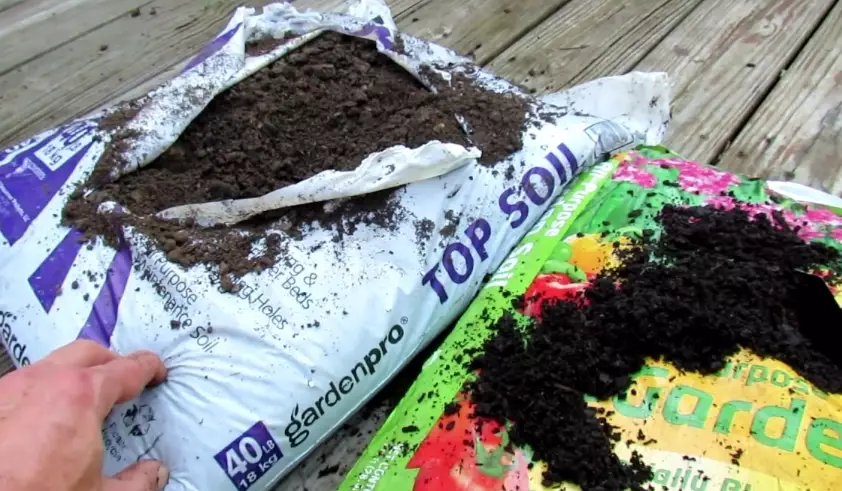
| Option | Pros | Cons | Best For... |
|---|---|---|---|
| Bagged Premium Garden Soil Mix | Convenient, consistent, no heavy labor, often has added fertilizers. | Expensive for large areas, quality varies wildly, you don't control ingredients. | Small projects, topping up a bed, beginners who want a sure start. |
| Bulk Delivery (Cubic Yard) | Much cheaper per volume, less plastic waste, delivered to your driveway. | You need space for a big pile, have to move it yourself, quality still needs vetting. | Filling new raised beds, amending large garden plots. |
| DIY Mix from Components | Total control, can be most cost-effective, deeply satisfying, you learn a ton. | Labor intensive, requires sourcing/storing multiple materials, initial learning curve. | Gardeners who want specific recipes, have ongoing soil needs, enjoy the process. |
My take? I started with bagged mix for my first small raised bed. It was fine. But when I expanded, the cost was insane. Switching to bulk delivery for the base and then amending it myself with extra compost and perlite was the sweet spot. Now, for special containers or seed starting, I make my own precise DIY potting mix. It's a blend of strategies.
Reading the Bag: How to Shop Smart for Garden Soil
If you're buying, you have to become a label detective. Don't just look at the pretty picture of tomatoes.
- Look for an Ingredients List: A quality product will list what's in it. If it just says "organic matter" and "forest products," be skeptical. You want to see specifics like "composted pine bark," "sphagnum peat moss," "perlite," "composted manure."
- Feel the Bag: Seriously. Squeeze it. It should feel loose and crumbly, not dense, heavy, or full of hard chunks. If it feels like a bag of bricks, put it down.
- Beware of "Water-Holding Crystals" or "Moisture Control": These are synthetic polymers. Some gardeners love them, but I avoid them. They can create a weird, gelatinous environment and aren't necessary if your mix is right. It's a personal preference, but I think it's a gimmick in a good soil mix.
- Check for a Soil Test: Reputable companies sometimes have pH and nutrient analysis on the bag or their website. The Royal Horticultural Society's guide to soil types is a fantastic resource for understanding the science behind what you're looking for.
The pH Talk: Why It Matters More Than You Think
pH isn't just chemistry class trivia. It controls which nutrients are available to your plants. Most veggies like a slightly acidic to neutral pH (6.0-7.0).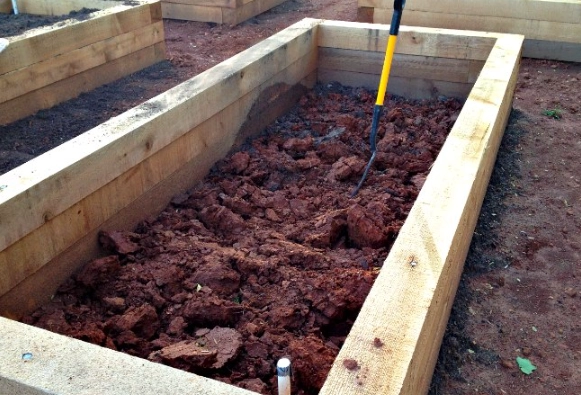
If your pH is off, your plants can't eat, even if the food (compost, fertilizer) is right there in the garden soil mix. It's like having a locked pantry.
You can guess based on your region, but a $20 home soil test kit or sending a sample to your local cooperative extension office (often linked with the USDA) is the only way to know for sure. It's the best gardening money you'll ever spend. I test my beds every other year.
Common Questions (And Real Answers)
Can I reuse old potting soil or garden soil from last year?
Yes, but refresh it. Dump it out, break up clumps, and remove old roots. For potting soil, mix in at least 30% fresh compost and some new perlite to fluff it back up. For an in-ground bed, just top-dress with a 1-2 inch layer of fresh compost and gently work it in. The soil is tired and needs a nutrient boost.
How often should I change or amend my garden soil?
You don't "change" in-ground soil. You constantly amend it. Every season, add a layer of compost (1-3 inches). It's like an annual check-up and vitamin dose. For raised beds, you might need to top up the level as the soil settles and decomposes, again with fresh compost or a balanced mix.
Are manure-based mixes safe for vegetables?
Composted manure is excellent and safe. The key word is composted. It should have been heated to kill pathogens and weed seeds. Fresh manure can burn plants and is a food safety risk, especially for root crops and leafy greens. If the bag says "composted manure," you're good.
My store-bought mix is growing mushrooms! Is that bad?
Not really. It's a sign of organic matter and moisture. Mushrooms are decomposers and won't hurt your plants. They're actually a sign of a biologically active soil. I find them kinda cute. Just pluck them if you don't like the look. It's more of an aesthetic issue.
Final Thought: Building great soil is a journey, not a one-time task. Start simple. Try the basic raised bed mix in a small planter. See how it feels. Notice how the water drains. Your plants will tell you what they think. That feedback, season after season, is what turns a recipe into a green thumb. Don't stress about perfection. Just start mixing.
In the end, whether you buy a trusted brand or craft your own custom garden soil mix from scratch, the goal is the same: to create a thriving home for your plants' roots. That's the secret garden no one talks about—the one happening underground. And once you get that right, everything above ground just... works.
Reader Comments