In This Guide
- First, Understand What You're Up Against: Pest Identification 101
- The Golden Rule: Prevention is Always Better Than Cure
- Your Arsenal of Natural & Organic Pest Control Methods
- When to Consider Chemical Controls (The Last Resort)
- Tackling Specific Common Pests: Your Action Plan
- Frequently Asked Questions (The Stuff You're Really Wondering)
- Wrapping It Up: A Mindset Shift
Let's be honest. There's nothing more frustrating than spending weeks nurturing a seedling, watching it grow its first true leaves, and then one morning you walk out and it's... covered in bugs. The leaves are chewed to lace, there's sticky goo everywhere, and you feel that sinking feeling in your gut. Is it time to reach for the chemical spray? Maybe. But hold on. Often, that's like using a sledgehammer to crack a nut, and it can cause more problems than it solves.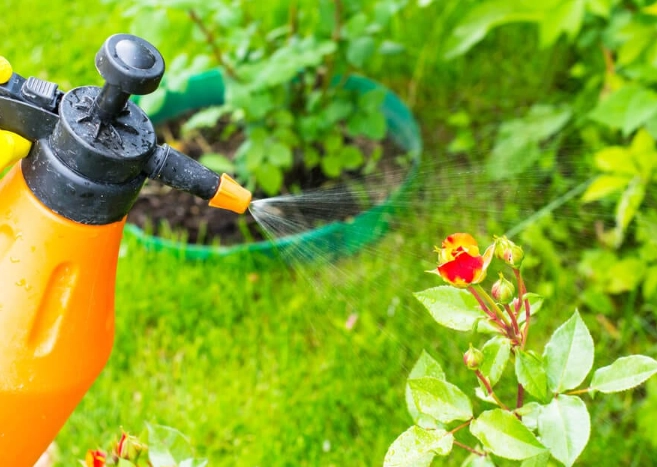
I've been there. I remember my first serious aphid infestation on my prize kale. I panicked, bought a popular chemical insecticide, and sprayed with abandon. The aphids died, sure. But so did the ladybug larvae that had just started to show up, and the leaves ended up with a weird residue I wasn't comfortable eating. It felt like a hollow victory. That experience sent me down the rabbit hole of learning about effective pest control for plants that actually works with nature, not against it.
This guide is what I wish I had back then.
We're going to move beyond quick fixes and dive into a smarter system. It's not just about killing bugs; it's about creating a garden environment where pests are less likely to become a crisis in the first place. We'll cover how to figure out what's bugging your plants (pun intended), how to stop problems before they start, and a whole toolbox of solutions—from simple kitchen remedies to introducing beneficial insects. Whether you're dealing with slugs demolishing your hostas or whiteflies clouding your tomatoes, we've got a strategy.
First, Understand What You're Up Against: Pest Identification 101
You can't win a battle if you don't know the enemy. Spraying something random is a waste of time and money. Most pest control for plants fails at this first, crucial step. Is that white fuzz a fungus or a bug? Are the holes in the leaves from caterpillars or beetles? The treatment is completely different.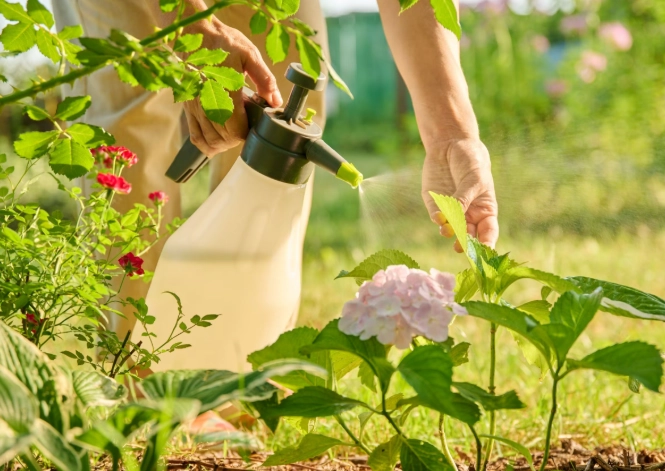
Get up close. Use a magnifying glass if you have one. Look under the leaves, along the stems, and in the soil right at the base of the plant. Many pests are masters of hide-and-seek. Take a picture if you're unsure. I often use my phone's camera on macro mode to get a clear shot, then compare it to online resources from universities, which are far more reliable than random gardening forums.
Here’s a quick-reference table for some of the most common culprits. It's not exhaustive, but it covers about 80% of the problems home gardeners face.
| Pest Name | What It Looks Like & Favorite Plants | Damage/Signs to Look For |
|---|---|---|
| Aphids (Greenfly, Blackfly) | Tiny, pear-shaped insects in green, black, brown, or pink. They cluster on new growth and undersides of leaves. Love roses, kale, beans, peppers. | Stunted, curled leaves. Sticky "honeydew" residue that can attract ants and lead to sooty mold. |
| Spider Mites | Microscopic spiders, barely visible. Look for fine, silky webbing, especially under leaves and between stems. Thrive in hot, dry conditions. Target houseplants, tomatoes, beans. | Leaves look stippled or dusty with tiny yellow dots. Severe infestations cause bronzing and leaf drop. |
| Whiteflies | Tiny, moth-like insects that flutter up in a cloud when disturbed. Cling to the undersides of leaves. Obsessed with tomatoes, cucumbers, poinsettias. | Yellowing, wilting leaves. Honeydew and sooty mold, similar to aphids. Can transmit plant viruses. |
| Cabbage Worms/ Loopers | Green caterpillars that blend in perfectly with leaves. The adult is a white butterfly. Exclusive fans of the cabbage family: broccoli, kale, cabbage, Brussels sprouts. | Large, irregular holes chewed right through leaves. Green frass (droppings) on leaves. |
| Slugs & Snails | Soft-bodied, slimy mollusks. Nocturnal. They hide under debris, pots, and boards during the day. Will eat almost anything tender, especially hostas, lettuce, seedlings. | Large, ragged holes in leaves and fruits. Silvery slime trails on leaves, soil, and surrounding surfaces. |
| Japanese Beetles | Metallic blue-green beetles with copper wings. They feed in groups in broad daylight. Devour roses, grapes, raspberries, linden trees. | Skeletonized leaves (only the veins remain). They are voracious and obvious. |
See how different they are? A spray that works on a soft-bodied aphid (like soapy water) will do nothing to a chewing beetle with a hard shell. That's why identification is job number one for any plant pest control plan.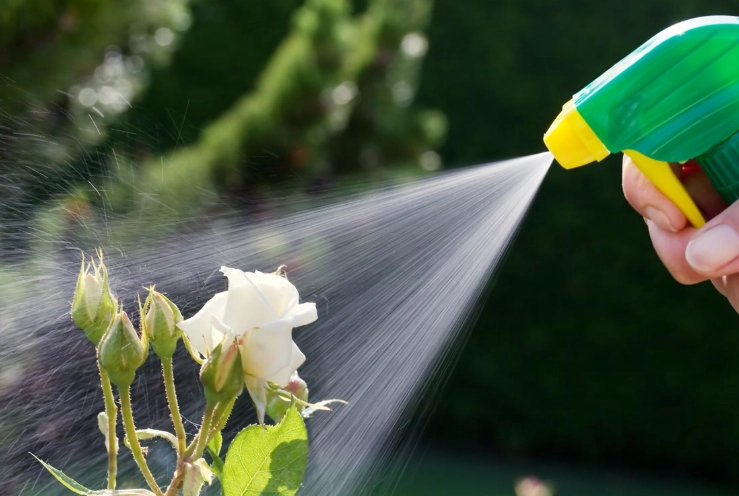
The Golden Rule: Prevention is Always Better Than Cure
This is the cornerstone of any intelligent approach to pest control for plants. A stressed plant is a magnet for pests. Think of them as nature's cleanup crew, targeting the weak. Your goal is to grow the healthiest, most resilient plants possible.
Strong plants fight back.
Build Healthy Soil
It all starts underground. Healthy soil teems with beneficial microbes and fungi that help plants absorb nutrients and even communicate with each other. I'm a big believer in adding plenty of compost. Not the bagged stuff from the big box store (though it's okay in a pinch), but homemade or locally sourced compost. It improves soil structure, provides a slow release of nutrients, and supports that whole underground ecosystem. The USDA's resources on soil health are a great place to start understanding this foundation.
Choose the Right Plants & Practice Diversity
Plant things that are known to do well in your area. Native plants are often naturally more resistant to local pests. Don't put all your same plants in one big block—that's a buffet sign for pests. Mix things up! Interplant flowers like marigolds, nasturtiums, and calendula among your veggies. They attract beneficial insects and can confuse or repel pests. This companion planting thing isn't just folklore; there's real science behind it, as explored by institutions like the University of Minnesota Extension.
Keep It Clean and Inspect Regularly
Good garden hygiene sounds boring, but it works. Remove dead leaves, spent plants, and weeds where pests can shelter and breed. When you bring a new plant home from the nursery, quarantine it for a week or two away from your other plants. Inspect it thoroughly. I've introduced scale insects on a beautiful new fern before, and it took months to clean up. Learn from my mistake.
Your Arsenal of Natural & Organic Pest Control Methods
Okay, so you've done all the prevention, but you still see pests. Now what? This is where we roll up our sleeves. The key here is to start with the least disruptive method and escalate only if needed. This philosophy is often called Integrated Pest Management (IPM), and it's the professional standard for a reason.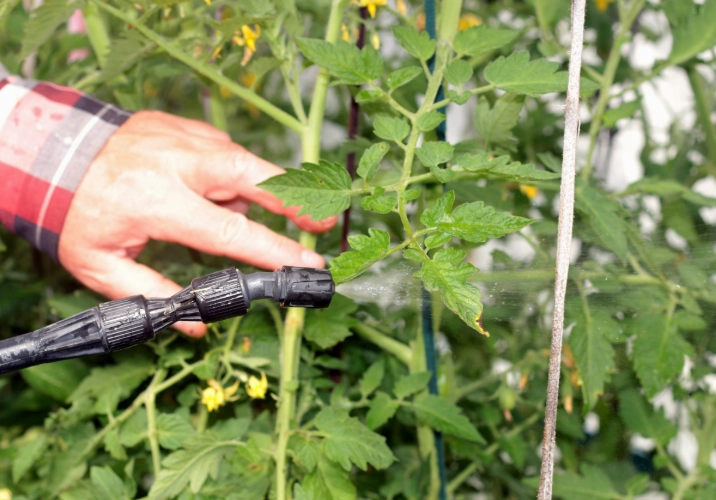
Physical and Mechanical Controls (The Hands-On Approach)
Sometimes the simplest methods are the best. Your fingers are a powerful tool for pest control in the garden.
- Hand-Picking: For larger pests like Japanese beetles, cabbage worms, and hornworms, just pick them off and drop them into a bucket of soapy water. It's immediate and effective. Do it in the early morning or evening when they're less active.
- Spraying with Water: A strong jet of water from the hose can knock aphids, spider mites, and whiteflies right off the plant. It disrupts their feeding and can significantly reduce populations. Do this in the morning so the plant has time to dry, preventing fungal issues.
- Barriers: Use floating row covers (lightweight fabric) over crops like brassicas to prevent the cabbage butterfly from laying eggs. Put copper tape around the rims of pots to deter slugs and snails (they get a mild electric shock).
- Traps: Yellow sticky traps are brilliant for monitoring and catching whiteflies, fungus gnats, and winged aphids. Beer traps for slugs (a shallow dish sunk into the soil filled with cheap beer) work surprisingly well, though they can attract slugs from neighboring yards.
My Two Cents: I find hand-picking weirdly therapeutic. There's a direct satisfaction to it. But for a bad infestation, it's not enough on its own. Combine it with other methods.
Homemade and Botanical Sprays
These are my go-to first line of defense after physical removal. They break down quickly and have minimal impact on non-target insects if used carefully.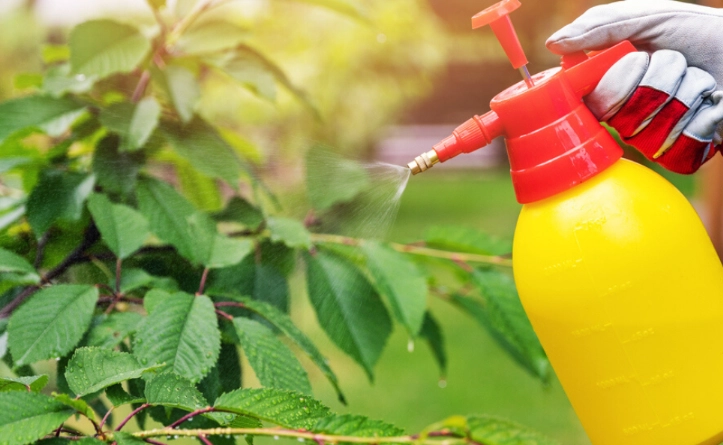
What's the deal with insecticidal soap?
It's not dish soap! Real insecticidal soap (potassium salts of fatty acids) is a specific product you can buy, or you can make a milder version. The soap works by breaking down the insect's protective waxy coating, causing it to dehydrate. It's only effective on contact with soft-bodied pests like aphids, mites, and young scales. Important: Test any spray on a small part of the plant first and apply in the cool of early morning or late evening to avoid burning leaves.
Simple Soap Spray Recipe: Mix 1-2 teaspoons of a mild, pure liquid castile soap (like Dr. Bronner's) with 1 quart of warm water. Shake well and spray directly on the pests. Rinse the plant with clean water a few hours later.
Neem Oil: This is a powerhouse. It's a natural oil from the neem tree that acts as an insect repellent, feeding disruptor, and mild fungicide. It's effective against a wide range of pests and is pretty safe for beneficials when it's dry. You must buy cold-pressed neem oil and mix it with an emulsifier (like a tiny bit of soap) so it blends with water. Follow the bottle instructions closely. The Organic Materials Review Institute (OMRI) lists products certified for organic use, which is a good trust signal.
Other DIY Ideas: Garlic or chili pepper sprays can act as repellents. Steep crushed garlic or hot peppers in water overnight, strain, add a drop of soap, and spray. The smell deters many pests. Honestly, the efficacy is variable, but it's worth a try for mild problems.
Recruit an Army: Beneficial Insects
This is my favorite part of natural pest control for plants. You're not fighting alone; you're hiring bodyguards. You can attract them or buy them.
- Ladybugs/Ladybird Beetles: Aphid assassins. Both adults and larvae are voracious. You can buy them, but they often fly away. It's better to attract them by planting pollen-rich flowers (dill, fennel, yarrow) and providing a water source.
- Lacewings: Their larvae are called "aphid lions" for a reason. They also devour mites, thrips, and small caterpillars. You can buy lacewing eggs on cards to hang in your garden.
- Parasitic Wasps (like Trichogramma): These are tiny, stingless wasps that lay their eggs inside pest eggs (like caterpillar eggs), stopping the problem before it hatches. It's nature's horror movie, and it's brilliant.
- Praying Mantises: They look cool, but they are generalist predators and will eat beneficial insects just as happily as pests. I don't recommend buying them; they're not a targeted solution.
The key to keeping beneficials around is to stop using broad-spectrum pesticides and provide them with habitat—some undisturbed areas, flowering plants for nectar, and water.
When to Consider Chemical Controls (The Last Resort)
I'm not here to say never use a chemical. Sometimes, an infestation gets so out of hand that stronger measures are needed to save a plant. The key is to use them judiciously and selectively.
If you must go this route, look for products that are:
- Targeted: Like Bacillus thuringiensis (Bt), a natural bacteria that only affects caterpillars when they eat it. It's harmless to bees, ladybugs, and you.
- Short-lived: Products that break down quickly in sunlight.
- Applied Correctly: Always, always read the entire label. It's the law, and it tells you how to use it safely for you, your plants, and the environment. Wear gloves. Spray at dusk when bees are back in their hives. Never spray on windy days.
Chemical pest control for plants is a tool, not a crutch.
Tackling Specific Common Pests: Your Action Plan
Let's get tactical. Here’s a quick-hit list for some of the usual suspects.
Aphids
Blast them off with water. Follow up with a soap spray or neem oil. Introduce or attract ladybugs. Check for ants farming the aphids for honeydew—control the ants with barriers (sticky tape on stems) to cut off their protectors.
Spider Mites
They hate moisture. Increase humidity around the plant (mist regularly). Spray forcefully with water daily for a week. Use neem oil or horticultural oil (like dormant oil) which suffocates them. Predatory mites are a fantastic biological control you can purchase.
Cabbage Worms
Hand-pick. Use floating row covers from day one to prevent the butterfly from laying eggs. Apply Bt (Bacillus thuringiensis var. kurstaki)—it's incredibly effective and specific.
Slugs and Snails
Go hunting at night with a flashlight. Set beer traps. Place boards or overturned pots as traps and collect them in the morning. Apply iron phosphate-based slug baits (like Sluggo); they are safe for pets and wildlife and are considered organic.
Frequently Asked Questions (The Stuff You're Really Wondering)
Wrapping It Up: A Mindset Shift
Effective pest control for plants isn't about declaring war on every bug you see. It's about observation, patience, and working with ecological principles. A few aphids? That's just bird food. A massive colony? Time to act.
Start with the health of your soil and your plants. Use physical barriers and removal. Deploy natural sprays when needed. Encourage the good bugs. And only as an absolute last resort, use the most targeted chemical option you can find, applied with extreme care.
The Bottom Line: Your garden is an ecosystem. The goal of plant pest control is balance, not annihilation. When you get that balance right, the garden almost takes care of itself. You spend less time fighting and more time enjoying the harvest. And honestly, that's the whole point, isn't it?
It takes a season or two to get the hang of it. You'll make mistakes—I sure did. But stick with it. Your plants, your local pollinators, and your own peace of mind will thank you for taking this smarter, more sustainable approach to keeping your garden healthy and thriving.
Reader Comments