Let's be honest. You probably grabbed a bag of that nice, dark, finished compost from the garden center, spread it around your blueberry bushes, and expected magic to happen. I did that too, years ago. And you know what? My blueberries looked… sadder. The leaves got a bit yellow, growth slowed. It was a total facepalm moment.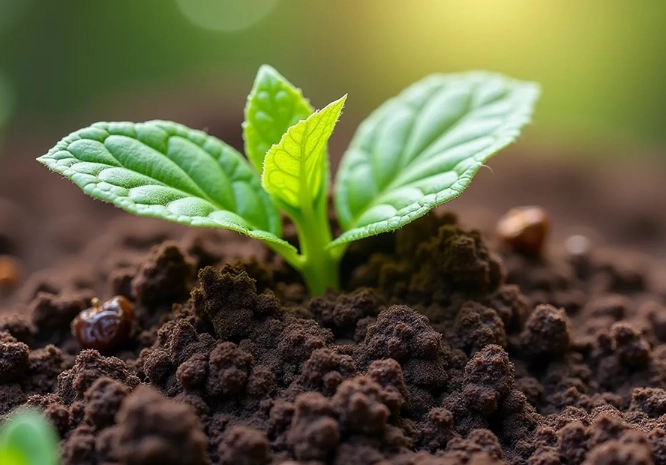
That's because most general-purpose compost is a disaster for blueberries. It's like feeding a steak to a rabbit. Blueberries are the divas of the fruit world – they have incredibly specific, picky tastes when it comes to their soil. Get it wrong, and they'll sulk for years. Get it right, and you'll be buried in baskets of the sweetest, plumpest berries you've ever tasted.
So, if you're wondering how to properly compost blueberries, you need to forget everything you know about regular composting. This is a different game. We're not just making black gold; we're crafting an acidic, fluffy, nutrient-rich bed that mimics the forest floor these plants evolved in.
The big secret? It's not just about feeding the plant. It's about feeding the soil's microbiome in a way that creates the perfect acidic environment blueberries crave. The right compost does both.
Quick Guide
- Why Your Blueberries Are Begging for the Right Compost
- The Blueberry Compost Material Bible: What's In, What's Out
- Building Your "Blueberry Special" Compost Pile: A Step-by-Step Walkthrough
- How and When to Apply Your Homemade Blueberry Gold
- Troubleshooting: When Good Compost Goes Bad (For Blueberries)
- Your Blueberry Compost Questions, Answered
- The Long Game: Composting as Part of a Blueberry Care System
Why Your Blueberries Are Begging for the Right Compost
Think of soil as a blueberry's apartment. If the apartment is dirty, cramped, and has bad plumbing (compaction, poor drainage), the tenant is miserable. If it's spacious, airy, and has all the right amenities (acidic pH, organic matter, nutrients), the tenant thrives and throws parties (produces fruit).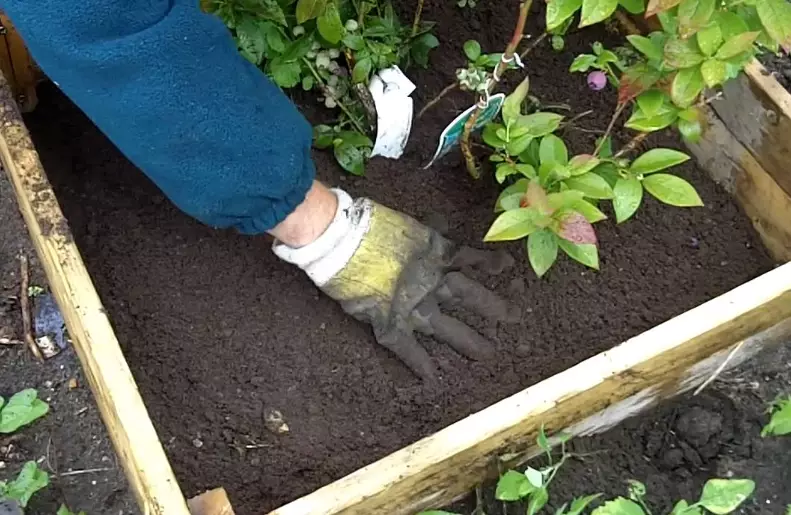
Blueberries are ericaceous plants. That's a fancy word for acid-loving. Their roots struggle to take up iron and other nutrients in neutral or alkaline soil. This leads to iron chlorosis – those yellow leaves with green veins that scream "I'm unhappy!"
Good compost for blueberries fixes this in three ways:
- Lowers and maintains soil pH: The right ingredients decompose into a mildly acidic finished product.
- Improves soil structure: Sandy soil holds more water; clay soil drains better. Roots can breathe and spread.
- Feeds slowly and safely: Unlike chemical fertilizers that can burn roots, compost releases nutrients at a gentle pace blueberries love.
I learned this the hard way after my first failed attempt. Now, making the perfect acidic compost is my spring ritual.
The Blueberry Compost Material Bible: What's In, What's Out
This is the most important part. Tossing in your kitchen scraps willy-nilly won't cut it. You have to be strategic. Some things are gold for blueberries; others are pure poison.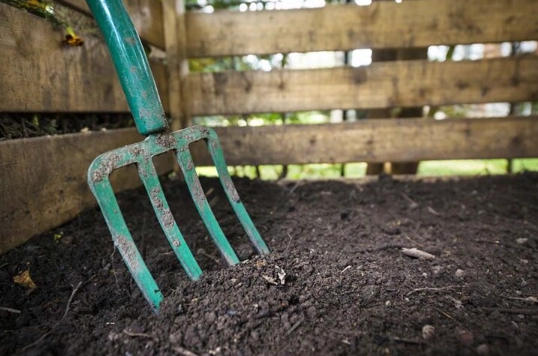
Let's break it down with a table because seeing it side-by-side is a game-changer.
| Material | Category | Verdict for Blueberries | Notes & Why |
|---|---|---|---|
| Pine Needles | Browns (Carbon) | Excellent | The holy grail. Acidic, breaks down slowly into perfect fluffy humus. I rake my neighbor's lawn every fall. |
| Oak Leaves | Browns (Carbon) | Excellent | Another acidic superstar. Shred them first with a mower to speed up decomposition. |
| Coffee Grounds | Greens (Nitrogen) | Great | Acidic and rich in nitrogen. Let them dry out a bit first to avoid clumping. Get them free from local cafes. |
| Sawdust (Untreated Pine/Oak) | Browns (Carbon) | Great | Very acidic. Must be from untreated wood. Mix well to prevent matting. It'll suck up nitrogen as it breaks down, so balance with greens. |
| Citrus Peels | Greens (Nitrogen) | Use Sparingly | Mildly acidic, but break down slowly. Chop finely. Don't make them the main ingredient. |
| Wood Ash | - | Avoid Completely | This is a big one. Ash is highly alkaline (the opposite of acidic). It will wreck your soil pH. Never use it near blueberries. |
| Manure (Chicken, Cow, Horse) | Greens (Nitrogen) | Avoid / Use Extreme Caution | Usually too alkaline and too "hot" (high in ammonia). Can burn roots and raise pH. If you must, use only aged, well-composted manure in tiny amounts, mixed deeply. |
| Grass Clippings (Lawn) | Greens (Nitrogen) | Avoid | Often treated with lime or alkaline fertilizers. Can mat down and create a smelly, anaerobic mess. Not worth the risk. |
| Vegetable Scraps (General) | Greens (Nitrogen) | Okay in Moderation | They're fine for nutrients, but most aren't acidic. Don't let them dominate the pile. They're supporting actors, not stars. |
My biggest mistake? I once added a few shovels of fireplace ash, thinking it was a "natural fertilizer." It took two seasons of applying sulfur and pine needle compost to fix the pH. The bushes were stunted for a year. Just don't do it.
See the pattern? Stick to forest-floor stuff: conifer needles, oak leaves, and sawdust. That's your carbon backbone. Then add your acidic greens like coffee grounds. It's a simple but powerful formula.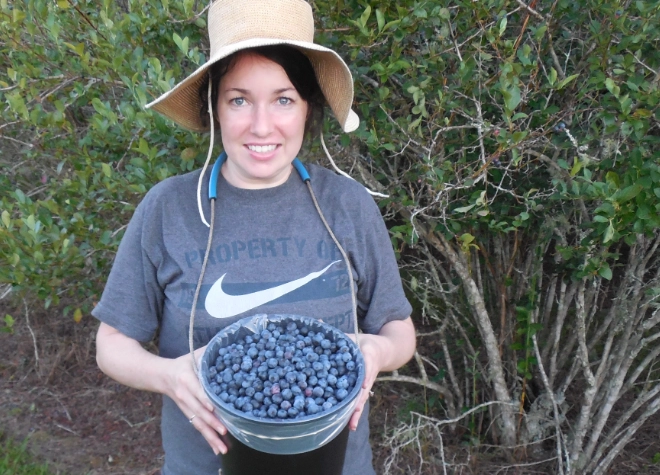
Building Your "Blueberry Special" Compost Pile: A Step-by-Step Walkthrough
You don't need a fancy bin. A simple three-pallet setup or even a pile in the corner works. The magic is in the layers and the patience.
Step 1: The Foundation and First Layer
Start with a 6-inch layer of coarse twigs or straw for aeration at the bottom. Then, lay down your first real layer: browns. I'm talking a good 8-inch layer of shredded oak leaves or pine needles. Water it until it feels like a damp sponge. Not soggy, just damp.
Step 2: The Green Layer and the Magic Dust
Add a 3-inch layer of your nitrogen-rich greens. This is where your coffee grounds go. You can add some finely chopped vegetable scraps here too. Now, here's a pro tip I picked up: sprinkle a handful of garden soil or finished compost from an old batch over this layer. This inoculates the pile with the microbes that do the decomposing work. It's like adding sourdough starter.
Step 3: Repeat and Maintain
Keep alternating layers – browns, then greens, a little sprinkle of soil – until your pile is about 3-4 feet high. Top it off with a final brown layer to keep smells down.
Now, the waiting game begins. In about a week, it should feel warm in the middle. That's microbial activity – a good sign. Turn the pile with a fork every 2-3 weeks. Move the outside material to the inside. This adds oxygen and speeds things up. If it smells bad (rotten eggs), it's too wet and needs more browns. If it's not heating up, it's too dry or needs more greens.
Patience is key. A good, hot compost pile for general use might be ready in 2-3 months. For your blueberry compost, I let it go for 6 months, even up to a year. You want it fully finished, stable, and cool to the touch. This ensures no nutrient tie-up or pH surprises when you apply it.
How and When to Apply Your Homemade Blueberry Gold
Timing and method matter as much as the compost itself. Dumping a pile at the wrong time can do more harm than good.
Best Time: Early spring, just as the buds begin to swell but before they fully break open. Or, late fall after the bushes have gone dormant. Spring is my preference because the nutrients are available right as the plant wakes up hungry.
How Much: Don't smother them! A 2 to 3-inch layer is perfect. Spread it in a wide circle around the bush, starting a few inches from the main stem and going out to just beyond the drip line (where the branches end). Blueberry roots are shallow and wide-spreading.
The Method:
- Gently scratch the existing soil surface with a hand cultivator to loosen it up.
- Spread your precious compost for blueberries evenly over the area.
- Do not dig it in. This is crucial. You don't want to damage those delicate, fibrous surface roots. Let the worms and rain incorporate it naturally. Just leave it as a top dressing.
- Top it off with a fresh 2-inch layer of mulch (more pine needles or shredded oak bark are perfect) to retain moisture and keep weeds down.
That's it. Water it in if rain isn't forecast. Then watch.
Troubleshooting: When Good Compost Goes Bad (For Blueberries)
Even with the best intentions, things can go sideways. Here's how to read the signs.
- Yellowing leaves (Chlorosis) AFTER applying compost: This is the classic "uh-oh." Your compost wasn't acidic enough, or it contained alkaline contaminants (like that cursed wood ash). Test your soil pH immediately. If it's above 5.5, you'll need to gently amend with elemental sulfur (following package rates) and use only super-acidic materials (pine needles) for the next few seasons.
- No growth or wilting: Could be the compost wasn't fully finished. Unfinished compost can rob soil of nitrogen as it continues to break down. It can also generate heat. Make sure your compost is cool, crumbly, and smells like forest soil before using it.
- Weeds galore: If your pile didn't get hot enough (below 130°F / 54°C for several days), weed seeds might have survived. Be diligent about weeding. Consider using a hot composting method next time or avoiding adding weeds that have gone to seed.
Your Blueberry Compost Questions, Answered
The Long Game: Composting as Part of a Blueberry Care System
Using the right compost on blueberries isn't a one-time fix. It's the cornerstone of their care. Combine it with:
- Mulching: Always keep the root zone mulched with acidic organic matter (pine needles, oak leaves). This continually breaks down and feeds the soil.
- Watering: They need consistent moisture, especially when fruit is developing. Drip irrigation is a lifesaver.
- pH Monitoring: Test your soil pH every 2-3 years. It tends to creep up over time. Your acidic compost is the first line of defense to push it back down.
It sounds like a lot, but really, once you've built your first successful pile of blueberry compost, the hardest work is done. You've created a renewable resource that will keep your bushes happy for years.
The final truth? The best compost for blueberry bushes isn't just fertilizer. It's habitat creation. You're building a tiny, perfect slice of acidic forest floor in your backyard. And when you bite into a sun-warmed berry that's bursting with flavor, you'll know every bit of effort was worth it. Start small, be picky with your ingredients, and let nature do most of the work. Your blueberries will thank you with an unforgettable harvest.
Now, go check what's in your compost bin.
Reader Comments