Quick Navigation
- What Okra is Hungry For: Breaking Down the Nutritional Needs
- Your Fertilizer Options: Organic vs. Synthetic for Okra
- The Step-by-Step Fertilizing Schedule (From Planting to Harvest)
- Reading Your Plants: Troubleshooting Fertilizer Problems
- Advanced Tips & Personal Tricks for a Bumper Crop
- Common Questions Gardeners Ask About Okra Fertilizer
Let's be honest. When I first started growing okra, I thought fertilizer was fertilizer. I grabbed a bag of whatever was cheap and called it a day. The result? A few spindly plants, maybe three or four pathetic pods, and a whole lot of disappointment. It turns out, okra is a bit of a hungry beast. Getting the fertilizer for okra plant strategy wrong is the fastest way to a mediocre harvest. But get it right, and you'll be picking tender pods faster than you can say "gumbo."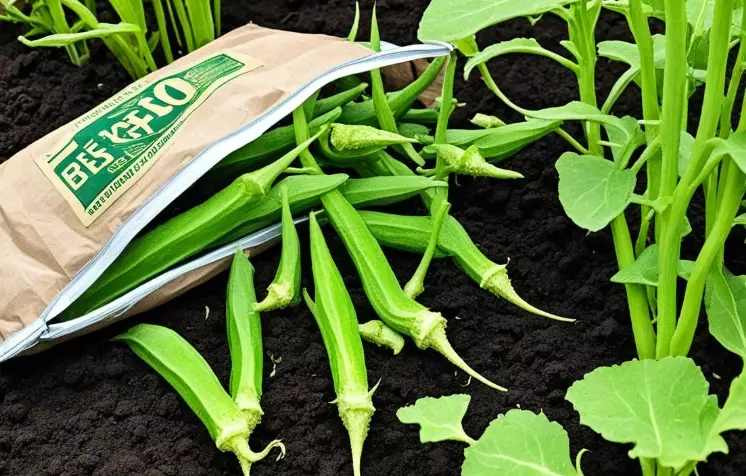
This isn't about throwing complex chemistry at you. It's about understanding what this wonderful vegetable actually needs from the soil, season by season. We'll talk about the best fertilizer for okra, whether you're an organic purist or just want results, and how to avoid the common mistakes that stunt growth.
What Okra is Hungry For: Breaking Down the Nutritional Needs
Think of okra as a hard-working athlete. It grows tall and fast, produces flowers constantly, and those flowers turn into pods we harvest every other day. That's an energy-intensive process. The primary nutrients, N-P-K (Nitrogen-Phosphorus-Potassium), play specific roles.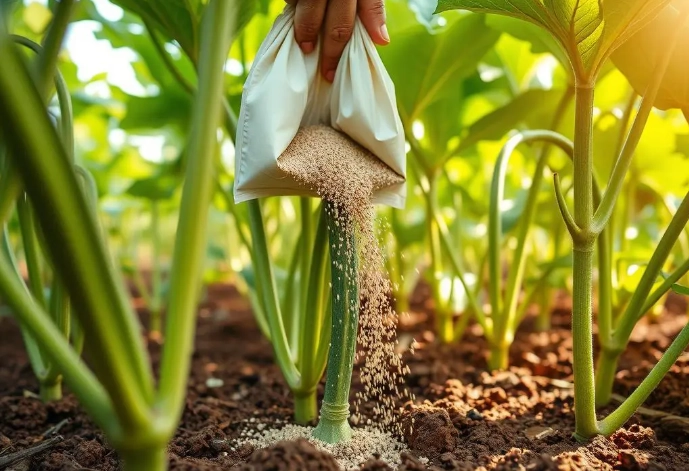
Nitrogen (N): This is the leaf and stem booster. Early on, nitrogen is king. It helps the plant establish a strong, bushy framework of leaves to capture sunlight. Too little, and growth is stunted. Too much, and you get a gorgeous, giant green bush with very few flowers or pods. It's a classic mistake—lush leaves, no fruit.
Phosphorus (P): The root and bloom champion. Phosphorus is critical early for developing a strong root system to seek out water and nutrients. Later, it directly supports flower formation. A phosphorus deficiency can lead to weak plants and poor flowering.
Potassium (K): The overall health regulator. Potassium strengthens cell walls, improves drought tolerance, helps with disease resistance, and is vital for the proper development and quality of the okra pods themselves.
But here's the thing I learned the hard way: their needs change.
The Two Critical Growth Stages for Fertilizing Okra
You can't just apply one type of fertilizer for okra plant and walk away. Timing is everything.
Stage 1: The Seedling and Early Growth Phase. After your okra seedlings have their first few true leaves, they're shifting from seed energy to soil energy. This is when they need a balanced meal to support all systems—roots, leaves, and stems. A fertilizer with a good balance, maybe slightly higher in phosphorus, is perfect here.
Stage 2: The Flowering and Fruiting Phase. Once the plant starts setting buds, its priorities change. Now, it needs to support flower production and pod development. While it still needs nitrogen to maintain its large frame, overdoing it will tell the plant to keep making leaves, not pods. At this stage, a fertilizer with less nitrogen and more phosphorus and potassium is ideal.
Your Fertilizer Options: Organic vs. Synthetic for Okra
This is the big debate, right? Let's lay out the choices without the dogma. Both can give you a great harvest if used correctly.
Going the Organic Route
Organic fertilizers feed the soil, which in turn feeds the plant. They release nutrients slowly, improve soil structure, and are less likely to burn plants. They're my personal preference for long-term garden health.
- Compost: The absolute gold standard. Well-rotted compost is a complete, mild food and soil conditioner. Mix a generous amount into the planting hole and use it as a side-dressing mulch. It's hard to overdo it.
- Well-Aged Manure: Cow, horse, or chicken manure (must be aged for at least 6 months to a year to avoid burning plants and killing seeds). It's rich in nitrogen. The USDA's National Agricultural Library has a great resource on composting manures safely.
- Blood Meal: A very fast-acting organic source of nitrogen. Great for a quick green-up if plants look pale, but use sparingly.
- Bone Meal: A fantastic source of phosphorus and calcium. I always toss a handful into the planting hole for root development.
- Fish Emulsion or Seaweed/Kelp Meal: These are great all-around feeds with micronutrients. Fish emulsion is a liquid you can use as a foliar spray or soil drench every few weeks. It stinks to high heaven, but plants love it.
The challenge with organic fertilizer for okra plant is knowing the exact NPK ratio, as it can vary. It requires more planning ahead of the planting season.
Using Synthetic (Chemical) Fertilizers
These are manufactured to precise NPK formulas. They act quickly and are readily available to plants. The downside? They don't improve soil health, can contribute to salt buildup, and it's easier to over-apply and burn your plants.
If you go this route, look for a balanced vegetable garden fertilizer like a 10-10-10 or a formula tailored for fruiting vegetables. Many gardeners start with a balanced blend and then switch to a "bloom booster" type (lower N, higher P & K) once flowering starts.
The Step-by-Step Fertilizing Schedule (From Planting to Harvest)
Let's make this practical. Here’s a timeline you can follow. Remember, soil testing is the best first step. Your local university's cooperative extension service (like the University of Minnesota Extension) usually offers affordable soil tests that tell you exactly what you're working with.
| Growth Stage | Timing | What to Use & Why | Application Method |
|---|---|---|---|
| Soil Prep | 2-3 weeks before planting | Mix in 2-3 inches of compost or well-aged manure. Add bone meal for phosphorus. | Work evenly into the top 6-8 inches of soil. |
| Planting Time | When transplanting or sowing seeds | A balanced starter fertilizer (e.g., organic blend or mild 5-5-5). Avoid direct contact with seeds/roots. | Mix into soil below root zone or apply in a ring around the planting hole. |
| First Feeding | When plants are 6-8 inches tall | Balanced fertilizer. This supports the initial growth spurt. | Side-dress: apply in a shallow trench or ring 4-6 inches from stem, water in well. |
| Flower Initiation | When first flower buds appear | Switch to a fertilizer higher in P & K (e.g., 5-10-10 or similar organic like bloom booster). | Side-dress again, water thoroughly. |
| Mid-Season Boost | 4-6 weeks after first harvest | Okra is a heavy feeder. Replenish nutrients to keep production going. | Another side-dressing of compost or a balanced/low-nitrogen feed. |
What does "side-dressing" mean? It simply means applying fertilizer to the soil surface near the plant's stem, not right up against it. You scratch it lightly into the top inch of soil and then water. This gets the nutrients to the root zone where they're needed without risk of direct root burn.
Reading Your Plants: Troubleshooting Fertilizer Problems
Your okra will tell you if it's unhappy. Here’s how to decode the signs.
Advanced Tips & Personal Tricks for a Bumper Crop
Beyond the basic schedule, a few extra practices can make a world of difference.
Foliar Feeding: Sometimes, plants need a quick pick-me-up. Spraying a diluted liquid fertilizer (like fish emulsion or seaweed extract) directly on the leaves allows for fast absorption. It's great for giving a mid-season boost or correcting minor micronutrient issues. Do it in the early morning or late evening to avoid leaf burn.
The Magic of Mulch: This is non-negotiable in my garden. A 3-4 inch layer of organic mulch (straw, shredded leaves, grass clippings) does three amazing things: 1) It conserves water, keeping soil moisture even. 2) It suppresses weeds that compete for nutrients. 3) As it breaks down, it slowly adds organic matter and nutrients back into the soil, acting as a slow-release fertilizer for okra plant roots.
Compost Tea: It sounds fancy, but it's simple. Steep a bag of compost in a bucket of water for 24-48 hours, then use the nutrient-rich liquid to water your plants. It's a gentle, effective way to deliver beneficial microbes and soluble nutrients.
Common Questions Gardeners Ask About Okra Fertilizer
Let's tackle some of those specific, nagging questions that pop up when you're deciding on a fertilizer for your okra plant.
Is Epsom salt good for okra? Epsom salt is magnesium sulfate. If your soil is deficient in magnesium (a soil test will tell you), it can be beneficial, as magnesium is central to chlorophyll production. However, if your soil doesn't need it, adding it does nothing. It's not a substitute for a balanced fertilizer. Don't just throw it on hoping for magic.
Can I use tomato fertilizer on okra? You can, but be cautious. Many tomato fertilizers are high in potassium, which is good, but they are also often formulated to prevent blossom-end rot with extra calcium. Okra doesn't have the same calcium demands as tomatoes. A standard vegetable garden fertilizer is a safer, more general bet.
How often should I fertilize okra in containers? Container plants need feeding more frequently because nutrients leach out with every watering. Start with a quality potting mix that contains compost. Then, feed with a liquid fertilizer (organic or synthetic) every 2-3 weeks throughout the growing season. A diluted fish emulsion works wonders here.
What's the absolute best organic fertilizer for okra? There's no single answer, but a combination is unbeatable. My top choice would be: 1) Compost as the base, 2) Bone meal in the planting hole for roots and blooms, and 3) Occasional fish emulsion/seaweed sprays for a full spectrum of nutrients. This combo covers all the bases.
A Final, Crucial Point: Soil pH
All the best fertilizer for okra in the world won't help if your soil pH is off. Okra prefers slightly acidic to neutral soil, with a pH between 6.0 and 7.0. In this range, all the nutrients we've talked about are most available to the plant's roots. If your soil is too acidic (low pH) or too alkaline (high pH), nutrients get "locked up" and the plant can't access them, even if they're physically present in the soil.
This is why that initial soil test is so valuable. It tells you your pH and exactly which nutrients are lacking. It takes the guesswork out of choosing a fertilizer for your okra plant. Your local extension office is the best place to start for a reliable test.
So, there you have it. Fertilizing okra isn't about one magic product. It's about understanding the plant's lifecycle, feeding it appropriately at each stage, and building healthy soil as a foundation. Start with rich compost, support early growth with a balanced feed, then encourage pods with more phosphorus and potassium. Keep an eye on your plants—they'll tell you what they need. Do that, and you'll be rewarded with a summer-long harvest of crisp, tender okra that's the envy of the neighborhood. Now go get your hands dirty.
Reader Comments