Quick Navigation
- What Are Raised Bed Vegetable Gardens, Really?
- Building Your Raised Bed: A No-Nonsense Guide
- The Heart of It All: Soil for Your Raised Bed Garden
- What to Plant and How to Plant It
- Ongoing Care: Watering, Weeding, and Winning
- Common Questions About Raised Bed Vegetable Gardens (The Stuff You Actually Google)
Let's be real for a second. The idea of a traditional vegetable garden can be... daunting. You know the drill: endless digging, backaches, rocks that seem to multiply overnight, and soil that just never seems to be quite right. I remember trying to grow tomatoes in my old backyard's clay soil. It was like trying to farm in pottery clay. The plants were stunted, the yields pathetic. I was about to give up.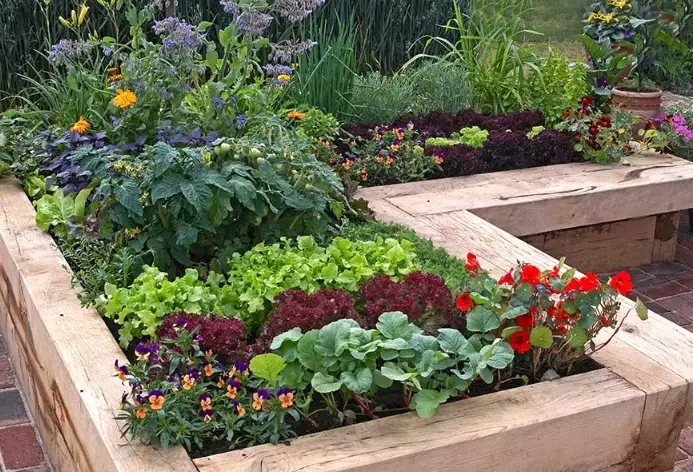
Then I built my first raised bed vegetable garden. It wasn't fancy—just some old 2x8 boards nailed together. But the difference was night and day. Suddenly, I had control. The soil was deep, loose, and perfect. Weeds were manageable. My back thanked me. The harvest that first year? Unbelievable.
If you're even slightly curious about growing your own food but feel held back by poor soil, limited space, or just the sheer physical labor, this is for you. This guide isn't about theory. It's the down-and-dirty, practical, from-the-trenches knowledge you need to build a thriving raised bed vegetable garden that actually works.
What Are Raised Bed Vegetable Gardens, Really?
At its simplest, a raised bed is a garden bed that sits above the natural ground level. It's contained within a frame—wood, stone, metal, you name it—and filled with a custom soil mix. Think of it as a giant, organized, super-productive planting box.
But it's more than just a box of dirt. It's a complete system that changes the rules of gardening.
Why Raised Beds Are Just... Better
Look, I'm not saying in-ground gardens don't have their place. But for most home gardeners, especially beginners or those with less-than-ideal conditions, raised bed vegetable gardens solve a ton of problems at once.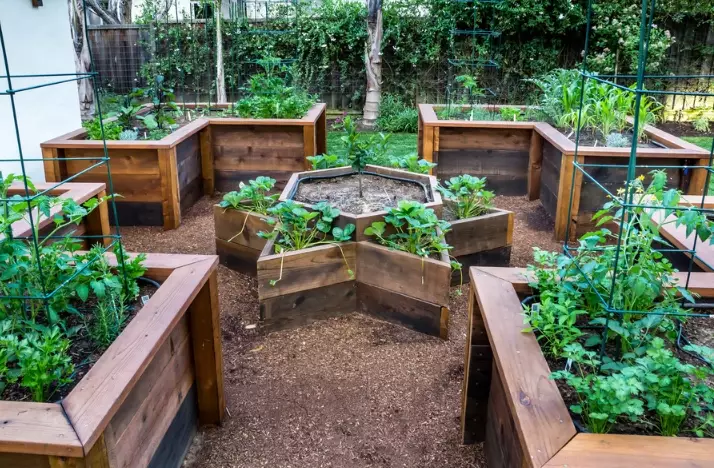
Superior Soil & Drainage: This is the biggest win. You're not stuck with whatever garbage soil you have. You fill it with a perfect, fluffy, nutrient-rich mix. No more clay that drowns roots or sand that drains too fast. The bed's height ensures excess water drains away, preventing root rot. Plants absolutely love it.
Warmer Soil, Earlier Starts: The soil in a raised bed warms up faster in the spring. That means you can plant cool-season crops like lettuce and peas weeks earlier. For us impatient gardeners, that's a massive perk.
Weed and Pest Control: Starting with fresh, weed-free soil means fewer weed seeds. The defined edges also make it harder for creeping weeds like Bermuda grass to invade. For pests like slugs? Some folks attach copper tape to the sides—it gives them a little shock and keeps them out. For bigger critters, adding a simple mesh cover is easy.
Accessibility & Comfort: No more bending double. You build the bed to a height that's comfortable for you. For me, that's about 24 inches. My knees and back are forever grateful. This also makes raised bed vegetable gardens fantastic for older gardeners or anyone with mobility issues.
Space Efficiency & Higher Yields: Because you never step on the soil, it stays loose and uncompacted. Roots can spread easily. This lets you plant more intensively, spacing plants closer together. You get way more food from a smaller footprint. In my experience, a 4x8 foot raised bed can produce as much as a 10x10 foot in-ground plot, maybe more.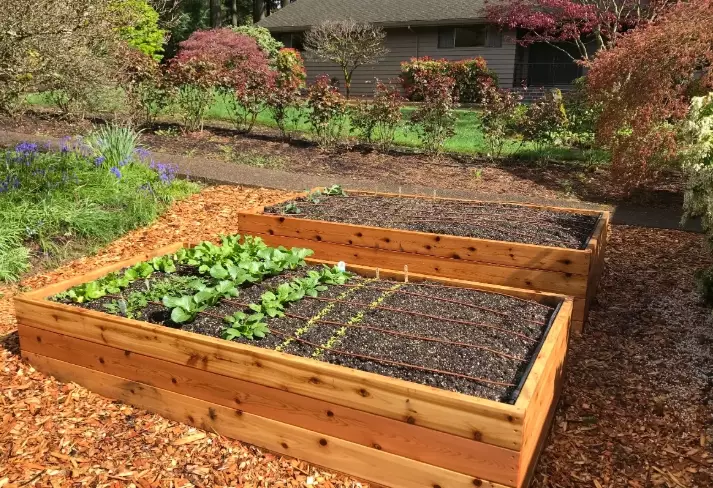
Let's Talk Downsides (Because Nothing's Perfect): The initial cost is higher. You're buying lumber and soil. They can dry out faster in peak summer heat, so a good watering system is key. And if you use certain treated woods, there's the (often overblown, in my opinion) concern about chemicals leaching. I'll get into safe material choices in a bit.
Building Your Raised Bed: A No-Nonsense Guide
Okay, you're convinced. How do you actually build one? It's easier than assembling IKEA furniture, I promise. Here’s my step-by-step, learned from building more than a dozen of these over the years.
Step 1: Location, Location, Location
This is critical. Most vegetables need at least 6-8 hours of direct sunlight per day. Watch your yard. Where does the sun hit longest? Avoid spots under big trees—not just for shade, but for competing roots and falling leaves.
Access to water is huge. Dragging a hose 100 feet gets old fast. Place your raised bed vegetable gardens within reach of a water source.
Step 2: Choosing Your Materials
This is where people get stuck. Here’s a quick breakdown of the most common options:
| Material | Pros | Cons | My Take & Tips |
|---|---|---|---|
| Cedar or Redwood | Naturally rot-resistant, beautiful, long-lasting (5-15+ years). | Expensive. Can be hard to find in some areas. | My top choice for a permanent, good-looking bed. It's worth the investment if you can swing it. |
| Pine or Fir (Untreated) | Inexpensive, readily available. | Rots quickly (may last only 2-4 years). | Fine for a starter bed if you're on a tight budget. Just know you'll be rebuilding sooner. |
| Modern Pressure-Treated Lumber | Very long-lasting, affordable. | Older concerns about arsenic; modern treatments (ACQ, MCQ) are considered much safer for gardens. | The safety debate is mostly outdated. Organizations like the U.S. Environmental Protection Agency have phased out the worst chemicals. Many university extensions, like those from University of Minnesota Extension, state current products pose minimal risk. I've used it without issue, but lining the inside with heavy-duty plastic can ease any lingering worries. |
| Composite Lumber | Never rots, made from recycled plastic/wood. | Can be very expensive, may flex/bow over time. | Great for a ultra-low-maintenance option, but ensure it's sturdy enough to hold wet soil. |
| Concrete Blocks or Bricks | Permanent, sturdy, good thermal mass. | Heavy to move, can alter soil pH (concrete is alkaline). | Looks industrial but works. Test your soil pH yearly if you use concrete blocks. |
My first beds were made from leftover pine. They lasted three seasons before getting really spongy. When I replaced them, I went with cedar. The difference in longevity and appearance was worth every penny. You don't have to start with the best, but plan for an upgrade if you start with softwood.
Step 3: The Perfect Dimensions
This matters more than you think.
- Width: Never wider than 4 feet. Why? So you can reach the center from either side without stepping in. This is the golden rule of raised bed vegetable gardens.
- Length: Whatever fits your space. 8 feet is a common, manageable length.
- Height: This is key. 6-12 inches is standard, but I'm a huge advocate for 18-24 inches. The extra soil depth means incredible root growth for almost any vegetable, including carrots and tomatoes. It also means less bending. If you have terrible native soil or gophers, a taller bed lined with hardware cloth at the bottom is a lifesaver.
Step 4: Assembly & Site Prep
Clear the grass and weeds from the area. You don't have to dig deep, just scalp it. Lay down a layer of cardboard (remove tape) to smother any remaining weed growth. It will decompose and let worms through.
Assemble your frame on site. For wood, use galvanized or stainless steel screws, not nails. Drill pilot holes to prevent splitting. For corners, simple butt joints are fine, but using a corner post (a 4x4) makes it incredibly sturdy.
If burrowing animals are a problem, staple hardware cloth (metal mesh) to the bottom of the frame before you place it. Trust me on this. One season of a gopher eating an entire beet crop will make you a believer.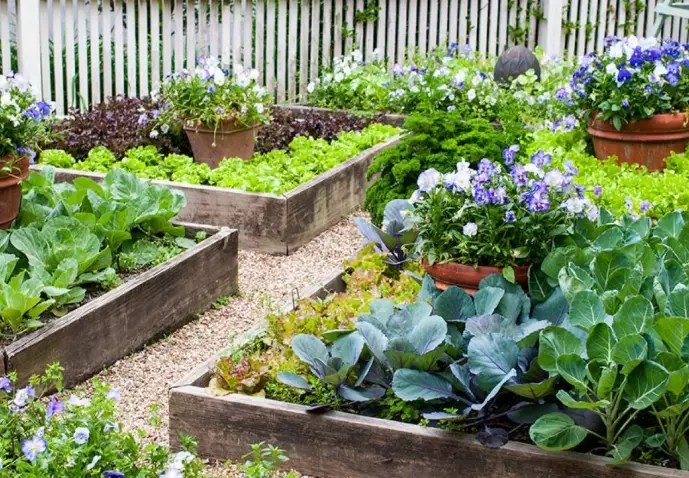
The Heart of It All: Soil for Your Raised Bed Garden
This is where you can make or break your entire project. Do not just shovel dirt from your yard into the bed. That defeats the whole purpose. You're creating a premium growing medium.
The classic, tried-and-true recipe is called Mel's Mix, popularized by Square Foot Gardening. It's simple:
- 1/3 Peat Moss or Coco Coir: For moisture retention and fluffiness. Coco coir is a more sustainable alternative to peat.
- 1/3 Vermiculite: This is the magic ingredient. It's a mineral that expands when heated, creating tiny sponges that hold water and air. It keeps the soil light for decades.
- 1/3 Blended Compost: NOT just one type. Get 4-5 different kinds if you can—mushroom compost, worm castings, composted manure, leaf compost. This diversity feeds your plants a complete diet.
Now, that mix can be pricey to fill a deep bed. A more budget-friendly and still excellent alternative I often use is:
- 50% high-quality topsoil (screened, without clay clumps)
- 30% compost (a blend, as above)
- 20% coarse sand or perlite (for drainage)
Pro Tip: Call local garden centers or soil suppliers. Many sell "raised bed mix" or "garden mix" in bulk by the cubic yard. It's far cheaper than bags. Ask them what's in it. A good mix will be dark, crumbly, and smell earthy.
How much soil do you need? For a 4ft x 8ft bed that's 1 foot (12 inches) deep, you need 32 cubic feet. That's a lot of bags. For a 24-inch high bed of the same footprint, you need 64 cubic feet. This is why bulk delivery often makes sense.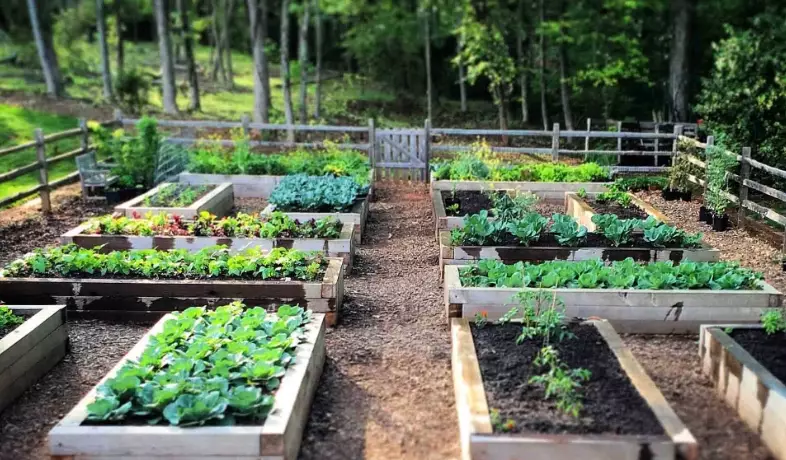
Feeding Your Soil: It's a Living Thing
Your soil isn't just dirt; it's a living ecosystem of bacteria, fungi, and worms. You need to feed it. Every spring, I top-dress my raised bed vegetable gardens with 1-2 inches of fresh compost. That's usually enough for the entire season for most crops.
For heavy feeders like tomatoes, corn, or squash, I might also mix in an organic, slow-release fertilizer like kelp meal or a balanced organic blend when planting. The key is to feed the soil, and the soil feeds the plants.
What to Plant and How to Plant It
The fun part! The beauty of raised bed vegetable gardens is that you can grow almost anything. But some plants are just superstars in this environment.
Top Plants for Raised Beds
- Leafy Greens (Lettuce, Spinach, Kale): They thrive in the cool, moist soil. You can do successive plantings for a continuous harvest.
- Root Crops (Carrots, Radishes, Beets): The deep, loose, stone-free soil is paradise for them. You'll get straight, perfect carrots every time.
- Tomatoes, Peppers, Eggplants: The warm soil gives them a head start. Use cages or stakes to support them vertically.
- Compact Squash & Cucumbers: Look for "bush" varieties that don't sprawl for miles.
- Herbs: All of them. They love the good drainage.
Avoid? Maybe giant, sprawling plants like pumpkins or watermelon, unless you have a huge bed and don't mind them trailing out. Even then, you can train them up a trellis.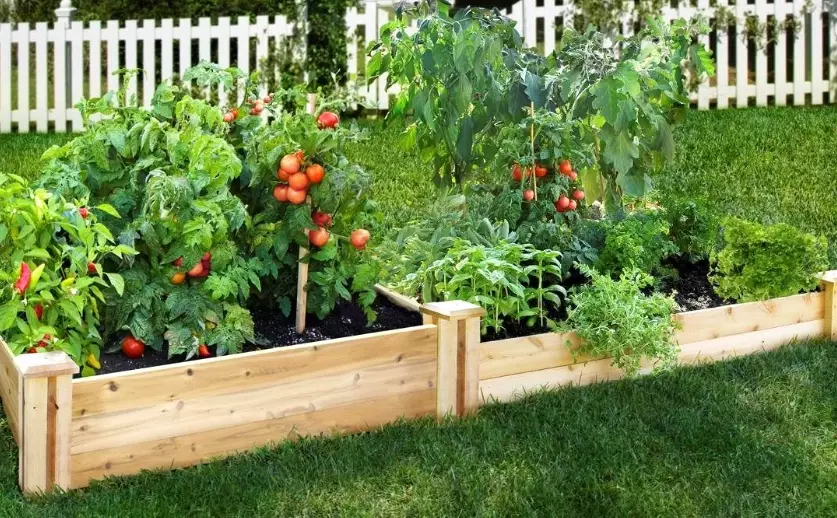
Companion Planting & Rotation
This is an advanced tactic that pays off. Plant certain things together to deter pests or boost growth. Basil with tomatoes is a classic—some say it improves flavor. Marigolds everywhere help repel nematodes.
More importantly, practice crop rotation. Don't plant tomatoes in the same spot year after year. It depletes specific nutrients and encourages disease. A simple 3- or 4-year rotation plan (like roots, then fruits, then legumes, then leaves) keeps your soil healthy. I keep a simple garden journal to remember what went where.
Planting Methods: Rows vs. Blocks
Forget long, single rows with wasted space between. In raised bed vegetable gardens, you plant in blocks or grids. You space plants evenly in all directions. A 4x4 foot square might hold 16 heads of lettuce, or 9 broccoli plants, or 1 tomato surrounded by basil and onions. It's incredibly efficient.
Ongoing Care: Watering, Weeding, and Winning
Maintenance is where raised beds really shine. It's so much easier.
Watering: Yes, they can dry out faster. The best investment I ever made was a drip irrigation system on a timer. Soaker hoses or drip lines deliver water right to the soil, not the leaves, which prevents disease. It saves water and time. Hand-watering is fine for a bed or two, but automation is a game-changer for consistent moisture.
How often? Stick your finger in the soil. If it's dry 2 inches down, it's time to water. Deep, infrequent watering is better than daily sprinkles.
Weeding: Because you start with clean soil, weeding is minimal. A quick 5-minute once-over every week is usually enough. The loose soil makes pulling weeds effortless.
Pests and Diseases: Healthy plants in good soil are more resistant. Still, keep an eye out. Squash bugs, tomato hornworms, aphids. I try hand-picking first. For aphids, a strong blast of water works. For caterpillars, Bacillus thuringiensis (Bt) is an organic, effective spray. The key is to check your plants regularly. Catching a problem early is everything.
Common Questions About Raised Bed Vegetable Gardens (The Stuff You Actually Google)
The final thing I'll say is this: don't overthink it. You can start small. A single 3x6 foot bed is a perfect beginning. The goal isn't perfection; it's just to start. Get your hands dirty, learn what works in your microclimate, and enjoy the process. There is nothing—nothing—like eating a sun-warmed tomato you grew yourself in your own little patch of perfect soil. Your raised bed vegetable garden isn't just a gardening project; it's your personal grocery store, pharmacy, and therapy session, all in one.
So, what are you waiting for? Grab some boards this weekend. Your future self, eating that first homegrown salad, will thank you.
Reader Comments