Quick Garden Insights
Let's be honest. You've probably stared at those perfect garden photos online and thought, "I could never do that." The blooms look too vibrant, the soil too rich, and the whole scene screams effort. I get it. I've killed my fair share of plants, from overwatered geraniums to sun-scorched pansies. But here's the thing flower planting doesn't have to be a mystery reserved for experts with green thumbs. It's more about following a few simple, logical steps than possessing some magical talent. This guide is here to strip away the complexity and give you the straight talk you need to go from a patch of dirt or an empty pot to something that actually makes you smile when you look at it.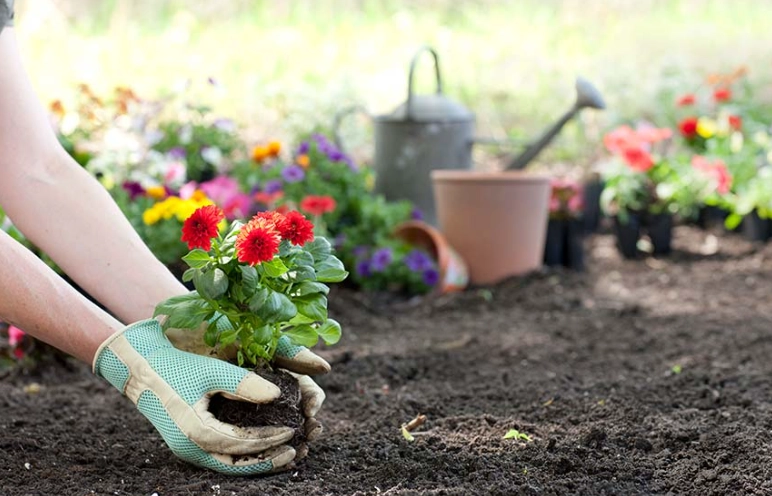
Why bother? Well, beyond the obvious beauty, there's a quiet satisfaction in nurturing something. It's a slow, rewarding hobby. And it doesn't require a huge estate. A few containers on a balcony, a small border by your driveway, or even a windowsill herb planter repurposed for marigolds can be your starting point.
First Things First: Picking Your Floral Partners
This is where most beginners, myself included, trip up. We fall in love with a picture of a delicate lily or a sprawling rose bush without asking the crucial question: is this plant a good fit for my life and my space? Choosing the right plant is 80% of the battle in successful flower planting. Get this wrong, and you're setting yourself up for a constant, frustrating struggle.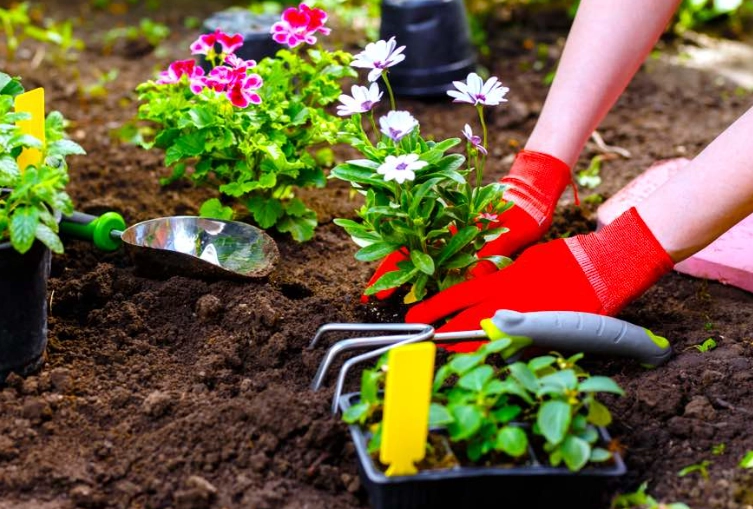
Sunlight: The Non-Negotiable
Plants are solar-powered. It's that simple. Before you buy a single seed packet, become a detective for a few days. Watch your intended flower planting spot. How many hours of direct, unfiltered sun does it get?
- Full Sun (6+ hours): Think zinnias, sunflowers, marigolds, cosmos, lavender. These are the sun-worshippers. Put them in shade, and they'll become leggy and sad, refusing to bloom.
- Partial Sun/Partial Shade (3-6 hours): This is a great, flexible category. Impatiens, begonias, foxgloves, and many types of hydrangeas thrive here. My first successful shade bed was with impatiens—they're almost forgiving to a fault.
- Full Shade (<3 hours): Yes, you can have color in the shade! Hostas (for their foliage), astilbe, bleeding heart, and coleus are champions. Don't try to fight nature by putting a sun-loving plant here; you'll both lose.
Your Climate and Hardiness Zone
This sounds technical, but it's just a map telling you what survives winter in your area. The USDA Plant Hardiness Zone Map is the gold standard here. Find your zone by entering your zip code on the USDA's official website. This number on a plant tag (e.g., "Zones 5-9") tells you if it's a perennial (comes back yearly) in your area or an annual (lives for one season). Trying to grow a zone 10 tropical hibiscus as a perennial in zone 5 is an expensive lesson in disappointment. Trust me, I've paid for that lesson.
Beginner-Friendly Champions
If you're new to flower planting, start with the forgiving ones. These plants are resilient, pest-resistant, and bloom reliably with basic care.
| Flower | Key Traits | Best For | One Quirk |
|---|---|---|---|
| Marigolds | Extremely easy, pest-repellent, long bloom time. | Full sun borders, containers, vegetable garden companions. | Their scent is divisive—some love it, some hate it. |
| Zinnias | Fast-growing from seed, incredible cut flowers, heat-loving. | Cutting gardens, filling empty spaces quickly. | Can get powdery mildew if airflow is poor. |
| Sunflowers | Dramatic, fast, and joyful. Kids love them. | Creating a focal point, attracting birds. | The tall varieties need staking in windy areas. |
| Cosmos | Airy, delicate foliage, self-seeds readily, drought-tolerant. | Cottage gardens, filling in the back of a border. | Can look a bit floppy; plant them close for support. |
| Pansies & Violas | Cold-tolerant, provide color in spring and fall. | Containers, early season color, edging. | They melt in the summer heat. Treat as cool-season annuals. |
The Foundation of Everything: It's All About the Dirt
You wouldn't build a house on sand, right? Well, don't try to grow beautiful flowers in poor soil. This is the most skipped step in home flower planting, and it's the most critical. Good soil isn't just dirt; it's a living, breathing ecosystem that feeds your plants.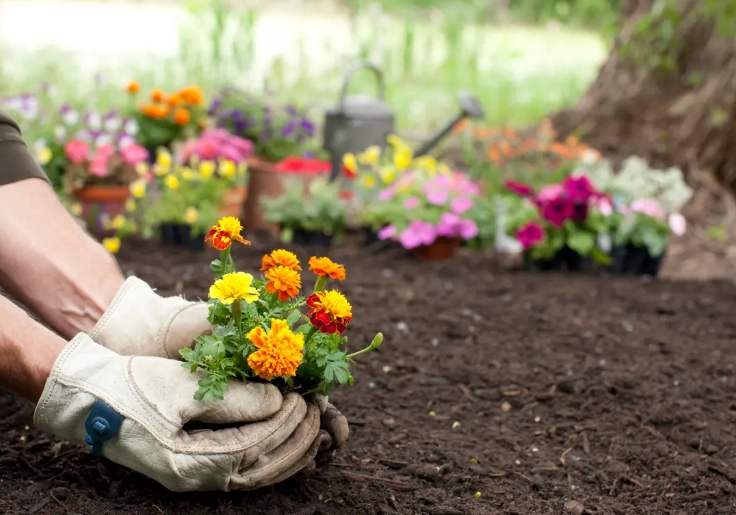
Most of us have either heavy clay (sticky, drains poorly) or sandy soil (dries out too fast). The universal fix is organic matter. Compost is your best friend. It improves drainage in clay and increases water retention in sand.
- Clear the area of weeds and grass. Really dig out the roots.
- Loosen the soil to a depth of at least 12 inches using a shovel or garden fork. Don't just scratch the surface.
- Mix in amendments. For a new bed, spread a 3-4 inch layer of compost or well-rotted manure over the area and mix it thoroughly into your native soil. Bagged garden soil mixes can work for small areas or containers.
- Level it out with a rake, and you're ready.
For container flower planting, never, ever use garden soil from your yard. It compacts and drains terribly in pots. Always use a high-quality, branded potting mix. These are formulated to be light and fluffy. I made the mistake of using backyard soil in my first patio planter, and after one heavy rain, it turned into a solid, sour brick that killed everything inside.
A Quick Word on pH
Soil pH affects how plants access nutrients. Most flowers like a slightly acidic to neutral pH (6.0-7.0). It's worth doing a simple soil test (kits are cheap at any garden center). If your soil is too acidic, you add lime. Too alkaline, you add sulfur. It's not something you need to obsess over every year, but checking once when you start a new bed is smart. Your local cooperative extension office (find yours via the USDA NIFA directory) often provides low-cost soil testing and specific advice for your region.
The Main Event: Planting Day
You have your plants, your bed is prepped. Now for the fun part. Timing matters. For most tender annuals, wait until after the last expected frost in spring. The Old Farmer's Almanac has a good frost date tool. Planting on a cloudy day or in the late afternoon is easier on the plants (and on you).
Planting from Nursery Pots (The Transplant Tango)
- Water the plant in its pot thoroughly a few hours before. A dry root ball is hard to re-wet.
- Dig a hole twice as wide as the pot, but no deeper. The plant should sit at the same level it was in the container. Planting too deep is a common killer.
- Gently remove the plant. Squeeze the pot, turn it upside down, and let the plant slide into your hand. Don't yank it by the stem!
- Tease the roots. If the roots are a dense, circling mat, gently loosen them with your fingers. This encourages them to grow outward into the new soil.
- Place it in the hole, backfill with soil, and firm gently around the base.
- Water deeply. This settles the soil and eliminates air pockets. A good soak is better than a surface sprinkle.
Starting from Seed (The Patient Gardener's Path)
Sowing seeds directly is cheaper and offers more variety. Check the seed packet. Some, like poppies and sweet peas, hate being transplanted. Follow the packet instructions for planting depth and spacing. The key with seeds is consistent moisture until they germinate. Don't let the seedbed dry out.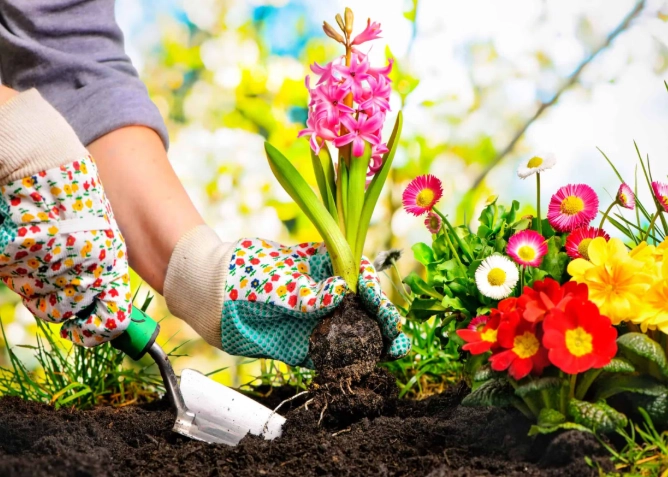
Keeping Them Alive (The Ongoing Relationship)
Planting is a one-day event. Care is the ongoing conversation.
Watering Wisdom
This is the number one question. There's no universal schedule. It depends on weather, soil, and plant. The goal is deep, infrequent watering that encourages roots to grow down. Stick your finger into the soil up to the second knuckle. If it's dry, water. If it's damp, wait. Early morning is the best time to water, as it reduces evaporation and allows foliage to dry, preventing fungal diseases. Overwatering is a more common cause of death than underwatering for many plants—soggy roots rot.
To Feed or Not to Feed?
If you incorporated plenty of compost at planting time, you might not need much extra fertilizer for flowering annuals. For heavier feeders or to boost blooms, a balanced, water-soluble fertilizer (like a 10-10-10) every few weeks during the growing season works. For perennials, a single application of a slow-release fertilizer in early spring is often sufficient. More is not better. Over-fertilizing, especially with high-nitrogen formulas, gives you lots of lush leaves and few flowers.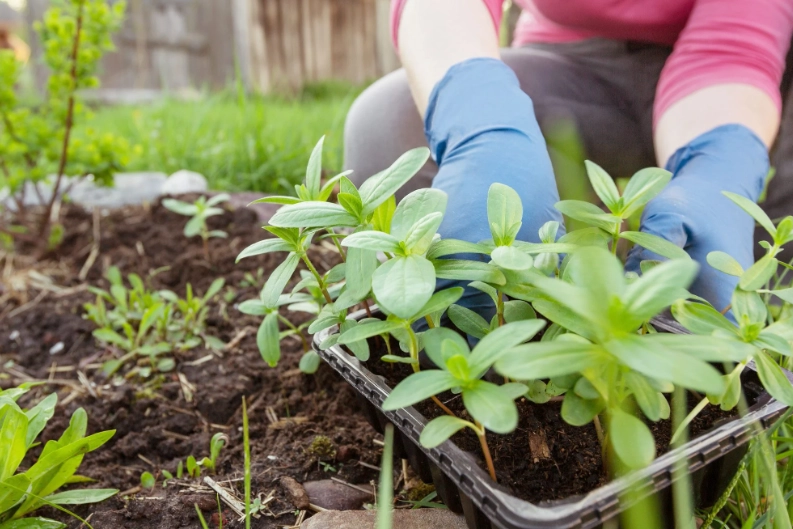
The Dreaded Deadheading
It's simple: snipping off spent flowers. Why? It tells the plant "Don't make seeds, make MORE flowers!" It keeps annuals like petunias and marigolds blooming all season. For some perennials, it can encourage a second, smaller flush of blooms. It's a therapeutic few minutes in the garden with some shears.
Troubleshooting: When Things Go Wrong
Even with the best flower planting plan, issues pop up. Here's a quick diagnostic guide.
- Yellowing Leaves: Could be overwatering, poor drainage, or nutrient deficiency. Check soil moisture first.
- No Flowers, All Leaves: Usually too much nitrogen fertilizer or not enough sun.
- Holes in Leaves: Likely insects like slugs, caterpillars, or beetles. Inspect plants at dusk with a flashlight to find the culprits.
- White Powder on Leaves (Powdery Mildew): A fungal issue worsened by poor air circulation and overhead watering. Thin plants, water at the base, and consider resistant varieties.
Often, the best pest control is a healthy plant and a diverse garden that attracts beneficial insects. The Royal Horticultural Society's pest guide is an excellent, level-headed resource for identifying problems without immediately reaching for harsh chemicals.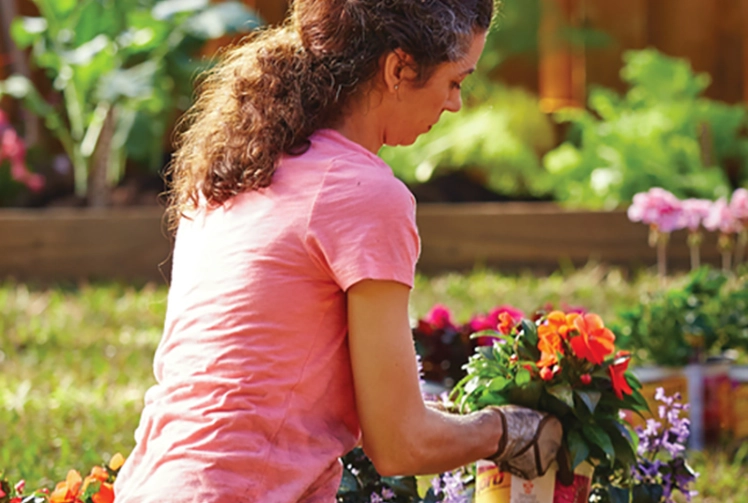
Your Flower Planting Questions, Answered
Wrapping It Up: Your Next Step
The world of flower planting is deep, but you don't need to know it all to start. You just need to start. Pick one easy plant that matches your light, prep your soil with some compost, plant it correctly, and pay attention to it. Listen to what it tells you (drooping? yellowing? thriving?).
My final, unsolicited advice? Don't try to create the cover of a magazine in your first season. Create a small patch of success. Grow a pot of marigolds. Get a sunflower to bloom. That success will fuel your curiosity to learn more, to try a new perennial, to start seeds indoors next winter. Gardening is a journey, not a destination. The mistakes are part of the story. So go get some dirt under your nails. See what happens.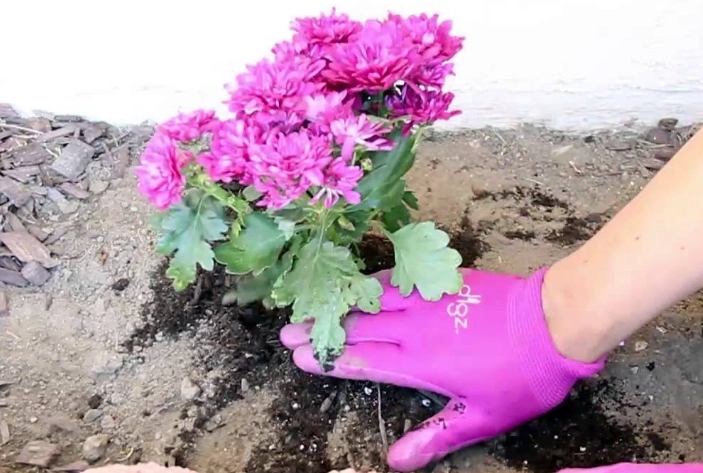
Reader Comments