Your Quick Guide
- The Lifecycle: What a Carrot Plant Looks Like from Start to Finish
- The Critical Details: Leaves, Texture, and Size
- Carrot Plant Look-Alikes: The Good, the Bad, and the Deadly
- What Your Carrot Plant's Look is Telling You (Troubleshooting)
- Variety Spotlight: Does the Look Change?
- Answers to Your Burning Questions
- Final Thoughts: Becoming a Carrot Whisperer
Let's be honest, if you're asking "what does a carrot plant look like," you're probably staring at a patch of soil, squinting at some green stuff, and wondering if you're growing dinner or just a fancy collection of weeds. I've been there. My first carrot patch was a masterpiece of confusion. I watered what I thought were carrots for weeks, only to find out I was nurturing a particularly lush batch of chickweed.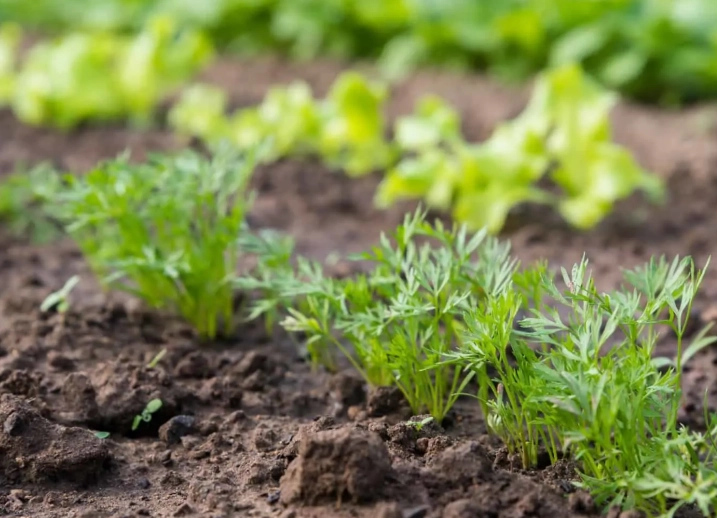
It's not as obvious as you might think. That iconic orange root is hidden underground, playing a shy game of hide and seek. The part you actually see – the leaves, the stems, the overall form – is what you need to learn to recognize. This guide is here to save you from my early mistakes. We'll walk through every stage, from a tiny seed to a full-grown plant, and even touch on what happens if you let it go to seed (spoiler: it gets weird and beautiful). We'll cover the key features, common look-alikes you need to avoid, and what those looks tell you about the health of the root hiding below.
The Lifecycle: What a Carrot Plant Looks Like from Start to Finish
Carrots have a story, and their appearance changes with each chapter. Understanding this progression is the key to never misidentifying them again.
Stage 1: The Seedling (Weeks 1-3)
This is the stage where most confusion happens. Carrot seeds are tiny, and their first leaves (called cotyledons) are not the classic ferny shape. They're simple, narrow, and strap-like. They pop up, two of them, looking utterly unremarkable.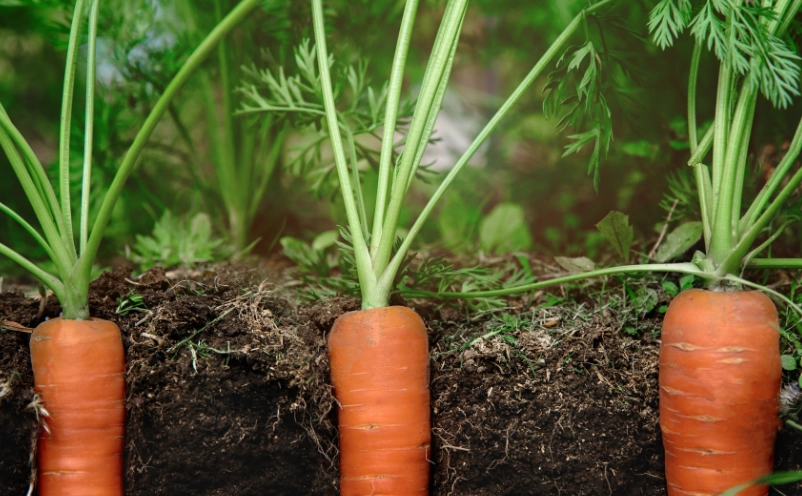
Here's the kicker: a lot of weeds look exactly like this at this stage. You need patience. After the first true leaves emerge, you'll know. The first true leaves are where you get the first hint of that characteristic carrot-top look. They'll be delicate, with a single division, showing you the start of the lacy pattern. It's a subtle shift, but it's the plant whispering its identity.
I remember thinning my seedlings once and accidentally pulling a few true carrots because I was impatient. Now I wait for that first true leaf before I make any big decisions.
Stage 2: The Vegetative Rosette (Weeks 4-12+)
This is the stage you'll be in for most of the growing season, and it's the definitive answer to "what does a carrot plant look like." The plant forms a dense, low-growing cluster of leaves called a basal rosette. No upright, branching stem here. The leaves (fronds) grow directly from the crown of the root.
Let's break down the leaf structure, because it's fascinating:
- Frond: The whole leaf structure you see.
- Petiole: The long, slender stalk that connects the leaf to the root crown. It's often grooved and can have a slight purple or reddish tinge, especially in certain varieties.
- Blade: The green, photosynthetic part. In carrots, this blade is compound and pinnately dissected. Fancy terms for "incredibly divided and feathery." Each primary division (pinna) is further divided into smaller, narrow segments, giving it that airy, fern-like quality.
The overall color ranges from a bright, almost lime green in younger plants to a deeper, richer green as they mature. The texture is soft but not fragile. If you crush a leaf between your fingers, you'll get that unmistakable, fresh carrot-top scent—a great identification test!
Stage 3: Bolting and Flowering (Second Year)
Carrots are biennials. They spend their first year building that tasty root. If you leave them in the ground over winter (or if they get stressed by heat or drought), they'll move to their second-year mission: reproduction. This is when the appearance changes dramatically.
A thick, hairy, solid flower stalk (called a scape) shoots up from the center of the rosette. It can reach 3 to 4 feet tall. The leaves on this stalk are smaller and less divided. At the top, the stalk branches into an umbrella-like cluster called an umbel. This is classic for the Apiaceae family (which includes carrots, parsley, and hemlock—more on that dangerous look-alike later).
The umbel produces hundreds of tiny white or sometimes pale pink flowers. It's actually quite pretty in a wild, Queen Anne's Lace kind of way (because Queen Anne's Lace *is* a wild carrot). After flowering, the umbel dries into a brown, bird's-nest-like structure full of seeds.
The Critical Details: Leaves, Texture, and Size
To really nail down what a carrot plant looks like, you need to become a leaf detective.
Leaf Texture and Feel: Carrot leaves are hairless (glabrous). Run your finger along the leaf stalk and segments. It should feel smooth, not fuzzy or prickly. The segments themselves are slender and delicate.
Plant Size and Form: A healthy carrot plant's rosette can be 12 to 18 inches across, depending on the variety and soil richness. It's a symmetrical, mound-like form. The height of the foliage is usually 8 to 12 inches tall. It's a compact, tidy-looking plant, not a sprawling vine or a tall, upright herb.
Scent: Don't underestimate this tool. Crush a tiny piece of leaf. It should smell distinctly of carrots—fresh, earthy, and slightly sweet. If it smells like nothing, or worse, has a foul or musty odor, it's not a carrot.
Carrot Plant Look-Alikes: The Good, the Bad, and the Deadly
This is the most important section. Mistaking a weed for a carrot is annoying. Mistaking a poisonous plant for a carrot can be catastrophic.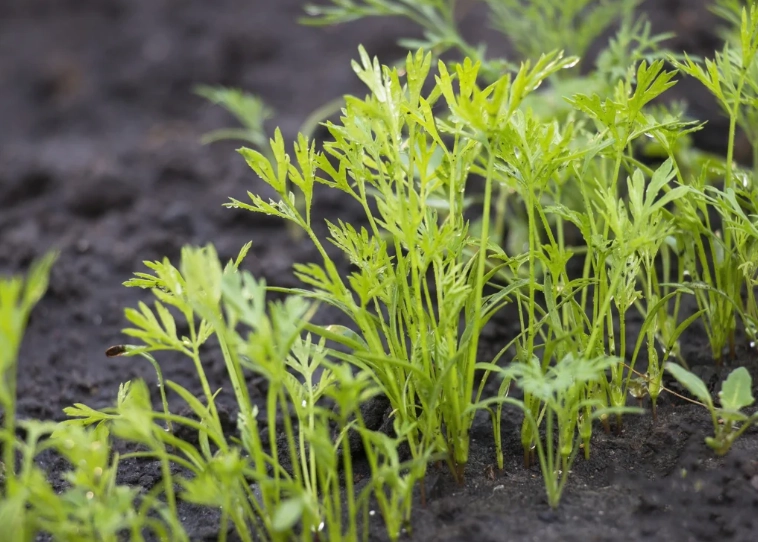
| Plant | Similarities to Carrot | Key Differences | Danger Level |
|---|---|---|---|
| Parsley (Garden Herb) | Fern-like, compound leaves in a rosette. Same family. | Leaves are usually darker green, glossier, and the segments are broader and less hair-thin. Smells like parsley, not carrot. Often has a more upright growth habit early on. | None (Edible) |
| Cilantro/Coriander (Early Stage) | Young seedlings and leaves can look similar. | Cilantro leaves are more rounded (like parsley) when mature. The scent is definitive—crush a leaf. It will smell like cilantro, not carrot. | None (Edible) |
| Queen Anne's Lace (Wild Carrot) | Almost identical foliage, especially when young. It's the wild ancestor of the cultivated carrot. | Mature flower umbel often has a single dark purple/red flower in the center. The stem is usually hairy and solid green. The root is white, thin, and woody. Smells carroty. | Low (Root is inedible, but not highly toxic) |
| Poison Hemlock (Conium maculatum) | Fern-like, compound leaves. Similar-looking flower umbels. | THIS IS FATAL. Stem is hairless and has distinctive purple or reddish blotches/spots. Grows much taller (6-10 ft) in first year. Crushed leaves smell musty, like mouse urine or parsnips, NOT carrots. | EXTREME (All parts are deadly poisonous) |
| Fool's Parsley (Aethusa cynapium) | Fine, lacy leaves. Looks deceptively delicate. | Has tiny, drooping greenish-white flowers and leaf-like structures (bracts) hanging beneath the flower umbels. Smells unpleasant when crushed. | High (Poisonous) |
What Your Carrot Plant's Look is Telling You (Troubleshooting)
The appearance of the tops is a direct health report for the roots below. Here's how to read it.
- Stunted, Yellowish, or Reddish Leaves: Often a sign of poor nutrition. Carrots are moderate feeders. Yellowing (chlorosis) can indicate a nitrogen deficiency. A reddish or purplish tint can be a phosphorus deficiency or sometimes a reaction to cold weather.
- Wilting Leaves (in moist soil): Check for root damage. Could be from pests like carrot rust fly larvae or root-knot nematodes tunneling underground.
- Twisted, Distorted, or Yellow-Mottled Leaves: Could be a sign of viral disease or infestation by aphids, which can transmit viruses.
- White, Powdery Coating on Leaves: That's powdery mildew, a fungal disease common in late summer. It usually doesn't kill the root but weakens the plant.
- Leggy, Sparse Growth: The plant is reaching for light. They were likely planted too close together or in too much shade. Thin them out to give each plant space and ensure they get full sun.
Variety Spotlight: Does the Look Change?
Most carrot varieties have very similar foliage. The main differences are in the root (shape, color, size). However, there are subtle variations in the tops:
- Nantes & Danvers Types: Your classic, feathery green foliage.
- Imperator Types: Often have slightly more vigorous, taller tops.
- Purple or Red Carrots: Sometimes, but not always, the leaf stalks (petioles) and veins will have a purple or reddish tint, hinting at the color hidden below.
- ‘Paris Market’ or Round Carrots: The tops might be slightly smaller and more compact, matching the shorter root.
For authoritative information on carrot cultivars and their characteristics, the Royal Horticultural Society's vegetable guide is an excellent resource.
Answers to Your Burning Questions
Final Thoughts: Becoming a Carrot Whisperer
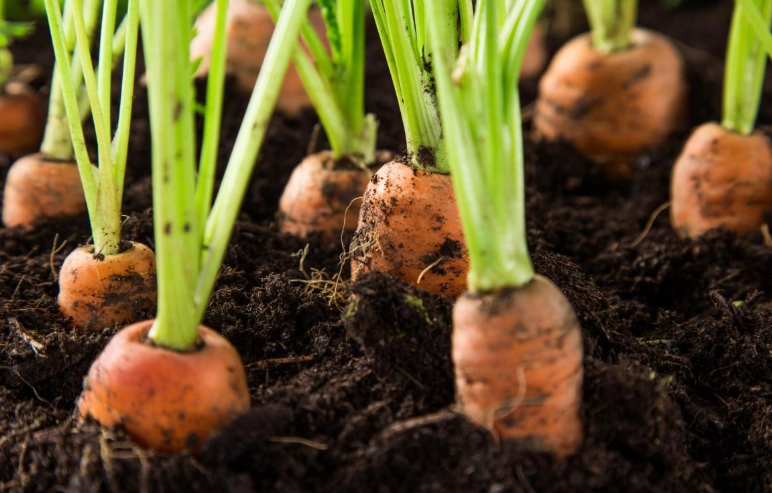
Learning what a carrot plant looks like is about moving from uncertainty to confident recognition. It starts with that fragile seedling, grows into the beautiful, lacy rosette that's the workhorse of the garden, and can transform into a towering, flower-covered beacon if you let it.
The next time you're in the garden, take a close look. Observe the way the leaves branch. Crush a tiny piece and inhale that green, earthy scent. Notice how the plant sits in the soil. That connection—between the visible tops and the hidden root—is the heart of growing them successfully.
It demystifies the process. You're not just watering dirt and hoping. You're tending to a specific, recognizable plant with clear needs and clear signals. And when you finally pull that perfect, crisp carrot from the earth, you'll know exactly what to thank: that unassuming, feathery green top that told you it was there all along.
Reader Comments