Quick Guide
- Why Bother with Raised Beds? The Good, The Bad, and The Realistic
- Planning Your Raised Bed Garden: Don't Skip This Part
- Choosing Materials: A No-Nonsense Comparison
- The Build: A Simple, Sturdy Method
- The Heart of the Matter: Soil and Filling Your Raised Bed Garden
- What to Grow and How to Plant It
- Ongoing Care and Maintenance
- Common Raised Bed Garden Questions Answered
Let's be honest, gardening can be tough on the back. Bending over for hours, dealing with rocky or clay-heavy native soil, and battling relentless weeds – it's enough to make anyone think twice. That's where the magic of raised bed gardens comes in. I remember my first attempt at a traditional in-ground plot. It was a fight against the local clay, which turned to concrete in summer and swamp in spring. The yield was pathetic. Then I built my first raised bed, and it felt like I'd unlocked a cheat code for gardening.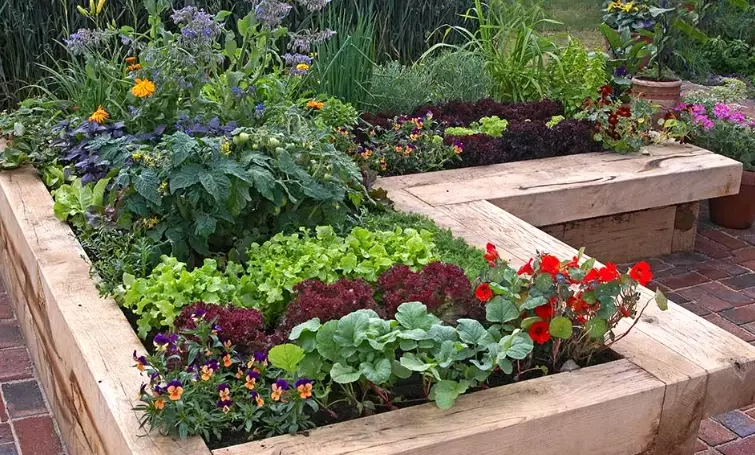
Raised bed gardening isn't just a trend; it's a fundamental shift in how you grow food and flowers. It's about creating a controlled, optimized environment above the existing ground. Think of it as a giant, open-topped planter box that you fill with perfect soil. The benefits are real and immediate. But it's not all sunshine and rainbows – there are trade-offs, costs, and decisions to make. I've made my share of mistakes (using the wrong wood, skimping on soil depth), so you don't have to. This guide is the one I wish I had when I started.
Why Bother with Raised Beds? The Good, The Bad, and The Realistic
Before you buy a single board or bag of soil, you should know exactly what you're signing up for. Raised garden beds solve a lot of problems, but they introduce a few of their own.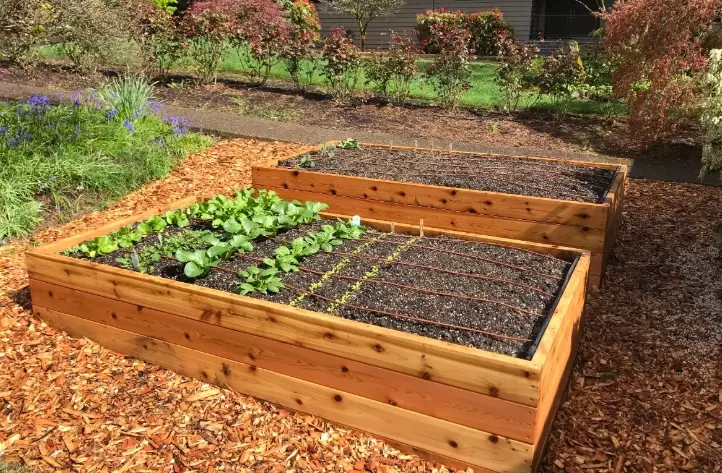
The Undeniable Upsides
First, the soil. This is the biggest win. You start fresh with a loose, deep, fertile, and weed-free growing medium. You're not fighting your yard's native conditions. For those with heavy clay, pure sand, or contaminated soil, this is a game-changer. The soil in a raised bed warms up faster in spring, letting you plant earlier. It also drains exceptionally well, preventing waterlogging – a common killer of plant roots.
Then there's the ergonomics. By raising the growing surface, you drastically reduce the need to bend and kneel. You can build them to a height that works for you, even making them accessible for wheelchair users or those with significant mobility issues. Weeding, planting, and harvesting become leisurely activities, not back-breaking chores.
Control and efficiency are huge factors. Raised beds create a defined space. This makes it easier to implement intensive planting, succession sowing, and companion planting. Water, compost, and fertilizer go exactly where they're needed, with less waste. The defined edges also help keep grasses and invasive weeds from creeping in.
The Downsides You Need to Consider
Now, the other side of the coin. The initial cost and effort are higher. You need materials for the frame and a significant volume of soil to fill it. This isn't cheap. A raised bed garden also dries out faster than the ground, especially in hot, windy weather. This means more frequent watering is non-negotiable during dry spells. You're essentially caring for a large container.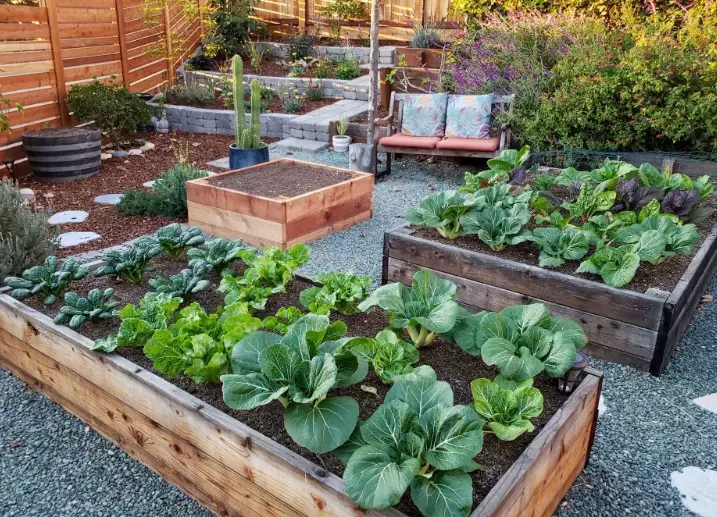
Some folks also worry about the aesthetics of wooden or metal boxes in their yard. I think they look tidy and intentional, but it's a personal preference. Finally, in very cold climates, the soil in raised beds can freeze more solidly than in-ground soil, which can affect overwintering perennials.
So, is it worth it? For most gardeners, especially beginners or those with poor soil, the answer is a resounding yes. The long-term benefits in yield and reduced labor far outweigh the setup costs.
Planning Your Raised Bed Garden: Don't Skip This Part
Jumping straight to building is a recipe for regret. A little planning saves a ton of frustration later.
Location is everything.
Your plants need sun – most vegetables require at least 6 to 8 hours of direct sunlight daily. Watch your potential spot over a day or two. Avoid low-lying areas where water pools. Proximity to a water source is critical. Dragging a hose 100 feet gets old fast. Also, think about convenience. If it's easy to get to, you'll visit it more often.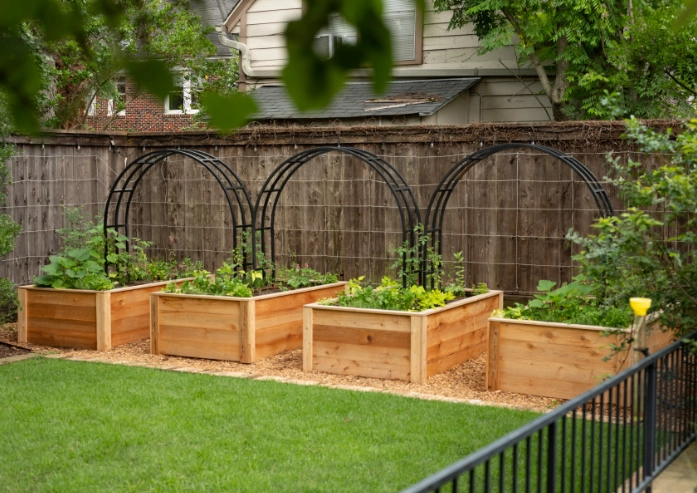
Size and Shape: The Goldilocks Principle
This is where most first-timers go wrong. They build a bed that's too wide to reach the middle comfortably.
- Width: If you can access the bed from both sides, keep it under 4 feet wide. If it's against a wall or fence, keep it under 2.5 feet. You must be able to reach the center without stepping on the soil.
- Length: This is flexible, but very long beds can feel unwieldy. Breaking a long run into multiple 6-8 foot sections often looks and functions better.
- Height: A standard height is 11-12 inches. This is sufficient for most crops. For root vegetables like carrots or for incredible ease on your back, go for 18-24 inches. My main beds are 18 inches high, and my back thanks me daily.
Shape is up to you. Rectangles are most efficient. Avoid making intricate shapes with narrow corners that are hard to cultivate.
Choosing Materials: A No-Nonsense Comparison
What you build your raised bed garden frame from matters for longevity, cost, and even plant health. Here’s a breakdown of the most common options.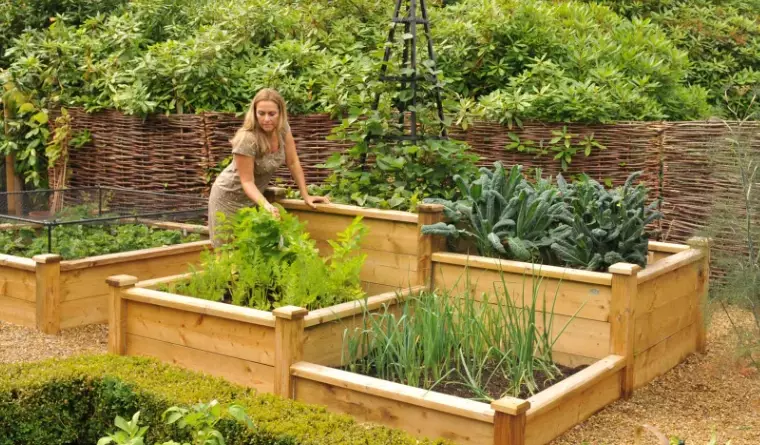
| Material | Pros | Cons | Best For | Lifespan Estimate |
|---|---|---|---|---|
| Untreated Softwood (Pine, Fir) | Inexpensive, easy to work with, readily available. | Rots quickly (3-7 years). May require lining. | Budget projects, temporary beds, testing layouts. | 3-7 years |
| Naturally Rot-Resistant Hardwood (Cedar, Redwood) | Beautiful, naturally resists decay and insects, safe for edibles. | Expensive. Can be hard to find sustainably sourced. | Long-term, aesthetically pleasing beds. The classic choice. | 10-20+ years |
| Pressure-Treated Lumber (Modern) | Very affordable, highly rot-resistant, widely available. | Controversy over chemical leaching (though modern treatments are considered safe). Some gardeners avoid it for edibles. | Long-lasting beds for ornamentals or with a protective liner for edibles. | |
| Composite Lumber | Extremely long-lasting, no rotting, often made from recycled materials. | Highest upfront cost. Can get hot in full sun. Less structural rigidity. | Ultra-low maintenance, permanent installations. | 25+ years |
| Corrugated Metal (Galvanized Steel) | Modern, industrial look. Very durable. Warms soil quickly. | Edges can be sharp. Can get very hot in summer sun, potentially stressing plant roots on the edges. | Contemporary garden styles, beds needing rapid spring warming. | 20+ years |
| Concrete Blocks or Bricks | Permanent, sturdy, provides thermal mass. Hollow blocks can be planted in. | Heavy to move. Can alter soil pH (concrete is alkaline). Less flexible design. | Very permanent, fire-resistant beds in dry climates. | Permanent |
The Build: A Simple, Sturdy Method
You don't need to be a master carpenter. A basic rectangular frame is dead simple.
Tools and Materials You'll Need
- Lumber (e.g., 2"x12"x8' boards for sides)
- 4x4 posts for corner braces (if building tall beds)
- Exterior-grade screws (deck screws are perfect)
- Power drill/driver
- Level
- Tape measure
- Circular saw or hand saw (if cuts are needed)
- Weed barrier fabric (optional, for the bottom)
- Staple gun (if using fabric)
Cut your boards to the desired length. Assemble the frame on a flat surface. Pre-drill holes to prevent the wood from splitting, especially near the ends. Screw the corners together. For beds over 12 inches tall, I strongly recommend using a 4x4 post cut to the bed's height at each interior corner. Screw the side boards into this post for incredible stability – it prevents the sides from bowing out under the weight of the soil.
Site prep is key. Clear the area of grass and weeds. You can lay down a layer of cardboard (overlap the edges well) or a permeable weed barrier fabric to smother any growth underneath. This isn't strictly necessary, but it saves weeding headaches later. Place your assembled frame and use a level to make sure it's sitting evenly. A little shimming under a low corner with a flat stone works fine.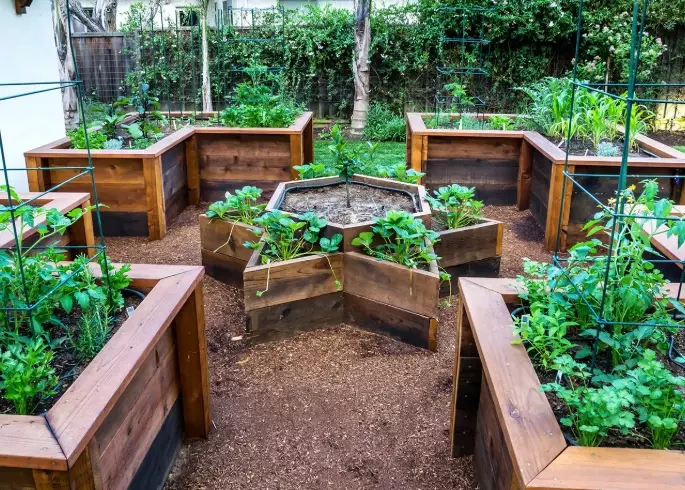
The Heart of the Matter: Soil and Filling Your Raised Bed Garden
This is your single most important investment. Don't skimp here. Do not just shovel dirt from your yard into the frame. You'll have created a glorified, confined version of your old problem.
You need a large volume of well-draining, nutrient-rich mix. Buying bagged potting mix is prohibitively expensive for a large bed. The solution is to make your own bulk mix or order a delivery from a local landscape supply company.
A classic, reliable soil recipe for raised bed gardens:
- 50% High-Quality Topsoil: This is the bulk filler. Get screened topsoil from a reputable supplier, not “fill dirt.”
- 30% Compost: This is the life and fertility. Use a mix of sources if possible – homemade plant-based compost, well-rotted manure (like cow or chicken), and mushroom compost. This diversity feeds the soil food web.
- 20% Aeration Material: This is for drainage and fluff. Coarse horticultural sand (not playground sand), perlite, or vermiculite are perfect.
Mix these components thoroughly on a tarp before shoveling them into the bed. Fill the bed to within an inch or two of the top, as the soil will settle. Don't pack it down. The result should be a dark, crumbly, beautiful soil that you can sink your hands into.
Resources like your local university cooperative extension service often have guides on soil testing and amendments specific to your region, which is invaluable.
What to Grow and How to Plant It
The beauty of raised bed gardens is that you can grow almost anything. The deep, loose soil is paradise for plant roots.
Top Performers in Raised Beds
- Leafy Greens: Lettuce, kale, spinach, Swiss chard. You can harvest them as "cut-and-come-again" for months.
- Root Crops: Carrots, radishes, beets, parsnips. The deep, stone-free soil lets them grow straight and long.
- Tomatoes, Peppers, Eggplants: They love the warm, well-drained soil. Support them with cages or stakes.
- Compact Squash & Cucumbers: Look for bush varieties or train vining types up a trellis attached to the bed.
- Herbs: All culinary herbs thrive. Perennials like rosemary, thyme, and oregano will establish nicely at the bed's edge.
Avoid planting large, sprawling plants like standard pumpkins or sweet corn in a standard raised bed, as they will take over and shade out everything else. They need their own space.
Planting Strategies for Maximum Yield
Forget about planting in single rows with wide paths. In raised bed gardening, you use intensive spacing. Plants are spaced just far enough apart so that their leaves will lightly touch at maturity, forming a living mulch that shades out weeds and conserves moisture.
Use vertical space. Attach a trellis, netting, or cage to the north side of the bed to grow peas, beans, cucumbers, and small melons. This frees up ground space for other crops.
Practice succession planting. When one crop is finished (like spring radishes), pull it out and immediately plant something else in that space (like bush beans for summer). This keeps the bed productive all season.
Companion planting can help. For example, planting basil near tomatoes is said to improve flavor and repel pests. Marigolds scattered throughout can deter nematodes.
Ongoing Care and Maintenance
Raised beds are low-maintenance, but not no-maintenance.
Watering: This is the big one. They dry out fast. In the heat of summer, you may need to water every day. Soaker hoses or drip irrigation laid on the soil surface under mulch are absolute game-changers. They deliver water directly to the roots with zero waste and save you hours of time. I installed a simple drip system connected to a timer, and it was the best gardening investment after the beds themselves.
Feeding: Your initial compost will feed the plants for the first season. After that, you need to replenish nutrients. Top-dress with an inch or two of fresh compost each spring and fall. You can also use organic fertilizers like fish emulsion or kelp meal during the growing season for heavy feeders like tomatoes.
Weeding: You'll have far fewer weeds. The ones that do appear (from wind-blown seeds) are easy to pull from the loose soil. A light layer of straw, shredded leaves, or wood chip mulch on the soil surface will suppress weeds even further and retain moisture.
End-of-Season Care: In fall, pull spent plants. Add a layer of compost. You can plant a cover crop like winter rye to protect the soil, or simply cover the bed with cardboard or leaves. Avoid leaving the soil bare to the elements.
Common Raised Bed Garden Questions Answered
Can I put a raised bed garden on concrete or a patio?
Absolutely. This is a fantastic way to garden on hardscapes. Just ensure the bed is deep enough (at least 12 inches, more for larger plants) and has excellent drainage. Drill a few holes in the bottom if you're using a solid container-like structure, or simply ensure the frame is open at the bottom. Be mindful of water runoff on the patio.
How deep should a raised bed garden be for tomatoes?
Tomatoes are deep-rooted. For optimal growth, aim for a soil depth of at least 18 inches. 12 inches can work for determinate (bush) varieties, but deeper is always better for root development, moisture access, and stability.
Do I need to line the bottom with plastic or landscape fabric?
It's a common practice but not always necessary. A permeable landscape fabric can help suppress persistent weeds like bermuda grass from coming up. Do not use solid plastic, as it will create a bathtub effect and drown your plants' roots. If you have gophers or voles, a hardware cloth (metal mesh) lining on the bottom and sides is a great defense.
What about crop rotation in a raised bed?
It's just as important. Don't plant the same family of plants (e.g., tomatoes, peppers, eggplant are all nightshades) in the same spot year after year. It depletes specific nutrients and can build up soil-borne diseases. Keep a simple garden journal to track where you planted things each year and rotate them around your beds.
Are raised bed gardens worth it for flowers?
100%. They create perfect drainage for cut flowers like zinnias, cosmos, and dahlias. You can create stunning, controlled displays and keep aggressive spreaders contained. The weed control alone makes it worthwhile for ornamental gardening.
The ultimate goal of any raised bed garden isn't just to grow plants—it's to grow soil. That dark, crumbly, living ecosystem you create is the real treasure. The abundant harvests are just the delicious byproduct.
Starting a raised bed garden might seem like a project, and it is. But it's a one-time project that yields benefits for years. It turns gardening from a battle against your environment into a collaborative partnership. You control the foundation, and the plants respond with vigor. Whether you're growing a salsa garden on an apartment balcony or turning your backyard into a vegetable paradise, building a raised bed is the most effective first step you can take.
Get the location right, build it sturdy, fill it with incredible soil, and then just add plants, water, and a bit of attention. You'll be amazed at what grows.
Reader Comments