Let's be honest. Walk into any garden center, and the wall of shiny new tools is overwhelming. You could easily drop hundreds on gadgets you'll use once. After helping dozens of friends set up their first gardens and making plenty of my own costly mistakes, I've learned that success doesn't come from having every tool. It comes from having the right ones. This isn't about a shopping list. It's about understanding which few tools do 90% of the work reliably, season after season. Forget the flimsy stuff that snaps in tough soil. We're talking about the foundational must have garden tools that turn effort into enjoyment.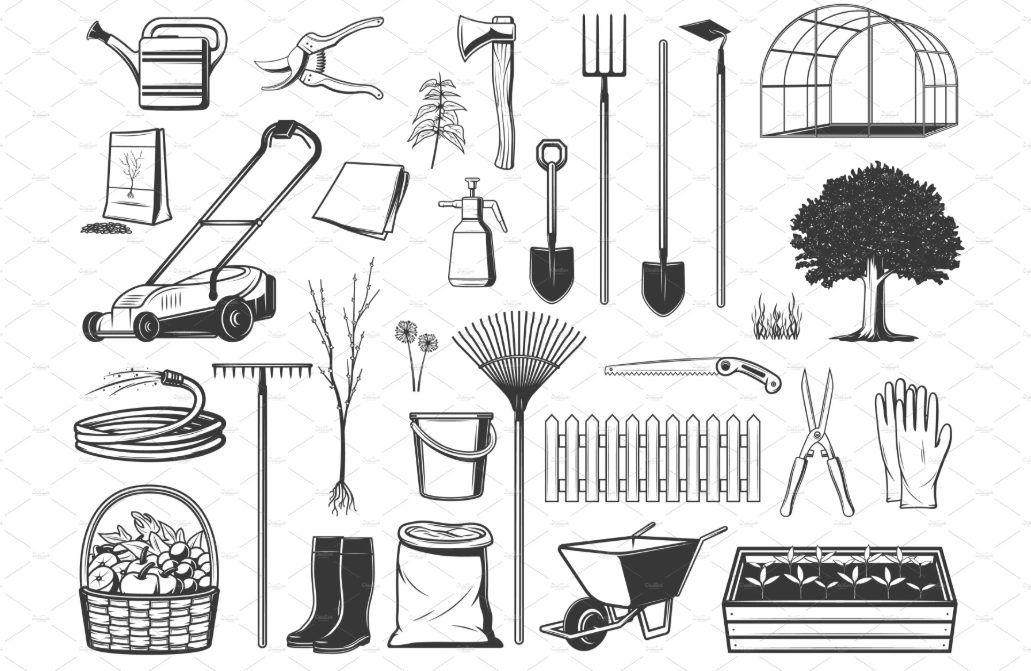
What You'll Find in This Guide
I remember buying a cheap, brightly colored hand trowel my first year. It bent planting a modest tomato seedling. That moment taught me more about essential gardening tools than any catalog ever did. Quality isn't a luxury; it's a time and money saver. The right tool feels like an extension of your hand, not a fight against poor design. Below, we break down the five non-negotiable categories. I'll explain what to look for, common pitfalls, and how to use them effectively.
1. The Indispensable Hand Trowel
If you only buy one tool, make it a great hand trowel. This is your go-to for planting, transplanting, digging small holes, and scooping soil. Most people get this wrong by choosing based on cute handles or low price.
How to Choose the Right Hand Trowel
Look for a single piece of forged stainless steel or carbon steel from the blade through the socket (the part where the handle attaches). Avoid trowels where a thin metal blade is just riveted onto a shank—they snap. The handle should fill your palm comfortably. I prefer ergonomic, slightly soft-grip handles for long planting sessions. The Royal Horticultural Society (RHS) often recommends brands with this one-piece forged construction for durability.
A sharp, slightly curved blade is versatile. A pointed tip helps with digging, while a squared-off edge can be used for scooping and slicing through minor roots. Don't underestimate weight and balance. A trowel that's too heavy or blade-heavy will fatigue your wrist quickly.
2. The Garden Fork: Your Unsung Workhorse
New gardeners often skip the garden fork, thinking a spade is enough. That's a mistake. A fork is for loosening, turning, and aerating soil without slicing through the precious structure and earthworm networks. It's also unbeatable for lifting clumps of perennials, digging up root vegetables, and breaking up compacted ground.
What Makes a Quality Garden Fork?
You want four sturdy, slightly curved, square-section tines. Round tines don't penetrate hard soil as well. The handle length is critical. A standard D-handle fork (about 30 inches total) is perfect for most raised beds and border work. If you have a larger vegetable plot or don't want to bend as much, invest in a long-handled fork (often called a digging fork). The extra leverage is a back-saver.
The joint between the head and shaft must be solid. A forged head with a closed socket that the shaft is riveted into is the gold standard. I've had a cheap fork where the head simply twisted on the shaft—utterly useless.
3. Quality Pruning Shears for Precision
Also called secateurs or hand pruners, this tool is for cutting, not hacking. You'll use them for deadheading flowers, harvesting vegetables, snipping herbs, and pruning small branches up to about ¾ inch thick. Bad pruners crush stems, leaving ragged wounds that invite disease.
There are two main types: bypass and anvil. Bypass pruners work like scissors, with two curved blades passing each other for a clean cut. These are best for live, green growth. Anvil pruners have one sharp blade that closes onto a flat metal plate. They're better for dead, dry wood. For your first and primary pair, choose bypass pruners.
Expert Tip: The number one mistake with pruning shears is trying to cut wood that's too thick. You'll strain the mechanism, notch the blade, and likely hurt your hand. For anything thicker than your finger, step up to loppers or a pruning saw. Good pruners are for finesse, not force.
4. Choosing a Garden Hoe for Weed Control
The hoe is your primary defense against weeds. But not all hoes are the same. The classic American stirrup hoe (or scuffle hoe) is a game-changer. You push and pull it just under the soil surface, slicing weed roots without disturbing your plants' deeper roots. It's efficient and saves your back from constant bending.
For heavier work, like breaking new ground or creating planting furrows, a sturdy draw hoe with a rectangular blade is better. Consider your garden's main need. If weeding is your biggest battle (and whose isn't?), the stirrup hoe is arguably the more essential gardening tool in this category.
5. Watering Tools for Efficiency
This is a category, not a single item. Proper watering is crucial, and the right tool makes it easy. You need two things:
- A Watering Can with a Removable Rose: The "rose" is the sprinkler head. A fine rose delivers a gentle, rain-like shower perfect for seedlings and delicate plants. A can without a rose is good for direct watering at the base of established plants. Look for a balanced can you can carry when full.
- A Quality Hose & Adjustable Nozzle: A kink-resistant hose is worth every penny. Pair it with a nozzle that offers multiple settings—from a gentle shower to a jet stream for cleaning paths. A pistol-grip nozzle with a lever you can lock is easiest on your hand.
Drip irrigation is a fantastic upgrade, but for beginners, mastering the can and hose is the essential first step.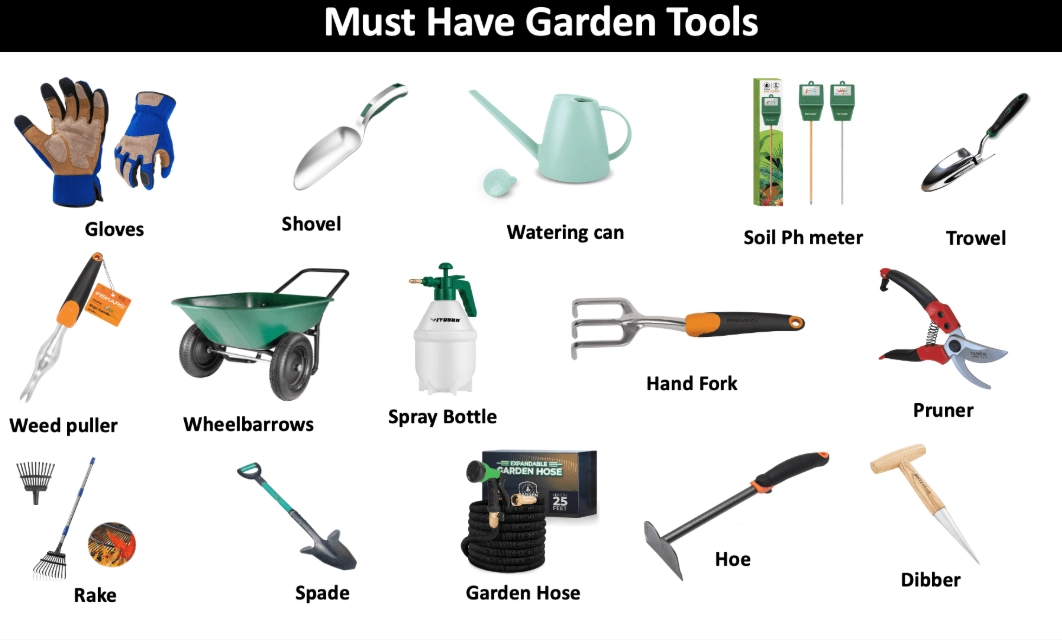
The Core Five: A Quick Comparison
| Tool | Core Use | Key Feature to Look For | Budget vs. Invest |
|---|---|---|---|
| Hand Trowel | Planting, transplanting, digging small holes | Forged one-piece construction | Invest. A $5 trowel will fail. |
| Garden Fork | Loosening soil, lifting plants/roots | Square-section, curved tines; solid head-shaft joint | Invest. Get a mid-range forged model. |
| Pruning Shears | Precise cutting, deadheading, harvesting | Bypass mechanism; comfortable grip | Invest. Blades stay sharp, mechanism lasts. |
| Garden Hoe | Weeding, soil surface cultivation | Stirrup (scuffle) design for easy weeding | Mid-range. Simpler design, but avoid flimsy metal. |
| Watering Can & Hose | Efficient, targeted watering | Removable rose; kink-resistant hose | Mid-range. Prioritize function over fancy looks. |
Tool Maintenance & Care
Buying the right must have garden tools is only half the battle. Neglecting them is a huge, common error. Clean soil off after each use. A quick wipe with an oily rag (vegetable oil works) on metal parts prevents rust. Sharpen blades regularly—a dull hoe or pruner makes work ten times harder. Store them dry, out of the rain. Hanging them on a wall in a shed is ideal. This simple care routine doubles or triples a tool's life.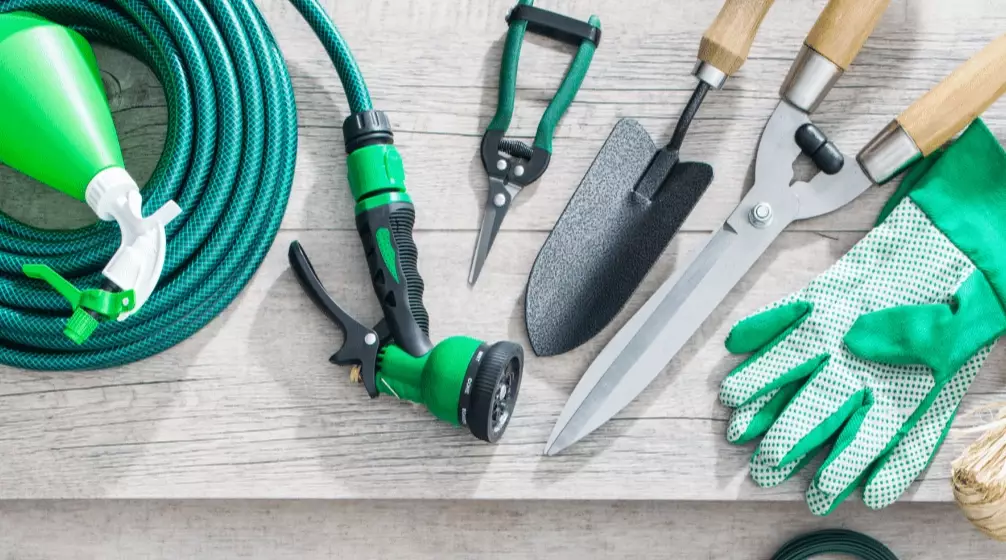
Your Garden Tool Questions Answered
Do I really need a garden fork if I have a spade?
They serve different purposes. A spade is for digging clean-edged holes, edging, and moving piles of soil or compost. It slices and displaces. A fork is for loosening and aerating existing soil, lifting plants with minimal root damage, and breaking up clumps. It preserves soil structure. For general bed preparation and cultivation, the fork is often the more useful tool. Try using a fork to loosen soil before planting with your trowel—you'll feel the difference.
What's the most common mistake beginners make when buying their first set of tools?
Buying a pre-packaged, colorful "beginner's set" from a big-box store. These sets almost always include poor-quality versions of the essentials and filler items you'll never use (like tiny rakes). The metal is thin, the handles are uncomfortable, and they break under real use. You're better off buying one or two high-quality tools from the list above each season. Start with a hand trowel and pruning shears, then add a fork or hoe next.
Are expensive brand-name tools always better?
Not always, but there's a strong correlation. Brands like Felco, Fiskars (their forged lines), and Corona have reputations for quality because they use better steel, better ergonomics, and more durable construction. You're paying for materials and design that reduce fatigue and last decades. However, do your research. Some mid-tier brands offer excellent value. Read reviews focusing on durability and comfort, not just initial impressions.
 How often should I sharpen my garden tools?
More often than you think. For pruners, a quick hone with a sharpening stone every few hours of use keeps them slicing cleanly. For hoes and spades, a file pass at the start of each major gardening season (spring and fall) is a minimum. A sharp tool requires less force, is safer, and does a better job. Dull tools tear plant tissue and make soil work exhausting.
What's one tool I should avoid as a beginner?
A heavy, gas-powered tiller for a small garden. It destroys soil structure, brings weed seeds to the surface, and kills earthworms. For most home gardens, manual tools like the fork and hoe are sufficient for soil preparation. If you have a large area, consider a lightweight electric tiller or, better yet, sheet mulching (lasagna gardening) to build soil without disruptive tilling. The U.S. Environmental Protection Agency (EPA) notes that gas-powered garden equipment can be a significant source of emissions, so manual tools are a more sustainable choice anyway.
Building your collection of must have garden tools doesn't happen overnight. Start with the tool that matches your most immediate task—probably a trowel for planting or a weeding hoe. Feel the difference quality makes. That positive feedback loop—good tool, easier work, better results—is what turns gardening from a chore into a passion. Now go get your hands dirty with the right help.
Reader Comments