If you think pruning just means hacking away at branches with shears, you're missing the entire point. I've seen too many gardeners, eager to "do something" for their plants, turn a healthy shrub into a sad collection of stumps. Pruning isn't about cutting. It's about strategically guiding growth. It's a conversation with the plant, where you remove specific parts to direct its energy, shape its future, and solve problems before they start. Done right, it's the single most impactful thing you can do for a plant's health and appearance. Done wrong, it sets you back years.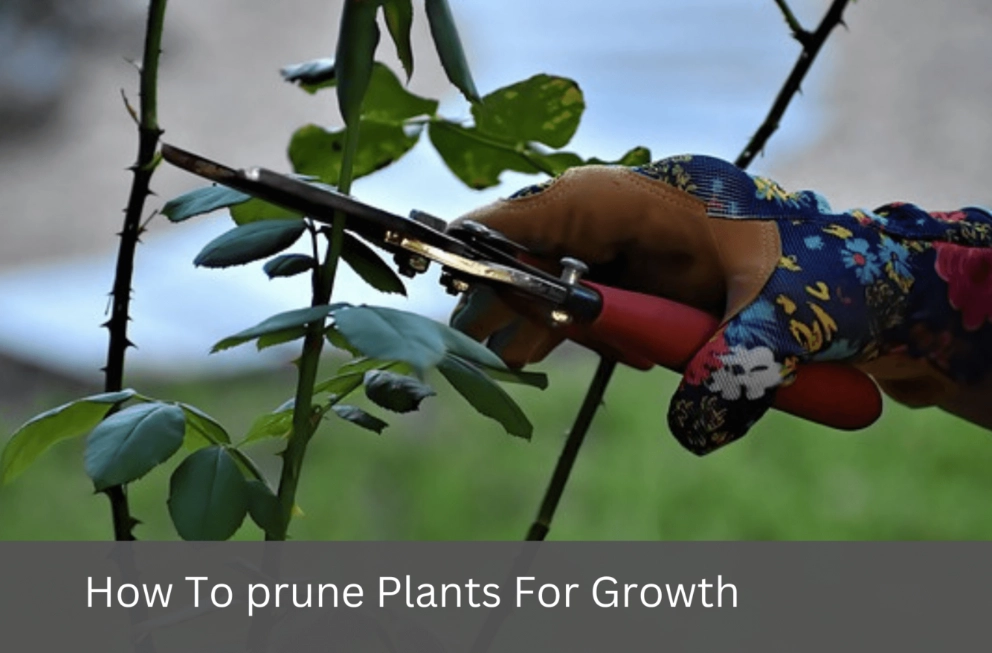
What You'll Learn
Why Pruning is Essential (Beyond Just Good Looks)
Sure, pruning makes plants look tidy. But that's a side effect. The core reasons are physiological.
Think of a plant's sap as its budget. It has a finite amount of energy and nutrients to spend. Every leaf, every branch, every flower is a line item. Pruning is you, the CFO, deciding to cut funding from underperforming or redundant departments (like deadwood, crossing branches, or suckers) and reallocating that budget to the high-priority projects—bigger flowers, sweeter fruit, denser foliage.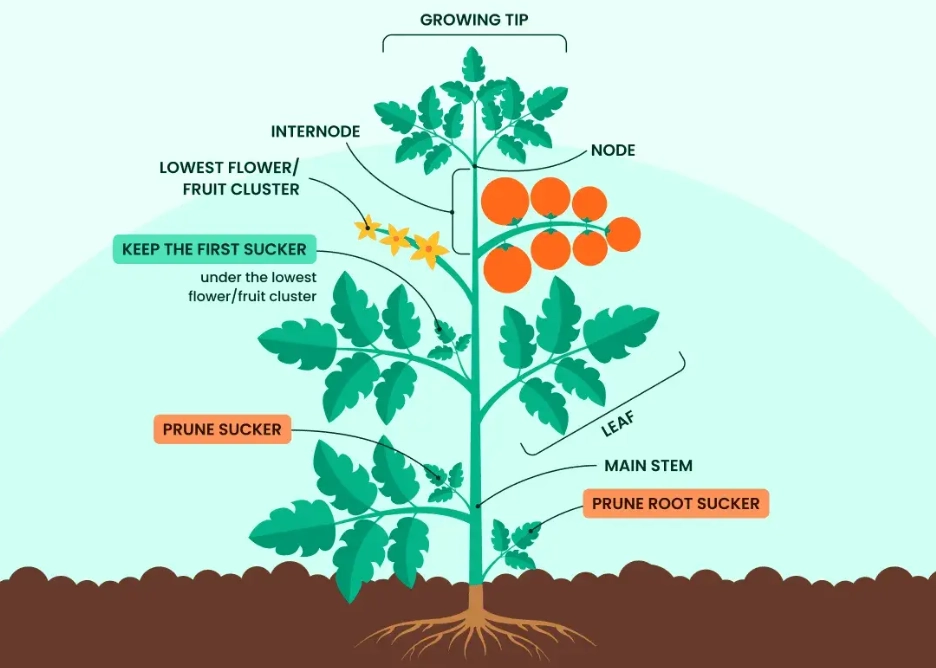
Here’s what that budget reallocation achieves:
- Health First: Removing dead, diseased, or damaged wood stops problems from spreading. It opens up the plant's interior, allowing light and air to penetrate. This reduces humidity that fungi love, dramatically cutting down on diseases like powdery mildew or black spot. The Royal Horticultural Society consistently emphasizes this as the primary hygiene reason for pruning.
- Controlled Growth: You're not at the mercy of the plant's whims. A shrub threatening to swallow a window? A fruit tree growing too tall to harvest? Pruning lets you manage size and shape for your space.
- Better Flowers & Fruit: For many plants, pruning stimulates new growth, which is where the best blooms and fruit are produced. Old, unpruned blueberry bushes, for example, produce tiny fruit on old wood. Pruning forces vigorous new canes that will bear heavily the following year.
- Safety & Structure: Weak, crossing branches rub together, creating wounds and weak points. In a storm, these are the first to fail. Pruning for strong structure—creating a main leader with well-spaced lateral branches—builds a resilient plant.
The Right Tools for the Job (And How to Keep Them Sharp)
Using dull or the wrong tools is where most beginners fail. A dull blade crushes and tears plant tissue, leaving a ragged wound that's slow to heal and an open door for infection. It's like performing surgery with a rusty spoon.
Here’s the basic toolkit, ranked by necessity:
| Tool | Best For | Key Feature to Look For | Maintenance Tip |
|---|---|---|---|
| Bypass Hand Pruners (Secateurs) | Precision cuts on stems up to ¾" thick. Your most-used tool. | Bypass action (scissor-like) for clean cuts. Avoid anvil types for live wood. | Wipe blades with rubbing alcohol after each use. Sharpen every few months. |
| Loppers | Branches ¾" to 2" thick. Gives you leverage. | Long handles for reach and power. Ratcheting mechanisms can help. | Check pivot bolt tightness. Keep cutting head clean of sap. |
| Pruning Saw | Branches over 2" thick. Essential for tree work. | A curved, tri-edge or Japanese pull-stroke saw. Cuts fast and clean. | Clean sap off after use. Store with blade guard on. |
| Hedge Shears | Only for shaping formal hedges (boxwood, privet). | Long, straight blades. Not for general pruning! | Sharpen the entire blade length. Oil the pivot. |
My personal non-consensus point? You don't need expensive brand-name pruners starting out. A mid-range, sharp pair from a reputable garden center is infinitely better than a premium pair you never sharpen. I learned this after buying a fancy pair and ruining a rose cane with a dull blade because I was afraid to learn how to sharpen them. Now, a simple sharpening stone and a $30 pruner get the job done perfectly.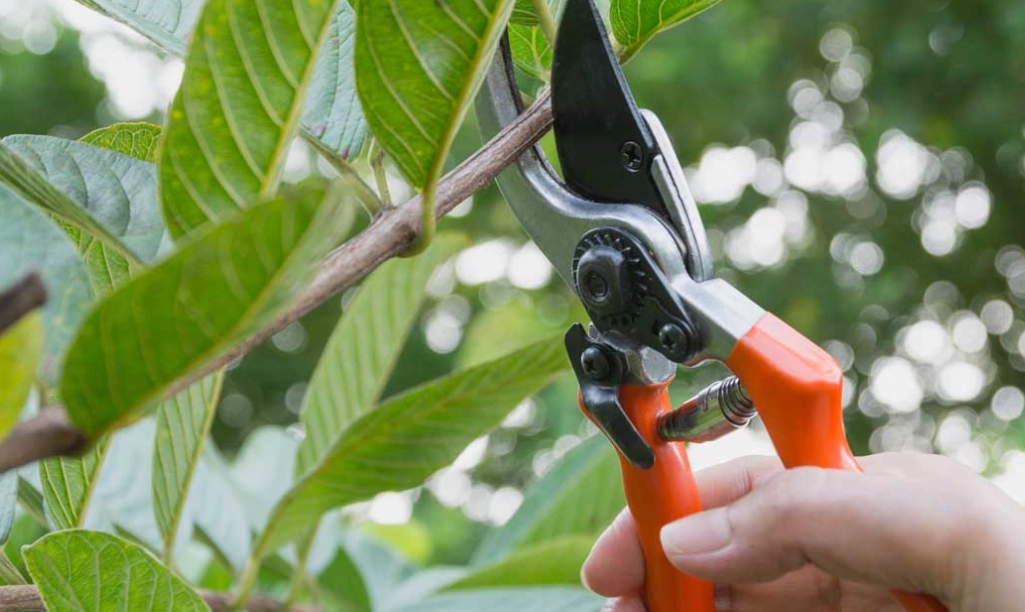
When to Prune Different Plants: The Critical Calendar
Timing is everything. Prune at the wrong time, and you might cut off this year's flowers or make the plant vulnerable to winter cold. The old adage "prune when the shears are sharp" is terrible advice.
The golden rule hinges on one question: Does this plant flower on new growth or old growth?
Prune in Late Winter / Early Spring (For plants that flower on NEW growth)
These plants form their flower buds on the growth they'll produce in the coming spring and summer. Pruning them while they're dormant encourages a flush of that new, flower-bearing wood.
Examples: Butterfly Bush (Buddleia), Caryopteris, Rose of Sharon (Hibiscus syriacus), Panicle Hydrangeas (Hydrangea paniculata), and most ornamental grasses cut back to the ground.
I prune my 'Limelight' hydrangeas hard in early March every year. If I wait until May, I've lost the season's show.
Prune Right AFTER Flowering (For plants that flower on OLD growth)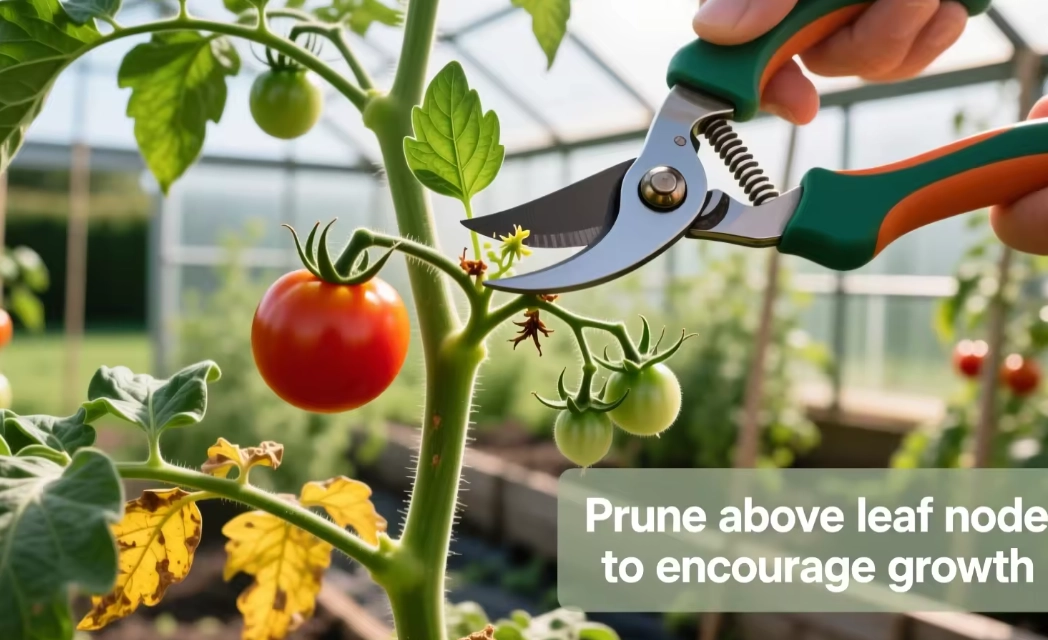
These plants set their flower buds for next year on the wood they grow this summer. If you prune them in winter or spring, you're cutting off the buds.
Examples: Lilacs, Forsythia, Rhododendrons & Azaleas, Bigleaf Hydrangeas (Hydrangea macrophylla), and most spring-flowering trees like Crabapples and Magnolias.
For my lilac, the moment the fragrant blooms fade, I'm out there with my pruners, cutting back the spent flower heads and thinning out some older stems. This gives it the whole summer to grow new wood that will carry next spring's buds.
How to Prune: Basic Techniques & Strategic Cuts
Let's get to the actual cuts. Forget random snipping.
The Two Most Important Cuts
1. Thinning Cut: This is your go-to, health-promoting cut. You remove an entire branch or stem back to its point of origin—either the main trunk, a larger branch, or the ground. This opens up the plant's structure without stimulating a bunch of new, dense growth at the cut site. It's like removing a whole paragraph rather than editing a sentence.
2. Heading Cut: You shorten a branch by cutting it back to a bud or side branch. This stimulates bushy, dense growth just below the cut. Use this to encourage fullness, but use it sparingly. Overuse creates a thick, impenetrable outer shell (that "meatball" shape) with a dead, airless interior.
Where to Make the Cut (This is Critical)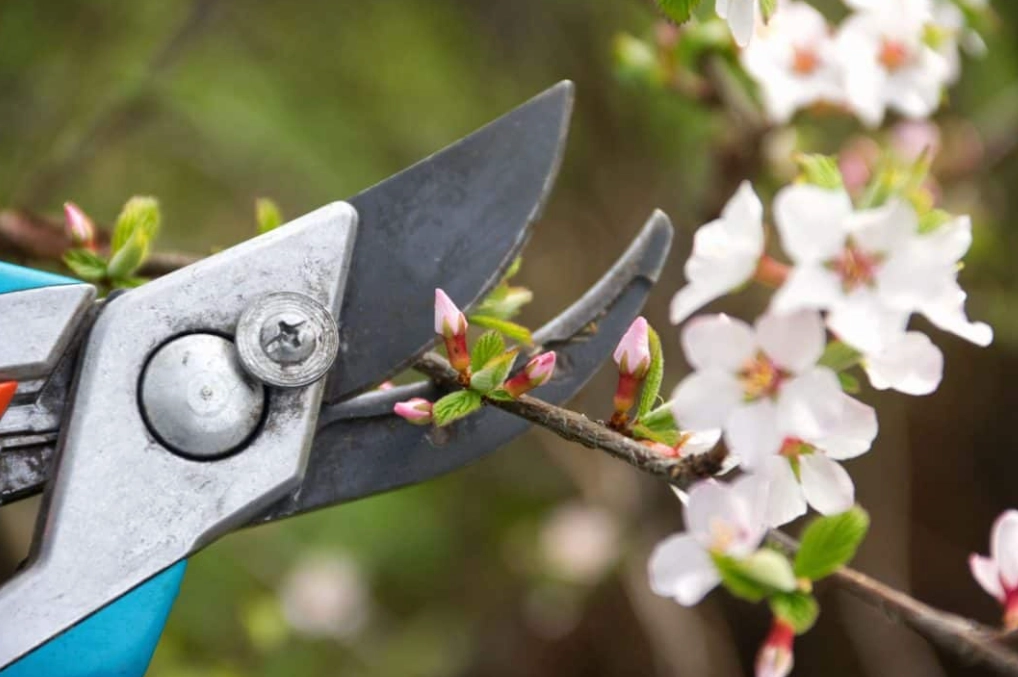
For a thinning cut, don't leave a stub. Cut flush to the branch collar (the slightly swollen ring where the branch meets the trunk). Don't cut into the collar itself. For a heading cut, make your cut about ¼ inch above a bud that faces the direction you want new growth to go. An outward-facing bud encourages the branch to grow outward, keeping the center open. Angle the cut slightly away from the bud.
I see the stub mistake constantly. People leave a 2-inch nub "just in case." That nub dies back, becomes an entry point for rot, and the plant struggles to seal the wound properly.
Common Pruning Mistakes to Avoid at All Costs
After a decade, you see patterns. Here are the big ones.
- Topping Trees: The absolute worst. Cutting off the main central leader of a tree to "control height." The tree responds with a panic of weakly attached, fast-growing water sprouts. It ruins the structure, stresses the tree, and creates a long-term hazard. If a tree is too tall for its space, you chose the wrong tree.
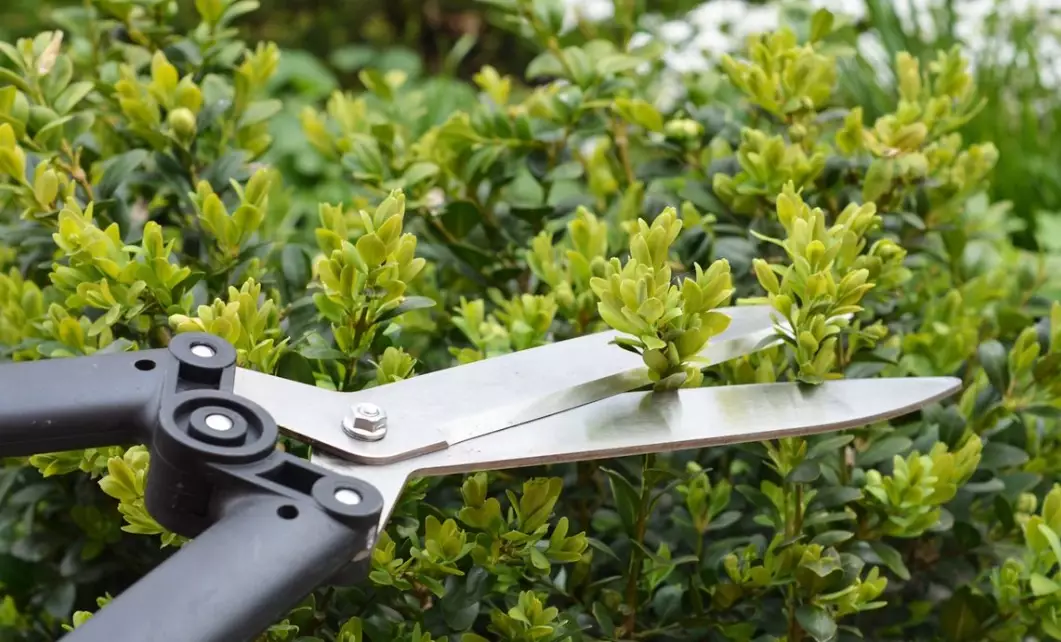
- The "Haircut": Using hedge shears on everything, shearing shrubs into tight balls or boxes. This damages leaves, creates that dead interior, and prevents natural, graceful form. It's high maintenance and looks awful.
- Pruning at the Wrong Time: As discussed, it costs you flowers. The disappointment of a hydrangea with zero blooms is a hard lesson.
- Over-pruning in One Go: Never remove more than ⅓ of a plant's living mass in a single season. It's a massive shock. If a shrub is massively overgrown, spread the renovation over 2-3 years.
- Using Dirty Tools: Spreading disease from one plant to the next. A quick wipe with a disinfectant wipe or a dip in a 10% bleach solution between plants, especially when dealing with sickly specimens, is non-negotiable.
Your Pruning Questions, Answered
 My hydrangea didn't bloom this year. Did my pruning cause it?
Reader Comments