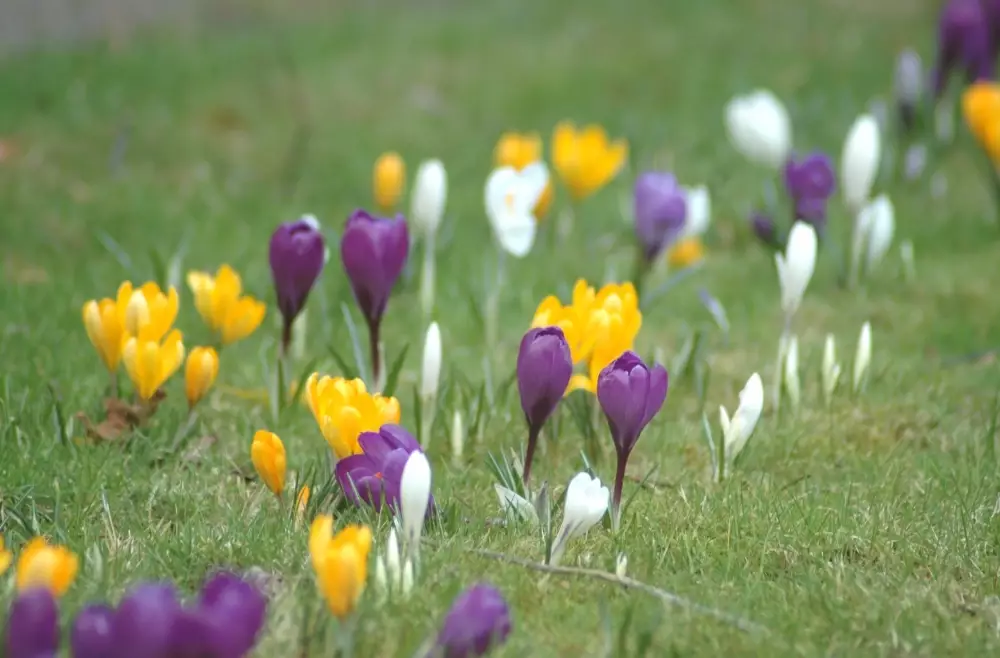
Let's be honest. A perfect, emerald-green carpet of grass is a lot of work. Watering, feeding, weeding, mowing... it's a high-maintenance relationship. What if I told you there's a way to break up with that tedious routine and have a lawn that actually gets more interesting with less effort? That's the promise of lawn bulbs. Forget regimented flower beds. We're talking about scattering hardy little powerhouses like crocus, daffodils, and snowdrops right into your grass. They sleep underground through winter, then punch through the thatch in early spring with a confetti of color long before your grass even thinks about waking up. The best part? Once established, they largely take care of themselves, naturalizing and spreading year after year. This isn't just gardening; it's a strategy for a more resilient, beautiful, and ecologically friendly yard.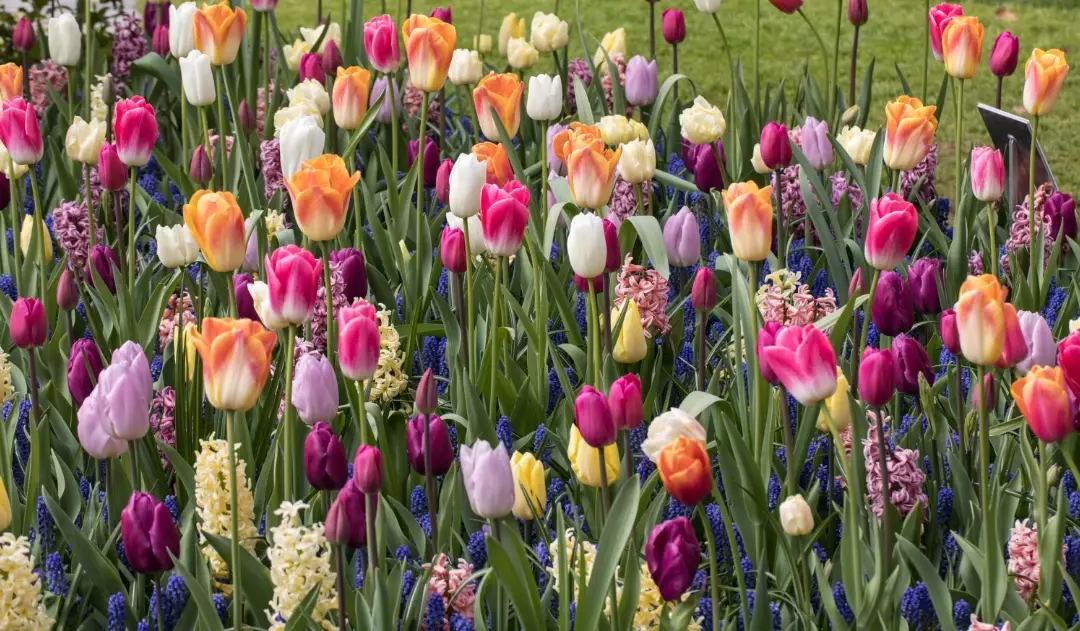
Quick Navigation: What You'll Learn
Why Bother with Bulbs in the Lawn?
Beyond the obvious "it's pretty" factor, there are solid, practical reasons to integrate bulbs into your turf. First, it's a phenomenal low-maintenance hack. These are perennial plants adapted to survive in competitive grassland conditions. You plant them once. Second, they provide crucial early-season nectar for pollinators like bees and butterflies when little else is in bloom. According to the Xerces Society for Invertebrate Conservation, early spring forage is critical for pollinator survival. Your lawn becomes a habitat.
But here's the real, often unspoken benefit: it forces you to be a lazier, smarter gardener. You cannot mow the lawn until the bulb foliage has died back naturally (about 6 weeks after blooming). This period of "no-mow" allows the grass to grow taller and stronger, often outcompeting weeds like crabgrass that need light to germinate. You're building a tougher lawn ecosystem.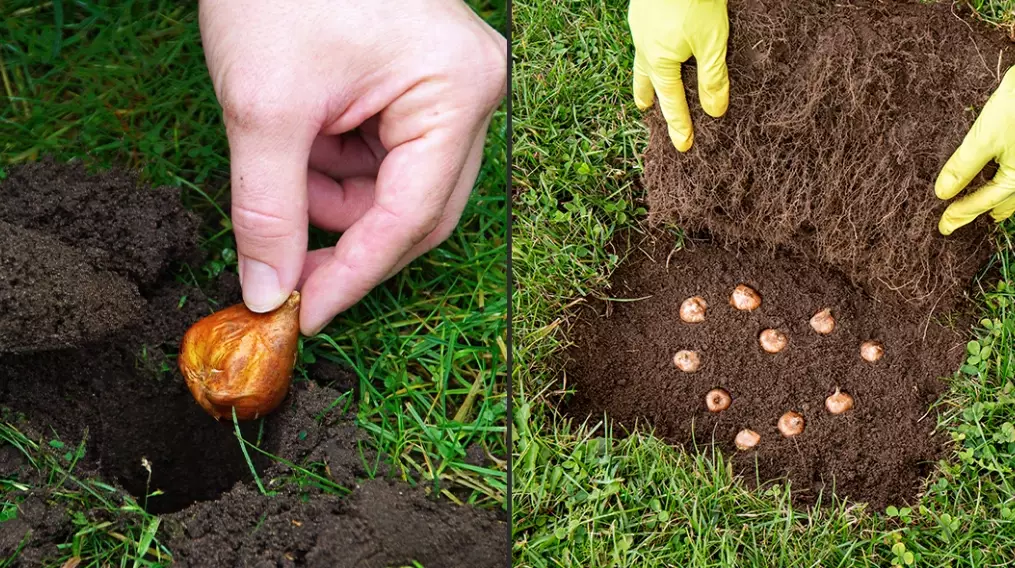
A Personal Case Study: My own front yard was a boring, sloping rectangle of fescue. I planted 200 'Tommasinianus' species crocus across it five years ago. The first spring was charming. Now? It's a spectacle. The purple haze spreads further each year. I don't fertilize them. I don't water them. My first mow is in late May, and my grass is actually thicker and has fewer weeds than my neighbor's meticulously manicured plot. The time I "lost" not mowing early spring? I spent it drinking coffee and watching the bees work.
Choosing Your Champions: The Best Bulbs for Naturalizing
Not all bulbs are cut out for lawn life. You need tough, perennializing varieties that can handle being walked on occasionally, compete with grass roots, and multiply happily. Avoid fancy, double-flowered tulips bred for one-season shows. Think species plants, the ones closest to their wild ancestors.
| Bulb Name | Key Traits & Why It Works | Bloom Time | Planting Depth/Spacing | Pro Tip |
|---|---|---|---|---|
| Crocus (Species like C. tommasinianus, C. chrysanthus) | The undisputed MVP. Rodents usually avoid them, they naturalize aggressively, and their narrow foliage disappears quickly. | Very Early Spring | 3" deep, 3-4" apart | Mix a few varieties for a longer bloom sequence. 'Tommies' are a must. |
| Snowdrops (Galanthus) | Often the first to bloom, pushing through snow. They prefer dappled shade and moist soil, great under deciduous trees in the lawn. | Late Winter | 3" deep, 3" apart | Plant "in the green" (just after flowering) for more reliable establishment than dry bulbs. |
| Daffodils/Narcissus (Miniature & Species types) | Deer and rodent-proof. Reliable perennializers. Choose shorter varieties so they don't flop over in longer grass. | Mid Spring | 6" deep, 4-6" apart | Look for 'Tête-à-Tête', 'Jetfire', or species like N. pseudonarcissus. Avoid tall, large-cupped types. |
| Grape Hyacinth (Muscari armeniacum) | Forms dense colonies, filling in beautifully. The grass-like foliage appears in fall and survives winter. | Mid Spring | 3" deep, 3" apart | Can be invasive in some regions. Check local guidelines, but it's perfect for contained lawns. |
| Striped Squill (Puschkinia scilloides) | A delicate-looking but tough bulb with pale blue stripes. Excellent for naturalizing in light shade or sun. | Early Spring | 3" deep, 3" apart | Underused gem. It's cheap, cheerful, and multiplies steadily without being a thug. |
One major mistake I see? People planting a uniform grid of one type. It looks like a cemetery. The goal is a natural meadow look. Buy several varieties that bloom in sequence and mix the bulbs in a bucket before planting. This randomness is key.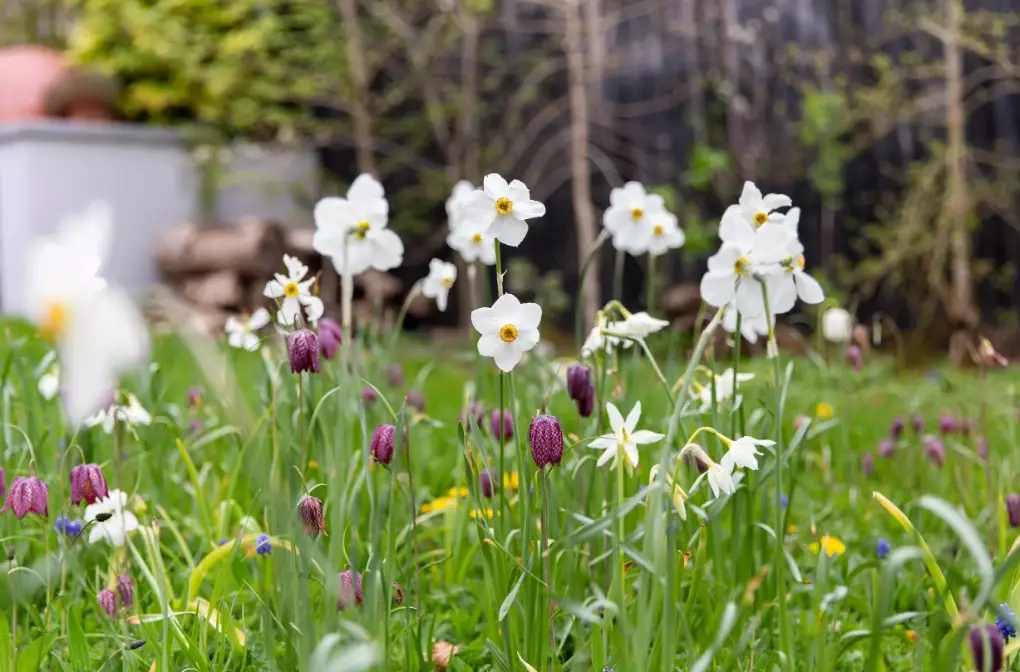
The Planting Process: It's Not What You Think
Fall is planting time, roughly when nighttime temperatures hover between 40-50°F (4-10°C). The classic advice is to dig individual holes. For a large area, that's a back-breaking recipe for giving up. Here's the faster, better method I use and recommend to clients.
How to Plant Bulbs in Lawn: The "Lift and Scatter" Method
You'll need a sharp, flat-edged spade, your mixed bulbs, and some granular, slow-release bulb fertilizer (like a 5-10-5 or bone meal).
Step 1: The Cut. Push your spade straight down into the sod, about 4-6 inches deep, and make an H-shaped cut. Think of it like cutting a flap of turf.
Step 2: The Peel. Use the spade to gently peel back the three sides of the H, creating a sod flap you can fold back. You now have a patch of exposed soil.
Step 3: The Prep. Loosen the soil at the bottom of the hole another few inches. Sprinkle in a small handful of fertilizer and mix it lightly with the soil.
Step 4: The Scatter. Here's the fun part. Grab a random handful of your mixed bulbs from the bucket. Toss them into the opened area. Let them land where they may—some on their sides, some upright, some close, some far. This irregularity creates a natural look. Aim for 5-12 bulbs per flap depending on its size.
Step 5: The Cover. Replace the soil, firm it gently, and fold the sod flap back over. Step on it firmly to ensure good soil-to-root contact. Water the area well if the soil is dry.
Space these planting flaps about 10-18 inches apart across your lawn. It looks brutal for a day, but the grass knits back together in a week or two. You've just planted 50 bulbs in the time it takes to dig 10 individual holes.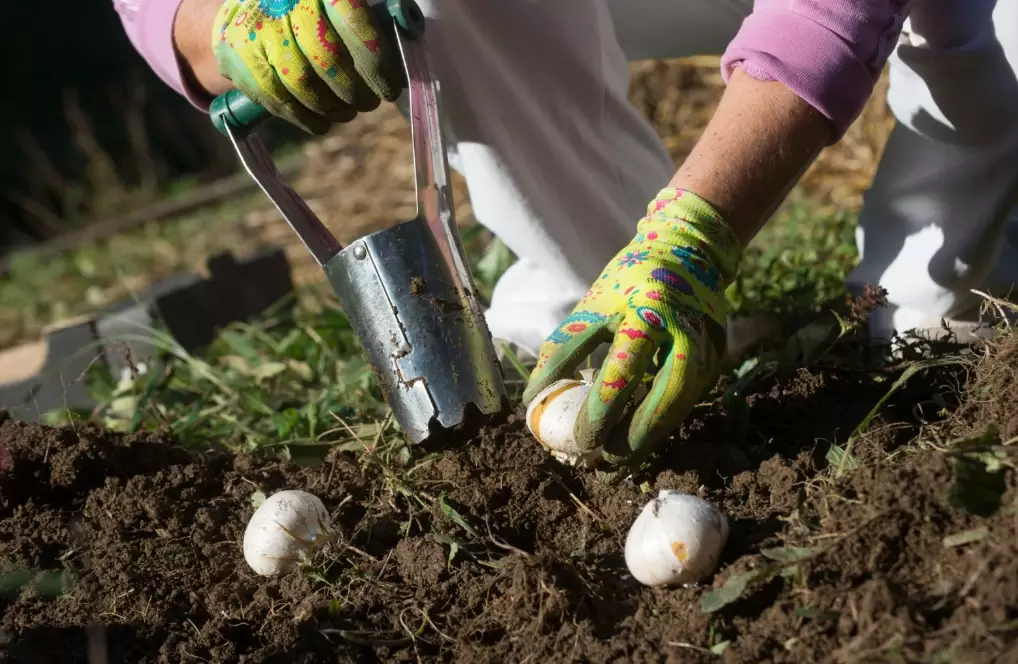
The Depth Debate: You'll read "plant at a depth three times the bulb's height." That's a good guideline for beds. In lawns, especially with heavy clay or competition from grass, I go a hair deeper—maybe four times the height. It protects them from frost heave, foraging animals, and the inevitable nick from a mower blade once they're dormant.
Long-Term Care: The Secret to Decades of Blooms
Planting is the easy part. The real test is the aftercare, especially in the first few years. This is where most people fail.
The Foliage Rule is Non-Negotiable. After blooming, the leaves are photosynthesis machines, rebuilding the bulb's energy stores for next year. If you tie them in knots, braid them, or (worst of all) cut them while they're still green, you're starving the bulb. It will weaken and eventually disappear. You must let the foliage yellow and wither completely. This takes 4-6 weeks. Yes, it looks messy. Embrace the mess. It's the sign of a healthy bulb.
How do you live with a yellowing lawn? This is the strategic part.
- Mow High, Mow Late: Set your mower to its highest setting. The long grass will help camouflage the fading bulb leaves.
- Strategic Planting: Concentrate bulbs in areas you see from a distance, not right along the main path to your door. Or, let the grass around your patio or driveway grow long while keeping other areas trimmed.
- The Fall Feed: Every autumn, give your lawn a light top-dressing of compost or a gentle organic fertilizer. This feeds both the grass and the bulbs beneath it. Avoid high-nitrogen lawn feeds in spring; they promote lush grass growth that can overwhelm the bulbs.
You know the system is working when, after a few years, you start seeing tiny "baby" bulbs (bulblets) flowering near your original plantings. That's naturalizing in action.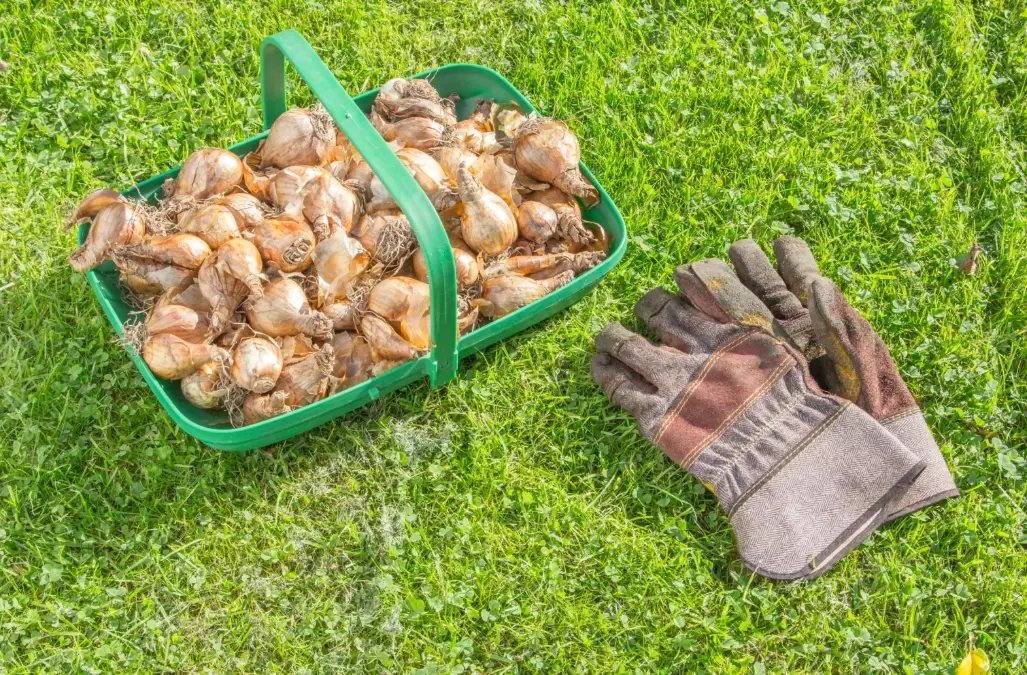
Troubleshooting Common Lawn Bulb Headaches
It's not always a flawless meadow dream. Here are the real-world problems.
"Squirrels and voles are having a buffet!" Crocus and tulips are candy. Daffodils, alliums, and fritillaries are not. If you have severe rodent pressure, plant the rodent-proof bulbs in the lawn and save the tasty ones for protected containers or beds with wire mesh underneath. You can also try planting in wire cages, but that's a lot of work for a lawn.
"My bulbs flowered once and never came back." This is almost always the Foliage Rule violation. Or, you planted a hybrid tulip not suited for naturalizing. Or, you're mowing way too early. Diagnose by checking if there are still leaves present when you first mow.
"The grass is too thick, the bulbs can't come up." You might have a very dense, thatchy lawn. Consider aerating the area in the fall before planting. The bulbs need some room to push through. Also, ensure you're planting at the correct, deep-enough depth.
Your Lawn Bulb Questions, Answered
 I have heavy clay soil. Will any bulbs survive?
Reader Comments