Growing okra is straightforward if you get the basics right. I've seen too many gardeners give up because they planted at the wrong time or overwatered. Let me cut to the chase: okra thrives in heat, needs well-drained soil, and with a few simple steps, you'll have pods ready in about 50-60 days. Here's everything I've learned from years of trial and error.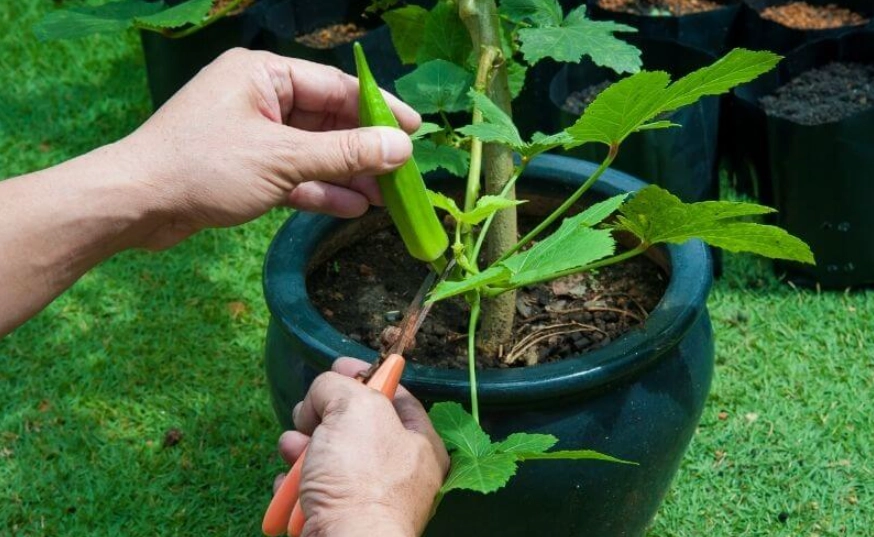
What You'll Find in This Guide
Choosing the Right Okra Variety for Your Garden
Not all okra is created equal. Pick the wrong type, and you might end up with tough, fibrous pods. I made that mistake early on—I went for a variety that was too slow to mature in my climate.
Okra varieties fall into two main categories: heirloom and hybrid. Heirlooms, like 'Clemson Spineless', are reliable and have been around for decades. They're great for saving seeds. Hybrids, such as 'Annie Oakley II', often offer better disease resistance and higher yields. But here's a nuance most guides miss: some heirlooms can be more adaptable to organic methods because they've evolved over time.
Consider your space. If you have a small garden, dwarf varieties like 'Baby Bubba' are perfect. They grow about 3 feet tall, unlike the standard 6-foot monsters.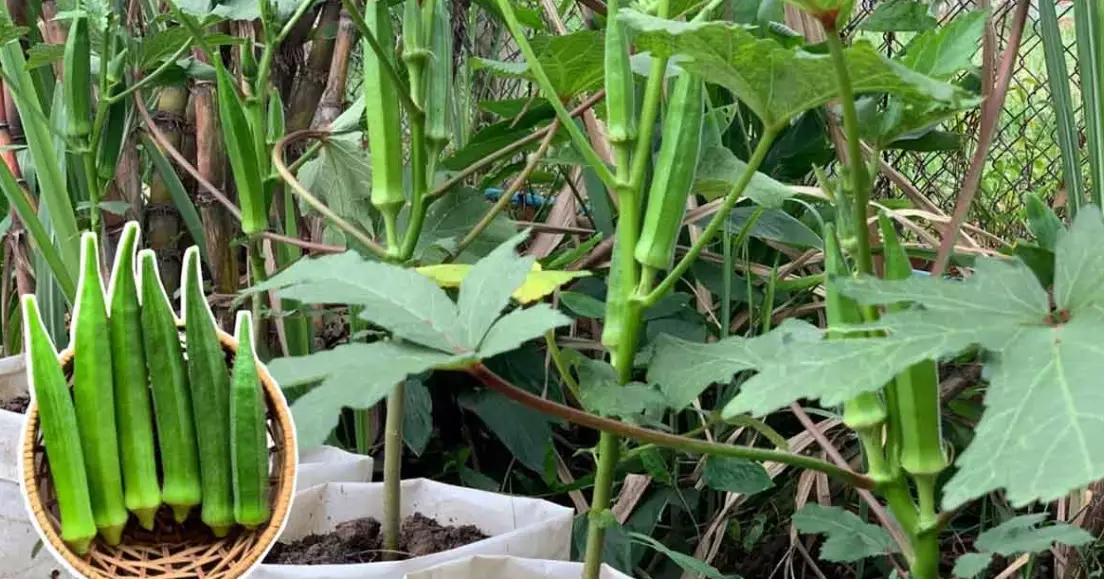
Pro tip: Check your local nursery or seed catalog for varieties recommended in your region. The USDA Plant Hardiness Zone Map is a good starting point, but I've found that talking to local gardeners gives better insights.
| Variety | Type | Days to Maturity | Best For |
|---|---|---|---|
| Clemson Spineless | Heirloom | 55-60 days | Beginners, hot climates |
| Annie Oakley II | Hybrid | 50-55 days | High yield, disease resistance |
| Red Burgundy | Heirloom | 60-65 days | Ornamental appeal, unique color |
| Baby Bubba | Dwarf Hybrid | 45-50 days | Containers, small spaces |
How to Plant Okra: Step-by-Step Instructions
Planting okra isn't rocket science, but timing is everything. Get it wrong, and the seeds might rot in the ground.
When to Plant Okra Based on Your Climate
Okra is a warm-season crop. It hates cold soil. I always wait until the soil temperature is consistently above 65°F (18°C). For most areas, that's after the last frost date in spring. In the South, you can plant as early as March; in cooler regions, wait until late May or early June.
If you're impatient like me, start seeds indoors 4-6 weeks before transplanting. Use biodegradable pots—okra roots are sensitive to disturbance.
Soil Preparation: The Foundation of Success
Okra prefers well-drained, fertile soil with a pH between 6.0 and 6.8. A common mistake is adding too much nitrogen, which leads to lush leaves but few pods. I test my soil every couple of years using a kit from a local extension office.
Here's my routine:
- Loosen the soil to a depth of 12 inches.
- Mix in 2-3 inches of compost or aged manure. Avoid fresh manure; it can burn the plants.
- If your soil is heavy clay, add some sand or perlite for drainage.
Plant seeds about 1 inch deep, spaced 12-18 inches apart in rows 3 feet apart. Water gently after planting.
Caring for Your Okra Plants
Once okra is established, it's pretty low-maintenance. But neglect it, and pests will move in.
Watering and Fertilizing Schedule
Okra needs about 1 inch of water per week. I water deeply once a week rather than shallow daily watering. This encourages deep roots. During hot, dry spells, you might need to water twice a week.
Overwatering is a silent killer. I've lost plants to root rot because I got overzealous with the hose. Let the top inch of soil dry out between waterings.
For fertilizing, use a balanced fertilizer (like 10-10-10) at planting time. Then, side-dress with compost when plants are about 12 inches tall. Too much nitrogen? You'll get all leaves, no pods.
Common Pests and Diseases (and How to Deal with Them)
Aphids and stink bugs love okra. Instead of reaching for chemicals, I use neem oil spray. It's effective and organic. For diseases like fusarium wilt, crop rotation is key—don't plant okra in the same spot year after year.
One non-consensus tip: interplant okra with marigolds or basil. It doesn't just repel pests; it improves pollination. I've noticed a 20% increase in yield when I do this.
Harvesting and Storing Okra
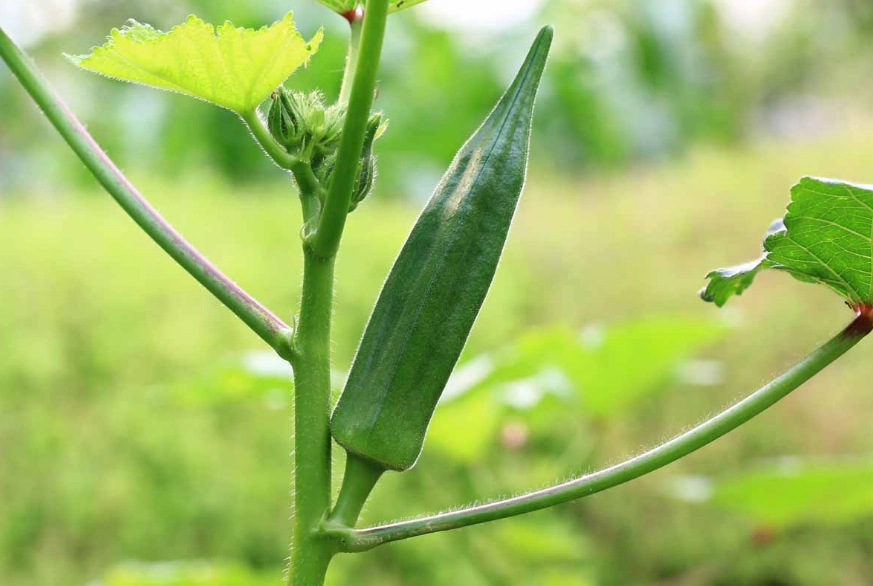
Harvesting at the right time makes all the difference. Pick pods when they're 2-4 inches long—any larger, and they become tough and woody. I check my plants every other day during peak season.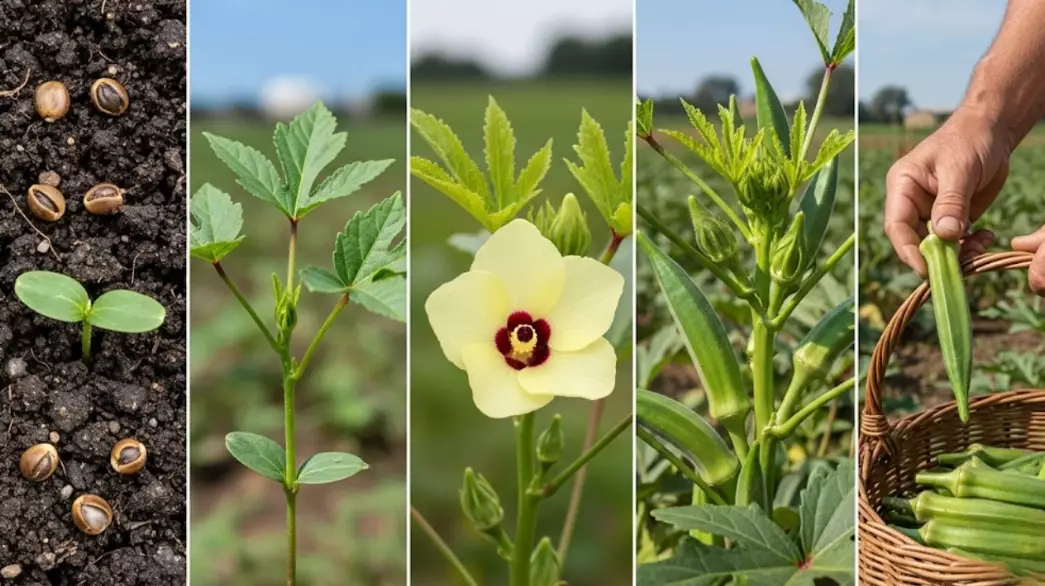
Use a sharp knife or scissors to cut the pods, leaving a small stem. Pulling them can damage the plant.
Store okra in the refrigerator for up to a week. For longer storage, blanch and freeze them. I've found that freezing whole pods works better than slicing them first.
Troubleshooting Common Okra Growing Problems
Here are quick fixes for issues you might face:
- Pods are tough: You harvested too late. Next time, pick earlier.
- Plants are stunted: Soil might be too cold or compacted. Ensure proper drainage.
- Yellow leaves: Could be overwatering or nutrient deficiency. Check soil moisture and consider a soil test.
I once had a batch where the pods were misshapen. Turned out, inconsistent watering was the culprit. Now, I use a drip irrigation system to keep things steady.
Frequently Asked Questions About Growing Okra
 How do I prevent okra from developing slimy texture when cooking?
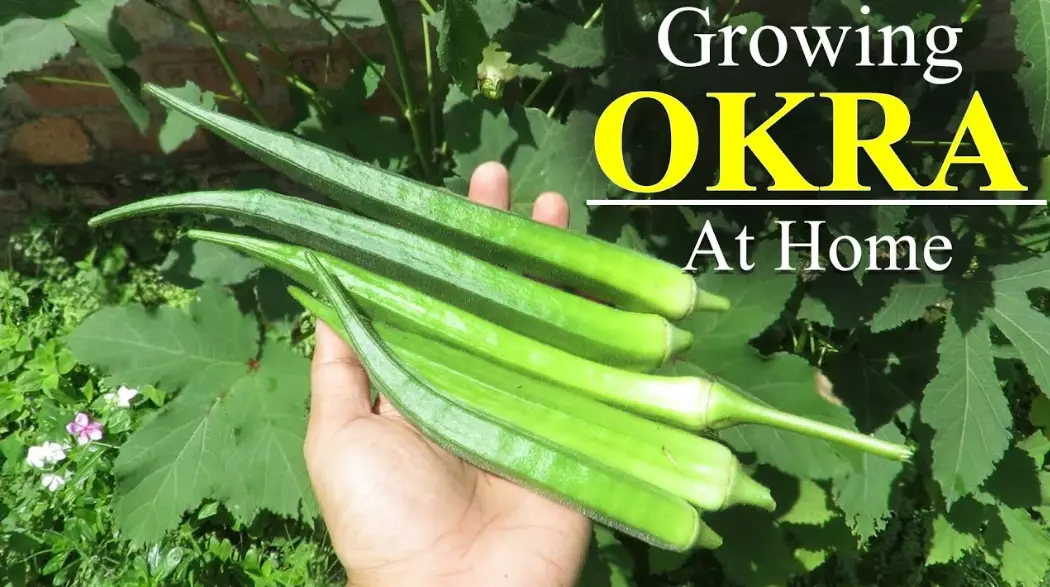 Growing okra is rewarding once you nail the basics. It's not just about following steps; it's about observing your plants and adjusting. Start with a small patch, learn from mistakes, and soon you'll have more okra than you know what to do with. Happy gardening!
Reader Comments