You bought a packet of seeds or a cheerful little plant from the garden center, full of hope. Now it's sitting in your yard or on your windowsill, and you're staring at it, thinking, "Now what?" Don't worry. Growing flowers isn't about having a magical green thumb. It's about understanding a few simple, non-negotiable rules that plants live by. Forget the complex jargon for a minute. Let's talk about what flowers actually need from you: the right home, the right drink, and the right spot in the sun. This guide will walk you through it, step by step, and point out the subtle mistakes most beginners make without even realizing it.
What You'll Learn in This Guide
- Understanding Your Garden's Foundation
- How to Choose the Right Flowers for Your Garden
- The Planting Process: From Pot to Ground
- The Right Way to Water Your Flowers
- Sunlight and Food: The Energy Equation
- What Are the Most Common Flower Growing Mistakes?
- Troubleshooting: Why Are My Flowers Struggling?
- Your Flower Growing Questions Answered
Understanding Your Garden's Foundation
Think of soil as your flower's house. You wouldn't build your house on sand or solid rock and expect it to thrive. Soil is the same. Most bagged "potting soil" or generic garden soil is just a starting point, often too dense or too fluffy on its own.
The secret nobody tells you? Drainage is king. Roots need air as much as they need water. Soggy soil suffocates them, leading to the dreaded root rot. Here's a simple test: dig a hole about a foot deep, fill it with water, and let it drain. Fill it again. If the water hasn't drained away in 4-6 hours, you have a drainage problem.
My Go-To Soil Mix: For containers, I never use store-bought mix straight. I combine it with 30% perlite or coarse sand for drainage and 20% compost for nutrients. For garden beds, I work in 3-4 inches of compost every spring. It's like giving the soil a vitamin shot. Resources like the USDA's Natural Resources Conservation Service offer great regional soil information, but your local county extension office is the gold standard for specific advice.
pH matters, but less than you think for common annuals. If you're growing hydrangeas or blueberries, it's critical. For marigolds and zinnias? Don't stress over it initially. Focus on organic matter first.
How to Choose the Right Flowers for Your Garden
This is where most people get it backwards. They fall in love with a picture of a delicate shade-loving plant... and then try to grow it on a blazing hot balcony. Match the plant to your conditions, not the other way around.
Ask yourself three things: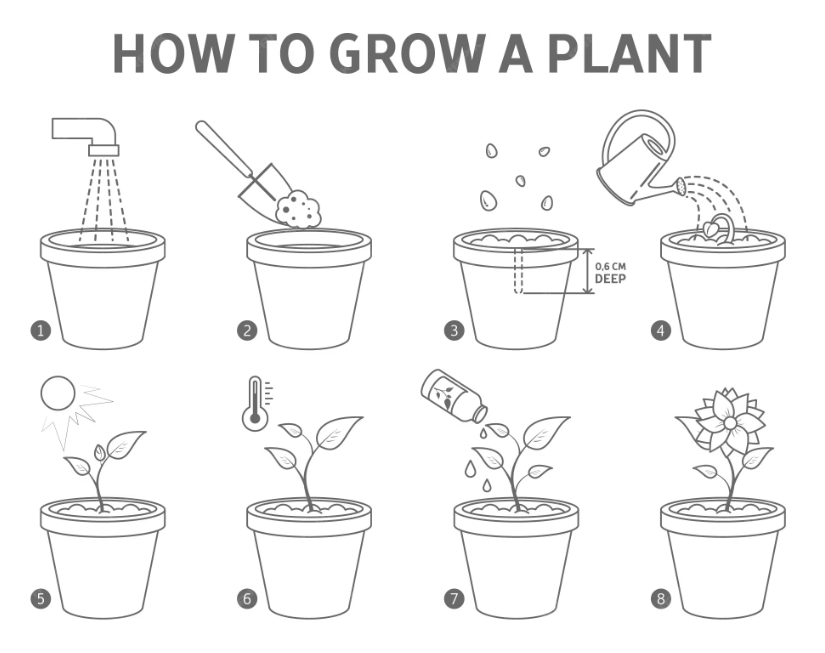
- Sun: How many hours of direct, unfiltered sun does the spot get? "Full sun" means 6+ hours. "Partial sun" is 3-6. "Shade" is less than 3.
- Your Commitment Level: Be honest. Do you want to water and deadhead every other day, or do you need something that can handle a bit of neglect?
- Your Goal: Are you cutting bouquets? Want constant color? Trying to attract bees and butterflies?
| For Beginners (Hard to Kill) | For Sun-Drenched Spots | For Shady Corners | For Cutting Bouquets |
|---|---|---|---|
| Marigolds | Zinnias | Impatiens | Sunflowers |
| Nasturtiums | Cosmos | Begonias (wax/fibrous) | Zinnias |
| Calendula | Portulaca (Moss Rose) | Coleus (for foliage) | Cosmos |
| Sunflowers (dwarf types) | Salvia | Lobelia | Snapdragons |
I made the mistake early on of planting wave petunias in a windy, rainy spot. They got beaten to a pulp. Learned my lesson: know your microclimate.
The Planting Process: From Pot to Ground
You've got your plant and your prepared spot. Now, don't just rip it out of the pot and jam it in.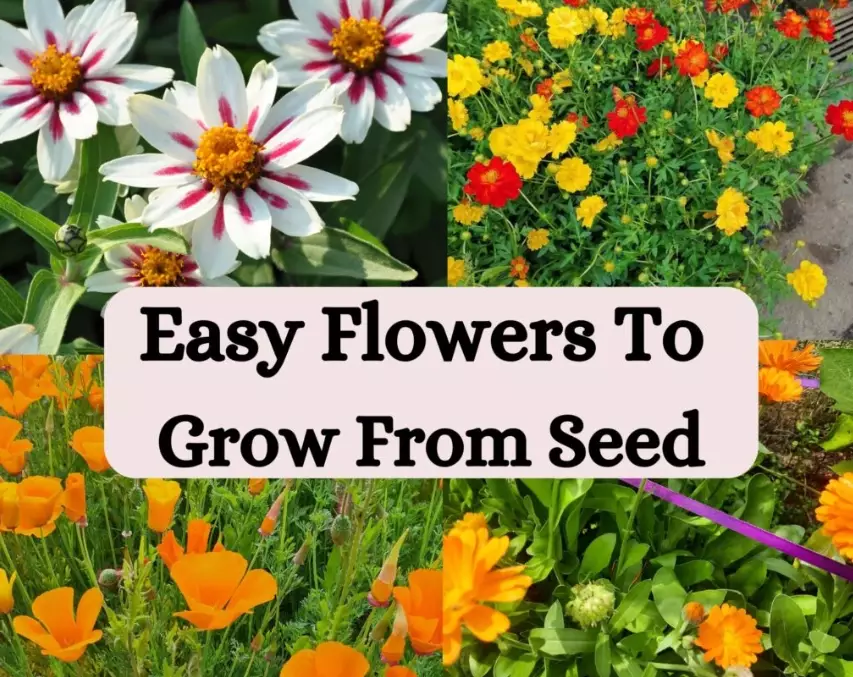
For Potted Nursery Plants:
Gently squeeze the pot or tap it to loosen the root ball. Tip it sideways and let the plant slide into your hand. If the roots are a dense, circling mat ("root-bound"), you need to score them. Take a knife or your fingers and make a few shallow vertical cuts down the sides and across the bottom. This seems violent, but it encourages roots to grow outward into the new soil instead of continuing their circular prison.
Digging the Hole:
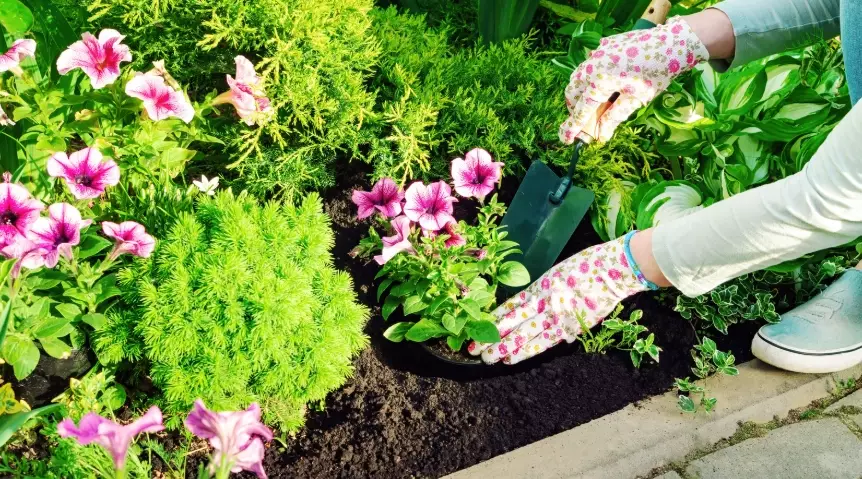
The hole should be twice as wide as the root ball, but only as deep. Planting too deep is a silent killer—it buries the stem, which can rot. Place the plant in so the top of its root ball is level with the surrounding soil. Backfill with your native soil mixed with a bit of compost, firming gently as you go. Then, water deeply. This "settling" water is crucial to eliminate air pockets.
The Mulch Trap: Mulch is fantastic for retaining moisture and suppressing weeds. But never, ever pile it up against the plant's stem. Leave a 2-inch mulch-free doughnut around the base. A volcano of mulch against the stem invites rot, insects, and disease.
The Right Way to Water Your Flowers
This is the number one cause of plant death, both from too much and too little. The goal is deep, infrequent watering that encourages roots to grow down, not shallow watering that keeps them at the surface.
Forget the schedule. Don't water every Tuesday because it's Tuesday. Check the soil. Stick your finger into the soil up to your second knuckle. If it feels dry at your fingertip, it's time to water. If it's damp, wait.
When you water, do it slowly and thoroughly. Aim for the base of the plant, not the leaves (wet leaves can promote disease). Water until you see it start to puddle slightly, then let it soak in, then water again. You want moisture to reach 6-8 inches deep. A soaker hose or drip irrigation is a game-changer for consistency and water conservation.
Container plants are thirstier. They might need daily water in peak summer heat. Always water until it runs freely out the drainage holes.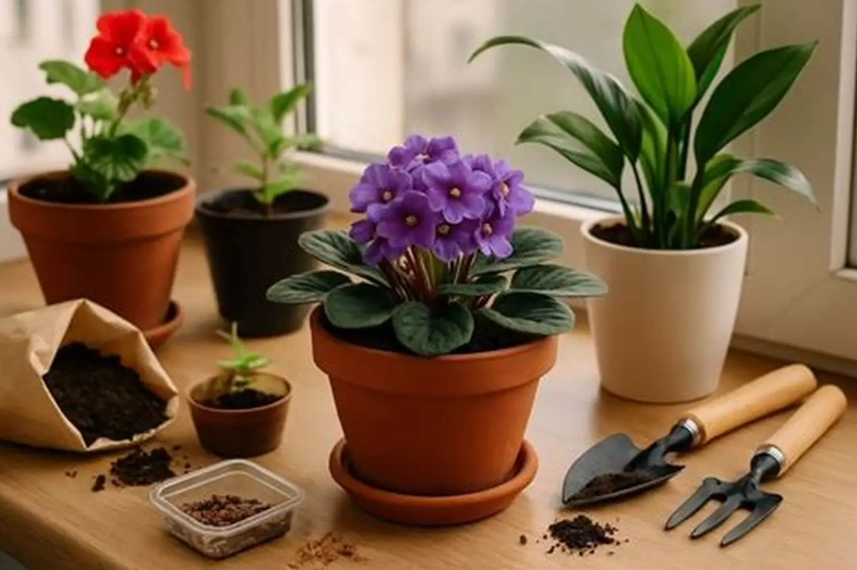
Sunlight and Food: The Energy Equation
Sunlight: A "full sun" plant in partial sun will get leggy, flop over, and produce few flowers. It's starving for energy. Conversely, a shade plant in full sun will scorch, its leaves turning crispy and pale. Observe your garden's light patterns throughout the day before you plant.
Fertilizer: It's not plant steroids. It's supplemental food. If you added good compost at planting time, you might not need much extra. Over-fertilizing, especially with high-nitrogen formulas, gives you lots of lush green leaves and zero flowers. The plant is too busy growing foliage.
For flowering, look for a fertilizer where the middle number (Phosphorus, the "P" in N-P-K) is higher. A balanced 10-10-10 is fine, but something like 5-10-5 encourages more blooms. Use a water-soluble fertilizer every 2-3 weeks during the growing season, or a slow-release granular at planting. Always follow the label—more is not better.
What Are the Most Common Flower Growing Mistakes?
Let's cut to the chase. Here’s what I see beginners do all the time, based on years of helping friends and neighbors.
- Over-loving with Water: Constant dampness is the #1 killer. Roots drown.
- Planting in a Hole with No Amendments: Sticking a plant into hard, compacted clay and expecting joy.
- Ignoring the Tag: The information on the plant tag or seed packet is your cheat sheet. Sun needs, spacing, height—it's all there.
- Forgetting to Deadhead: For many flowers (like zinnias, marigolds, cosmos), removing spent blooms tells the plant "make more flowers!" instead of "go to seed." Just pinch off the old flower head.
- Crowding Plants: That tiny seedling will grow. Give it the space the tag recommends. Crowding leads to poor air circulation and disease.
Troubleshooting: Why Are My Flowers Struggling?
Here’s a quick diagnostic chart. Start from the top—it's usually a basic need not being met.
| Symptom | Likely Cause | Quick Fix |
|---|---|---|
| Yellowing lower leaves, plant wilts | Overwatering / Root Rot | Let soil dry out deeply before watering again. Check drainage. |
| Leaves pale green or yellow all over, stunted growth | Lack of nutrients (Nitrogen) | Apply a balanced fertilizer. |
| Lots of leaves, no flowers | Too much nitrogen fertilizer or not enough sun | Switch to a bloom-booster fertilizer (higher P). Move to sunnier spot. |
| Flowers small, weak stems | Not enough sunlight | Relocate plant if possible. Choose shade-tolerant plants for that spot next time. |
| Holes in leaves, chewed buds | Pests (slugs, caterpillars, beetles) | Handpick in evening. Use insecticidal soap for aphids. Slug bait or beer traps. |
| White powdery coating on leaves | Powdery Mildew (fungal disease) | Improve air circulation. Water at soil level. Use a fungicide if severe. |
Sometimes, the fix is just acceptance. If you have heavy clay and constant rain, trying to grow lavender (which loves dry, gritty soil) will be an uphill battle. Choose plants that suit your reality.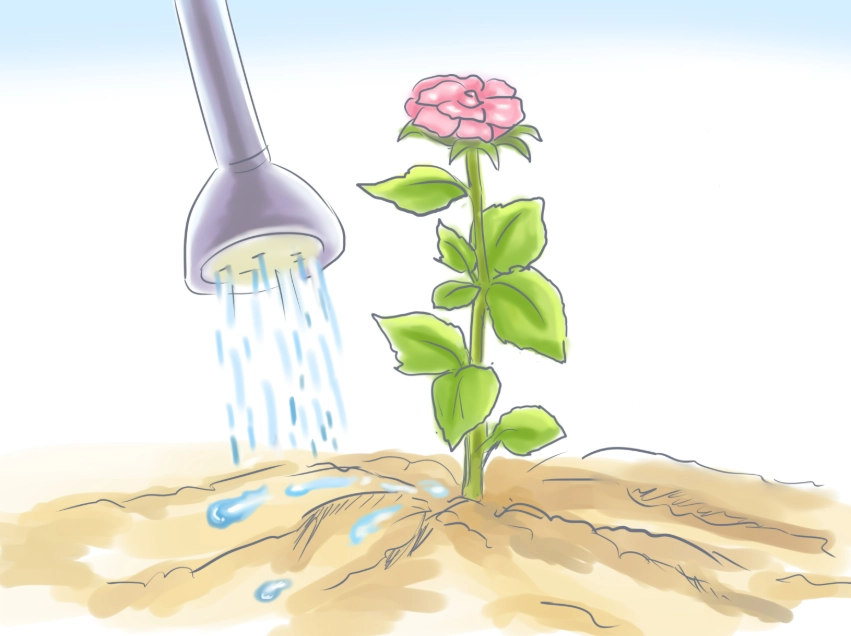
Your Flower Growing Questions Answered
 Is it better to grow flowers from seeds or buy starter plants?
Reader Comments