Getting potato fertilizing right feels like unlocking a cheat code for your garden. For years, I followed the generic advice – throw down some 10-10-10 at planting and hope for the best. My harvests were okay, but never the overflowing baskets I saw in gardening magazines. Then I started treating my potatoes like the heavy feeders they are, with a tailored nutrient schedule. The difference wasn't subtle. We're talking about doubling my yield and getting fewer misshapen, scabby tubers.
The secret isn't a magic powder. It's about feeding the right nutrients at the right time. Too much nitrogen early on gives you a gorgeous, bushy plant with pathetic little potatoes underneath. Not enough potassium later, and your tubers won't size up properly. It's a timing game.
What You'll Learn
Understanding Potato Nutrient Needs: Beyond the Basic NPK
Everyone talks about NPK – Nitrogen (N), Phosphorus (P), and Potassium (K). For potatoes, the balance and timing of these are everything, but there's more to the story.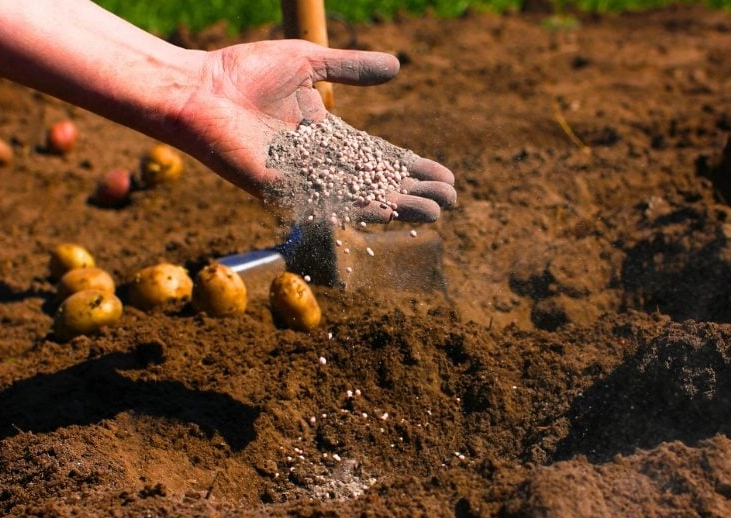
Nitrogen (N) is for the vines and leaves. Think of it as the plant's engine fuel for photosynthesis. You need a good push at the start to establish a strong, healthy canopy. But here's the twist most beginners miss: once the tubers start forming (around the time flowers appear), excess nitrogen becomes the enemy. It tells the plant "keep making leaves!" instead of "pack energy into those tubers!"
Phosphorus (P) is for roots and tuber initiation. It's crucial early on for developing a strong root system and getting those first tiny potatoes to set. A phosphorus deficiency early can limit your harvest potential from the get-go.
Potassium (K) is the tuber superstar. It regulates water movement, improves disease resistance, and is directly linked to tuber size, quality, and storability. Potatoes have a huge appetite for potassium, especially during the bulking phase. This is where most backyard gardeners fall short.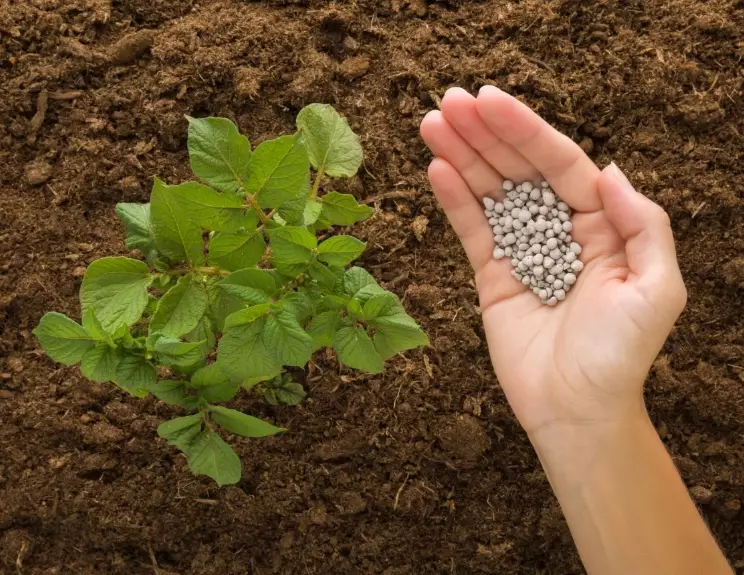
The Micronutrient Gap: Everyone focuses on NPK, but potatoes are sensitive to low levels of magnesium and boron. Magnesium is central to chlorophyll, and a deficiency shows up as yellowing between the veins of older leaves. Boron is critical for cell wall strength and sugar transport; a lack of it can lead to hollow heart – those ugly brown cavities inside the potato. A balanced fertilizer or a mid-season foliar spray can address this.
When to Fertilize Potatoes: The Three Critical Windows
Timing is more important than the brand on the bag. Think of it in three distinct phases.
1. At Planting (The Foundation)
This is about building potential. You're feeding the soil to feed the roots. I mix a balanced, phosphorus-rich fertilizer into the planting trench or hole, but I keep it below the seed potato. Direct contact can "burn" the delicate sprouts. Some old-timers swear by putting a handful of bone meal (for phosphorus) and wood ash (for potassium and to raise pH) in the hole. It works, but you need to know your soil's pH first – wood ash can make soil too alkaline.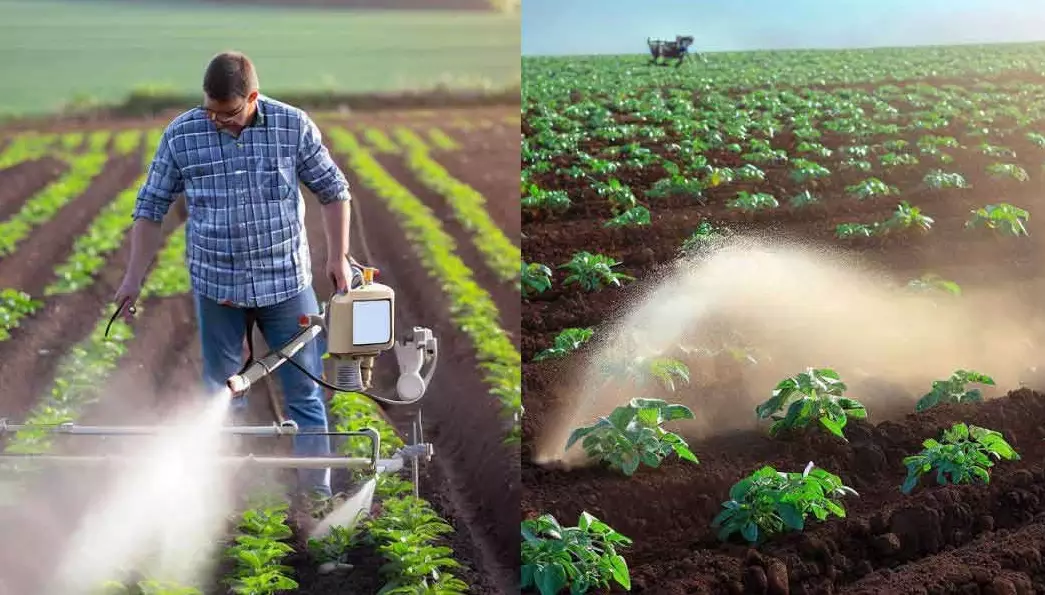
2. Early Season Side-Dress (The Growth Spurt)
When plants are about 6-8 inches tall, they're shifting into high gear for leaf production. This is the time for a nitrogen boost. I side-dress by sprinkling fertilizer in a shallow trench about 4 inches away from the plant stems, then lightly hoe it in and water. This fuels that lush, green canopy that will power the entire season.
3. Tuber Bulking (The Grand Finale)
As soon as you see flowers forming, the plant's priority switches from leaves to tubers. Now, you cut off the nitrogen and go all-in on potassium. This is the most often skipped step. A side-dressing of a high-potassium fertilizer like sulfate of potash or a good helping of composted kelp meal makes all the difference in how dense and heavy your potatoes feel when you dig.
Choosing the Right Fertilizer: A Practical Comparison
Walking down the fertilizer aisle is overwhelming. Here’s a breakdown of what works for potatoes, based on my trials and errors.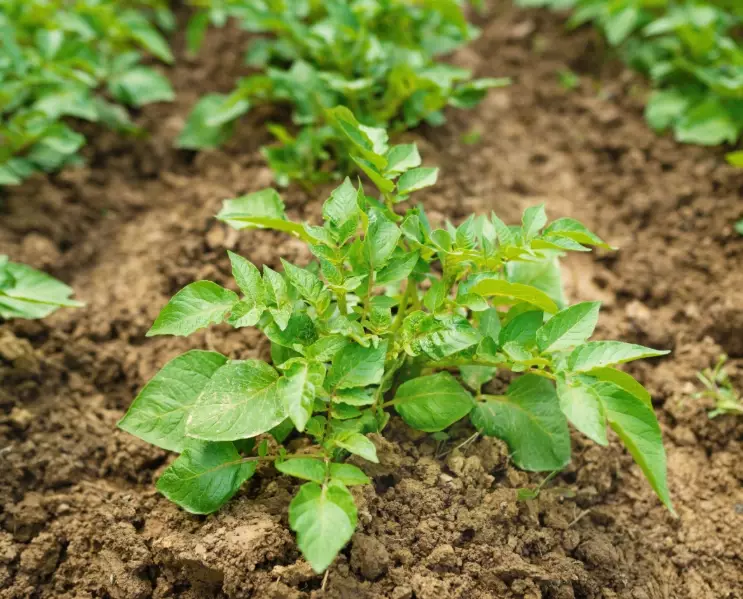
| Fertilizer Type | Best Used For | NPK Example | My Notes & Cautions |
|---|---|---|---|
| Balanced Granular (Synthetic) | Planting time foundation. | 10-10-10, 5-10-10 | Easy to find and measure. The "10-10-10" is fine, but a lower nitrogen option like "5-10-10" is often better to prevent early over-growth. Avoid slow-release formulas for the final feedings. |
| Fish Emulsion / Seaweed | Early season foliar feed or gentle liquid side-dress. | 5-1-1 (varies) | Great for a quick nitrogen pick-me-up. Smells awful, but plants love it. I use it if my plants look pale early on. It's a supplement, not a complete diet. |
| Compost & Well-Rotted Manure | Soil preparation before planting, or as a mulch. | Variable, typically low (1-1-1) | This is your soil builder, not a precision tool. Must be well-rotted (aged at least 6 months). Fresh manure can spread disease and "burn" plants. It improves soil structure, which is vital for good potatoes. |
| Bone Meal | Planting time for phosphorus. | 3-15-0 | A classic for root crops. Excellent for that initial phosphorus boost. If you have issues with rodents, they might dig for it. Mix it into the soil well. |
| Sulfate of Potash | The crucial tuber-bulking stage. | 0-0-50 | This is my secret weapon for big potatoes. Pure potassium. I side-dress it at flowering. Don't use Muriate of Potash if you can avoid it; the chloride can affect flavor and soil health long-term. |
| Commercial Organic Blends | Full-season program for organic growers. | 4-6-4, 3-5-5 (etc.) | Look for blends labeled for vegetables or root crops. They release nutrients slowly, which is safer but requires more foresight. Apply according to the bag schedule, usually at planting and once or twice more. |
My Step-by-Step Potato Fertilizing Schedule
Here is the exact schedule I follow in my own garden (Zone 6b). Adjust timing based on your plant's growth, not the calendar.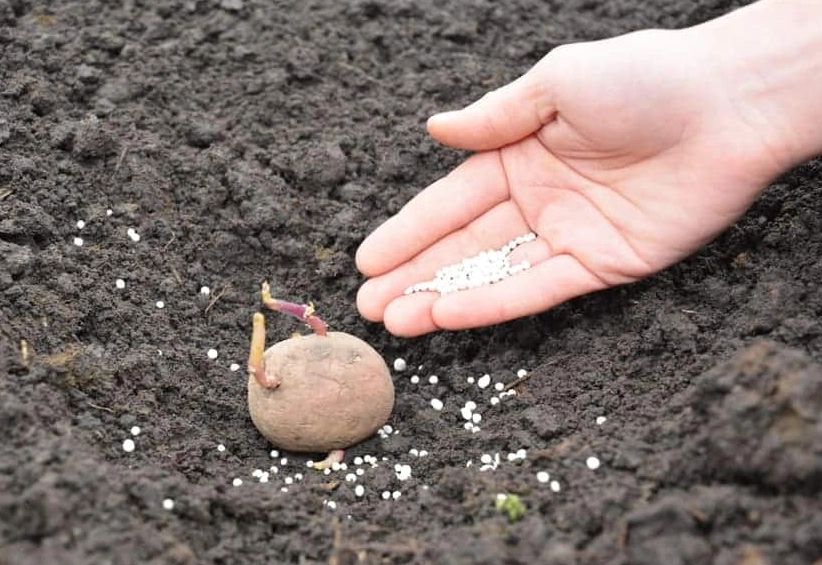
2-3 Weeks Before Planting: I work 2-3 inches of finished compost and a general-purpose organic granular fertilizer (like a 4-6-4) into the top 6 inches of my potato bed. If my soil test showed low potassium, I add some wood ash or greensand now.
Day of Planting: As I dig each trench (about 6 inches deep), I sprinkle a tablespoon of bone meal and a tablespoon of a balanced granular fertilizer (5-10-10) per linear foot. I mix it into the soil at the bottom of the trench, then cover with an inch of plain soil before placing my seed potatoes. This creates a nutrient-rich zone below them.
When Plants Are 6 Inches Tall: Time for the first side-dressing. I use a high-nitrogen organic fertilizer like blood meal (12-0-0) or a synthetic one like ammonium sulfate. About 1/2 cup per 10-foot row, applied 4 inches from the stems, watered in well.
At Flower Bud Formation (Tuber Initiation): This is the most important feed. I switch to a high-potassium fertilizer. I apply sulfate of potash at a rate of about 1 cup per 15-foot row, again side-dressed and watered in. If I'm going purely organic, I use a thick mulch of composted kelp meal or a commercial organic blend higher in potassium.
That's it. No more fertilizing after this point. Overfeeding late can delay maturity and make skins tender, hurting storage.
Common Fertilizing Mistakes I've Made (So You Don't Have To)
I've learned more from my failures than any book. Here are the big ones.
Over-relying on Chicken Manure. It's fantastic, but very high in nitrogen. Using it as your primary fertilizer, especially late, gives you incredible vines and golf-ball potatoes. I use it only in the fall to enrich the bed for next year.
Ignoring Soil pH. Potatoes prefer slightly acidic soil (5.8 to 6.5). If your pH is too high (alkaline), nutrients like iron and phosphorus get locked up, no matter how much fertilizer you add. A simple test kit is worth its weight in gold. If pH is high, elemental sulfur is your friend.
Fertilizing the Leaves, Not the Roots. Foliar sprays are a quick fix, not a meal. The vast majority of nutrients should go to the root zone where they're absorbed efficiently. I only use foliar sprays (like seaweed) as a tonic for stressed plants.
Starting Too Late. If your plants are yellow and stunted from the beginning, you're playing catch-up. The planting-time fertilizer is critical to launch them strong. You can't fix a poor start with a double dose later.
Your Potato Fertilizing Questions Answered
Should I put fertilizer directly in the hole with the seed potato?
Place it below the seed potato, separated by at least an inch of plain soil. Direct contact, especially with synthetic fertilizers or fresh manure, can desiccate the seed piece and kill the sprouts. Think of it as putting a nutrient-rich floor under their feet, not a hot seat.
Can I use tomato fertilizer on my potatoes?
You can, but it's not ideal. Tomato fertilizers are often higher in phosphorus and calcium (for blossom-end rot prevention). Potatoes need a heavier focus on potassium during bulking. A vegetable garden fertilizer is a better all-purpose choice. If you use tomato food, supplement with an extra potassium source at flowering.
My potato plants are huge and green but I'm not getting many tubers. What did I do wrong?
Classic signs of too much nitrogen, especially later in the season. You fed the leaves at the expense of the tubers. Next year, ensure your final fertilization (at flowering) is very low in nitrogen and high in potassium. Also, make sure they're getting consistent water during tuber formation; drought stress can also limit tuber set.
Is it better to use liquid or granular fertilizer for potatoes?
Granular for the main meals, liquid for quick fixes. Granular fertilizers (especially organic ones) release nutrients slowly, providing a steady supply. They're perfect for the foundational feeds at planting and side-dressing. Liquid fertilizers (like fish emulsion) are fast-acting but wash away quickly. I use liquids only if I see a specific deficiency that needs correcting fast, or as a gentle early boost.
How do I fertilize potatoes in containers or grow bags?
Containers need more frequent, lighter feeding because nutrients leach out with every watering. Use a balanced, slow-release granular fertilizer mixed into your potting mix at planting. Then, switch to a liquid fertilizer every 2-3 weeks. When you see flowers, switch your liquid feed to one higher in potassium (like a tomato bloom formula). The principle is the same, but the delivery needs to be more consistent.
Reader Comments