You bought a vibrant basil plant, full of promise for pesto and caprese salads. A few weeks later, it's leggy, yellowing, or just... sad. Let's be honest, we've all been there. Basil care isn't complicated, but it demands consistency and a few counterintuitive moves most guides gloss over. I've killed my share of basil before figuring out the rhythm that keeps plants bushy and productive for months. This guide strips away the fluff and gives you the actionable steps for a thriving basil plant, whether on a sunny windowsill or in a garden bed.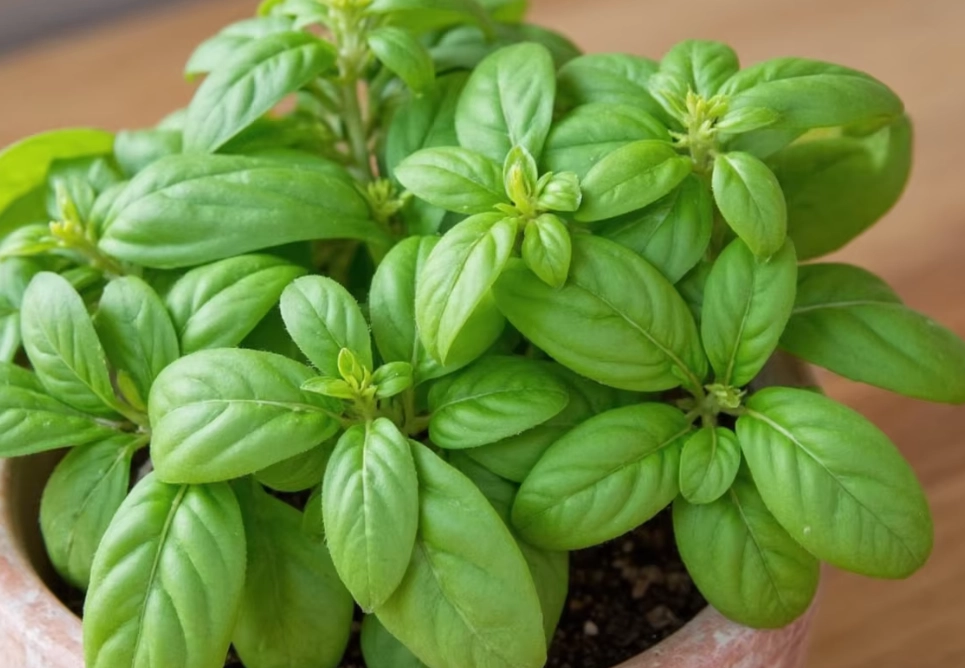
What's Inside This Guide?
The 5-Point Basil Care Checklist: Non-Negotiables
Think of these as the pillars. Get these right, and 90% of your problems vanish.
1. Sunlight: More Than You Think
"Full sun" on a plant tag means at least 6 hours of direct, unfiltered sunlight. A north-facing window is a death sentence. East or west can work, but south is king. I learned this the hard way with a "bright, indirect light" setup—my basil stretched out, searching for photons. If your indoor light is weak, get a simple LED grow light. 12-14 hours a day under one makes a world of difference.
2. Watering: The Finger Test is Gospel
Forget schedules. Overwatering is the #1 killer. The soil should feel like a wrung-out sponge—moist but not soggy. Stick your finger an inch into the soil. Dry? Water thoroughly until it runs out the drainage holes. Wait until the top inch dries out again. In hot summers, this might be daily. Indoors in winter, maybe once a week. A pot without drainage is a swimming pool for roots. Don't do it.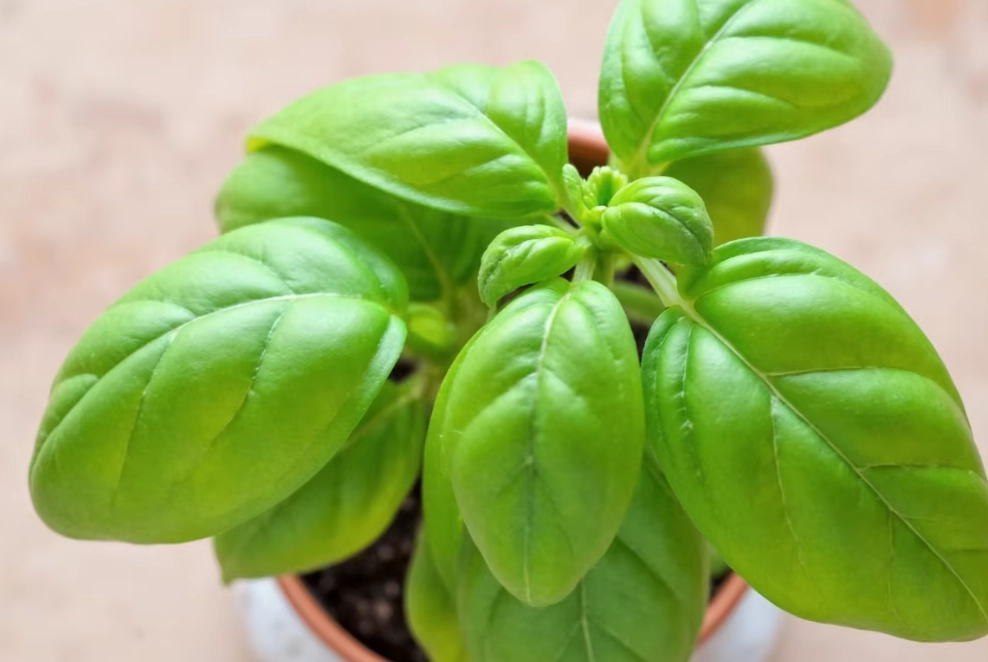
3. Soil & Feeding: Keep It Simple
Use a high-quality, well-draining potting mix. I mix in a handful of perlite for extra drainage. Basil is a moderate feeder. A balanced, water-soluble fertilizer (look for an NPK ratio like 10-10-10) every 3-4 weeks during the growing season is plenty. More is not better—it can lead to lush leaves with weak flavor.
4. Temperature & Humidity: Think Mediterranean
Basil hates the cold. Temperatures below 50°F (10°C) will stunt it or turn leaves black. Ideal range is 70-85°F (21-29°C). It also appreciates humidity. If your indoor air is dry (especially with AC or heat), misting the leaves lightly in the morning can help, but good air circulation is more critical to prevent fungal disease.
5. Pinching & Pruning: The Secret to Bushiness
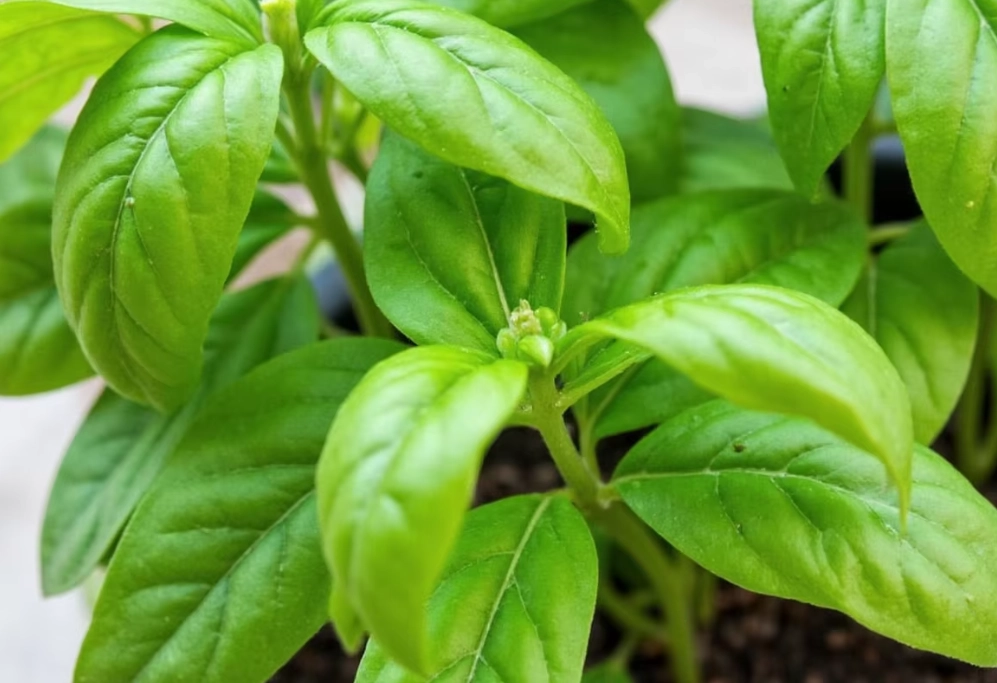
This is where most beginners hesitate. You must be ruthless. When your plant has 6-8 leaves, pinch off the top set. This forces it to branch out from the sides. Every time a branch gets 4-6 sets of leaves, pinch it back again. If you just pluck single leaves from the bottom, you'll get a tall, spindly plant. Pinching from the top creates a dense, leafy bush.
Diagnose & Fix Common Basil Plant Problems
Here’s a quick-reference table for the issues you're likely facing.
| Symptom | Likely Cause | Immediate Action |
|---|---|---|
| Yellowing leaves, starting at the bottom | Overwatering / Poor drainage | Stop watering. Let soil dry out completely. Check drainage holes. Repot if soil stays soggy. |
| Brown, crispy leaf edges | Underwatering, low humidity, or fertilizer burn | Water deeply and consistently. Check soil moisture daily in heat. Dilute fertilizer more. |
| Leaves curling with yellow/brown spots | Downy Mildew (fungal disease) | Remove affected leaves immediately. Improve air circulation. Avoid overhead watering. Consider a copper fungicide. |
| Tiny holes in leaves, silvery trails | Slugs or snails (outdoor) / Leaf miners | Handpick pests at night. Use diatomaceous earth around pots. For leaf miners, remove affected leaves. |
| Plant flowering (bolting) | Natural response to heat or stress | Pinch off flower buds immediately. The leaves become bitter after flowering. Consider letting it flower for bees and saving seeds. |
How to Choose the Right Basil for Your Needs
Not all basil is the same. Picking the right variety sets you up for success.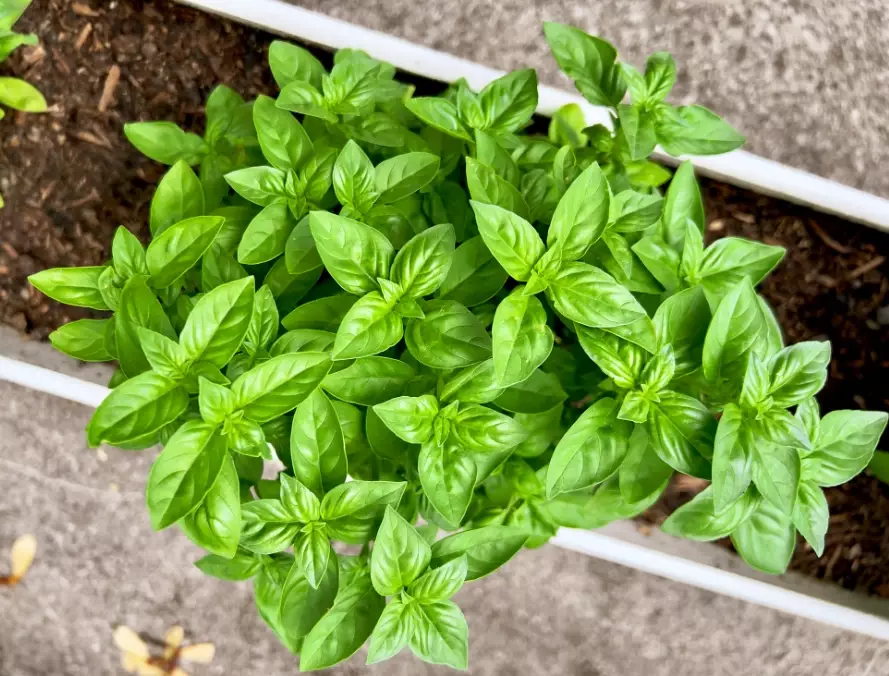
- Sweet Basil (Genovese): The classic for pesto. Large, tender leaves, iconic flavor. Best for full-sun gardens or large pots.
- Thai Basil: Purple stems, licorice-anise flavor. Incredibly heat-tolerant and slow to bolt. Essential for Southeast Asian cuisine.
- Lemon Basil & Lime Basil: Smaller leaves, vibrant citrus scent. Perfect for teas, seafood, and garnishes. Tends to be more delicate.
- Greek Basil (Bush Basil): Forms a perfect, compact globe of tiny leaves. Excellent for small pots, windowsills, and decorative edging.
- Holy Basil (Tulsi): Peppery, clove-like flavor. More for medicinal tea than cooking. Requires warmth and patience.
My go-to for a kitchen windowsill is a compact Greek basil. For a patio pot, I plant one robust Genovese. It's about matching the plant's habit to your space.
Pro Tips for Pruning and Continuous Harvest
Harvesting is just strategic pruning. The goal is to take enough for dinner without setting the plant back.
The Right Way to Harvest: Don't just snip random leaves. Find a stem with a pair of small, opposing leaves (called "leaf nodes") further down. Cut the stem about a quarter-inch above those nodes. Those two tiny buds will now grow into two new branches. You've just doubled your future harvest point from that spot.
How Much to Take: Never harvest more than one-third of the plant at once. This gives it enough leafy surface area to photosynthesize and recover quickly.
What about just plucking leaves? It's fine for a few garnishes. But for a real harvest—like making pesto—use the stem-cutting method above. It keeps the plant's structure intact and promotes growth.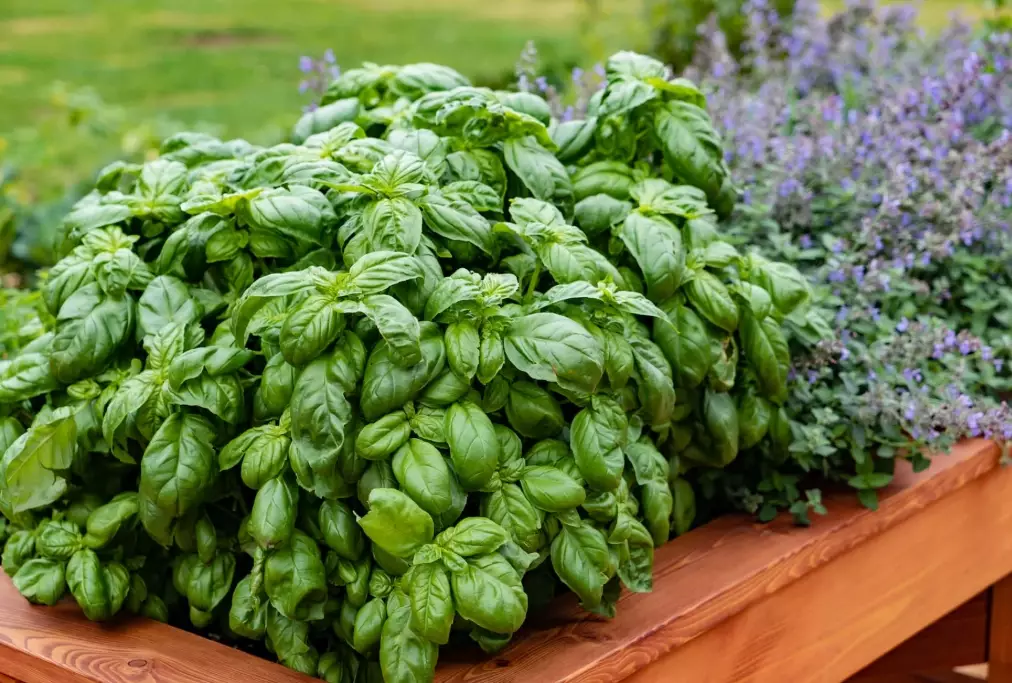
Your Top Basil Care Questions, Answered
 Is it better to grow basil from seeds or buy starter plants?
Reader Comments