Let's be honest. Traditional gardening can feel like a constant battle against the weather. One late frost wipes out your tomatoes. A scorching heatwave turns your lettuce to bitter mush. You're at the mercy of the calendar, with a growing season that feels frustratingly short. Greenhouse gardening flips the script. It's not about fighting nature; it's about creating your own perfect little slice of it. Imagine harvesting sun-ripened strawberries in March, crisp cucumbers in November, or fresh herbs for Christmas dinner. That's the real promise of a greenhouse—it turns gardening from a seasonal hobby into a year-round conversation with your plants.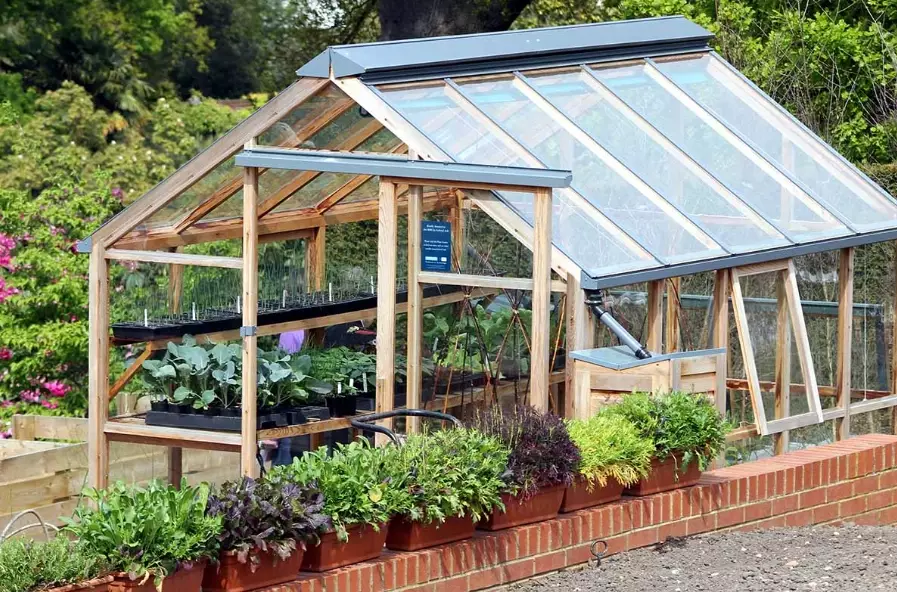
Your Quick Navigation Guide
The Real Reason You Need a Greenhouse (It's Not What You Think)
Most people think a greenhouse is just for extending the season. That's part of it, sure. But the bigger win is control. You control the temperature, the humidity, and to a large extent, the pests. This control unlocks things that are nearly impossible outside.
You can start seeds weeks earlier without turning your living room into a jungle of seed trays. You can grow heat-loving crops like peppers, eggplants, and melons even if you live in a cool, short-summer climate. You can protect tender perennials and overwinter plants that would otherwise die. The yield increase is staggering—plants grow faster, healthier, and produce more in the protected, optimized environment.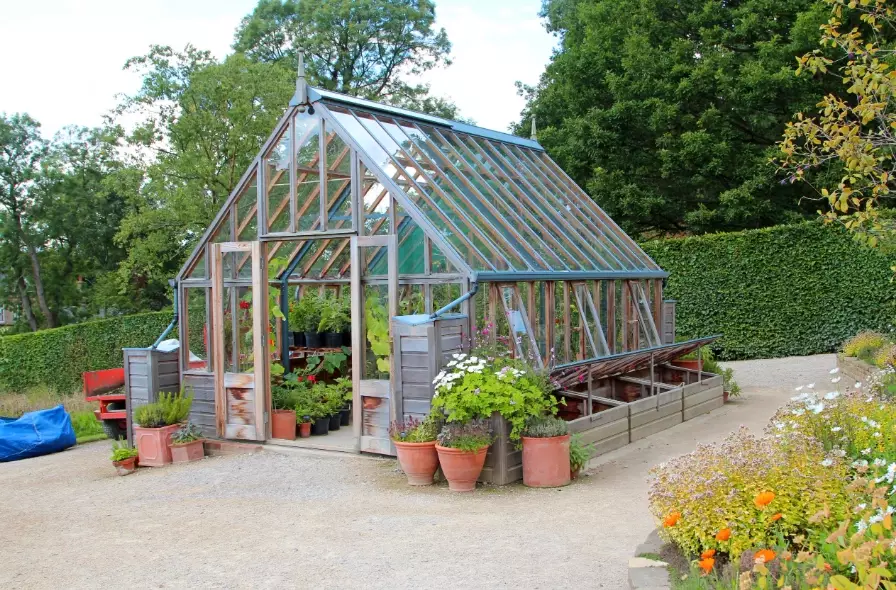
But here's the subtle mistake almost every new greenhouse gardener makes: they treat it like an outdoor garden with a roof. They plant the same way, water the same way. The environment is completely different. Things happen faster. Diseases can spread quicker in the humid air. Watering needs are unique. Success means adapting your entire mindset.
Choosing Your Greenhouse: A Reality Check
Walking into a garden center or browsing online can be overwhelming. Glass or polycarbonate? Wood or aluminum? 6x8 or 10x20? Let's cut through the marketing.
Material Showdown: Glass vs. Polycarbonate
Glass (Traditional) looks beautiful and offers superb light clarity. But it's heavy, expensive, and can break. Hail is its nemesis. It also provides less insulation, so heating costs can be higher. I love the aesthetic, but for most beginners, it's a high-maintenance choice.
Polycarbonate (Twin-wall or multi-wall) is the practical favorite for a reason. It's lightweight, incredibly tough (virtually unbreakable), and provides excellent insulation due to the air pockets between the walls. The light is slightly diffused, which is actually better for plants—it reduces scorching and creates softer shadows. The downside? It can scratch and may yellow slightly over many years (though modern UV-coated panels are much better). For value and function, polycarbonate wins for most home setups.
Size and Foundation: The Two Biggest Regrets
Buy the biggest greenhouse you can afford and fit. I've never met a gardener who said, "I wish I'd bought a smaller one." You fill the space faster than you think. A 6x8 structure might seem big until you add shelving, a workbench, and a few tomato plants.
More critical than the frame material is the foundation. A wobbly base will destroy even the best greenhouse. It must be perfectly level and solid. A poured concrete perimeter or solid timber base anchored into the ground is ideal. Never just place it on pavers or dirt. Wind will find the weakness.
Location, Location, Location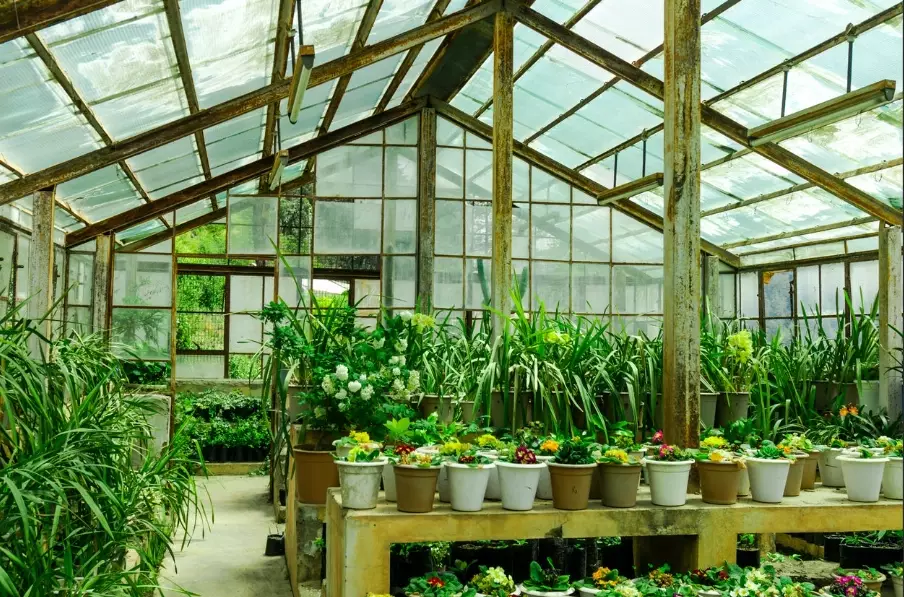
Full sun is non-negotiable. At least 6 hours of direct sun in winter. Orient the long side facing south (in the Northern Hemisphere) to maximize light capture. Consider proximity to water and electricity. Dragging a hose 100 feet in February is no fun. Think about wind exposure and shelter from falling branches.
Setting Up & Maintaining Your Growing Oasis
Your greenhouse is up. Now what? This is where the real gardening begins.
The Non-Negotiable Basics: Ventilation, Watering, Heating
Ventilation is the most overlooked element. On a sunny day, even in winter, temperatures can soar to plant-frying levels in minutes. You need automatic vent openers—they use a wax cylinder that expands with heat to open roof vents. They're cheap, reliable, and work 24/7. Add side vents or a louver for cross-breeze. A small exhaust fan can be a game-changer in summer.
Watering shifts from casual to critical. Containers dry out faster. Drip irrigation on a timer isn't a luxury; it's a sanity-saver. It delivers water directly to the roots, keeps leaves dry (reducing disease), and lets you go away for a weekend without worry.
Heating depends on your goals. To keep it frost-free for overwintering plants, a simple thermostatically controlled electric greenhouse heater may suffice. For true winter growth, you'll need more robust heating. Insulating the north wall with bubble wrap can slash heating costs by 30%.
Pest and Disease Management: The Proactive Approach
The enclosed space can be a paradise for aphids, whiteflies, and spider mites. Prevention is everything.
- Hygiene: Keep it clean. Remove dead leaves immediately.
- Inspection: Check the undersides of leaves every time you're in there.
- Biological Controls: This is the secret weapon. Introduce predatory insects like Encarsia formosa for whitefly or Phytoseiulus persimilis for spider mites. They're available by mail order and will patrol your plants. It feels like having a tiny security team.
- Airflow: Good ventilation prevents the stagnant, humid air that fungal diseases love.
| Essential Tool | Purpose | Why It's a Game-Changer |
|---|---|---|
| Maximum-Minimum Thermometer | Tracks daily high/low temps | You can't manage what you don't measure. Shows if your heating/ventilation is working. |
| Shade Cloth (40-50%) | Cuts sunlight intensity in summer | Prevents leaf scorch and lowers temperature by 10-15°F instantly. |
| Thermostatic Fan Heater | Provides heat with air circulation | Prevents cold, damp spots where mold grows. Circulated heat is more efficient. |
| Capillary Matting | Felt-like mat that wicks water | Place pots on it for consistent, bottom-up watering. Perfect for seedlings. |
| Alcohol Wipes | For cleaning tools and hands | Stops you from spreading viruses or pests from one plant to another. |
What to Grow in Your Greenhouse: A Seasonal Roadmap
Now for the fun part. Your greenhouse calendar looks different.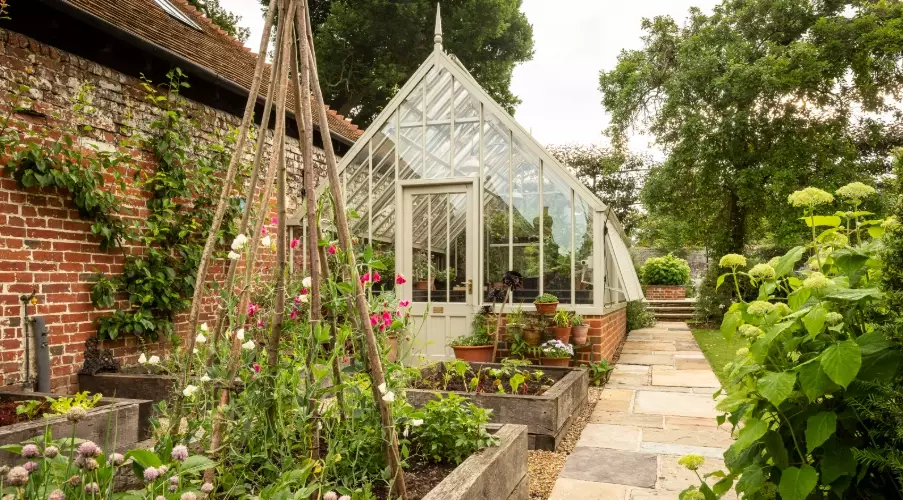
Late Winter/Early Spring (Jan-Mar): This is seed-starting prime time. Onions, leeks, celery, early brassicas (cabbage, broccoli), and flowers. You can also force an early crop of radishes, baby carrots, and spinach in pots.
Spring (Apr-May): Transition time. Harden off your seedlings. Now plant your tender summer stars: tomatoes, peppers, cucumbers, eggplants. Start them in large containers or grow bags with fresh potting mix. They'll be producing weeks before outdoor plants.
Summer (Jun-Aug): Heat management is key. Shade cloth goes up. Your tomatoes and cucumbers will be in full swing. You can also experiment with exotic warmth-lovers like okra or sweet potatoes. Ensure constant watering and watch for pests.
Fall/Winter (Sep-Dec): As summer crops fade, replant with cold-tolerant crops. This is the greenhouse's sweet spot. Sow or plant lettuce, kale, Swiss chard, spinach, arugula, carrots, beets, and hardy herbs like parsley, cilantro, and chervil. With minimal or no heat, you'll have fresh salads all winter.
Greenhouse Gardening: Your Questions, Answered
 Everything in my greenhouse seems to get mold or mildew. How do I fix the humidity?
Reader Comments