I lost an entire growing season once. It was early spring, full of hope. I carefully planted two packets of heirloom tomato seeds I'd saved from a fantastic harvest two years prior. I watered, I waited. A few stragglers popped up, but most of the seed cells stayed stubbornly empty. Weeks wasted. That's when I stopped trusting dates on packets and started testing seed germination myself. It's not just for scientists; it's the single most practical thing a gardener can do to save money, time, and heartache.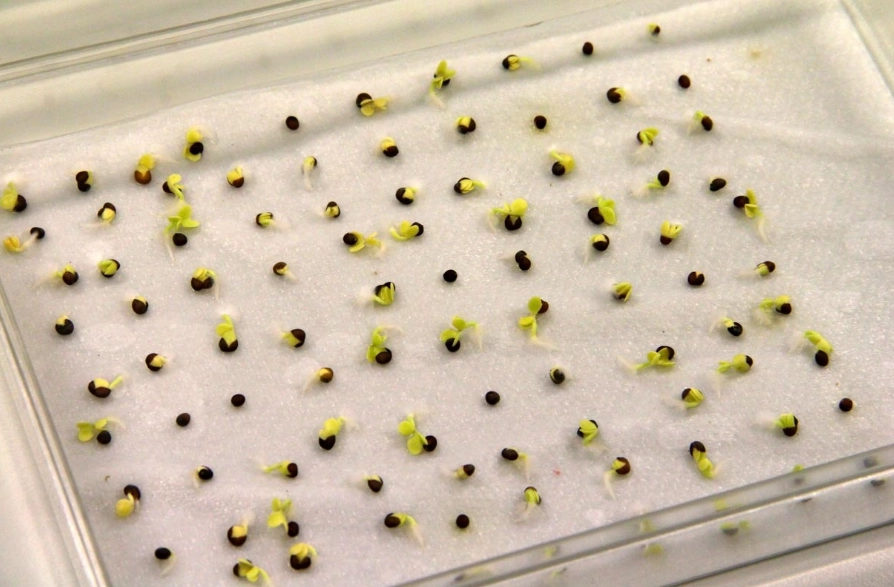
What You'll Learn in This Guide
Why Bother Testing Seed Germination?
You wouldn't build a house on a shaky foundation. Planting untested seeds is the gardening equivalent. That date on the seed packet? It's a "packed for" date, not an expiration date. Viability—a seed's ability to sprout—declines at different rates. Parsnip seeds might give up after a year, while tomato seeds can last a decade under good conditions.
Testing tells you the germination rate: the percentage of seeds that are actually alive. This number is your key to making smart decisions.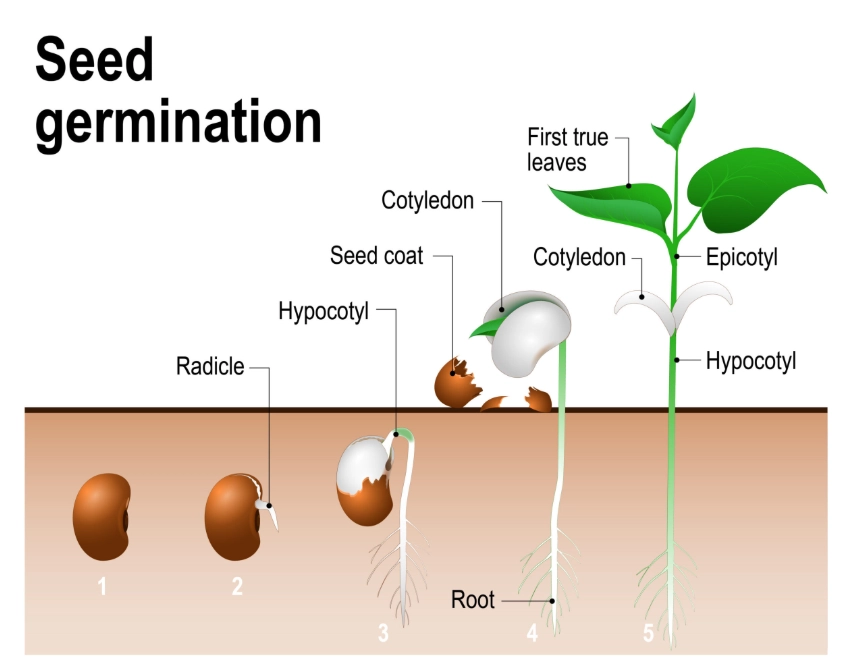
Here's the payoff: A 50% germination rate doesn't mean you throw the seeds away. It means you plant twice as many in each cell. You're not gambling; you're adapting. You save money by using old seeds effectively, and you avoid the crushing disappointment of empty garden rows. For seed savers, it's non-negotiable—it's how you know your saved genetics are still viable.
How to Perform the Paper Towel Germination Test
This is the fast, clean favorite. You get results in days, not weeks.
Gather Your Supplies
You need: paper towels (the plain, unbleached kind are best), a sealable plastic bag or container, a permanent marker, water, and the seeds you want to test. A spray bottle is handy.
The Step-by-Step Process
- Label First: Write the seed variety and date on the bag with your marker. Do this now. You will forget later.
- Moisten the Towel: Dampen a paper towel so it's fully wet but not dripping. Wring it out thoroughly. Soggy towels rot seeds.
- Place the Seeds: Lay the seeds on one half of the towel, spacing them out so roots won't tangle. Fold the other half over to cover them.
- Bag It: Slide the folded towel into the plastic bag. Seal it most of the way to retain moisture but leave a tiny gap for minimal air exchange. Don't seal it airtight.
- Find the Right Spot: Place the bag somewhere warm. Top of the fridge, on a seedling heat mat, or simply a warm counter. Most seeds don't need light to germinate, just warmth and moisture.
- Check Daily: Look for mold (a sign of too much moisture) and for little white roots (success!). Keep the towel damp with a light spray if it dries.
A subtle mistake I see all the time: People use coffee filters or thick napkins instead of paper towels. These often dry out unevenly or stay too wet in patches, giving unreliable results. Standard paper towels provide consistent moisture distribution. Stick with them.
The Soil Test Method: Simulating Real Conditions
Some seeds are finicky. They don't like the disturbance of the paper towel method or need soil contact to trigger germination. Carrots, parsnips, and some flowers fall into this category. The soil test is slower but more realistic.
Fill a small pot or seed tray with a fine, moist seed-starting mix. Plant the seeds at their recommended depth. Label clearly. Cover the tray with a plastic dome or bag to keep humidity high. Place it in your normal germination area. Then, wait. Count the seedlings that emerge.
The downside? It takes as long as a normal planting cycle. The upside? It accounts for soil temperature and density factors the paper towel test misses.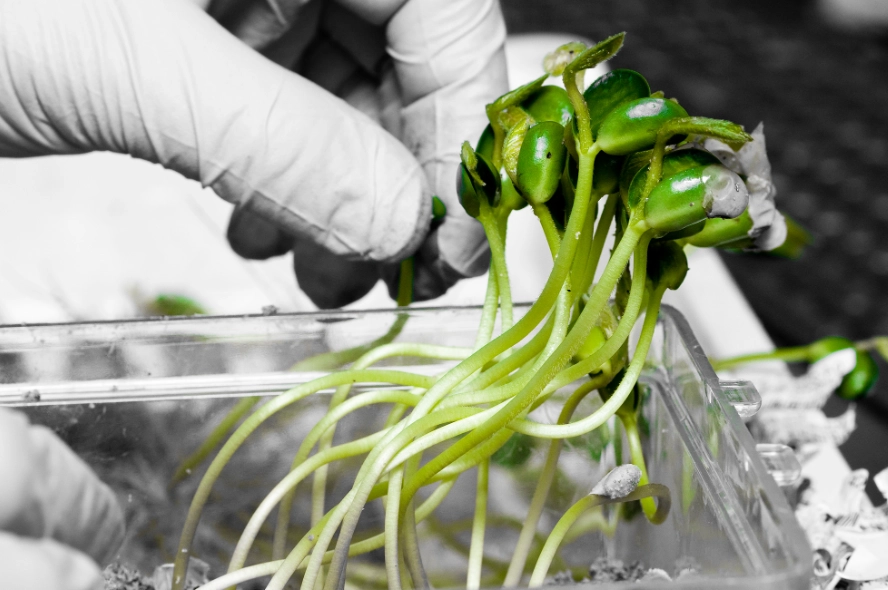
| Method | Best For | Time to Results | Key Advantage | Biggest Pitfall |
|---|---|---|---|---|
| Paper Towel Test | Fast results, most vegetable seeds (tomatoes, peppers, beans, lettuce) | 3-10 days | Quick, visual, space-efficient | Can over-saturate, doesn't work for all species |
| Soil Test | Seeds sensitive to transplanting, precise depth requirements (carrots, poppies) | 1-3 weeks | Simulates real growing conditions | Slower, uses more space and soil |
How to Calculate Your Germination Rate (It's Not Just Counting)
So you have 10 seeds on a towel and 7 sprouted. Your rate is 70%. Simple. But for a useful test, you need a good sample size. Testing 5 seeds isn't enough; a 4/5 result (80%) could be luck. I recommend a minimum of 10 seeds, and 20-25 is ideal for a really reliable number.
The formula is: (Number of Sprouted Seeds / Total Seeds Tested) x 100 = Germination Rate %.
Now, what does that number mean?
- 90-100%: Excellent. Plant as normal.
- 70-89%: Good. You can use these seeds confidently. Maybe plant one extra per cell if you're a perfectionist.
- 50-69%: Fair. Definitely plant thicker. Sow 2-3 seeds per hole where you'd normally plant one.
- Below 50%: Poor. It's probably time to buy fresh seed, unless the seed is very rare. You can still try planting very densely, but be prepared to thin aggressively.
That 70% rate on my old tomatoes? It meant I should have planted 3 seeds per cell, not 2. Lesson learned.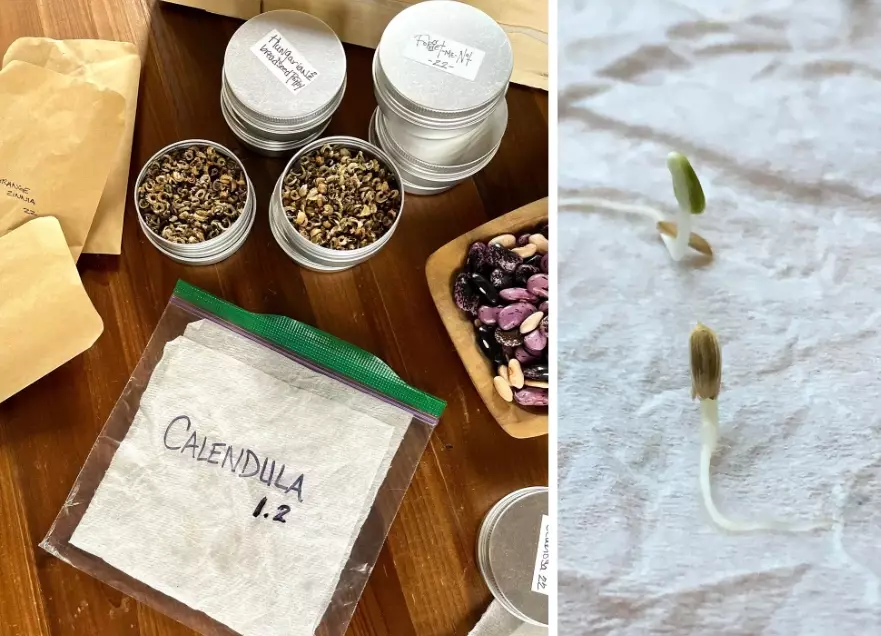
Common Mistakes That Ruin Your Seed Germination Test
Getting a false low rate is worse than not testing. Here’s what screws it up.
1. The Drowning Towel
Seeds need moisture and oxygen. A soaking wet, sealed bag drowns them. They rot instead of sprouting. Your towel should feel like a well-wrung sponge, not a swamp.
2. Testing at the Wrong Temperature
Pepper seeds want it hot—80°F (27°C) or warmer. Lettuce prefers it cooler, around 65°F (18°C). If you test pepper seeds on a cool windowsill, you'll get a terrible rate and blame the seeds. Check the ideal germination temperature for your crop. A cheap heat mat is a game-changer for testing warm-season seeds.
3. Giving Up Too Soon
Seed packets say "germinates in 7-14 days." That's under ideal conditions. Old or dormant seeds take longer. For a true test, you need to give them the full expected time, plus maybe 50% extra. Don't toss the test after a week if the species typically takes two.
4. Ignoring Seed Dormancy
This is the expert-level pitfall. Some seeds, like many native flowers or certain herbs, have built-in dormancy mechanisms. They might need a period of cold (stratification) or their hard seed coat nicked (scarification) before they'll germinate. Testing them straight from the packet will show 0%. Research if your seeds have special needs. The University of California's Master Gardener program has great resources on this.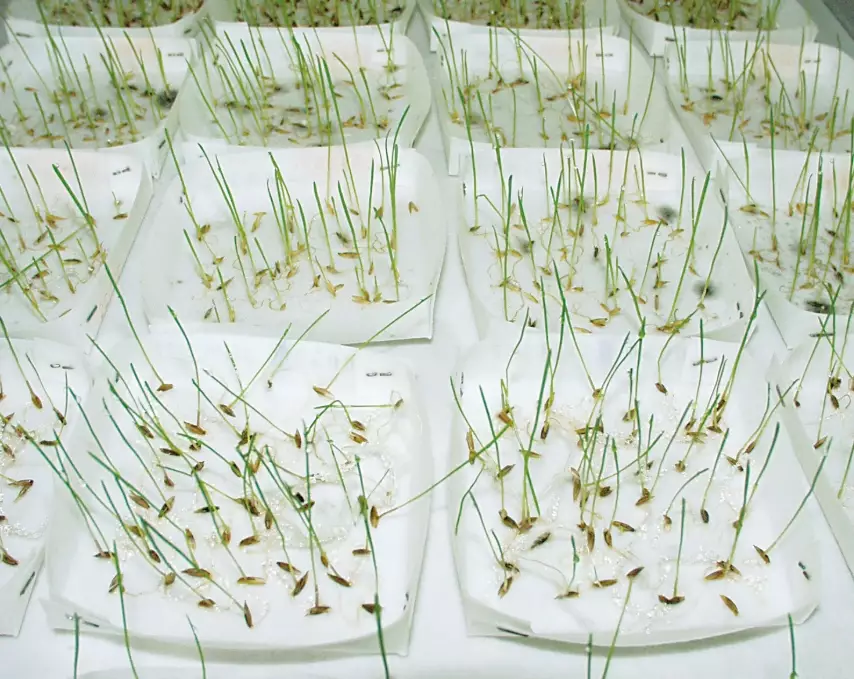
Your Germination Test Questions Answered
 My test showed mold but also some sprouts. Is the rate still accurate?
Testing seed germination shifts you from a passive planter to an active garden manager. It turns unknown variables into simple math. That bag of seeds from 2019 isn't trash; it's a 60% germination rate waiting for you to plant accordingly. Grab some paper towels, test a few, and take the guesswork out of your next garden. You'll gain confidence and save more seeds than you ever thought possible.
Reader Comments