Let's be honest. Traditional in-ground gardening can be a pain. The backaches from constant bending, the frustration of clay soil that won't drain, the weeds that seem to appear overnight, and the neighborhood critters treating your lettuce like a buffet. I've been there. For years, I fought with my garden plot until I finally switched to raised veg beds. It wasn't just an upgrade; it felt like discovering gardening for the first time.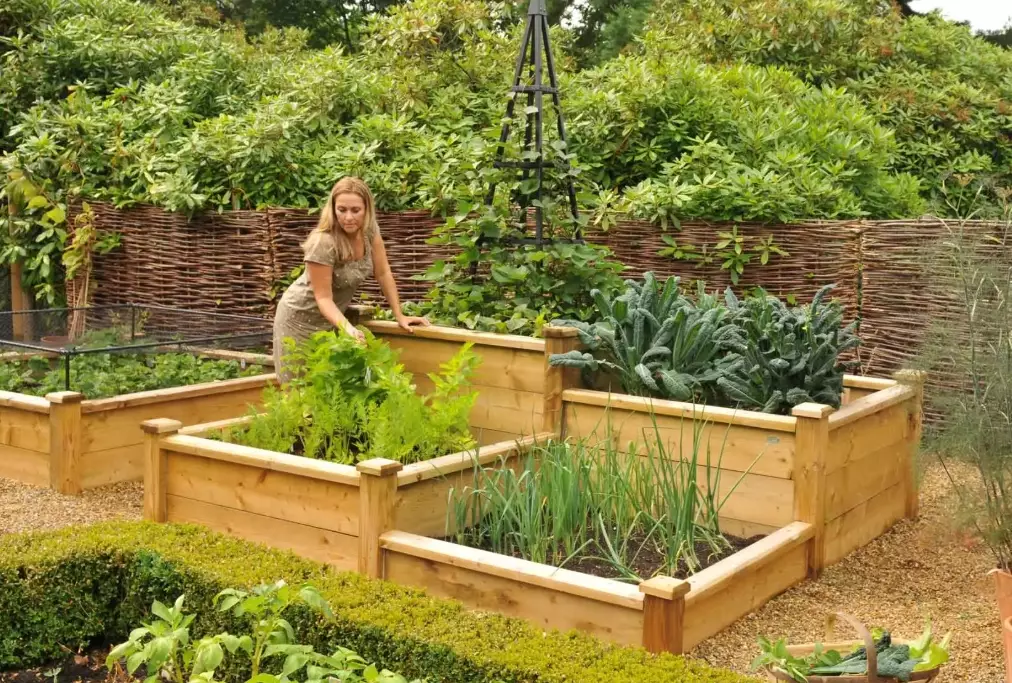
Raised beds are exactly what they sound like: garden beds elevated above the natural ground level, contained within a frame. But that simple definition hides a revolution in how you can grow food. They give you complete control over your soil, drastically reduce physical strain, and can turn a lousy patch of land into a hyper-productive vegetable factory.
In This Article
What Are Raised Veg Beds and Why You Need Them
Think of a raised bed as a giant, managed planter box for vegetables. You're not just piling dirt on the ground. You're creating a defined, deep, and loose environment for roots to thrive. The benefits aren't just marketing fluff; they're tangible changes you'll notice in your first season.
Warmer Soil, Earlier Harvests. Soil in a raised bed warms up faster in spring. This lets you plant cool-season crops like peas and spinach weeks earlier. I get my lettuce started while my neighbor's ground is still soggy and cold.
Superior Drainage. If you've ever watched your tomatoes drown in a rainy week, you'll appreciate this. Loose, deep soil means water drains through, preventing root rot. No more puddles.
Complete Soil Control. This is the big one. You fill the bed with whatever mix you want. Forget amending your native clay or sand for years. You start with perfect, fluffy, nutrient-rich soil on day one. According to the University of Maryland Extension, this is the single biggest factor for success in raised bed vegetable gardening.
Easier on Your Body. Less bending, less kneeling. For me, this was the game-changer. Beds that are 18-24 inches high are a back-saver. You can even build them on legs for true waist-high gardening.
Fewer Weeds and Better Pest Control. Starting with clean soil means fewer weed seeds. The defined edges also make it easier to spot and remove invaders. You can even attach physical barriers like hardware cloth to the bottom to deter burrowing pests like voles.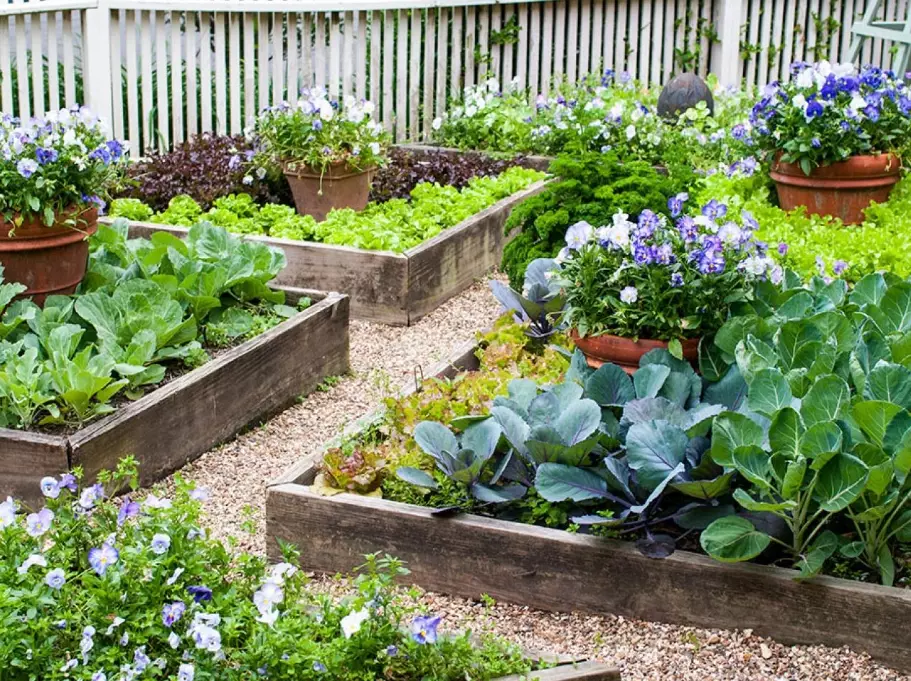
A subtle mistake I see all the time: People build their raised bed directly on compacted lawn or poor soil and think the job is done. The roots of your plants will eventually grow down into that native soil. If it's impenetrable, you've just created a shallow container that dries out fast. Always loosen the ground underneath the bed area with a fork before placing your frame. It makes a world of difference for deep-rooted crops.
How to Build Your First Raised Veg Bed (Step-by-Step)
You don't need to be a master carpenter. A simple rectangular bed is a weekend project. Let's walk through building a classic 4ft x 8ft bed, about 18 inches tall—a great starter size that's easy to reach across.
Step 1: Location, Location, Location. Pick a spot that gets at least 6-8 hours of direct sun. Watch the sun patterns in your yard for a few days. Avoid low spots where water collects. Ensure you have easy access to a water source.
Step 2: Gather Your Tools and Materials. For a wood bed, you'll need: three 8-foot long 2x12 boards (cut one in half for the 4ft sides), exterior-grade screws, a drill, a shovel, a level, and a tape measure. For the filling, you'll need soil components (more on that next).
Step 3: Prep the Site. Clear the grass and weeds from a 4ft x 8ft area. Use a garden fork to loosen the top 6-8 inches of soil in that patch. Don't skip this. It improves drainage and allows roots to penetrate deeper.
Step 4: Assemble the Frame. Construct the rectangle on a flat surface. Pre-drill holes to prevent the wood from splitting. Screw the corners together securely. Carry the assembled frame to your prepared site. Place it down and use a level to make sure it's… well, level. A slightly unlevel bed isn't a disaster, but it can cause uneven watering.
Step 5: The Optional Liner. If you have a major weed problem (like persistent bindweed or quackgrass), consider lining the bottom with a single layer of cardboard. It will smother weeds but eventually decompose. Do not use plastic sheeting—it will create a drainage nightmare.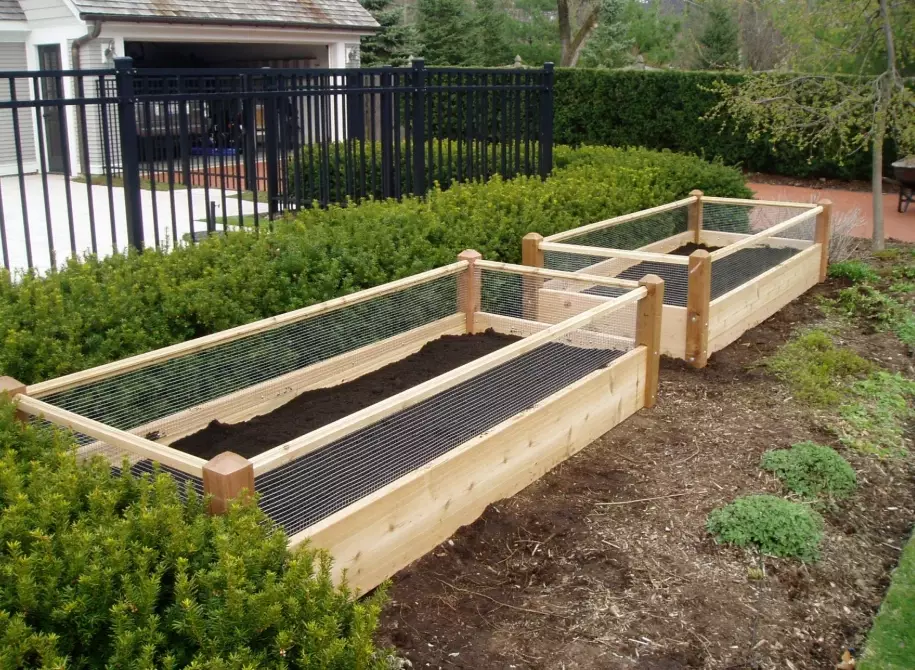
Choosing the Right Materials: A Cost & Durability Guide
Wood is popular, but it's not your only option. Each material has pros and cons that affect your budget and the bed's lifespan.
| Material | Estimated Cost (for a 4'x8' bed) | Expected Lifespan | Key Considerations |
|---|---|---|---|
| Untreated Pine/Fir | $40 - $60 | 3-5 years | Cheapest upfront, will rot. Avoid old railroad ties or treated wood with arsenic. |
| Cedar or Redwood | $120 - $200 | 10-15+ years | Naturally rot-resistant, beautiful, higher initial cost but worth it for longevity. |
| Composite Lumber | $150 - $300 | 15-20+ years | Made from recycled plastic/wood, very durable, no rotting, can get hot in sun. |
| Corrugated Metal | $100 - $180 | 15+ years | Modern, industrial look. Ensure it has a protective coating. Can heat soil edges. |
| Cinder Blocks/Bricks | $70 - $150 | Permanent | Very sturdy, heavy. Cinder blocks can alter soil pH over time (slightly alkaline). |
My personal take? I started with cheap pine and regretted it when it started falling apart in year four. I replaced it with cedar, and eight years later, it's still solid. The composite beds at my community garden look brand new after a decade. Spend more now, save money and hassle later.
The Art of Filling Your Raised Bed: Soil Secrets
This is where you make or break your garden. Don't just shovel in dirt from your yard. You're creating a living ecosystem. A common, excellent recipe is called “Mel's Mix,” popularized by Square Foot Gardening: 1/3 blended compost, 1/3 peat moss or coconut coir, and 1/3 coarse vermiculite.
Let's break down why this works and some practical alternatives.
Compost is the nutrient engine. Use a blend of different composts if you can—mushroom, worm castings, homemade, municipal. Diversity feeds the soil microbiome. I get two different bags from the garden center and mix in some of my own.
Peat Moss or Coconut Coir holds moisture and keeps the soil light. Peat is common but its harvest is environmentally contentious. Coir (made from coconut husks) is a great renewable alternative, though it can be pricier.
Vermiculite or Perlite provides aeration and prevents compaction. Your soil needs air pockets for roots to breathe. Vermiculite also holds some water and nutrients.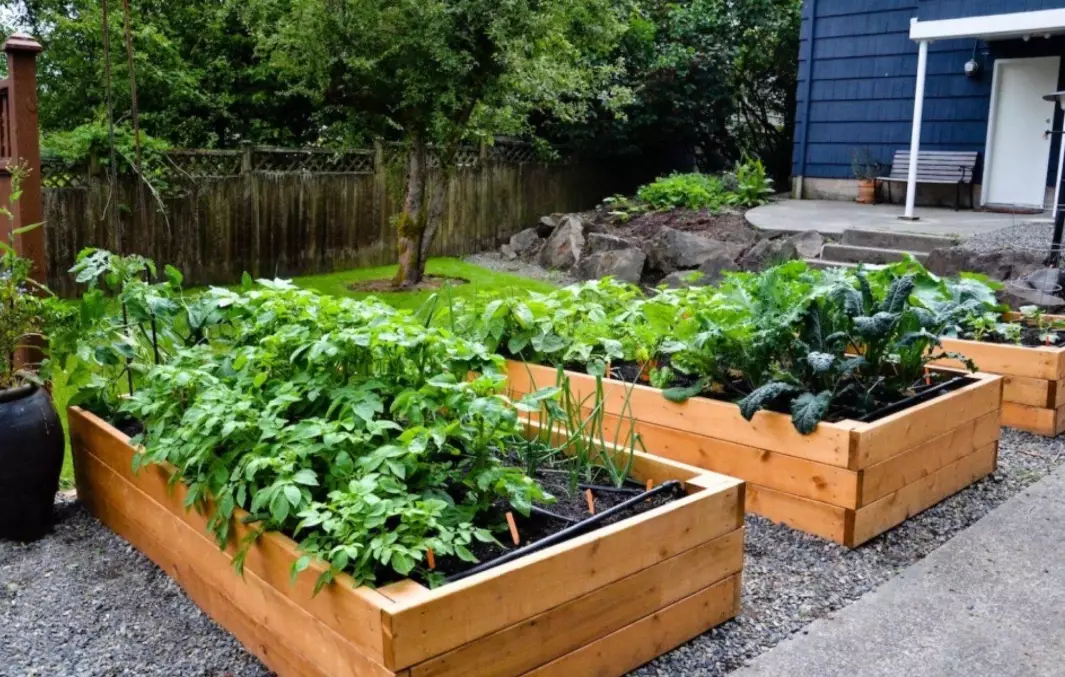
Budget-Friendly Filling Trick: Filling a deep bed with 100% premium mix gets expensive. You can use a technique called “hugelkultur” at the bottom. Fill the lower third to half of the bed with logs, sticks, leaves, grass clippings, and other yard waste. Top with your perfect soil mix. The organic matter underneath decomposes slowly, providing nutrients and acting like a sponge to retain water. It saves a ton on soil cost.
Planting and Maintenance in a Raised Garden
Planting in raised beds follows the same principles as in-ground, but with some advantages you can leverage.
Intensive Planting. You can plant more in less space because the soil is so rich. Follow spacing guidelines on seed packets for the “intensive” or “raised bed” recommendation. Forget those wide rows you see on farm plots.
Succession Planting. When one crop is done (like spring radishes), you immediately plant another (like bush beans) in its spot. The long, warm season in a raised bed lets you get 2-3 crops from one space.
Watering. Raised beds drain well, which means they can also dry out faster in hot weather, especially when newly planted. Deep, less frequent watering is better than daily sprinkles. A soaker hose or drip irrigation system laid on the soil surface is the gold standard. It saves water and keeps leaves dry, preventing disease.
Feeding. Your fantastic soil will feed plants for a season. After that, you need to replenish. Top-dress with an inch of fresh compost each spring. You can also use organic, slow-release fertilizers as needed based on what you're growing. Leafy greens need more nitrogen; tomatoes need more potassium.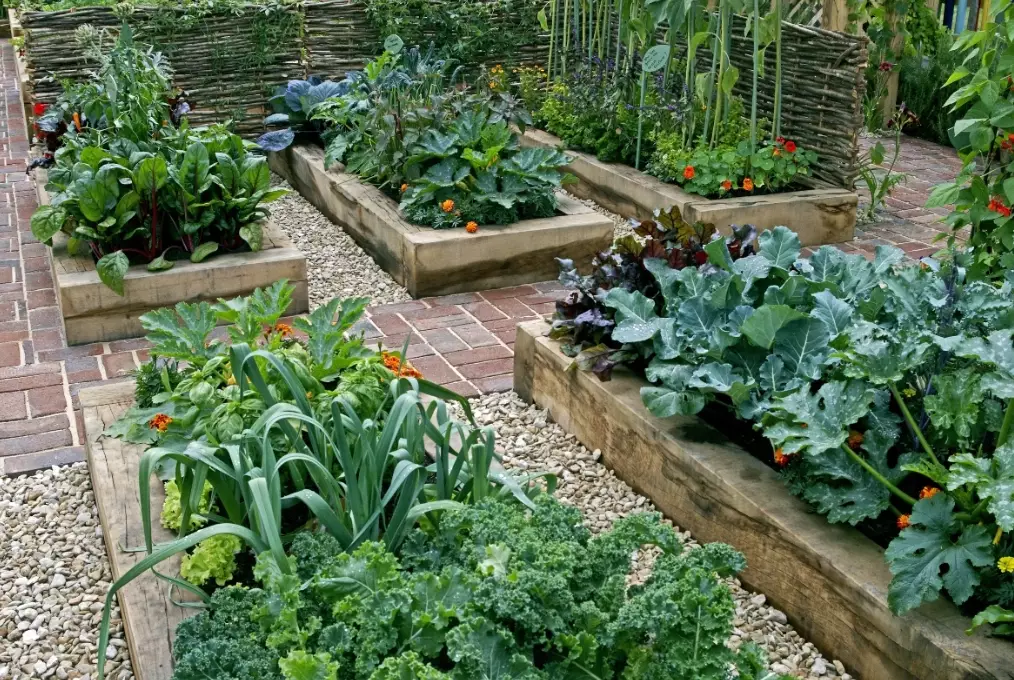
Your Raised Bed Questions, Answered
How deep should a raised veg bed be for tomatoes?
Can I put a raised bed on a concrete patio or driveway?
What's the biggest mistake beginners make with raised bed soil?
Do I need to rotate crops in a raised bed like farmers do in fields?
Are raised beds worth the cost and effort compared to just improving my native soil?
Reader Comments