Let's be honest, the traditional lawn is a high-maintenance relic. You water it constantly, feed it chemicals, and spend your Saturdays pushing a mower back and forth. I gave up on that struggle years ago. The turning point for me was a shady, damp corner where grass refused to grow, no matter what I did. That's when I discovered the world of Carex, a genus of plants often called sedges. It wasn't just a substitute; it was an upgrade. Carex offers texture, movement, and a relaxed, natural beauty that a manicured turf lawn can't match. More importantly, it asks for very little in return. If you're looking for a landscape that's easier on your time, your wallet, and the environment, understanding Carex is your first step.
What You'll Find in This Guide
Why Choose Carex Over Traditional Grass?
Think of Carex as the low-key, high-reward member of the ornamental grass family. It's not a true grass but a sedge, which you can remember with the rhyme "sedges have edges"—their stems are typically triangular in cross-section. This isn't just botany trivia; it contributes to their tough, clumping growth habit.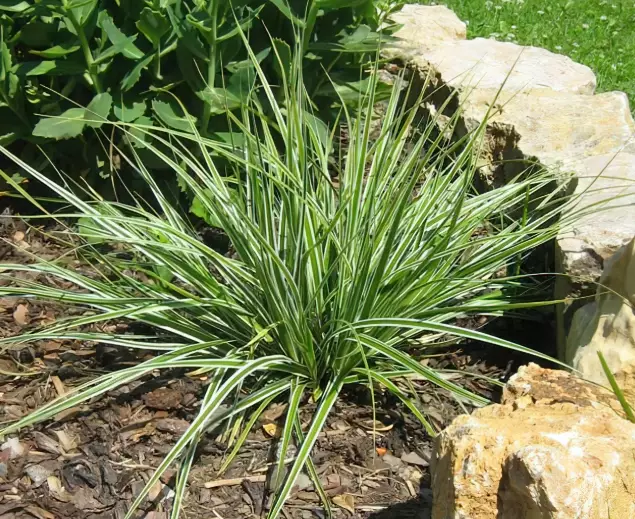
The benefits are substantial:
Dramatically Less Watering: Once established, most Carex species are remarkably drought-tolerant. They have deep root systems that seek out moisture, unlike the shallow roots of Kentucky bluegrass that demand weekly soakings. During a hot summer a few years back, while my neighbor's lawn turned brown and crispy under water restrictions, my patch of Carex testacea (Orange New Zealand Sedge) just got more vibrantly colored.
Say Goodbye to Weekly Mowing: This is the big one. Carex grows in tidy clumps or spreading mats. You might trim it back once a year in late winter, but that's it. No more engine noise, no more grass clippings, no more lost weekends.
Thrives Where Grass Fails: This is where Carex truly shines. Got deep shade under a maple tree? Try Carex plantaginea (Seersucker Sedge). Have a perpetually soggy area near a downspout? Carex muskingumensis (Palm Sedge) will love it. It solves problem spots elegantly.
Ecological Bonus: The dense clumps provide shelter for beneficial insects and ground-feeding birds. You're not just gardening; you're building a tiny habitat.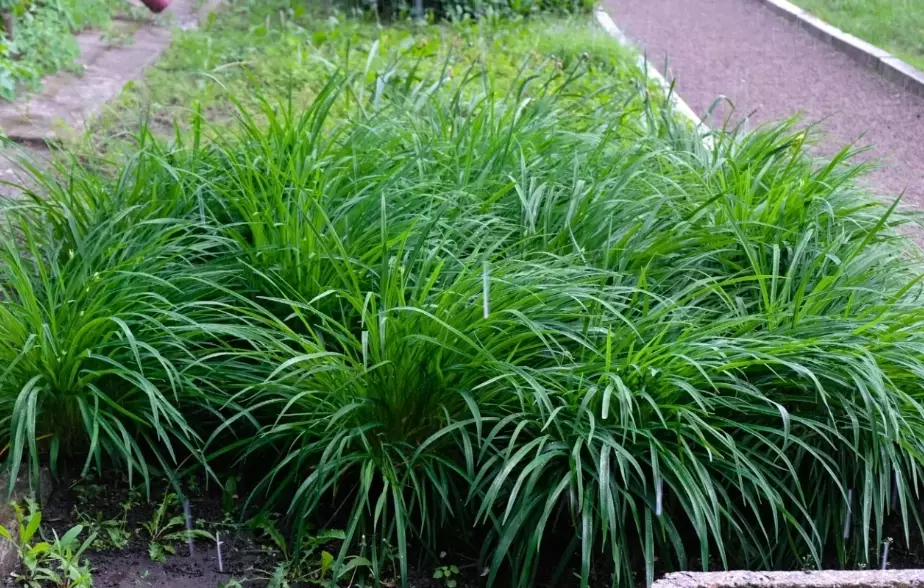
A quick reality check: Carex won't give you a perfect, emerald-green carpet for playing football on. If that's your goal, stick with turf. But if you want a beautiful, dynamic, and sane-making landscape, it's the superior choice.
Planting Carex: A Simple Step-by-Step Guide
Getting Carex started is straightforward. The biggest mistake I see? Planting a sun-loving variety in deep shade, or vice-versa. Always check the tag. Here's how to do it right.
Timing and Site Selection
Early fall is the absolute best time. The soil is warm, the air is cooler, and rains are more frequent, giving the roots a long, stress-free period to establish before summer heat. Spring is the second-best option.
Observe your site for a full day. How many hours of direct sun does it get? Match that to the plant's needs. Most Carex prefer part-shade to full shade, but some, like Carex pensylvanica, can handle more sun if the soil stays moist.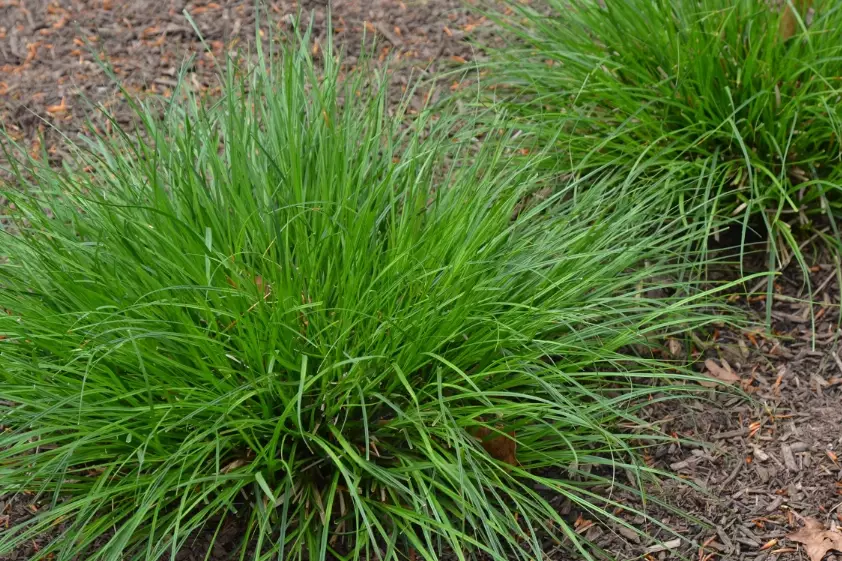
The Planting Process
- Prep the Soil: Break up the existing ground. If you're replacing lawn, you need to remove the sod or smother it with cardboard for a season. Carex isn't great at competing with aggressive grass roots initially. Work in some compost. They like decent drainage, even the moisture-loving types.
- Dig and Place: Dig a hole about twice as wide as the pot and the same depth. Gently tease out the roots if they're circling the pot. Place the plant so the crown (where stems meet roots) is level with the soil surface.
- Spacing is Key: For a groundcover effect, space plants according to their spread. If a variety spreads 12 inches, place them 10-12 inches apart. They'll grow together in a year or two. For accent clumps, give them more room to show off their form.
- Water Deeply: Soak the area thoroughly after planting. This settles the soil and eliminates air pockets.
For the first season, water regularly—about an inch per week if rain doesn't provide it. After that, they largely fend for themselves.
Ongoing Care and Maintenance (It's Minimal)
Here's the annual to-do list. It's short.
Watering: Established plants rarely need supplemental water except in extreme, prolonged drought. If the leaves start to curl or look dull, give them a deep soak.
Feeding: I don't fertilize mine. At most, a top-dressing of compost in early spring provides all the nutrients they need. Over-fertilizing leads to floppy, weak growth—the opposite of what you want.
The Annual Trim: In late winter or very early spring, before new growth starts, grab your hedge shears or a string trimmer. Cut the entire clump back to within a few inches of the ground. It looks brutal for a week, but then fresh, bright green shoots erupt. This removes old, tattered foliage and keeps the plant looking vibrant. Some evergreen types may only need a light combing-through with your fingers to remove dead blades.
Division: Every 3-4 years, a clump might get too big or die out in the center. In early spring, dig it up, and use a sharp spade to chop it into fist-sized sections. Replant one, give the others away, or expand your planting.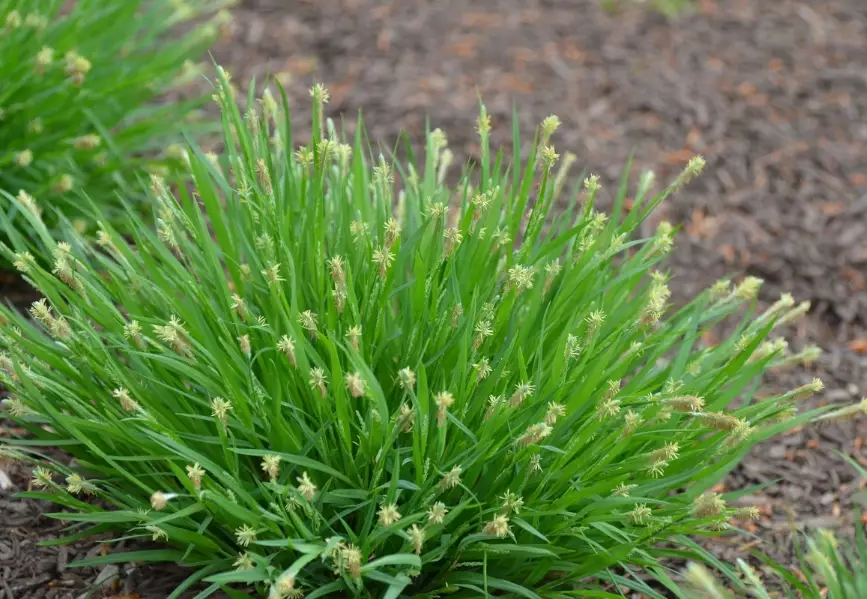
5 Top Carex Varieties for Different Garden Challenges
With over 2,000 species, there's a Carex for almost everything. Don't just grab the first one you see. Picking the right one solves specific problems. Here are my top performers.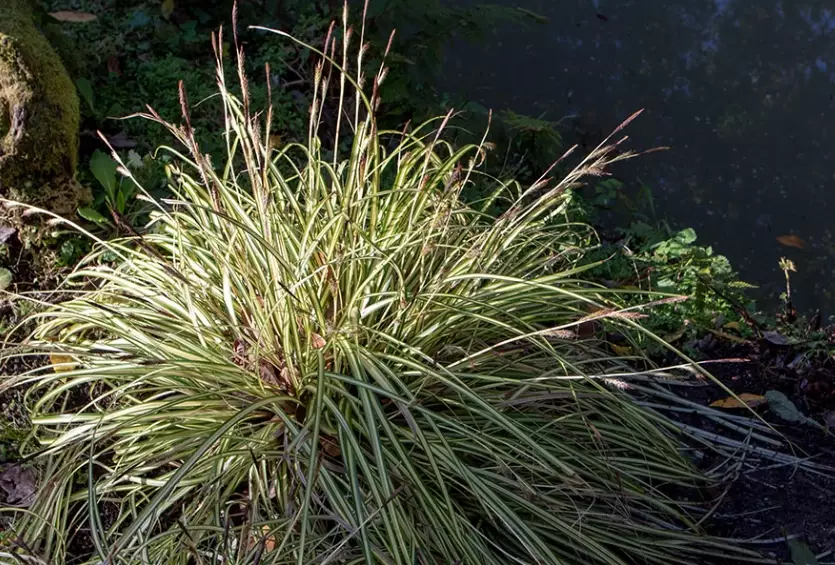
| Variety Name | Key Feature & Look | Best For | Light Needs | Hardiness Zones |
|---|---|---|---|---|
| Carex pensylvanica (Pennsylvania Sedge) | Fine, bright green arching blades. Forms a soft, lawn-like carpet. | A native groundcover for dry shade. The ultimate lawn replacement under trees. | Part Shade to Full Shade | 3-8 |
| Carex testacea (Orange New Zealand Sedge) | Olive-green blades with stunning orange-bronze tips. Color intensifies in sun and cold. | Adding year-round fiery color contrast to borders or containers. | Full Sun to Part Shade | 7-10 |
| Carex muskingumensis (Palm Sedge) | Unique, layered foliage that resembles tiny palm fronds. Loves moisture. | Wet areas, pond edges, or rain gardens. Adds tropical texture. | Part Sun to Shade | 4-9 |
| Carex 'Everillo' or 'Evergold' | Brilliant lime-green or green-and-gold striped foliage. Very bright. | Lighting up dark corners. Excellent in pots where its color can be showcased. | Part Shade (morning sun ideal) | 5-9 |
| Carex comans (New Zealand Hair Sedge) | Dense, mounded clump of fine, hair-like bronze or green foliage. | Soft, flowing texture in rock gardens or over wall edges. Drought-tolerant. | Full Sun to Part Shade | 7-10 |
My personal favorite is Carex testacea. In my Zone 8 garden, it looks good every single day of the year. In winter, when everything else is gray, it glows like copper.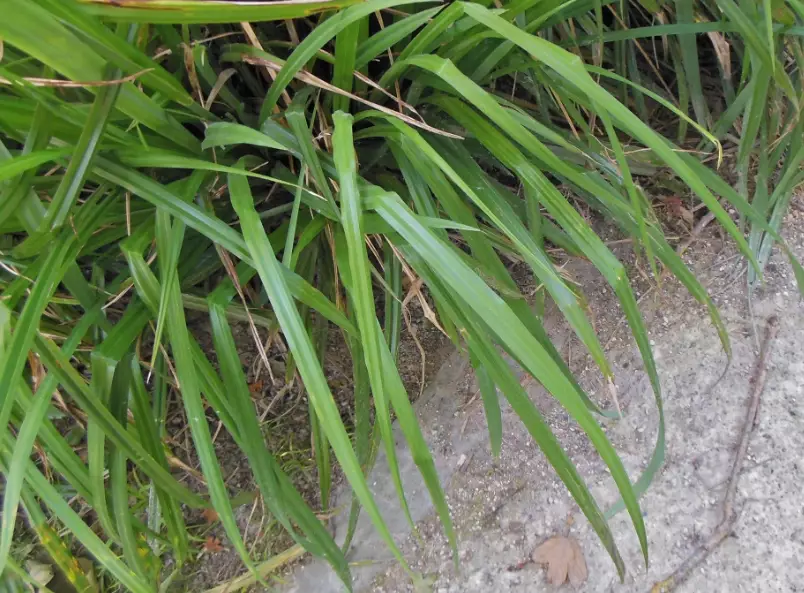
Reader Comments