Get the timing wrong, and you'll end up with stunted, forked, or tasteless roots. Get it right, and you're rewarded with the sweetest, crunchiest carrots you've ever pulled from the ground. The simple answer to "when should you plant carrots?" is this: it depends far more on your soil's temperature and your local climate than on any single date on the calendar. For most gardeners, this means two main windows: a cool-season spring planting and a late-summer to early-fall planting for a sweet autumn harvest.
What's Inside This Guide
Why Getting the Timing Right is Everything
Carrots are a cool-season crop. They germinate best in cool soil and develop their signature sweetness when they mature in cool weather. Plant them in soil that's too warm (above 85°F or 29°C), and the seeds might not sprout at all. Let them mature during the peak summer heat, and they often become bitter, woody, and prone to bolting (sending up a flower stalk).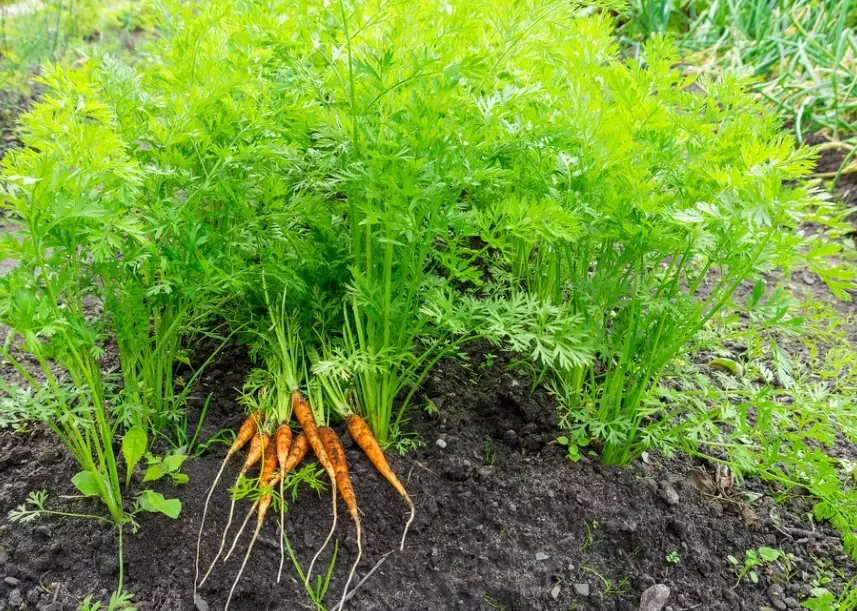
I learned this the hard way my first season. I followed the packet's generic "plant after last frost" advice. The soil was still cold and wet from spring rains. The seeds rotted. My second attempt was too late—mid-June—and the young seedlings fried in the July sun. Timing isn't just a suggestion; it's the foundation.
The Goldilocks Principle: Carrots want everything "just right." Soil that's moist but not soggy, cool but not frozen, and loose enough for their roots to push straight down without meeting resistance. Hit that sweet spot with your planting date, and half your work is done.
The 3 Key Factors That Determine Your Planting Date
Forget the neighbor's garden schedule. Your specific conditions dictate your perfect planting day.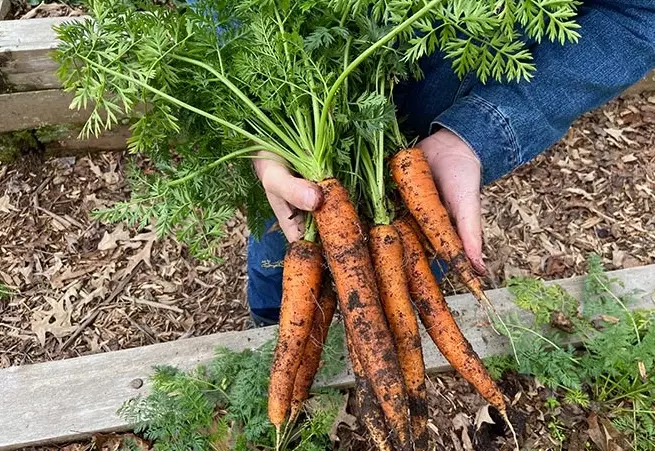
1. Soil Temperature: The Seed's Alarm Clock
This is the most critical, most overlooked factor. Carrot seeds germinate optimally when soil temperatures are between 55°F and 75°F (13°C - 24°C). Below 50°F (10°C), germination is slow and spotty. Above 85°F (29°C), it often fails.
You need a soil thermometer. Stick it 1-2 inches deep in the morning. If it reads in the ideal range for a few consecutive days, you're in the green zone for spring planting. For fall planting, you wait for soil temperatures to fall back into this range after summer's heat.
2. Your Local Frost Dates & USDA Hardiness Zone
While soil temp is king, frost dates provide the framework. Your last spring frost date and first fall frost date are the bookends of your growing season. You can find yours by entering your zip code into the USDA Plant Hardiness Zone Map or consulting your local university extension service website.
Here's the nuance most guides miss: For the spring planting, you can sow carrots 2-4 weeks before your last expected spring frost. The seeds tolerate a bit of cold in the ground. The goal is to have them maturing before the worst summer heat hits.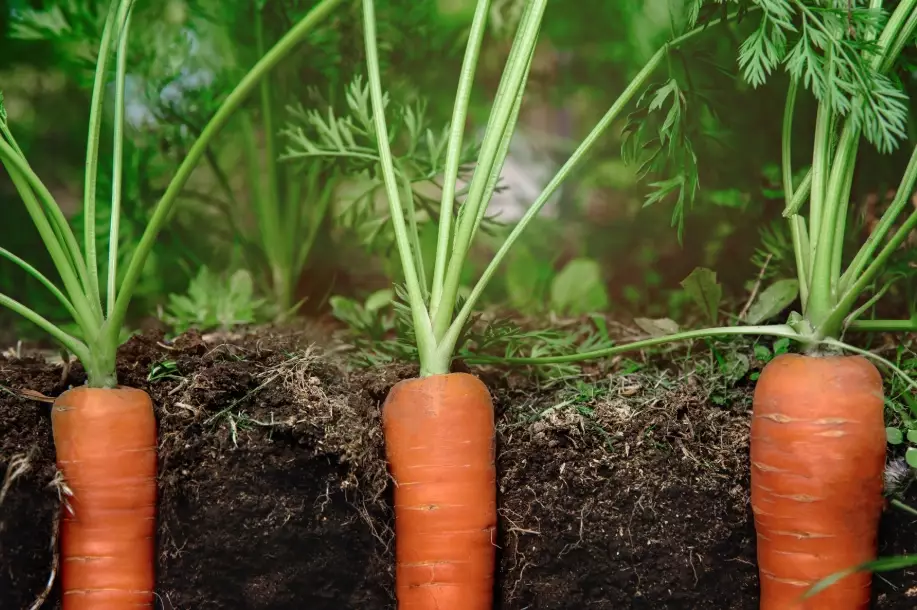
3. Carrot Variety and "Days to Maturity"
Not all carrots grow at the same speed. Check your seed packet.
Early Varieties (50-60 days): Like 'Nantes' or 'Paris Market'. These are perfect for spring planting in short-season areas or for succession planting. You can squeeze them in before the heat.
Maincrop Varieties (70-80+ days): Like 'Danvers' or 'Imperator'. These need a longer, cooler period. They are often better suited for your fall planting, where they can mature in the increasingly cool, sweetening conditions of autumn.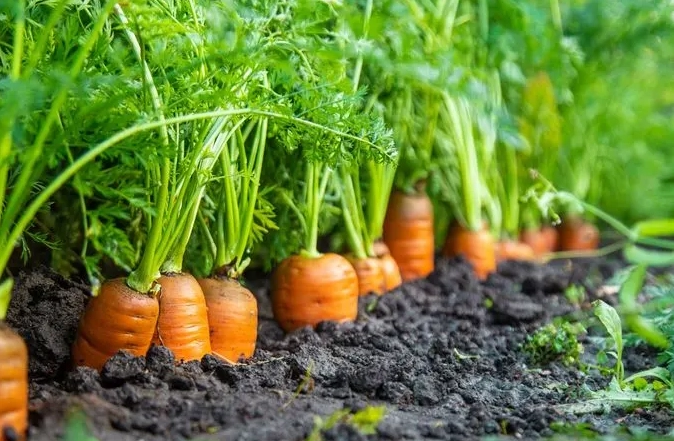
Your Carrot Planting Schedule by USDA Zone
Use this table as a starting point. Always cross-reference with your soil temperature.
| USDA Zone Range | Spring Planting Window | Fall Planting Window | Key Considerations |
|---|---|---|---|
| Zones 3-4 (Very Cold) | Late May - Mid June | Not typically recommended due to very short season. Focus on spring. | Use cold frames or row covers to extend spring season. Choose fastest-maturing varieties (50-60 days). |
| Zones 5-6 (Cool) | Mid April - Late May | Late July - Mid August | The classic two-harvest zone. Fall carrots often taste sweeter than spring ones here. |
| Zones 7-8 (Moderate) | Late February - April | August - Early September | Spring planting can be very early. Fall is the prime season for the best quality carrots. |
| Zones 9-10 (Warm/Winter) | Fall through Winter (Oct - Feb) | Primary growing season is winter. | Plant in fall for a winter harvest. Avoid summer entirely. Soil cools down enough in late fall. |
My garden is in Zone 6b. I mark two dates on my calendar: April 15th for my first spring sowing of 'Nantes', and August 1st for my main fall sowing of 'Bolero' (a great storage variety). This schedule has never failed me.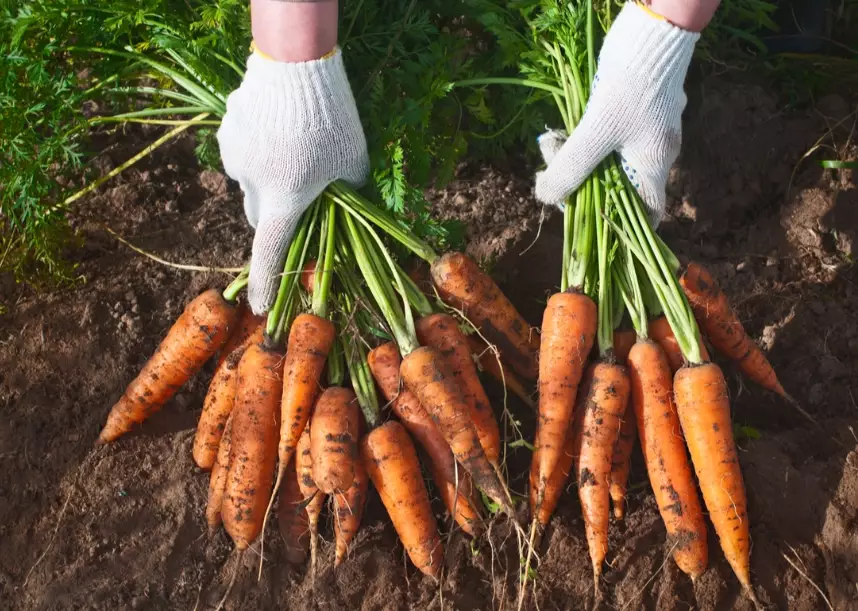
How to Plant Carrots: A Step-by-Step Guide for Any Season
The right date means nothing if the planting is botched. Here's how to do it.
Step 1: Prepare the Bed Deeply. This is non-negotiable. Loosen the soil at least 12 inches deep. Remove all stones, clumps, and debris. Forked carrots are usually caused by hitting an obstacle. I mix in a 1-inch layer of finished compost, but avoid fresh manure or high-nitrogen fertilizer—it causes hairy, split roots.
Step 2: Sow Seeds Superficially. Carrot seeds are tiny. Make shallow furrows about 1/4 inch deep. Sow seeds sparingly, about 2 seeds per inch. Cover lightly with fine soil or sifted compost. Pat down gently.
Step 3: Water with a Gentle Mist. Use a fine spray nozzle. You must keep the soil surface consistently moist until germination, which can take 1-3 weeks. If it dries out even once, germination stops. A lightweight row cover laid directly on the soil helps immensely with moisture retention.
Step 4: Thin Ruthlessly. This is the hardest part for new gardeners. Once seedlings are 2 inches tall, thin them to stand 2-3 inches apart. Yes, you are pulling up perfectly good plants. If you don't, none will have room to form a proper root. Snip them at soil level with scissors to avoid disturbing the roots of the keepers.
Step 5: Mulch and Maintain. Once plants are established, apply a light mulch (like straw or grass clippings) to conserve moisture and suppress weeds. Water deeply about 1 inch per week if rain is lacking.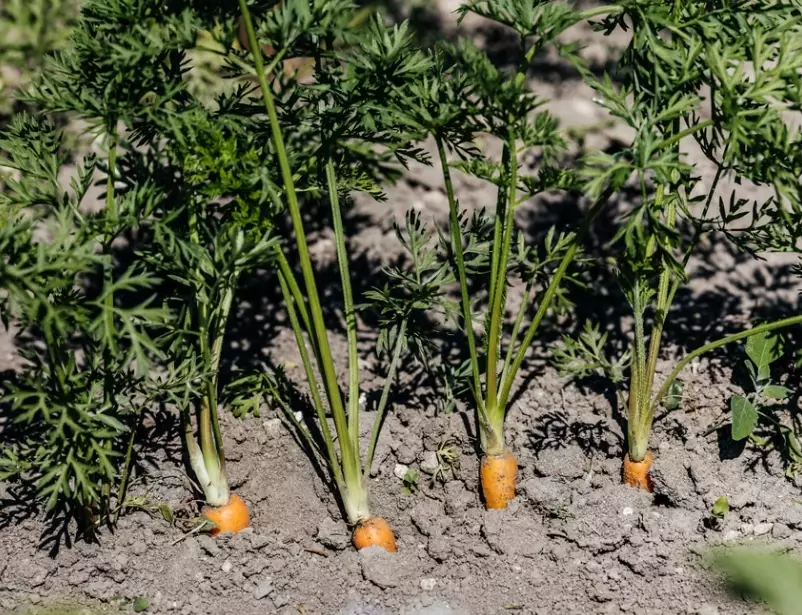
Your Carrot Planting Questions, Answered
Can I plant carrots in July for a fall harvest?
What happens if I plant carrots too early in spring?
How do I know when my fall-planted carrots are ready to harvest?
My carrot seeds never come up. What am I doing wrong?
Is it better to plant carrots in spring or fall?
So, when should you plant carrots? Start by ignoring the calendar and checking your soil temperature. Plan for two seasons: a spring dash and a fall marathon. Choose your variety with the season in mind, prepare your bed like you're fluffing a pillow, and keep those seeds moist. It's not about finding one perfect day, but about understanding the cool, sweet rhythm that carrots crave. Get that right, and you'll have more carrots than you know what to do with—a problem every gardener wants to have.
Reader Comments