Let's cut to the chase. Your morning coffee ritual doesn't have to end at the bottom of the mug. Those spent grounds you toss every day? They're not trash. They're a fantastic, free resource for your garden, packed with potential to improve your soil and feed your plants. I've been composting coffee grounds for over a decade in my backyard garden, and I've seen the transformation firsthand—from struggling clay soil to rich, crumbly earth teeming with life. But I've also made every mistake in the book along the way. This guide will show you how to do it right, skip the headaches, and turn your coffee habit into a cornerstone of your sustainable gardening practice.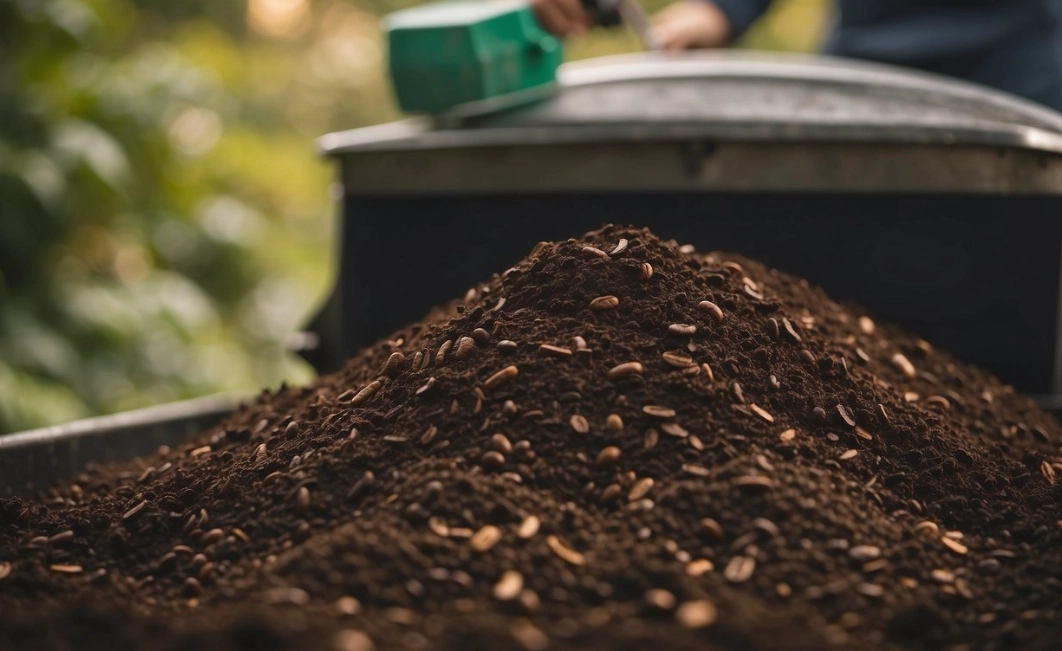
What You'll Learn in This Guide
Why Coffee Grounds Are a Composter's Secret Weapon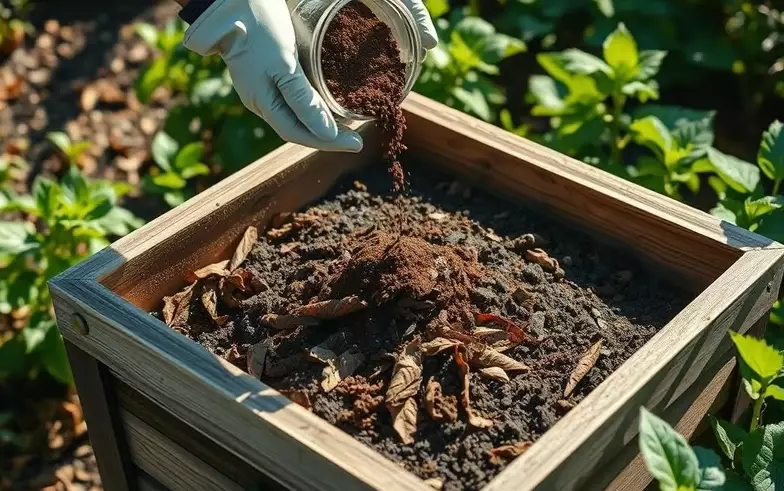
Think of coffee grounds as a green material in your compost pile, similar to fresh grass clippings or vegetable scraps. They provide a crucial ingredient: nitrogen. Nitrogen is the fuel that heats up your compost pile and helps break down carbon-rich materials like dried leaves or cardboard.
Here's what makes them special:
- A Consistent Source: If you brew daily, you have a steady, free stream of organic material. No more waiting for lawn clippings.
- Great Texture: They help create air pockets in the compost pile and finished soil, improving drainage and root growth. Heavy clay soil? Coffee grounds help loosen it up.
- Worm Magnet: Red wiggler worms in a vermicompost bin absolutely love coffee grounds. It's like a gourmet treat for them, and they process it quickly into superb castings.
- Minor Nutrient Boost: While not a fertilizer, they contain small amounts of potassium, phosphorus, and micronutrients like magnesium and copper.
Pro Tip from the Trenches: Don't just think about the grounds. Those paper filters? Toss them in too! They're a great source of brown (carbon) material and break down surprisingly fast in a hot compost pile. Tear them up a bit to speed up the process.
How to Compost Coffee Grounds Correctly (The Non-Negotiable Steps)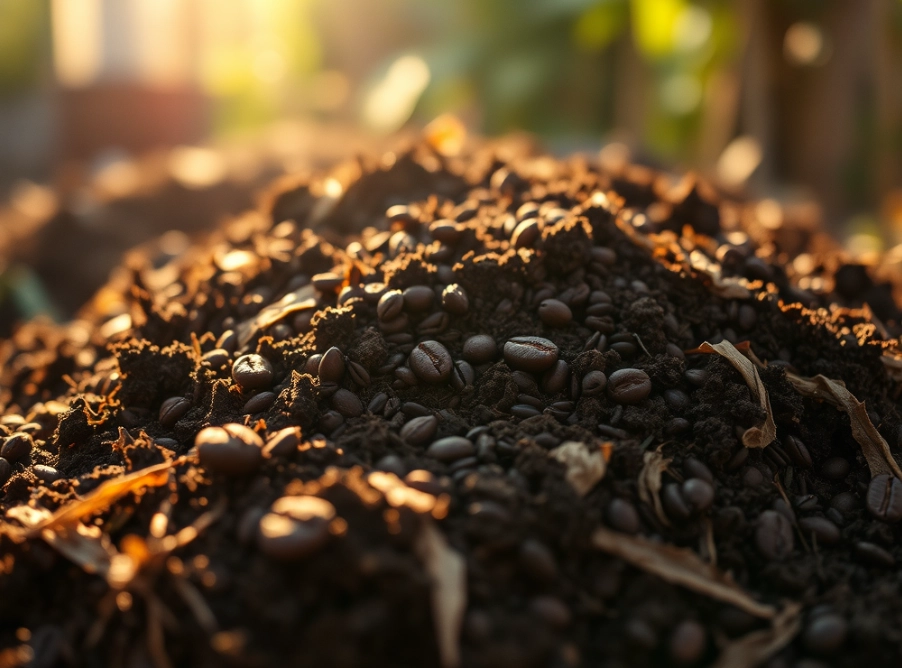
This is where most guides get vague. "Just add them to your pile!" Sure, but how you add them makes all the difference between creating gold and creating a smelly, matted mess.
The Golden Ratio: Balancing Greens and Browns
Coffee grounds are a "green" (nitrogen-rich) material. If you dump a whole week's worth of wet grounds into your bin, you'll get a slimy, anaerobic lump that smells like rotten eggs. The key is to balance them with "browns" (carbon-rich). The classic advice is a 25-30:1 carbon-to-nitrogen ratio. For practical purposes, think volume: for every scoop of wet coffee grounds, add about two to three scoops of dry brown material.
| Your Coffee Grounds (Green) | What to Mix Them With (Browns) | Proportion (Coffee : Brown) |
|---|---|---|
| 1 cup of wet grounds | Shredded dry leaves, straw, or sawdust | 1 : 2 cups |
| A filter's worth of grounds | Shredded newspaper or cardboard | 1 : 3 handfuls |
| Kitchen caddy full | Dried grass clippings (let them turn brown first) or wood chips | 1 : 2 parts by volume |
My method? I keep a small bucket of shredded leaves or torn-up cardboard next to my compost bin. Every time I dump my coffee filter, I grab a couple handfuls of browns and mix them right on top. A quick stir with a compost turner every few days keeps everything aerated.
Collection and Storage: No Fancy Gear Needed
You don't need a special container. I use an old plastic ice cream tub with a lid under the sink. Empty the coffee pot into it, let it cool, and pop the lid on. It stores for 2-3 days without issue. If you're worried about mold (a rare issue in my experience), you can spread the grounds on a baking sheet to dry them out first. Dry grounds store for weeks and are easier to mix later.
The 3 Biggest Mistakes Everyone Makes with Coffee Ground Compost
I learned these the hard way so you don't have to.
Mistake #1: Believing the "Acidic Soil" Myth. This is the big one. Yes, the liquid coffee you drink is acidic. But used coffee grounds are nearly neutral, with a pH between 6.5 and 6.8. The brewing process leaches out most of the acidity. University studies, like those from Oregon State University Extension, confirm this. Spreading them will not acidify your soil in any meaningful way. Don't save them just for blueberries and azaleas—they're safe for all your plants.
Mistake #2: Using Them as a Thick Mulch. This looks tidy, but it's a disaster waiting to happen. Wet coffee grounds compact into a water-resistant crust. This layer can block air and water from reaching plant roots and even promote fungal growth on stems. Always mix them into soil or compost, never lay them on thickly by themselves.
Mistake #3: Adding Grounds from Pod Machines Without a Second Thought. Be careful here. The grounds from plastic coffee pods are fine, but you must ensure no bits of the plastic pod or foil lid get in. Compost that's contaminated with microplastics is worse than no compost at all. I'm skeptical of "compostable" pods in home systems—they often require industrial composting conditions to break down. I stick with traditional filters or a French press to keep it simple and clean.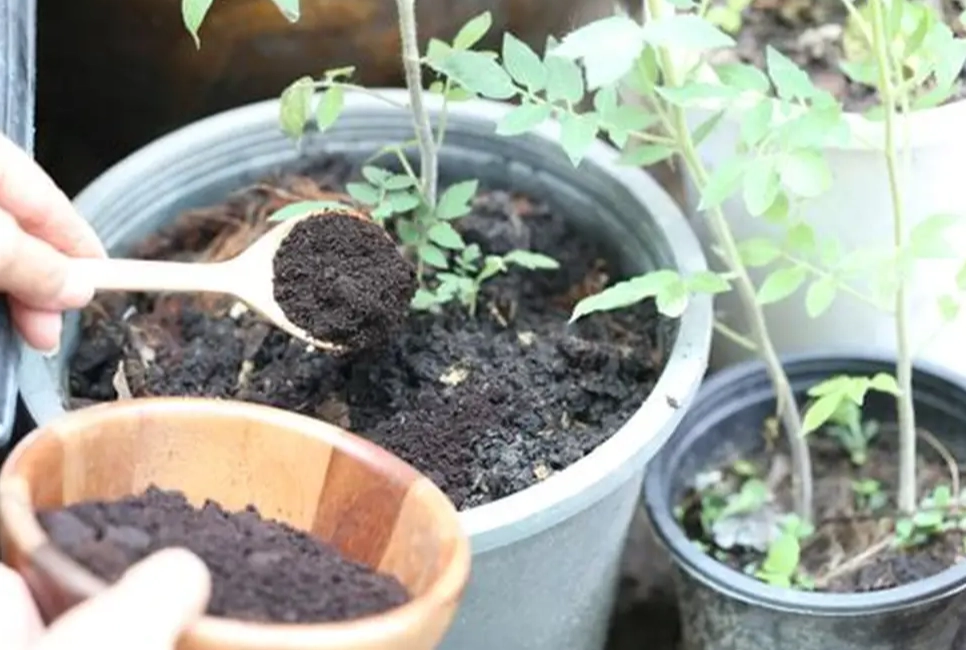
Watch Out: If you get large quantities from a coffee shop, ask if they are pure coffee grounds. Some shops mix in other waste, like pastry or milk-soaked napkins, which can throw off your compost balance and attract pests.
Beyond the Compost Bin: Other Smart Uses in the Garden
Composting is the best use, but there are a couple of other tricks.
As a Slug and Snail Deterrent: This works, but with a caveat. The gritty texture is unpleasant for soft-bodied pests. Create a protective ring around susceptible plants like hostas or lettuce. The catch? You must refresh it after heavy rain, as it washes away easily. It's a good short-term barrier, not a set-and-forget solution.
In Your Seed Starting Mix: I've experimented with adding a small percentage (no more than 10% by volume) of finished coffee ground compost to my seed starting mix. It seems to improve moisture retention without waterlogging. Never use fresh grounds for this—they can inhibit germination.
A Note on Direct Application: Some gardeners sprinkle thin layers around plants and gently scratch them into the topsoil. This can work if it's truly a thin layer and is followed by a proper mulch. I find it's just easier and more effective to let the compost pile do its job first.
Your Coffee Grounds Questions, Honestly Answered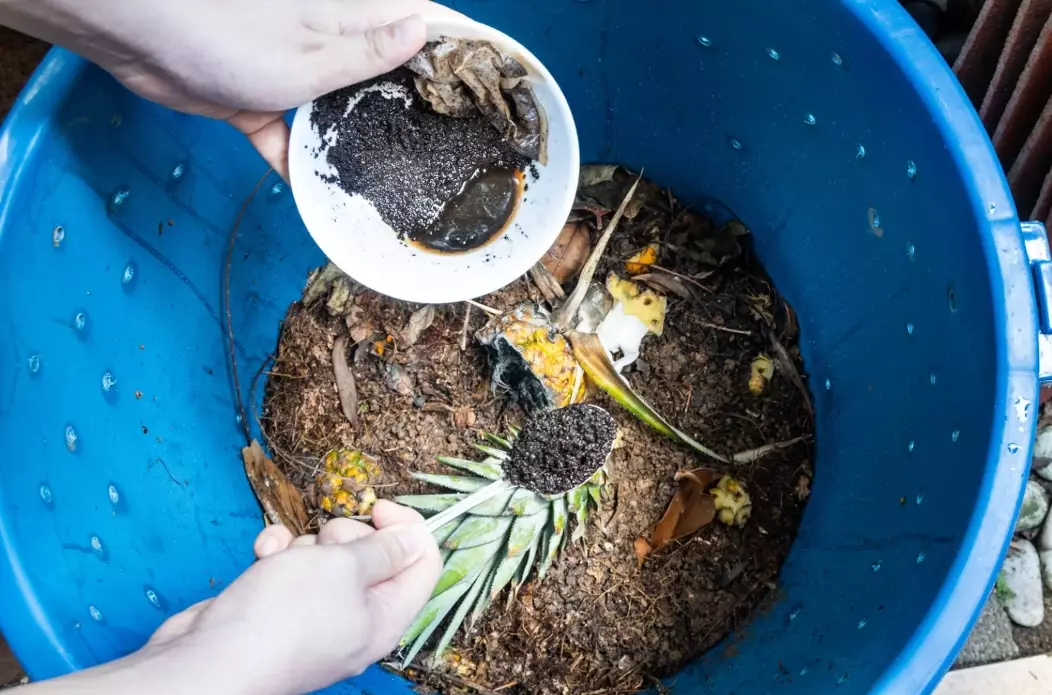
Starting a ground coffee compost habit is one of the easiest wins in gardening. It closes a loop in your kitchen, reduces waste, and builds healthier soil. Forget the myths, focus on the mix, and let your plants enjoy the results. My tomato plants have never been happier since I got this routine down. Give it a season—you'll see the difference in the texture of your soil and the vigor of your plants.
Reader Comments