I planted my first fig tree about a decade ago, and let me tell you, it was a disaster. I chose a variety that hated my climate, stuck it in clay soil, and wondered why it barely grew. Fast forward to today, and my backyard is filled with thriving fig trees that produce buckets of fruit every summer. If you're thinking about growing figs, you're in for a treat—but there are pitfalls most guides don't mention. This isn't just another generic list; it's based on hard-earned lessons and conversations with other gardeners. We'll cover everything from picking the right tree to fixing that annoying problem where your fig tree looks healthy but won't fruit.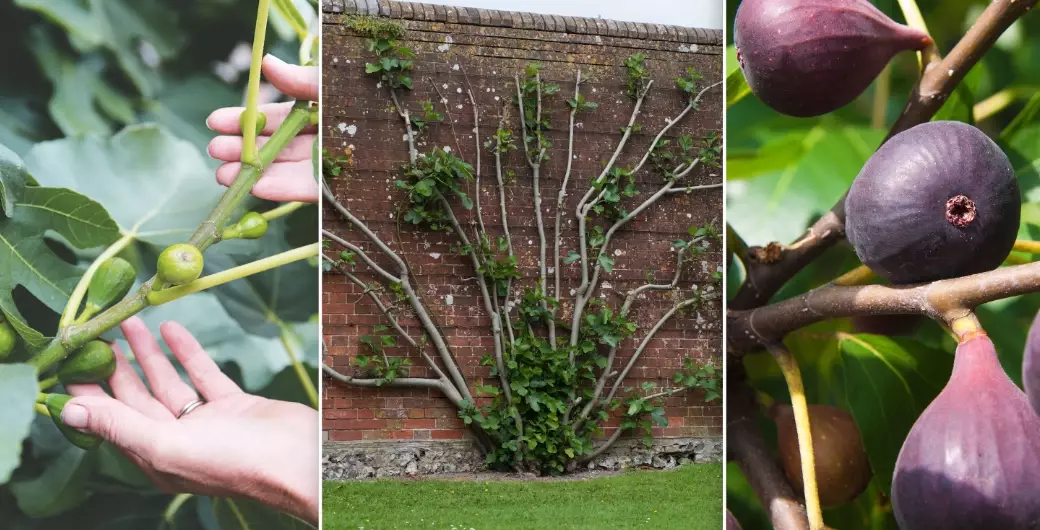
What's Inside This Guide
Picking the Perfect Fig Variety for Your Garden
Most people rush to buy the first fig tree they see, but variety matters more than you think. I learned this the hard way when my 'Brown Turkey' fig struggled in my cool springs. Figs come in hundreds of types, but for home gardens, a few stand out based on flavor, climate adaptability, and growth habit.
Common Fig Varieties for Home Gardens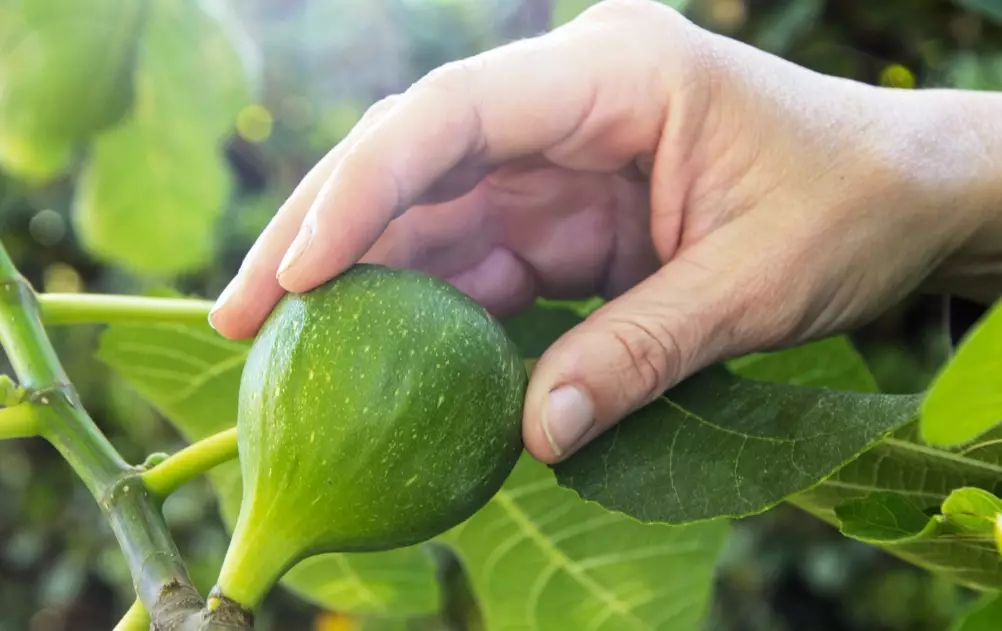
Let's break down the top picks. I've grown most of these, and here's my take:
| Variety | Best For Climates | Flavor Profile | Notes from Experience |
|---|---|---|---|
| 'Brown Turkey' | Warm temperate zones (USDA 7-9) | Sweet, mild, good for fresh eating | Reliable but can be bland if under-ripe; prone to splitting in wet weather. |
| 'Celeste' | Colder areas (USDA 6-9) | Very sweet, honey-like | My favorite for resilience—it bounces back from frost, but fruits are small. |
| 'Chicago Hardy' | Cold climates (USDA 5-9) | Rich, berry-like | Survives freezing temps, but needs protection; slow to establish. |
| 'Kadota' | Hot, dry regions (USDA 8-10) | Subtle, less sweet | Great for canning; requires less water, but birds love it. |
If you're in a humid area, avoid 'Mission' figs—they tend to rot quickly. I'd recommend 'Celeste' for beginners because it's forgiving. Check your USDA hardiness zone; the University of California's Agriculture and Natural Resources site has a handy map, but local nurseries often know best.
Climate Considerations
Figs thrive in Mediterranean-like conditions: warm summers, mild winters. But you can grow them almost anywhere with tweaks. In colder zones, plant against a south-facing wall or in containers to move indoors. I've seen gardeners in Minnesota grow figs in pots, bringing them into a garage over winter. The key is microclimates—my neighbor's tree, sheltered by a fence, fruits better than mine in the open.
Step-by-Step Guide to Planting Fig Trees
Planting is where many go wrong. It's not just digging a hole; timing, soil, and placement make or break your tree. I'll walk you through it based on what worked for me after a few failures.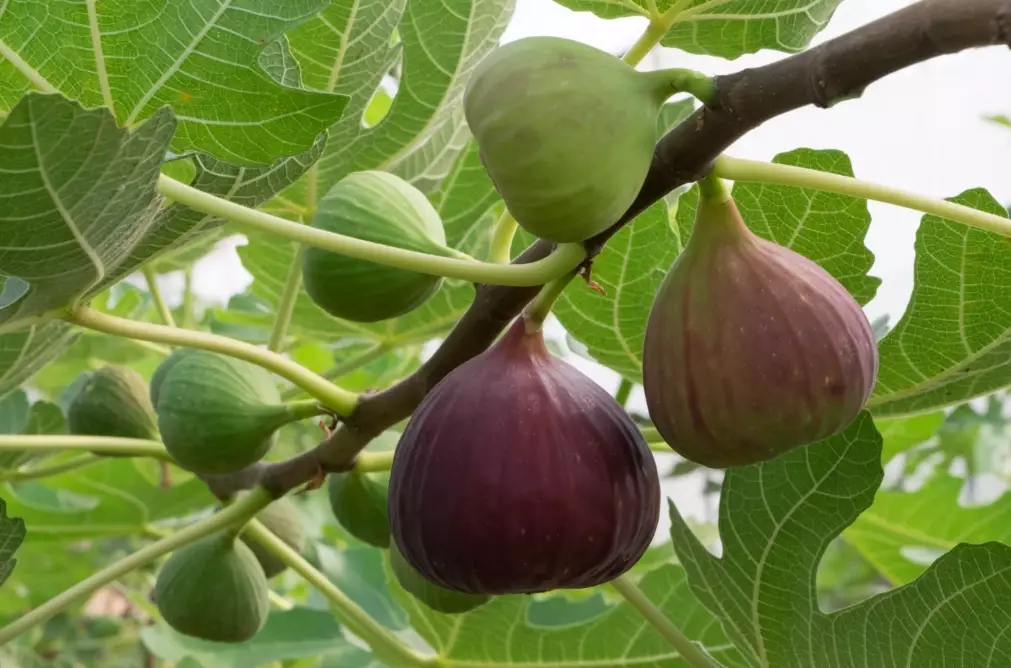
Best Time to Plant
Plant in late winter or early spring, when the tree is dormant. Fall planting can work in mild climates, but avoid summer—the heat stresses young trees. I planted one in July once, and it took two years to recover. If you're using container-grown trees, you can plant almost any time, but spring gives roots time to establish before heat hits.
Site Selection and Soil Preparation
Figs need full sun—at least 8 hours daily. Partial shade reduces fruiting. For soil, they prefer well-draining, slightly acidic to neutral pH (6.0-7.0). Clay soil is a killer; mine initially had poor drainage, leading to root rot. Amend heavy soil with compost or sand. A soil test from your local extension office helps; in my area, adding peat moss lowered the pH perfectly.
Pro tip: Don't plant figs near foundations or pipes—their roots are aggressive and can cause damage. Give them 10-15 feet of space from structures.
Step-by-Step Planting Guide
Here's my method, refined over years:
Dig the hole: Make it twice as wide as the root ball, but no deeper. Figs have shallow roots; planting too deep invites disease. I use a shovel to loosen the sides for better root spread.
Prepare the tree: If container-grown, gently tease out circling roots. Bare-root trees should soak in water for an hour before planting.
Position and backfill: Place the tree so the root flare is level with the soil surface. Backfill with native soil mixed with compost—avoid fertilizer at planting, it can burn roots.
Water and mulch: Water deeply to settle the soil. Apply 2-3 inches of mulch (wood chips or straw) around the base, but keep it away from the trunk to prevent rot.
My first tree died because I piled mulch against the trunk—a rookie mistake. Now, I leave a gap.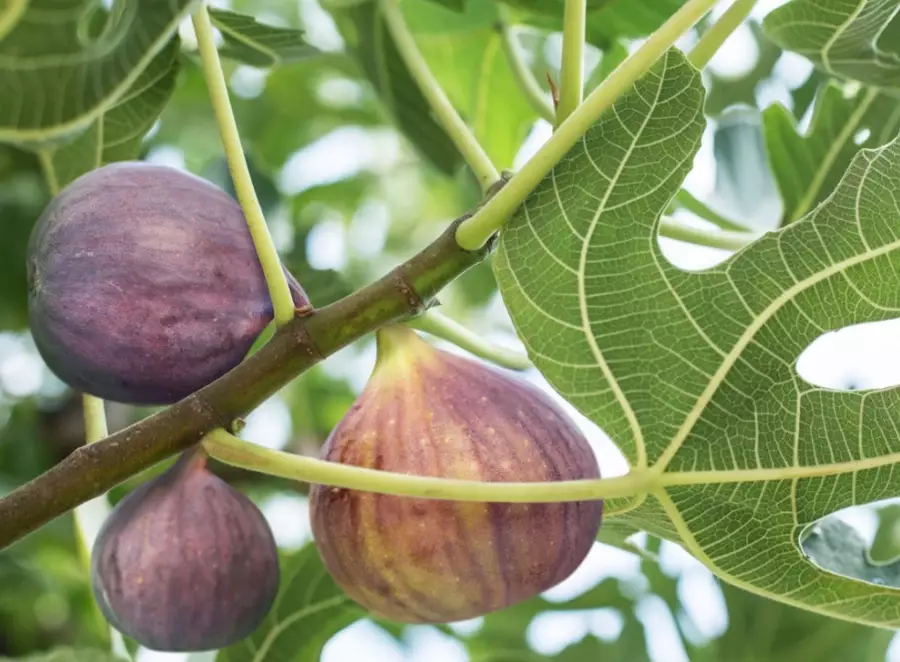
Essential Care Tips for Healthy Fig Trees
Once planted, care is straightforward but nuanced. Most guides oversimplify watering and pruning, but small adjustments yield big results.
Watering Requirements
Figs are drought-tolerant once established, but young trees need consistent moisture. Water deeply once a week during dry spells. Overwatering is worse than underwatering—I lost a tree to root rot from soggy soil. Use a moisture meter or stick your finger 2 inches into the soil; if it's dry, water. In containers, water more frequently, but ensure drainage holes aren't blocked.
Fertilizing Fig Trees
Figs aren't heavy feeders. Too much nitrogen leads to leafy growth at the expense of fruit. I use a balanced fertilizer (10-10-10) in early spring, then switch to a low-nitrogen option like 5-10-10 in summer. Organic options like compost tea work well; my trees respond better to slow-release granules. Avoid fertilizing after mid-summer to prevent tender growth before frost.
Pruning for Health and Productivity
Pruning scares many, but it's essential. Figs fruit on new wood, so prune in late winter when dormant. Remove dead or crossing branches, and thin out the center for airflow. I prune my 'Brown Turkey' to an open vase shape—it increases sunlight penetration and reduces disease. For container trees, prune more aggressively to control size. A common error is pruning in fall; it can stimulate growth that gets killed by frost.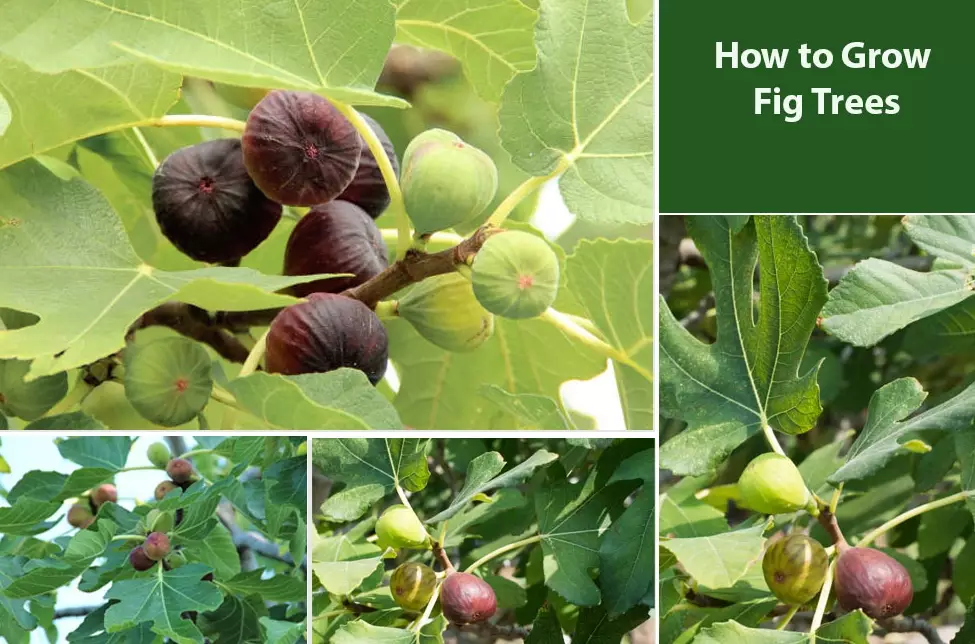
Solving Common Fig Tree Problems
Even with care, problems arise. Here are the big ones I've dealt with, and solutions that aren't always obvious.
Pests and Diseases
Fig rust: A fungal disease causing yellow spots on leaves. It's common in humid areas. I combat it by removing affected leaves and improving air circulation. Copper-based fungicides help, but prevention is key—water at the base, not overhead.
Birds and squirrels: They love ripe figs. Netting is the best defense; I use lightweight bird netting draped over the tree. Some gardeners swear by reflective tape, but it didn't work for me.
Root-knot nematodes: Microscopic worms that stunt growth. If your tree looks sickly despite good care, check roots for galls. Solarizing the soil before planting helps, or choose resistant varieties like 'Celeste'.
Environmental Stress
Fig tree not fruiting: This is a huge pain point. Often, it's due to over-fertilization, lack of sun, or improper pruning. My tree didn't fruit for three years until I moved it to a sunnier spot. Also, some varieties need a pollinator, but most common figs are self-fertile.
Winter damage: In cold zones, wrap the trunk with burlap or use frost cloth. For potted trees, move to a sheltered area. I've seen trees recover from freeze damage if the roots are protected.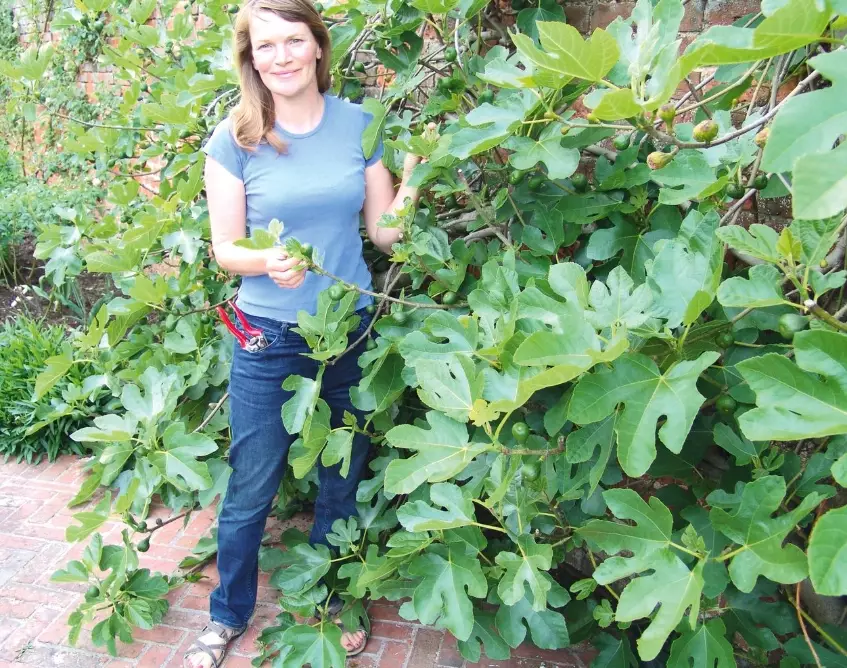
Harvesting and Storing Your Figs
Harvesting is the reward. Figs don't ripen off the tree, so timing is crucial. They're ready when soft to the touch, drooping slightly, and with a sweet aroma. Color varies by variety—'Brown Turkey' turns purple-brown, 'Celeste' stays greenish.
Pick in the morning when cool, using a gentle twist. I wear gloves because the sap can irritate skin. Fresh figs last only a few days; store them in a single layer in the fridge. For longer storage, dry them in a dehydrator or freeze whole. My family loves fig jam—it's easy to make and captures that summer flavor.
Answers to Your Burning Questions
 Growing figs is a journey—it takes patience, but the sweet rewards are worth it. Start with the basics, learn from mistakes, and soon you'll have a thriving tree. For more details, check resources like the Royal Horticultural Society or your local agricultural extension. Happy gardening!
Reader Comments